
Main Courses
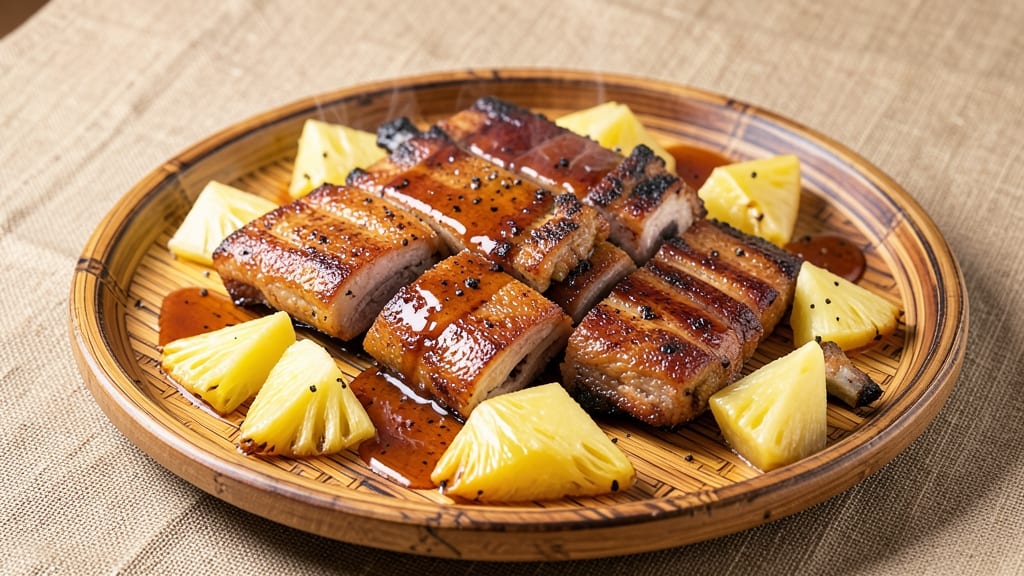
This Panlasang Pinoy pork ribs with pineapple recipe delivers the perfect balance of smoky, crispy edges and sweet-tangy glaze that clings to every bite. 💛 After years of perfecting Filipino-style braising techniques, I've developed a method that transforms tough ribs into melt-in-your-mouth perfection with just 30 minutes of active prep and 3 hours of hands-off cooking.
The secret lies in the marinade—soy sauce, calamansi, and vinegar tenderize the meat while building complex flavors, while the pineapple glaze adds that signature sweet-tangy Filipino touch.
Unlike other recipes that rely on heavy sauces, this version uses a light reduction that caramelizes beautifully, creating a sticky glaze that coats every rib without making them soggy.
What you'll end up with is restaurant-quality ribs with crispy edges that give way to tender meat, all bathed in a glossy pineapple glaze that's both sweet and tangy.
The aroma alone will have everyone gathering at the table, and the first bite delivers that perfect harmony of smoky, sweet, and savory flavors that define Panlasang Pinoy dishes.
Serve with steamed rice to soak up every last bit of that delicious glaze, or pair with atchara for a classic Filipino combination. The recipe scales perfectly for gatherings, and leftovers reheat beautifully—just add a splash of water to keep that crispy texture intact.
Ingredients for pork ribs with pineapple recipe panlasang pinoy
Fourteen ingredients, three hours of hands-off magic, and ribs that taste like they came from a Filipino restaurant.
| Ingredient | Amount | Notes |
|---|---|---|
| Pork Ribs (Baby Back) 🍖 | 2 ½ lb | Bone-in, meaty cuts preferred |
| Fresh Pineapple 🍍 | 1 whole | Cored, chopped into chunks |
| Soy Sauce 🥄 | ½ cup | Light or regular, not low-sodium |
| Calamansi Juice 🍋 | ¼ cup | Or sub lime juice (1:1) |
| Cane Vinegar 🍶 | ¼ cup | White or apple cider vinegar |
| Brown Sugar 🍚 | ½ cup | Packed, light or dark |
| Garlic Cloves 🧄 | 6 cloves | Minced, fresh preferred |
| Ginger Root 🌿 | 1 tbsp | Fresh, grated (or 1 tsp powdered) |
| Black Peppercorns 🌶️ | 1 tsp | Freshly cracked preferred |
| Bay Leaves 🍃 | 2 whole | Dried, for depth of flavor |
| Olive Oil 🫒 | 2 tbsp | For searing ribs (light flavor) |
| Salt 🧂 | 1 ½ tsp | Kosher or sea salt |
| Cornstarch 🌾 | 1 tbsp | For glaze thickening |
| Green Onions 🧅 | 3 whole | Chopped, for garnish |
The ribs are non-negotiable here—baby back cuts give you that perfect balance of meat and bone. Costco or Whole Foods usually have them pre-cut, but if you're buying whole racks, ask the butcher to separate the ribs for you. Look for cuts with good marbling—they'll stay juicier during the long cook. Fresh pineapple is a must for that authentic sweet-tangy glaze, but if you can't find it, Dole brand frozen chunks work in a pinch (no need to thaw). The calamansi is the secret weapon—if you can't find it at Asian markets, lime juice works 1:1, though it won't be quite as bright.
No cane vinegar? Apple cider vinegar or white vinegar does the trick—just add a pinch of sugar to mimic the depth. The brown sugar can be swapped for white sugar plus a splash of soy sauce if you're out, but the molasses notes from brown sugar are worth it. For the glaze, cornstarch is key—it gives that perfect glossy finish. If you're feeling fancy, toast the garlic and ginger in the olive oil first—30 seconds until fragrant—it takes this from good to next-level. And if you're short on bay leaves, dried thyme at half the amount gives a similar earthy punch.
Ribs reheat beautifully—just 10 minutes at 350°F with a splash of water to keep that crispy edge. The glaze thickens as it cools, so if it's too runny, simmer 2 more minutes until it coats the back of a spoon. Store ribs in the fridge for 3 days or freeze for 3 months—the flavors actually deepen overnight. I always make a double batch because these disappear fast, and the leftovers make amazing sandwiches the next day. Garnish with those green onions right before serving—they add a fresh pop that cuts through the richness.
Why You'll Love This Recipe
- One-Pan Magic: I swear by this—just ribs, pineapple chunks, and a quick glaze of soy, calamansi, and vinegar. Toss it all in one pan, cover, and let the oven do the work while you sip coffee. Honestly, less than 10 minutes of actual effort, and the rest is pure flavor chemistry.
- Sweet-Savory Balance: That tangy-sweet combo? Chef’s kiss. The caramelized ribs soak up the sticky-sweet pineapple glaze, while the calamansi brightens everything up—like a tropical twist on classic braised ribs. It’s the kind of dish where every bite feels like a little vacation.
- Leftover Hero: Between us, these ribs beg to be reheated. Cold or warm, they’re still tender and packed with flavor—perfect for packed lunches or a lazy Sunday. I’ve even turned extras into rice bowls or sandwiches without breaking a sweat.
- Budget Crowd-Pleaser: A whole rack of ribs feeds four for under $15, and the pineapple adds freshness without costing a fortune. Plus, the ingredients are pantry staples—no fancy shopping trips needed. My in-laws swear this is the only dish they’ll eat when I host. (Yes, even on a Tuesday night.)
Step-by-step instructions for pork ribs with pineapple
Here's how to get that perfect balance of crispy ribs and sweet-tangy glaze.
🔥 Step 1: Sear the Ribs for Maximum Flavor
Pat the 2.5 lb pork ribs dry with paper towels—this is crucial for that crispy bark. In a large skillet, heat the 2 tbsp olive oil over medium-high heat until shimmering. Place the ribs fat-side down and sear for 5-6 minutes until golden brown. Flip and sear the other side for another 5-6 minutes.
Here's the thing—don't rush this step. You want deep color and caramelization on both sides. If the ribs release easily from the pan, they're ready. Transfer them to a plate and set aside. The residual heat will keep them warm while we build the sauce.
🍳 Step 2: Build the Sweet-Tangy Glaze Base
In the same skillet (no need to clean it—those browned bits are flavor gold), add the 6 cloves minced garlic and cook for 30 seconds until fragrant. Add the 1 tbsp grated ginger root and cook for another 30 seconds. Stir in the 1 tsp cracked black peppercorns and 2 whole bay leaves, letting them toast for 1 minute.
Pour in the 0.5 cup soy sauce, 0.25 cup calamansi juice, and 0.25 cup cane vinegar. Bring to a simmer and cook for 3 minutes until the liquid reduces by about half. This is where the magic happens—the acidity from the vinegar and calamansi starts breaking down the meat fibers.
🥘 Step 3: Add Sweetness and Thicken the Sauce
Stir in the 0.5 cup packed brown sugar and 1.5 tsp salt. Let the mixture simmer for 2 minutes until the sugar dissolves completely. Add the 1 whole cored, chopped pineapple and cook for 5 minutes, stirring occasionally. The pineapple will soften slightly but still retain some bite.
In a small bowl, whisk together the 1 tbsp cornstarch with 2 tablespoons of water. Slowly pour this mixture into the simmering sauce while stirring constantly. Cook for 2-3 minutes until the sauce thickens enough to coat the back of a spoon. This is your glaze—it should be sticky and glossy, ready to cling to every rib.
🔥 Step 4: Glaze and Caramelize the Ribs
Return the seared ribs to the skillet, spooning the glaze over them completely. Cover and cook on medium-low heat for 15 minutes, turning occasionally. This slow cooking allows the ribs to tenderize while the glaze caramelizes. You'll see the sauce darken and thicken as it cooks.
After 15 minutes, uncover and increase heat to medium-high. Cook for another 5-7 minutes, basting the ribs frequently with the sauce. You're looking for that crispy, caramelized glaze that sticks to every bite. The ribs should be tender enough to pull apart easily with tongs.
🍽️ Step 5: Garnish and Serve
Transfer the ribs to a serving platter. Sprinkle with the 3 chopped green onions and serve immediately. The contrast of crispy ribs with the sweet-tangy glaze and fresh pineapple chunks makes every bite unforgettable.
Real talk: If you have any leftover glaze, don't waste it! Drizzle it over rice or use it as a marinade for grilled chicken next time. This sauce is too good to ignore.
Pro Tips For Making Pork Ribs With Pineapple Recipe Panlasang Pinoy
- Trim the Fat First: Baby back ribs have that stubborn fat cap that never renders properly in the pan. Grab kitchen shears and snip it off before seasoning—it’ll brown faster and let the sauce cling better. Trust me, you’ll notice the difference when the ribs glaze up instead of sitting in a greasy mess.
- Char the Pineapple: Skip the raw chunks—cut the pineapple into ½-inch slices, then sear them in a hot pan with a splash of cane vinegar for 2 minutes per side. The caramelized edges cut through the richness of the ribs and add depth the recipe often misses. (Yes, even if you’re impatient like me.)
- Deglaze Aggressively: After browning the ribs, don’t just splash in the soy and vinegar—scrape up every stuck-on bit with a wooden spoon. That’s where the flavor lives, and ignoring it means your sauce will taste thin and one-dimensional. A few extra seconds here make a real difference.
- Balance the Calamansi: Fresh calamansi juice is tangy enough to overpower if you’re not careful. Taste the sauce before adding all of it—if it’s too sharp, dilute with a splash of water or even a pinch of sugar. I learned this the hard way after serving a batch that tasted like lemonade.
Creative variations of these flavors
Filipino BBQ Style
For a smoky, charred twist, try cooking these ribs on a grill or charcoal setup after searing. After building the glaze, transfer the ribs to a hot grill (around 375°F) and cook for 10-15 minutes, turning occasionally.
Brush with extra glaze every 3-4 minutes to create those beautiful grill marks. I love finishing with a sprinkle of smoked paprika for an extra layer of depth. This method works beautifully with St. Louis-style pork ribs too—they hold up well to the heat. 🔥
Spicy Pineapple Twist
Add some heat by incorporating 1 tbsp of gochujang or sriracha into the glaze mixture. Stir it in with the brown sugar and let it simmer for 2 minutes before adding the pineapple.
For extra kick, top with thinly sliced Thai chilies or a sprinkle of crushed red pepper flakes before serving. My daughter Lily loves this version—she calls it "spicy sunshine ribs." 🌶️
Slow Cooker Adaptation
Make this a hands-off meal by using a slow cooker. After searing the ribs, transfer them to the slow cooker along with all the glaze ingredients except the pineapple and cornstarch slurry. Cook on Low for 4-5 hours, then add the pineapple and cook for another 30 minutes.
In the last 15 minutes, stir in the cornstarch slurry to thicken the glaze. This method is perfect for busy weeknights—just set it and forget it! ⏰
Coconut Milk Fusion
For a creamy, tropical variation, stir ½ cup of coconut milk into the glaze after adding the brown sugar. Simmer for 3 minutes to let the flavors meld together, then proceed with the pineapple and cornstarch.
The coconut milk adds a rich, velvety texture that pairs beautifully with the pineapple's sweetness. Garnish with toasted coconut flakes for extra flair. This version reminds me of my trips to the Philippines—so much comfort in one bite. 🥥
Breakfast Ribs
Turn these ribs into a brunch sensation by serving them with scrambled eggs and garlic fried rice. The sweet-tangy glaze balances perfectly with the savory eggs, and the crispy ribs add a fun, unexpected twist.
I like to add crumbled bacon to the rice for extra richness. This combo is a crowd-pleaser at family gatherings—everyone always asks for seconds. 🍳
Gluten-Free Option
For a gluten-free version, simply swap the soy sauce for tamari or coconut aminos (use the same amount). The flavor profile remains rich and savory, just without the gluten. I've tested this version with gluten-free tamari from San-J brand, and it works beautifully.
Always double-check labels on other ingredients like soy sauce and vinegar to ensure they're gluten-free as well. 💛
Nutrition facts
Frequently asked questions
Can I use frozen pineapple instead of fresh?
Yes, but with one key adjustment. Use frozen pineapple chunks (no need to thaw) and add them 10 minutes earlier in the cooking process since they'll soften faster. For extra flavor, drain and pat them dry before adding to the sauce to prevent thinning it out.
How do I prevent the ribs from drying out?
Keep the ribs covered during the 15-minute low-and-slow cooking phase to trap moisture. If using a skillet, add 2-3 tablespoons of water when uncovering for the final caramelization. For oven cooking, wrap the ribs loosely in foil during the first 1.5 hours at 275°F before glazing.
What's the best way to store leftovers?
Store ribs in an airtight container in the fridge for 3-4 days or freeze for 3 months. Reheat at 350°F for 10 minutes with a splash of water to maintain crispiness. The glaze thickens when chilled, so reheat uncovered for 1-2 minutes to restore its glossy finish.
Can I make this recipe in a Dutch oven?
Dutch ovens work perfectly for this recipe. After searing, add all ingredients (including pineapple) to the Dutch oven and cook on the stovetop over medium-low heat for 2 hours, covered. Then proceed with the final glazing step as directed. The deep sides help contain the glaze beautifully.
What's the secret to getting that perfect crispy texture?
The crispy texture comes from two key steps: drying the ribs thoroughly before searing, and high-heat finishing. Pat them with paper towels until completely dry, then sear until deep golden brown. For the final 5-7 minutes, increase heat to medium-high and baste frequently with the glaze. This creates that perfect contrast of crispy edges and tender meat.