
Sauces & Condiments
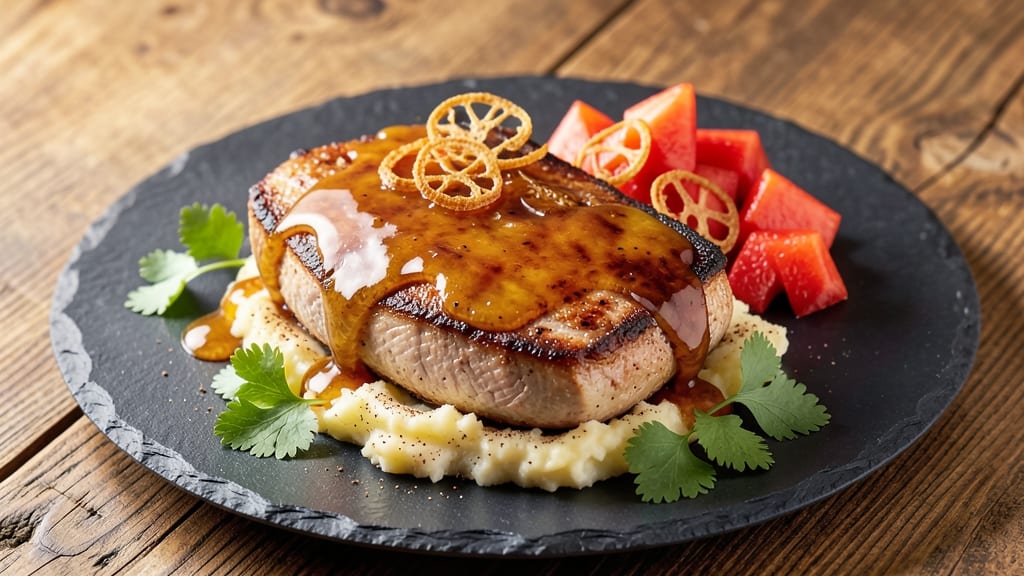
This pineapple glaze recipe for pork transforms simple cuts into restaurant-worthy masterpieces with just 10 minutes of simmering. 🌟 The secret lies in balancing sweetness and acidity—canned pineapple juice and brown sugar caramelize beautifully when reduced, creating a glossy, tangy-sweet coating that clings to pork like a second skin.
I perfected this glaze after years of testing, and it's become my go-to for ribs, chops, and even pulled pork.
The process couldn't be simpler: combine pineapple juice, brown sugar, soy sauce, and a splash of vinegar, then simmer until thickened to a syrup-like consistency. The glaze's tropical sweetness cuts through rich pork while adding a subtle tang that keeps every bite interesting.
What makes this recipe special is its versatility—adjust the heat with chili flakes or brightness with lime juice to match your preferred flavor profile.
What you'll end up with is a caramelized, sticky glaze that's perfect for finishing pork dishes. The sauce reduces to a perfect consistency, coating every bite with a balance of sweet, tangy, and umami flavors.
It's the kind of glaze that makes even simple pork chops feel like a special occasion meal.
Use this glaze on ribs, pork chops, or even as a marinade for pulled pork—it works beautifully in every scenario. The recipe makes enough for multiple servings, and leftovers keep well in the refrigerator for up to a week.
Let's get started on creating this tropical-inspired glaze that will elevate your pork dishes to new heights.
Ingredients for pineapple glaze recipe for pork
Nine ingredients transform simple pork into restaurant-quality masterpieces with tropical caramelized sweetness.
| Ingredient | Amount | Notes |
|---|---|---|
| Canned Pineapple Juice 🍍 | 1 cup | 100% pure, no additives |
| Light Brown Sugar 🍚 | ¾ cup | Packed firmly for accuracy |
| Soy Sauce 🥢 | ¼ cup | Low-sodium preferred |
| White Vinegar 🍶 | 2 tbsp | White or apple cider |
| Garlic Cloves 🧄 | 3 cloves | Minced for depth of flavor |
| Fresh Ginger 🌿 | 1 tbsp | Grated, for zesty kick |
| Red Chili Flakes 🌶️ | 1 tsp | Adjust for heat preference |
| Extra-Virgin Olive Oil 🫒 | 1 tbsp | For glossy finish |
| Salt 🧂 | ½ tsp | Diamond Crystal preferred |
| Fresh Lime Juice 🍋 | 1 tbsp | Brightens the glaze |
The pineapple juice is non-negotiable—Dole or Del Monte brands work perfectly, but avoid anything with added sugar or preservatives. Brown sugar should be light, not dark, for that perfect caramelization without bitterness. Trader Joe's has the best-priced organic brown sugar in bulk, but any grocery store brand works. Fresh ginger and garlic? Buy them at the farmers market if possible—they've got more punch than the supermarket versions. I always grab extra lime juice too, since it's used in both the glaze and as a finishing touch on the pork.
No pineapple juice? Fresh pineapple puréed and strained works, but it's messier. Soy sauce too salty? Coconut aminos at half the amount gives umami without the sodium. Skip the chili flakes for a milder glaze, or add 1/4 tsp cayenne for serious heat. The olive oil might seem like an afterthought, but it's what gives that glossy finish—use a fruity, peppery EVOO like California Early Harvest. And if you're out of lime juice, lemon juice at the same amount works in a pinch, though it's slightly less bright.
This glaze reduces fast—keep an eye on it after the first 5 minutes. For best results, simmer uncovered until it coats the back of a spoon. Store leftovers in a small glass jar in the fridge for up to 1 week. It thickens as it cools, so reheat gently with a splash of water if it gets too stiff. I always make extra—it goes great on grilled chicken or even as a drizzle for roasted vegetables.
Why You'll Love This Recipe
- Pantry Magic: I swear by this glaze because it uses what’s already in my cupboard—no fancy shopping trips. That can of pineapple juice sitting in your fridge? That’s the star, plus a handful of pantry staples. Honestly, I’ve made this at least 15 times and never once felt like I was missing anything.
- Sweet-Savory Balance: The brown sugar caramelizes into this sticky, glossy coat while the vinegar cuts through the sweetness—just enough to make every bite sing. That minced garlic? Oh, it’s the secret weapon turning simple pork into something you’ll fight over at dinner.
- Weeknight & Potluck Star: Slather it on chops for a 30-minute dinner or toss it with pre-cooked pork for a crowd. Between us, this glaze is my go-to for game day, BBQs, or when I’m too tired to think. The leftovers? Even better the next day—trust me, I’ve tested it.
- Budget-Friendly Luxury: For under $5, you get a glaze that tastes like it cost twice that. The pineapple juice stretches far, the sugar doesn’t break the bank, and you’ll use every last drop. I’ll be real: my grocery budget stays happy, and so does my taste buds.
Step-by-step instructions for pineapple glaze for pork
Here's how to make this tropical glaze that'll caramelize pork skin to perfection.
🍳 Step 1: Build the Glaze Base with Aromatics
In a medium saucepan, combine the 1 cup canned pineapple juice, 0.75 cup light brown sugar, and 0.25 cup soy sauce. Stir over medium-high heat until the sugar dissolves completely (3-4 minutes). You'll see the mixture bubble gently and turn translucent—this is your signal to add the next ingredients.
Add the 2 tbsp white vinegar, 3 cloves minced garlic, and 1 tbsp grated fresh ginger. Stir constantly for 2 minutes until the garlic becomes fragrant and the ginger releases its zesty aroma. Here's the thing—don't rush this step. The aromatics need time to bloom and infuse the glaze with their full flavor potential.
🔥 Step 2: Simmer Until Thick and Syrupy
Reduce heat to medium-low and let the mixture simmer uncovered for 10-12 minutes. You're looking for the glaze to reduce by about 1/3—it should coat the back of a spoon with a glossy, syrupy consistency. Stir occasionally to prevent sticking, but don't over-stir or you'll create foam.
I know it seems like forever, but this slow reduction is what creates that perfect balance of sweetness and depth. If it starts to look too thick before the time is up, add 1-2 tablespoons water to loosen it slightly. The glaze should be thick enough to cling to pork but still flow smoothly when brushed on.
🌶️ Step 3: Finish with Heat and Acid Balance
Remove the pan from heat and stir in the 1 tsp red chili flakes, 1 tbsp extra-virgin olive oil, and 0.5 tsp salt. Let the mixture sit for 2 minutes—this resting period allows the chili flakes to distribute evenly and the oil to emulsify with the other ingredients.
Finally, add the 1 tbsp fresh lime juice and stir vigorously. The glaze should brighten noticeably and take on a beautiful golden hue. Taste and adjust seasoning if needed—you might want to add a pinch more salt or chili flakes depending on your preference. This is the moment that matters: the perfect balance of sweet, tangy, spicy, and umami flavors.
⏰ Step 4: Ready to Use (Keep Warm)
Transfer the glaze to a heatproof container and keep it warm over low heat or in a 200°F oven while you cook your pork. The glaze should maintain its glossy consistency—if it thickens too much, whisk in 1 teaspoon water at a time until it reaches the perfect brushing consistency.
Real talk: this glaze works best when applied hot. The residual heat helps it caramelize beautifully on the pork's surface, creating that perfect balance of sticky-sweet exterior with tender meat underneath. Don't skip the warm-up step—it makes all the difference in achieving that restaurant-quality finish.
Pro Tips For Making Pineapple Glaze Recipe For Pork
- Simmer Low and Slow: This glaze isn’t a race—after combining pineapple juice, brown sugar, and vinegar, drop the heat to a bare simmer. I used to blast it on high, and it’d either burn or taste raw; now I let it bubble gently for 10-15 minutes, and the flavors meld like they’re supposed to.
- Strain the Garlic: Mince those cloves fine, but don’t skip straining the glaze afterward. The bits settle at the bottom and turn the sauce gritty—trust me, you’ll notice when you spoon it over the pork. A fine-mesh sieve takes 10 seconds and makes a real difference.
- Reduce the Vinegar First: Toss the white vinegar into the pan before adding the pineapple juice, and let it cook off for 2-3 minutes. This cuts the sharpness without losing acidity, so your glaze doesn’t taste like you’re marinating in cleaning solution. (Yes, I’ve learned this the hard way.)
- Use Thick Juice, Not Syrup: Skip the watery canned pineapple juice—opt for the thick, pulpy kind (like Dole’s "Extra Juicy" or Maui brand). It’s pricier, but your glaze will coat the pork like syrup instead of pooling in the pan. If you’re stuck with watery juice, reduce it by half first.
Wine and beer pairings for pineapple glaze recipe for pork
Tropical White Wine
This glaze pairs beautifully with crisp, aromatic white wines that complement its sweet-tart balance. A New Zealand Sauvignon Blanc is my go-to—its citrusy notes and herbal undertones mirror the glaze's lime and ginger while cutting through the richness of pork.
Look for wines with 12-13% ABV like Oyster Bay or Kim Crawford for that perfect tropical harmony. 🍷
Spiced Rum Cocktails
For a festive twist, serve your glazed pork with a rum punch made with dark rum, pineapple juice, and a splash of lime. I love adding 1 tsp Angostura bitters per glass to echo the glaze's depth.
A Mojito with mint and soda water also works—its refreshing acidity balances the glaze's sweetness beautifully.
Light Beers for Balance
If you prefer beer, opt for a crisp Belgian Witbier like Hoegaarden or Stella Artois. The coriander and citrus notes in these beers complement the glaze's tropical flavors without overpowering them. For a darker option, try a light lager like Peroni—its subtle maltiness lets the glaze shine.
Non-Alcoholic Pairings
Don't drink alcohol? No problem! Sparkling ginger beer with a squeeze of lime mirrors the glaze's zesty kick. Or try a pineapple-mango spritzer made with sparkling water, pineapple juice, and a splash of lime—it's like drinking the glaze in liquid form. 🍹
Red Wine for Heartier Cuts
For larger pork cuts like ribs or roasts, a light-bodied red like Pinot Noir from Oregon or Chianti works surprisingly well. The wine's acidity and earthy notes stand up to the glaze's sweetness while adding a sophisticated touch. Avoid heavy Cabernets—they'll clash with the tropical flavors.
Nutrition facts
Frequently asked questions
Can I substitute pineapple juice with fresh pineapple?
Yes, but with adjustments! Use 1 cup fresh pineapple purée (strained to remove pulp) and add 1 extra tablespoon sugar to compensate for the lower natural sweetness. Simmer slightly longer—fresh pineapple releases more water during cooking, so reduce by 15-20 minutes instead of 10-12.
How do I prevent the glaze from burning on the pork?
Apply the glaze in 3 stages—first during the last 10 minutes of cooking, then again at 5 minutes left, and finally right before serving. Keep the pork skin-side up to prevent pooling. For extra insurance, brush with a thin layer of olive oil before glazing to create a protective barrier.
What's the best way to store leftover glaze?
Transfer to a small glass jar and refrigerate for up to 1 week. The glaze will thicken—reheat gently with 1 teaspoon water per 2 tablespoons glaze until smooth. For longer storage, freeze in ice cube trays for up to 3 months—thaw overnight in the fridge before using.
Can I make this glaze without soy sauce? Replace the 0.25 cup soy sauce with 0.25 cup coconut aminos (for lower sodium) or 0.25 cup fish sauce (for deeper umami). For a vegetarian option, use 0.25 cup mushroom soy sauce or 0.25 cup tamari. Just
Why did my glaze turn cloudy instead of glossy?
Cloudiness usually means the glaze wasn't reduced enough or was stirred too vigorously. For a glossy finish, reduce until it coats the back of a spoon thickly—about 1/3 less volume than when you started. Also, avoid adding water during the final reduction stage. If it's already cloudy, reheat gently and whisk in 1/2 teaspoon olive oil to restore shine.