
Sauces & Condiments
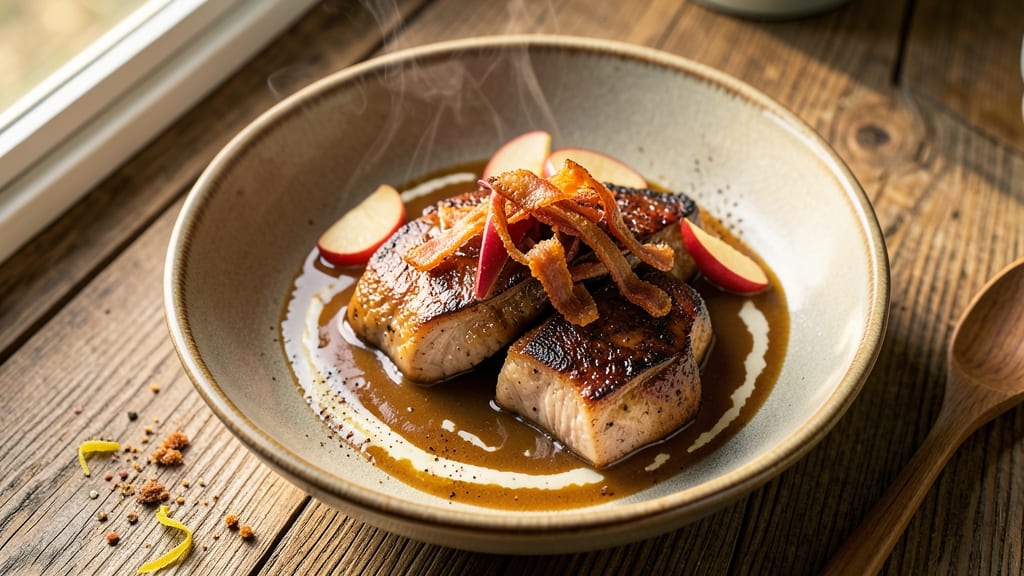
This apple cider gravy recipe for pork transforms ordinary pork dishes into something extraordinary—smoky-sweet, velvety, and deeply flavorful. I developed it after years of perfecting the balance between apple cider's natural sweetness and the deep, savory notes that make pork shine.
The secret lies in reducing the cider with pork drippings, creating a rich glaze that locks in moisture while adding complexity.
What sets this gravy apart is its versatility—it works equally well with roasted pork chops, pulled pork, or even pork tenderloin. The apple cider adds a subtle tartness that cuts through the richness of pork, while a touch of Dijon mustard and smoked paprika deepens the flavor profile.
It’s not just a sauce; it’s the star of the meal, elevating every bite with its silky texture and layered taste.
The process is straightforward but requires patience—allowing the cider to reduce slowly ensures a concentrated, flavorful sauce without overpowering the pork. A cornstarch slurry thickens it to the perfect consistency, ensuring it coats every forkful beautifully.
This isn’t just gravy; it’s a moisture-locking glaze that keeps pork tender and irresistibly juicy.
Once mastered, this gravy becomes a game-changer for pork dishes, turning simple meals into something restaurant-worthy. The best part? It’s easy to adapt—swap in pear cider for a lighter touch or add a splash of bourbon for extra depth. Let’s get cooking!
Ingredients for apple cider gravy recipe for pork
Ten ingredients to transform pork into a restaurant-worthy masterpiece.
| Ingredient | Amount | Notes |
|---|---|---|
| Apple Cider 🍎 | 2 cups | Unfiltered for best flavor |
| Pork Drippings 🥩 | 1 ½ cups | From roasted pork (or substitute with butter) |
| Cornstarch 🌾 | 2 tbsp | For smooth thickening |
| Cold Water 💧 | 2 tbsp | For cornstarch slurry |
| Dijon Mustard 🍽️ | 1 tbsp | For depth of flavor |
| Smoked Paprika 🌶️ | 1 tsp | For smoky richness |
| Fresh Thyme Leaves 🌿 | ½ tsp | Or 1/4 tsp dried thyme |
| Black Peppercorns 🌶️ | ¼ tsp | Freshly cracked preferred |
| Salt 🧂 | ½ tsp | Kosher or sea salt |
| Unsalted Butter 🧈 | 2 tbsp | For finishing richness |
The apple cider is the heart of this gravy—unfiltered cider has the best flavor, but filtered works in a pinch. For pork drippings, roast your pork until golden brown for the most flavorful base. If you don’t have enough drippings, butter works perfectly—just use the same amount. The cornstarch slurry is non-negotiable for that silky texture; whisk it thoroughly to avoid lumps. I always grab Bob’s Red Mill cornstarch from the baking aisle—it’s reliable and affordable. For the cider, Mott’s or Woodchuck are solid choices, but any unfiltered variety will do.
No apple cider? Pear cider or even apple juice works, though the flavor will be slightly sweeter. Short on thyme? Dried thyme at half the amount is fine, but fresh is ideal. The smoked paprika adds depth—if you can’t find it, regular paprika with a pinch of liquid smoke mimics the effect. For a richer finish, swap the butter for brown butter. The Dijon mustard is key for that tangy kick; if you’re out, yellow mustard in a pinch works, but it’s not as refined. Always taste as you go—the gravy should balance sweetness and savory notes perfectly.
This gravy reheats beautifully—simply warm on the stove with a splash of water or cider to loosen. Store in an airtight container in the fridge for up to 5 days or freeze for 3 months. I like to portion it into small containers so I can grab just what I need for a quick meal. For best results, bring it to a simmer before serving—this helps the flavors meld and the texture become velvety. The gravy thickens as it cools, so don’t worry if it looks too thin right after making it.
Why You'll Love This Recipe
- Pantry Magic: I swear by this recipe because it turns basic ingredients into something special. A splash of apple cider and pork drippings? That’s all you need to make ordinary pork chops feel like a fall feast.
- Rich Without Effort: The Dijon mustard adds a tangy depth, while the cornstarch slurry thickens it just right—no lumps, no fuss. Honestly, it’s the kind of gravy that makes you pause mid-bite and think, "Wait, is this from scratch?"
- Weeknight Hero: This works over roasted pork, fried chops, or even mashed potatoes. I’ve used it for Thanksgiving leftovers, lazy Sunday breakfasts, and even as a dipping sauce for biscuits. (Yes, even on a Tuesday night.)
- Leftovers That Shine: The flavor actually improves the next day—better than takeout, honestly. And since it’s made from drippings, it’s budget-friendly without tasting cheap. My secret weapon for stretching a meal.
Step-by-step instructions for apple cider gravy for pork
Here's how to create a rich, velvety glaze that clings perfectly to roasted pork.
Prepare the Cornstarch Slurry
In a small bowl, whisk together the 2 tablespoons cornstarch and 2 tablespoons cold water until completely dissolved. This creates a smooth slurry that will thicken the gravy without clumping. The cold water is crucial—it prevents the cornstarch from activating prematurely in the hot pan.
Set the bowl aside while you heat the pork drippings. I like to use a whisk for this step to ensure there are no lumps. If any cornstarch remains undissolved, it will create a gritty texture in your finished gravy. Stir vigorously for about 30 seconds until the mixture is completely smooth and uniform.
Sauté Aromatics in Pork Drippings
Pour the 1.5 cups pork drippings into a saucepan over medium heat. Once the drippings begin to bubble gently, add the 1 tablespoon Dijon mustard, 1 teaspoon smoked paprika, 0.5 teaspoon fresh thyme leaves, 0.25 teaspoon black peppercorns, and 0.5 teaspoon salt. Stir constantly for 2-3 minutes until the mixture becomes fragrant and the spices are toasted.
This step develops the gravy's complex flavor profile. You'll notice the thyme leaves will release their aroma first, followed by the smoky depth from the paprika. The Dijon mustard adds a subtle tang that balances the sweetness of the apple cider. Keep the heat at medium—too high will burn the spices before they release their flavors.
Simmer and Thicken the Gravy
Gradually pour in the 2 cups apple cider while whisking continuously to prevent scorching. Bring the mixture to a gentle simmer and let it cook uncovered for 5-7 minutes, stirring occasionally. This allows the alcohol in the cider to evaporate, leaving behind a concentrated apple flavor.
Once the mixture begins to thicken slightly, slowly pour in the cornstarch slurry while whisking vigorously. Continue whisking for another 2-3 minutes until the gravy reaches your desired consistency—it should coat the back of a spoon but still be pourable. The gravy should be smooth and velvety, with no visible cornstarch particles.
Finish with Butter for Richness
Reduce the heat to low and stir in the 2 tablespoons unsalted butter. Let the gravy simmer gently for 1 minute to allow the butter to melt completely and blend smoothly. This final step adds luxurious richness that complements the smoky-sweet flavors.
The butter should disappear completely into the gravy, creating a glossy finish. Taste and adjust seasoning if needed—you might need a pinch more salt to balance the sweetness of the apple cider. The gravy should be perfectly balanced between the smoky spices, sweet cider, and rich pork drippings.
Serve Immediately Over Pork
Transfer the gravy to a warmed serving dish and keep it at a gentle simmer until ready to serve. The gravy will thicken slightly more as it stands, so it's important to serve it while still warm. Pour generously over the roasted pork, letting it cascade over the meat to create an impressive presentation.
Each spoonful should be rich, velvety, and perfectly balanced in sweetness and smokiness. The gravy should cling beautifully to the pork, enhancing its natural juices and creating a cohesive dining experience. Serve immediately with roasted pork and your choice of sides for a complete meal.
Pro Tips For Making Apple Cider Gravy Recipe For Pork
- STRAIN THE DRIPPINGS HOT: Don’t let the pork drippings cool even a little before straining—fat and solids thicken fast, and you’ll end up with a greasy mess instead of smooth gravy. Use a fine-mesh sieve or cheesecloth, and pour while the pan’s still warm (but not smoking).
- WHISK THE SLURRY FAST: Mix your cornstarch and cold water into a paste before adding it to the pan—no lumps, no scrambling. I used to add it dry and watch it clump like glue; now I stir it into the cider first, then let it cook for 30 seconds before adding the pork drippings.
- SALT THE CIDER FIRST: Apple cider is already tangy, but unsalted pork drippings make the gravy taste flat. Toss in a pinch of salt (½ tsp per cup of cider) while you’re deglazing the pan—it blends in better than adding it later, and you won’t overdo it.
- DEGLAZE WITH A SPLASH OF WATER: The pork drippings won’t release easily from a dry pan. Add ¼ cup hot water first to loosen the browned bits, then pour in the apple cider—you’ll get more flavor and less scrambling to scrape up the goodness.
Wine and beer pairings for this apple cider gravy recipe for pork
Red Wine Pairings
For this apple cider gravy, I reach for a dry red wine with enough acidity to stand up to the sauce's sweetness. A Pinot Noir from Oregon—like the one I picked up at New Seasons Market—works beautifully.
Its bright cherry notes and subtle earthiness complement the smoky paprika and apple cider without overpowering them. The wine's acidity also cleanses your palate between bites of rich pork. 🍷
Crisp White Wine
If you prefer white wine, a dry Riesling from Germany or Washington State is my go-to. The slight tartness mirrors the apple cider's acidity, creating harmony. Look for a Kabinett-level Riesling—it's crisp enough to balance the gravy's richness while adding a refreshing contrast.
A chilled glass enhances the dining experience, especially with roasted pork tenderloin.
Beer Pairings
For beer lovers, a Belgian-style witbier like Hoegaarden or Blue Moon pairs wonderfully. The citrusy notes and coriander from the beer cut through the gravy's sweetness, while the effervescence cleanses your palate.
If you prefer darker beers, a amber ale with caramel and toasted malt flavors complements the apple cider's depth. 🍺
Cider Cocktail Twist
Want to keep it seasonal? Mix ½ cup apple cider with 1 oz bourbon, a splash of ginger beer, and a cinnamon stick for a warm cocktail. Serve alongside the gravy—it's like dessert and dinner had a delicious baby.
The bourbon adds warmth, while the ginger beer's spice echoes the smoked paprika in the gravy. Perfect for fall gatherings!
Non-Alcoholic Options
Don’t drink alcohol? No problem. A sparkling apple cider (like Martinelli’s) chilled to 45°F mimics the wine’s acidity. For a non-fizzy option, try cold-pressed green tea—its subtle bitterness balances the gravy’s sweetness. I also love a ginger-lime soda with a splash of cider for a refreshing contrast. 💛
Nutrition facts
Frequently asked questions
Can I use this gravy with other meats besides pork?
The apple cider base makes this gravy particularly well-suited for pork, but it works beautifully with chicken, duck, or even beef! For poultry, reduce the smoked paprika to ½ teaspoon to avoid overpowering the natural flavors. With beef, consider adding 1 teaspoon Worcestershire sauce to deepen the umami notes.
What if I don’t have pork drippings?
No problem! Simply substitute with an equal amount of unsalted butter or a mix of butter and olive oil (like 1 cup butter + ½ cup oil). For extra flavor, add 1 teaspoon bacon fat to the pork drippings substitute. The gravy will still turn out rich and delicious—just slightly less pork-forward.
How do I fix gravy that’s too thin or too thick?
For thin gravy, whisk in 1 teaspoon cornstarch mixed with 1 tablespoon water and simmer for 1-2 minutes. For thick gravy, thin it with 1-2 tablespoons warm apple cider or water while whisking constantly. The key is gradual adjustments—add a little at a time to avoid ruining the balance of flavors.
Can I make this gravy ahead of time?
Store it in an airtight container in the fridge for up to 5 days or freeze for 3 months. To reheat, warm it gently on the stove with a splash of cider or water to loosen the texture. For best results, reheat only until warm—overcooking can make it grainy. I like to portion it into small containers for easy grab-and-go meals.
What’s the secret to balancing the sweetness?
The magic lies in the Dijon mustard and smoked paprika—they add tangy and smoky depth that cuts through the apple cider’s sweetness. Taste as you go and adjust with a pinch of salt or a splash of apple cider vinegar if needed. The gravy should finish with a harmonious blend of sweet, savory, and slightly tangy notes.