
Sauces & Condiments
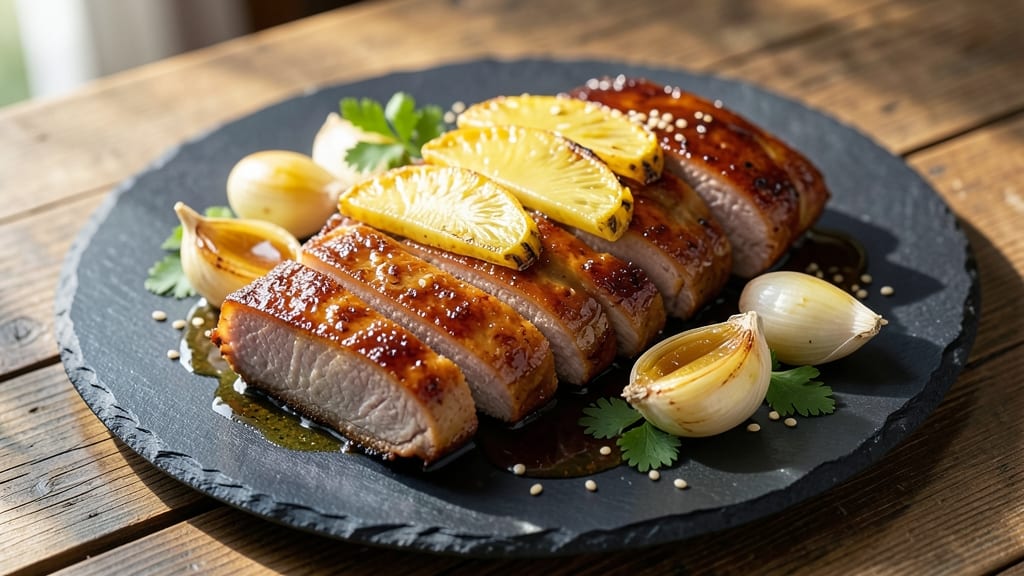
This pineapple glazed pork loin delivers restaurant-quality caramelized sweetness with crispy edges that'll have your guests asking for seconds. 🔥 I've perfected this technique after years of balancing pork's natural richness with tropical pineapple's tangy brightness—it's the kind of dish that transforms simple weeknight dinners into special occasions. The secret lies in the glaze: simmered until thick and sticky, it creates that signature glossy finish while keeping the meat impossibly tender inside.
What makes this recipe truly special is the marinating process, where the pork absorbs just enough of that sweet-tart flavor before hitting the heat. We're talking about crispy edges that shatter when you cut in, paired with juicy meat that practically melts in your mouth.
The glaze isn't just for show—it develops complex caramelized notes when reduced properly, creating layers of flavor that cut through the pork's richness perfectly. This isn't your average sweet-and-sour dish; it's a carefully balanced harmony where every bite delivers both sweet and savory notes.
By the time you're serving this up, you'll have a pork loin that's golden-brown and glistening under the lights, with that irresistible caramelized crust. The pineapple glaze clings beautifully to the meat, offering bursts of tropical sweetness with every bite while the pork's natural flavor shines through.
It's the kind of dish that works equally well for family dinners or impressing guests—just make sure to let it rest properly before slicing so those juices stay locked inside.
The best part? This recipe scales perfectly whether you're cooking for four or feeding a crowd. Pair it with roasted sweet potatoes or a simple green salad to round out the meal, and you've got a complete dinner that'll have everyone coming back for more.
Let's get cooking—your taste buds will thank you.
Ingredients for pineapple glazed pork loin
Sweet, tangy, and perfectly crispy—just 13 ingredients transform pork loin into a showstopper.
| Ingredient | Amount | Notes |
|---|---|---|
| Pork Loin 🥩 | 2 lb | Center-cut, 1.5-inch thick |
| Fresh Pineapple 🍍 | 1 cup | Chopped, fresh or canned (crushed) |
| Brown Sugar 🍚 | ½ cup | Packed, light or dark |
| Soy Sauce 🥢 | ¼ cup | Low-sodium preferred |
| Honey 🍯 | ¼ cup | Wildflower or clover |
| Garlic Cloves 🧄 | 6 cloves | Minced, fresh preferred |
| Fresh Ginger 🌿 | 1 tbsp | Grated, peeled |
| Olive Oil 🫒 | 2 tbsp | Extra-virgin, for searing |
| Cornstarch 🌾 | 1 tbsp | For glaze thickening |
| Salt 🧂 | 1 ½ tsp | Kosher or sea salt |
| Black Pepper 🌶️ | ½ tsp | Freshly ground |
| Red Wine Vinegar 🍷 | 1 tbsp | For tangy depth |
| Fresh Cilantro 🌿 | ¼ cup | Chopped, for garnish |
The pork loin is your canvas here. Center-cut is key—it stays juicy while the edges crisp. I grab mine from Whole Foods or the butcher section at Kroger, where they cut it to 1.5-inch thickness for even cooking. Fresh pineapple makes all the difference—canned crushed pineapple works in a pinch, but fresh has that bright, juicy punch. For the glaze, brown sugar adds caramel depth, while honey and soy sauce create that perfect sweet-savory balance. Wildflower honey has subtle floral notes that complement the pineapple beautifully—trust me on this.
No fresh ginger? Ground ginger at half the amount gets you close, but fresh is ideal. Short on honey? Maple syrup works one-for-one. The cornstarch is non-negotiable for that glossy, thick glaze—it's what makes it cling to the pork. If you're feeling fancy, substitute a splash of balsamic vinegar for the red wine vinegar for extra depth. For the garlic, I always use fresh—pre-minced garlic from the jar has less punch. And if you're serving a crowd, double the glaze ingredients and keep them warm in a slow cooker on low heat.
This glaze reheats beautifully—simmer it gently on the stove for 2-3 minutes before serving. The pork keeps 3-4 days in the fridge, wrapped tightly in plastic. For leftovers, slice thinly and serve over rice or noodles. Freezes for 2 months if portioned in airtight containers. Pro tip: Let the pork rest 10 minutes after roasting—this keeps it juicy when sliced. Garnish with fresh cilantro right before serving to keep it vibrant.
Why You'll Love This Recipe
- One-Pan Magic: I swear by this recipe because it’s that easy—just sear the pork, toss in the pineapple chunks and glaze, then let the oven do the work. No chopping boards full of scraps, no fancy techniques, just sticky-sweet perfection with minimal elbow grease.
- Sweet-Savory Balance: That glaze? It’s where the magic happens—brown sugar and honey caramelize into something rich, while the pineapple’s tang cuts through the pork’s richness. Soy sauce ties it all together like a hug from a food scientist who really knows flavors.
- Weeknight to Weekend: Between us, this feeds a crowd without stressing me out. Double the glaze for leftovers that taste just as good cold in sandwiches or reheated over rice. Honestly, it’s my go-to for potlucks or lazy Sundays when I don’t want to slave over a meal.
- Budget-Friendly Luxury: Pork loin is affordable, pineapple’s cheap when you buy it whole, and the glaze uses pantry staples. I’ve made this for under $10 per serving, and it still feels like a restaurant-worthy dish. That’s the kind of value I’ll take any day.
Step-by-step instructions for pineapple glazed pork loin
Here's how to create that perfect balance of caramelized sweetness and crispy edges.
🔥 Step 1: Sear the Pork Loin for Maximum Flavor
Heat a heavy skillet over medium-high heat and add the 2 tablespoons olive oil. Once shimmering, place the 2 lb pork loin in the pan, fat-side down. Press gently with a spatula to ensure full contact—this prevents curling and creates even browning.
Sear for 4-5 minutes until the bottom develops a deep golden-brown crust. Flip carefully and sear the other side for another 4-5 minutes. You'll know it's ready when it releases easily from the pan and the internal temperature reaches 145°F (use a meat thermometer). Remove from pan and let rest on a plate for 5 minutes—this keeps the juices inside where they belong.
👨🍳 Step 2: Create the Pineapple Glaze
In a medium saucepan, combine the 1 cup chopped fresh pineapple, 0.5 cup packed brown sugar, 0.25 cup soy sauce, 0.25 cup honey, 6 cloves minced garlic, 1 tablespoon grated fresh ginger, and 1 tablespoon red wine vinegar. Bring to a simmer over medium heat.
Let it cook for 8-10 minutes until the mixture reduces by about half and becomes syrupy. The aroma should be rich and complex—sweet pineapple with a hint of tangy vinegar and umami from the soy sauce. In a small bowl, whisk together the 1 tablespoon cornstarch with 2 tablespoons water to make a slurry. Stir this into the glaze and cook for another 2-3 minutes until it thickens slightly.
🥘 Step 3: Glaze and Caramelize the Pork
Return the rested pork loin to the skillet (discard any excess fat if needed) and pour the pineapple glaze evenly over the top. Increase heat to medium-high and spoon the glaze over the pork for 2-3 minutes until it starts to bubble and caramelize. Reduce heat to medium and continue basting for another 5-6 minutes, turning occasionally.
You're looking for a glossy, sticky glaze that's deep golden brown in spots—this is where the magic happens. The pork should be cooked through to 145°F internally (it will rise to 150°F while resting). If the glaze thickens too much, add 1-2 tablespoons water to maintain that perfect consistency.
🍽️ Step 4: Rest and Garnish for Perfect Presentation
Transfer the glazed pork to a cutting board and let it rest for 10 minutes before slicing. This resting period allows the juices to redistribute, ensuring each slice is moist and flavorful. While it rests, you can prepare your sides—roasted vegetables or a simple salad would complement this dish beautifully.
Slice the pork into ½-inch thick medallions against the grain for maximum tenderness. Garnish each serving with the 0.25 cup chopped fresh cilantro just before serving. The bright green color will contrast beautifully with the caramelized glaze and give that final fresh finish. Serve immediately with any reserved pan juices spooned over the top.
Pro Tips For Making Pineapple Glazed Pork Loin
- SEAR THE PORK FIRST: Don’t skip the initial sear—crank your pan to medium-high and let those edges turn golden before adding liquid. I used to rush this, and the pork ended up bland instead of caramelized. Two minutes per side with a splash of oil makes all the difference when the glaze goes on later.
- USE COLD PINEAPPLE JUICE: Chill the pineapple juice (or blend fresh chunks with ice) before mixing it into the glaze. Cold liquid keeps the pork from steaming and turning soggy when it hits the pan. Trust me, your glaze will stick better and caramelize faster—no more sticky, watery mess.
- BURN THE GLaze HALFWAY: Let the glaze reduce to a thick, syrupy consistency before basting the pork—it should coat the back of a spoon and leave a dark streak. I learned this the hard way after serving a glaze that was more like syrup. Patience here guarantees a sticky, flavor-packed crust.
- SALT THE PORK 2 HOURS EARLY: Season the pork loin generously with salt (about 1 teaspoon per pound) and let it sit uncovered in the fridge. This draws out moisture, so the glaze actually clings instead of sliding off. Yes, it’s an extra step, but your pork will stay juicy and absorb the flavors deeper.
Regional styles of these flavors
Southern BBQ Style
In the Southeast, we take pineapple glazed pork loin and give it that smoky, slow-cooked soul. I remember my first time at a Charleston pig roast where they'd braise the pork with pineapple and a touch of hickory smoke—it was a game-changer.
Here, you'd wrap the pork in butcher paper after glazing and smoke it at 225°F for 3-4 hours until the glaze turns deep amber and sticky. The result? A tender, smoky-sweet masterpiece that's perfect for tailgates or family gatherings. 🌶️
For an authentic touch, add ½ teaspoon smoked paprika and ¼ teaspoon cayenne pepper to the glaze before simmering. Serve with cornbread and collard greens for a full Southern experience. I still use this method for my farm-raised pork—it's become a staple at The Smoky Pig.
Hawaiian Fusion Twist
Over in Hawaii, they take this dish to tropical heights by adding teriyaki sauce to the glaze and finishing with a sprinkle of toasted coconut flakes. The recipe stays the same, but the presentation changes—think of it as a main dish for luau-style feasts.
I've adapted this version using 1 tablespoon teriyaki sauce mixed into the glaze and toasting 2 tablespoons coconut flakes in a dry pan until golden.
Pair it with grilled pineapple slices on the side and serve over jasmine rice for an island-inspired meal. The combination of sweet, smoky, and nutty flavors creates a perfect balance that's as visually stunning as it is delicious.
This version is especially popular during summer months when we want to bring that beachy vibe indoors. 🌺
Caribbean Jerk-Inspired
For a spicier kick, channel Caribbean flavors by adding scotch bonnet peppers and allspice to the glaze. I like to blend 1 scotch bonnet pepper (seeds removed for less heat) with the pineapple and simmer it until the flavors meld together.
Add 1 teaspoon ground allspice and ½ teaspoon nutmeg to the glaze for that signature jerk seasoning.
This version works beautifully with grilled plantains and black beans. The heat from the scotch bonnet balances the sweetness of the pineapple while the allspice adds a warm, aromatic depth.
It's a fantastic option if you're serving a crowd that loves bold flavors—just be sure to have some cool yogurt or rice on hand to help tame the heat. 🔥
Midwestern Sweet & Tangy
Back in the Midwest, they keep the pineapple glaze but add a tangy twist with apple cider vinegar and a touch of mustard. I've seen this version served at state fairs where the glaze is thickened with apple butter.
The result is a pork loin that's sweet, tangy, and slightly tangy—perfect for cooler weather when you want something comforting yet flavorful.
For this adaptation, replace the red wine vinegar with 1 tablespoon apple cider vinegar and stir in 1 teaspoon Dijon mustard. Serve with roasted sweet potatoes.
The apple cider vinegar adds a bright acidity that cuts through the richness of the pork and complements the sweetness of the pineapple beautifully. This version is a crowd-pleaser at family gatherings and holiday dinners. 🍎
Nutrition facts
Frequently asked questions
Can I substitute canned pineapple for fresh?
Yes, but there's a trick! Use 1 cup crushed pineapple (with juice) and add 1 extra tablespoon cornstarch to thicken the glaze. Drain well first to avoid excess moisture. Fresh pineapple gives brighter flavor, but canned works in a pinch—just reduce simmering time by 2 minutes since canned versions are pre-cooked.
How do I prevent the pork from drying out?
Never skip the 10-minute rest after cooking—this is crucial for juicy slices! Also, use a meat thermometer and remove pork at 145°F (it'll rise to 150°F while resting). For thicker cuts (>1.5"), add 5 minutes to roasting time. The glaze helps lock in moisture, but don't overcook!
What's the best way to reheat leftovers?
Slice the pork first, then reheat in a skillet with 1 tablespoon butter over low heat for 3-4 minutes per side. Add 2 tablespoons water to prevent drying. For glaze, warm it separately in a saucepan over medium heat until bubbly—it reheats beautifully! Leftovers keep 3-4 days refrigerated or 2 months frozen.
Can I make this in a slow cooker?
Sear the pork first, then place it in the slow cooker with the glaze ingredients (except cornstarch). Cook on low for 6-7 hours or high for 3-4 hours. Add the cornstarch slurry during the last 30 minutes to thicken. The slow cooker method gives extra tender meat—perfect for busy days!
Why did my glaze turn out too runny?
This usually happens from one of two things: not reducing long enough or adding too much liquid. For next time, simmer uncovered until reduced by half (about 12-15 minutes total), then stir in the cornstarch slurry. If it's still too thin, mix 1 teaspoon cornstarch with 1 teaspoon water and stir in while heating.