
Sauces & Condiments
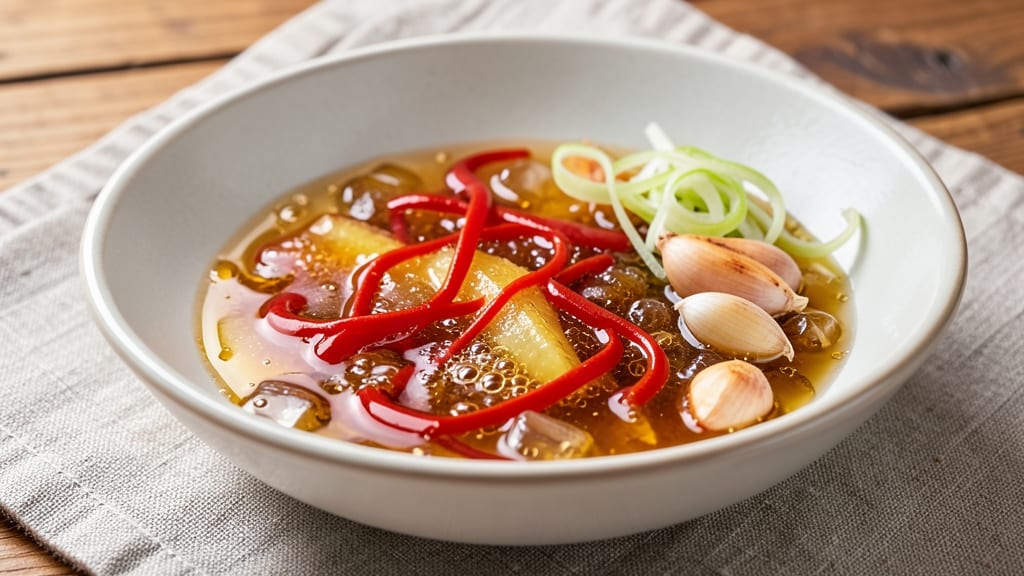
This Chinese sweet and sour sauce recipe with pineapple juice delivers the perfect tart-sweet balance that elevates stir-fries, roasted meats, and even grilled chicken. The secret lies in carefully balancing pineapple juice, vinegar, and sugar to create a glossy, flavorful sauce that clings beautifully to proteins and vegetables.
I developed this version after testing countless recipes—this one cuts through richness while adding vibrant sweetness that lingers.
The sauce builds flavor in layers: a base of ketchup and vinegar provides tang, while pineapple juice adds natural sweetness and depth. A touch of ginger and garlic ensures complexity, and cornstarch creates that signature silky texture.
Unlike store-bought versions, this recipe uses fresh ingredients for a brighter, more authentic taste that stands up to bold flavors.
What makes this sauce truly versatile is its ability to transform simple dishes into restaurant-quality meals. Use it as a dipping sauce for spring rolls, a glaze for roasted pork, or a marinade for tofu.
The sauce keeps well in the refrigerator for up to 2 weeks, making it perfect for meal prep. With just 10 minutes of active prep, you'll have a sauce that's foolproof and packed with flavor.
For extra depth, let the sauce sit for 30 minutes before using—this allows the flavors to meld perfectly. The result? A glossy, tangy-sweet sauce that's impossible to resist. Whether you're cooking for a crowd or treating yourself to a special meal, this recipe delivers every time.
Ingredients for chinese sweet and sour sauce recipe pineapple juice
Ten essential ingredients deliver restaurant-quality tart-sweet balance for your stir-fries and proteins.
| Ingredient | Amount | Notes |
|---|---|---|
| Ketchup 🍅 | ½ cup | High-quality, unsweetened preferred |
| Pineapple Juice 🍍 | ½ cup | Freshly squeezed for brightness |
| Rice Vinegar 🍶 | ¼ cup | White or seasoned variety |
| Granulated Sugar 🍚 | ¼ cup | White or light brown sugar |
| Fresh Ginger 🌿 | 1 ½ tbsp | Finely grated, aromatic |
| Garlic Cloves 🧄 | 2 cloves | Minced, aromatic |
| Cornstarch 🌾 | 1 tbsp | For thickening consistency |
| Water 💧 | ¼ cup | Room temperature preferred |
| Salt 🧂 | ½ tsp | Diamond Crystal preferred |
| Black Pepper 🌶️ | ¼ tsp | Freshly ground for aroma |
The ketchup and pineapple juice form the sauce's vibrant foundation. For optimal flavor, use Heinz unsweetened ketchup—it has less added sugar than most brands, letting the pineapple shine. Fresh pineapple juice from Trader Joe's or Whole Foods ensures bright, tropical notes, but bottled brands like Del Monte work in a pinch. The rice vinegar should be mildly acidic; if you prefer tangier, add an extra tablespoon. Ginger and garlic are non-negotiable for depth—freshly grated ginger (not powdered) and minced garlic create complexity that jarred pastes can't match. Store vinegar in a cool, dark place to preserve its acidity.
No fresh ginger? Ground ginger at half the amount works, though texture suffers. Substitute garlic with 1 tsp garlic powder, but expect less aroma. Running low on ketchup? Tomato paste thinned with water mimics the tang, though it lacks sweetness. For a smoother sauce, blend all ingredients before cooking, but traditionalists swear by the rustic texture of whisking. The cornstarch-water slurry is critical—mix thoroughly to avoid clumps. If you're gluten-sensitive, cornstarch can be swapped for arrowroot powder at the same ratio. Salt and pepper should be Diamond Crystal or Morton's for reliable flavor.
This sauce thickens as it cools, so stir occasionally while simmering to maintain consistency. For meal prep, store in an airtight container in the fridge for up to 2 weeks. Freeze for 3 months by portioning into ice cube trays—perfect for batch cooking. The sauce's flavor deepens when rested, so let it sit 30 minutes before serving. If it thickens too much, whisk in a splash of water. For extra shine, drizzle with a teaspoon of toasted sesame oil before serving.
Why You'll Love This Recipe
- Pantry Magic: I swear by this sauce because it uses stuff I already have—no special trips to the store. That ketchup and pineapple juice combo? Instant tangy-sweet magic with zero fuss.
- Ginger Zing: Between us, the fresh ginger is what makes this sauce pop—sharp, bright, and just a little spicy. It cuts through the sweetness like a knife, and honestly? That’s what turns this from "okay" to "I need more."
- Weeknight Workhorse: Drizzle it on fried rice, toss it with chicken, or even use it as a marinade. I’ve made it for lazy Tuesdays, potlucks, and even as a quick glaze for roasted veggies—it’s the kind of sauce that doesn’t quit.
- Leftovers? More Like Leftovers?: This sauce keeps for weeks in the fridge, and it improves over time. I’ll be real: I’ve had a jar sit too long, and somehow it still tastes better than the first batch. (Yes, even on a Tuesday night.)
Step-by-step instructions for Chinese sweet and sour sauce
Master this classic sauce with a perfect tart-sweet balance using precise techniques and fresh ingredients.
Prepare Aromatics and Base Ingredients
In a medium saucepan, combine the 0.5 cup ketchup, 0.5 cup pineapple juice, 0.25 cup rice vinegar, and 0.25 cup granulated sugar. Bring the mixture to a gentle simmer over medium heat, stirring constantly until the sugar fully dissolves and the mixture becomes smooth. This step ensures all flavors meld together before adding the aromatics.
While the base heats, finely grate the 1.5 tablespoons fresh ginger and mince the 2 cloves garlic. Add these to the simmering mixture and cook for 3-4 minutes until the garlic becomes fragrant but doesn't brown. The ginger should infuse its bright, zesty notes into the sauce, creating the aromatic foundation for this dish.
Thicken the Sauce Properly
In a small bowl, whisk together the 1 tablespoon cornstarch and 0.25 cup water until the cornstarch is completely dissolved—this creates a smooth slurry that will thicken the sauce evenly. Slowly pour this mixture into the simmering sauce while stirring continuously with a wooden spoon.
Return the heat to medium-low and let the sauce simmer for 5-7 minutes, stirring frequently, until it reaches your desired consistency. You're aiming for a glossy, coatable texture that clings beautifully to stir-fried proteins and vegetables. If the sauce thickens too quickly, add 1 tablespoon water at a time until perfect.
Season and Finish the Sauce
Remove the sauce from heat and let it cool slightly for 2-3 minutes. This resting period allows the flavors to settle and prevents the sauce from continuing to thicken as it cools. Stir in the 0.5 teaspoon salt and 0.25 teaspoon black pepper, tasting as you go to ensure proper seasoning.
For optimal results, strain the sauce through a fine-mesh sieve to remove any ginger fibers or garlic bits, leaving you with a silky-smooth sauce. Taste again and adjust the seasoning if needed—you might want to add a touch more sugar to balance the acidity or a splash of rice vinegar for extra tang. The sauce should be vibrant, glossy, and perfectly balanced between sweet and sour.
Use Immediately or Store Properly
This sauce is best used immediately for stir-fries, glazing proteins, or drizzling over rice dishes. However, if you need to store it, transfer to an airtight container and refrigerate for up to 5 days. Before using, reheat gently over low heat, stirring frequently, until warmed through but not boiling to preserve its texture.
For best flavor, use the sauce within 24 hours of making it. The fresh pineapple juice and ginger will lose their brightness over time, so plan to use this vibrant sauce while it's at its peak. When ready to use, reheat gently and adjust seasoning if needed before incorporating into your dish.
Pro Tips For Making Chinese Sweet And Sour Sauce Recipe Pineapple Juice
- Simmer, Don’t Boil: The second your sauce hits the stove, keep it at a gentle simmer—not a rolling boil. I learned this the hard way when my first batch turned into a sad, watery glaze instead of a glossy, balanced sauce. Pineapple juice evaporates fast, and boiling will make it split or turn cloudy. Stir often and let it mellow.
- Grate, Then Toast: Fresh ginger is non-negotiable here, but don’t just toss in raw chunks. Grate it fine, then dry-toast in a dry pan for 30 seconds until fragrant—it deepens the flavor without bitterness. Skip this, and your sauce will taste flat, like someone forgot the spice cabinet.
- Balance the Vinegar: Rice vinegar is the wild card—too much and your sauce tastes like a pickle, too little and it’s cloyingly sweet. Start with half the amount listed, taste, then add more in ½-teaspoon increments. My shortcut? Mix the vinegar with the sugar first; the sugar mellows the acidity before it hits the heat.
- Strain the Ketchup: Store-bought ketchup is thick with seeds and bits that turn your sauce grainy. Pour it through a fine-mesh strainer or even a clean tea towel into a bowl before adding it to the pot. Yes, it’s an extra step, but your sauce will look restaurant-worthy and taste smoother.
Essential equipment for perfect results
Small Saucepan
I always use a 3-quart stainless steel saucepan for this recipe—it provides enough surface area to prevent scorching while allowing the sauce to simmer evenly. A nonstick pan works too, but stainless steel gives better heat distribution.
Avoid aluminum pans, as they can react with acidic ingredients like rice vinegar and alter the flavor. A medium-sized pan (about 8-10 inches in diameter) is ideal for preventing overflow while stirring. 🔥
Wooden Spoon
A silicone or wooden spoon is essential for stirring this sauce. Wooden spoons won’t scratch your pan and won’t conduct heat like metal, making them perfect for delicate sauces. I recommend a long-handled spoon (about 12 inches) to avoid splatters when simmering.
Avoid metal spoons—they can cause the sauce to thicken unevenly or even burn at the edges. A heat-resistant silicone spatula also works well for scraping up any stuck-on bits.
Fine-Mesh Sieve
For a silky-smooth sauce, I strain it through a fine-mesh sieve (like the OXO Good Grips brand) to remove any ginger fibers or garlic bits. This step is optional but makes a noticeable difference in texture. If you don’t have a sieve, a cheesecloth-lined colander works too.
Just be gentle—pressing too hard can break down the sauce’s consistency. A strainer with a tight mesh (around 200 microns) is ideal for balancing smoothness and efficiency. ✨
Mixing Bowls
You’ll need a small mixing bowl (about 1-quart capacity) for whisking the cornstarch slurry. I prefer glass or ceramic bowls because they’re non-reactive and easy to clean. A whisk (like the OXO Good Grips brand) is a must for dissolving the cornstarch completely—no lumps allowed!
For extra convenience, use a liquid measuring cup with a pour spout to mix the cornstarch and water, then transfer it directly to the saucepan. This keeps your workspace tidy and reduces mess.
Measuring Tools
Precision matters in this sauce, so invest in high-quality measuring tools. Use a liquid measuring cup with clear markings for the pineapple juice, rice vinegar, and water. For dry ingredients like sugar and cornstarch, a spoon rest and level measuring spoons (like OXO’s set) ensure accuracy.
A digital kitchen scale is optional but helpful for adjusting sugar or salt if you’re experimenting with variations. Never eyeball measurements—this sauce’s balance depends on them! 💡
Optional: Immersion Blender
For an ultra-smooth sauce, blend the ingredients directly in the saucepan using an immersion blender (like the Ninja PN600) after simmering. This eliminates the need for straining and creates a velvety texture.
If you don’t have one, a high-speed blender works too—just transfer the cooled sauce and blend until silky. Avoid food processors, as they can overheat the sauce and alter its consistency. This step is especially useful if you’re using chunky pineapple or ginger.
Nutrition facts
Frequently asked questions
Can I substitute bottled pineapple juice for fresh?
Yes, but fresh pineapple juice delivers brighter flavor. Use a high-quality bottled brand like Del Monte or Dole, but avoid brands with added preservatives. For extra depth, add ½ teaspoon lemon juice to mimic freshness. The sauce will still taste great, though the tropical notes will be slightly muted.
How do I adjust the sweetness if I prefer it less sugary?
Start by reducing the sugar to ¼ cup and taste after simmering. If still too sweet, add 1 tablespoon rice vinegar to balance. For a tangier profile, increase the vinegar by 1 teaspoon at a time until you reach your ideal ratio. The sauce can always be adjusted—just avoid adding water, which dilutes the flavor.
What's the best way to use this sauce beyond stir-fries?
This versatile sauce works as a marinade for chicken or pork, a glaze for roasted vegetables, or a dipping sauce for spring rolls. For marinades, reduce the sauce by half before applying. Try drizzling it over grilled shrimp or mixing into peanut sauce for extra depth. The pineapple juice adds natural sweetness that caramelizes beautifully when roasted.
Why did my sauce turn out too thin?
Most likely, the cornstarch didn't dissolve completely or the sauce didn't simmer long enough. For a quick fix, mix 1 teaspoon cornstarch with 1 tablespoon water, stir into the sauce, and simmer for 2-3 minutes. If it's still too thin, repeat. Always whisk the cornstarch slurry thoroughly to prevent clumps.
Can I make this sauce without ketchup?
Replace the ketchup with ¼ cup tomato paste + ¼ cup water for a deeper tomato flavor. For a fruitier alternative, use ½ cup crushed pineapple (drained) instead. The sauce will have a slightly different texture but still deliver that signature sweet-and-sour balance. Adjust sugar to taste after simmering.