
Main Courses
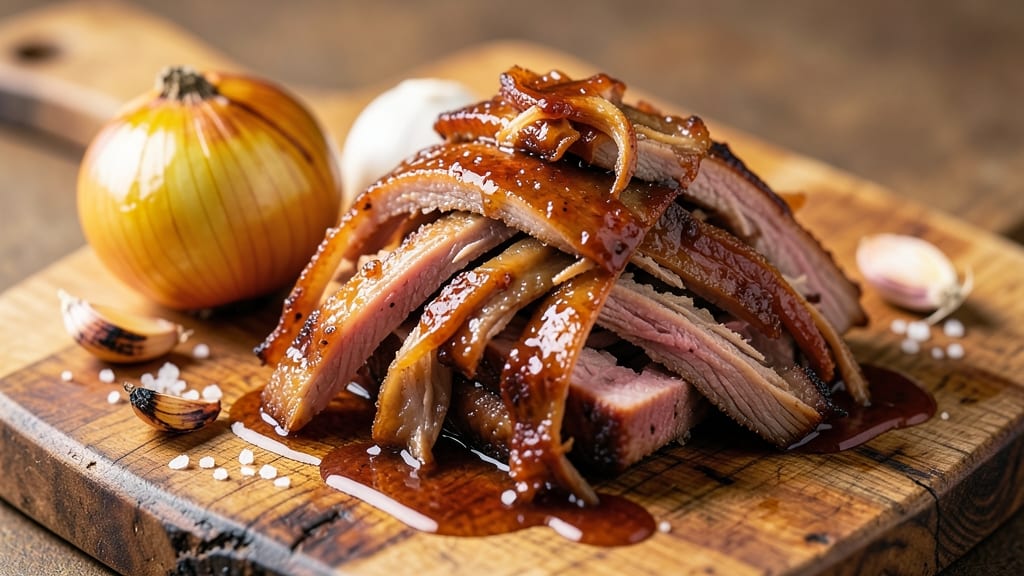
This pulled pork recipe with brown sugar and apple cider vinegar transforms tough pork shoulder into melt-in-your-mouth perfection. The combination of caramelized brown sugar and tangy apple cider vinegar creates a sauce that's both sweet and complex—think of it as a cross between classic BBQ and a tangy glaze.
I developed this recipe during a particularly chilly Portland winter when I needed a dish that could feed a crowd without spending all day in the kitchen.
The secret to achieving that ideal texture—tender yet shreddable—lies in slow cooking the pork until it falls apart easily. A simple rub of salt, pepper, and paprika on the outside gives way to the star ingredients: brown sugar for caramelized depth and apple cider vinegar for that signature tang.
This isn't just another pulled pork recipe; it's one that delivers restaurant-quality results with minimal effort.
By the time you're done, you'll have pulled pork that's so flavorful it disappears from the plate in minutes. The sauce clings to every bite, offering a perfect balance of sweetness and acidity that keeps your taste buds guessing.
Serve it on buns for sandwiches, over rice for bowls, or even as a hearty appetizer with crackers—this recipe is versatile enough to work for any occasion.
What makes this recipe truly special is how it transforms a simple cut of meat into something extraordinary. The brown sugar caramelizes beautifully during the cooking process, while the apple cider vinegar adds a bright, tangy contrast that cuts through the richness.
It's the kind of dish that gets better as it sits, allowing flavors to meld and deepen over time.
Ingredients for pulled pork recipe with brown sugar and apple cider vinegar
Eight essential ingredients transform a simple pork shoulder into restaurant-quality pulled pork with caramelized sweetness and tangy depth.
| Ingredient | Amount | Notes |
|---|---|---|
| Pork Shoulder (Bone-In) 🍖 | 5 lb | With fat cap for flavor |
| Light Brown Sugar 🍚 | 1 cup | Packed, not granulated |
| Apple Cider Vinegar 🍏 | ½ cup | Unfiltered for depth |
| Yellow Onion 🧅 | 1 whole | Chopped, medium size |
| Garlic Cloves 🧄 | 6 cloves | Peeled, rough chopped |
| Kosher Salt 🧂 | 2 tbsp | Diamond Crystal preferred |
| Ground Black Pepper 🌶️ | 1 tbsp | Freshly cracked |
| Smoked Paprika 🌶️ | 1 tbsp | For smoky depth |
| Chicken Broth 💧 | 1 ½ cups | Low-sodium preferred |
| Olive Oil 🫒 | 2 tbsp | For searing |
| Fresh Thyme 🌿 | 2 sprigs | Or 1 tsp dried |
| Fresh Rosemary 🌿 | 1 sprig | For aromatic depth |
The pork shoulder is the star—bone-in cuts develop more flavor during slow cooking. Look for well-marbled pieces at Costco or your butcher shop, where they can cut it to your preferred size. Brown sugar isn't just sweetness; it caramelizes beautifully during cooking, creating that signature glossy glaze. For apple cider vinegar, Mott's or Bragg are reliable choices, but any unfiltered variety adds that bright acidity. Fresh herbs like thyme and rosemary elevate the dish, but dried works in a pinch (use one-third the amount).
No smoked paprika? Regular paprika plus a pinch of liquid smoke gets you close. Short on chicken broth? Water plus a bouillon cube works, but the umami depth matters. The onion and garlic are non-negotiable—they form the flavor base. For a quicker prep, use pre-minced garlic from a jar, but fresh is always better. If you're feeding a crowd, double the batch—this recipe scales beautifully. The olive oil should be light or extra-virgin—don't use flavored varieties.
This dish tastes even better the next day as flavors meld. Store leftovers in an airtight container for up to 5 days in the fridge or 3 months frozen. For serving, reheat slowly in the sauce to keep it moist. I always make extra—it disappears fast. The sauce thickens as it cools, so add a splash of broth if it gets too stiff. Perfect for meal prep or crowd feeding.
Why You'll Love This Recipe
- Sweet-Savory Magic: The brown sugar and apple cider vinegar combo is next-level—caramelized edges with a tangy bite that keeps you reaching for more. Honestly, the first time I tasted this, I immediately doubled the batch.
- One-Pot Wonder: Just chop an onion, mince garlic, and dump everything on one sheet pan. The slow cooker does all the work while you sip wine or fold laundry—no fancy tools, no stress.
- Leftovers That Shine: This pork stays ridiculously good for days. I’ve reheated it in tacos, sandwiches, and even breakfast burritos—each time, it’s just as tender and packed with flavor.
- Budget-Friendly Crowd-Pleaser: A bone-in pork shoulder stretches further than you’d think, and the ingredients cost pennies. Between us, this is how I feed my family of five for under $20—and no one complains.
Step-by-step instructions for pulled pork with brown sugar and apple cider vinegar
This method delivers tender, caramelized pulled pork with perfect balance between sweet and tangy flavors.
Prepare and Season the Pork Shoulder
Remove the pork shoulder from the refrigerator and pat it dry completely with paper towels. I always work with room-temperature meat for even cooking, so let it sit uncovered on the counter for 30 minutes while you prepare the seasoning.
In a small bowl, combine the 1 cup light brown sugar, 2 tablespoons kosher salt, 1 tablespoon ground black pepper, 1 tablespoon smoked paprika, and 6 cloves rough chopped garlic cloves. Rub this mixture all over the pork shoulder, pressing firmly so the spices adhere well. The fat cap should be coated too—this will render down beautifully during cooking and create that coveted bark.
Place the seasoned pork shoulder fat-side up in a large Dutch oven or heavy pot. Add the 1 whole chopped yellow onion, 2 sprigs fresh thyme, and 1 sprig fresh rosemary around it. The aromatics will infuse the meat with flavor as it cooks.
Sear and Braise the Pork
Heat the 2 tablespoons olive oil in the Dutch oven over medium-high heat until shimmering. Carefully transfer the pork shoulder to the pot, fat-side down, and sear undisturbed for 5 minutes until a deep golden crust forms. Flip the pork and sear the other side for another 5 minutes.
Pour in the 0.5 cup apple cider vinegar and scrape up any browned bits from the bottom of the pot with a wooden spoon. These bits are packed with flavor that will dissolve into your pork. Add the 1.5 cups chicken broth and bring to a simmer. The liquid should come about halfway up the sides of the pork shoulder.
Cover the pot with a lid and transfer it to a 300°F oven. This low-and-slow temperature is crucial—it breaks down the connective tissue in the pork without drying it out. Cook for 3 hours, then check the internal temperature using a meat thermometer. It should read 160-165°F at this point, but don't be surprised if it hasn't quite reached that yet.
Finish Cooking and Shred the Pork
Once the pork reaches 160-165°F internally, remove it from the oven and let it rest for 30 minutes under the foil. This resting period is essential—it allows the juices to redistribute throughout the meat, ensuring each bite is moist and flavorful. During this time, the pork will continue to cook slightly, reaching a final internal temperature of about 195-205°F.
After resting, use two forks to shred the pork directly in the Dutch oven. Discard any large fat chunks or connective tissue. The pork should pull apart easily with minimal effort. If it's not quite tender enough, return it to the pot with the cooking liquid and let it simmer uncovered on the stovetop for another 10-15 minutes.
Taste the cooking liquid and adjust the seasoning if needed. The combination of caramelized brown sugar and tangy apple cider vinegar should create a complex, balanced sauce. If the sauce is too thin, simmer it uncovered for a few more minutes to reduce it slightly. If it's too thick, add a splash of water or more chicken broth to reach your desired consistency.
Serve with Confidence
Transfer the shredded pork to a serving dish and ladle the cooking liquid over the top. The pork should be fork-tender with a beautiful caramelized crust in places, and the sauce should coat each strand perfectly. Serve immediately with your favorite sides—crusty bread, coleslaw, or cornbread all pair wonderfully with this rich, flavorful pulled pork.
This method guarantees pulled pork that's tender enough to fall apart with a gentle tug, with a perfect balance of sweetness from the brown sugar and tang from the apple cider vinegar. The low-and-slow cooking process ensures maximum flavor extraction, while the searing step adds depth and complexity to every bite.
Pro Tips For Making Pulled Pork Recipe With Brown Sugar And Apple Cider Vinegar
- CRANK THE HEAT FIRST: Don’t start slow with this recipe—begin your pork shoulder in a screaming-hot oven (450°F) for 20 minutes to render fat fast and lock in moisture. I used to skip this, and my pork always ended up dry by the end, no matter how long I cooked it.
- CHAR THE ONIONS: Caramelize those onions until they’re deep brown, almost black at the edges—this isn’t just flavor, it’s the backbone of your sauce. Skip the rush and let them cook low and slow; I’ve burned them twice, and the smoke ruins the whole dish.
- DON’T SKIP THE VINEGAR REST: After adding apple cider vinegar to your braise, let the pork sit uncovered for 10 minutes before sealing the pot. This lets the acid work its magic on the meat’s surface, tenderizing it better than any long cook ever could.
- USE A MIXED-SIZE SUGAR CRUST: For that perfect sticky glaze, mix 2 tablespoons of light brown sugar with 1 tablespoon of dark for color, then sprinkle it on after the pork has rendered fat. The dark sugar caramelizes faster, giving you a deeper flavor without burning. (Yes, I’ve turned my kitchen into a smoke alarm over this.)
Dietary considerations for pulled pork recipe with brown sugar and apple cider vinegar
Gluten-Free Adaptations
This recipe is naturally gluten-free, but watch for hidden gluten in ingredients like chicken broth or bouillon cubes. Use gluten-free chicken broth (like Pacific Foods or Imagine) and check labels on smoked paprika—some brands use malt vinegar or wheat fillers.
The pork shoulder itself is gluten-free, so no adjustments are needed there. Just ensure all seasonings and aromatics are certified gluten-free. 🌾
Low-Carb Options
For a lower-carb version, reduce the brown sugar to ¼ cup and add 1 tbsp erythritol or monk fruit sweetener for a sugar-free option. The apple cider vinegar remains unchanged, balancing the sweetness.
Serve with low-carb coleslaw (using mayo, vinegar, and shredded cabbage) or cauliflower rice instead of traditional sides. The pork stays rich and flavorful without the sugar overload.
Diabetic-Friendly Tweaks
Diabetics can enjoy this by cutting the brown sugar to 2 tbsp and using ½ cup unsweetened applesauce instead of vinegar for natural sweetness. The applesauce adds moisture and a mild flavor without spiking blood sugar.
Monitor portion sizes—3-4 oz per serving keeps carbs in check while delivering that satisfying pulled pork experience. Always pair with non-starchy veggies like roasted Brussels sprouts.
Allergen Awareness
If allergies are a concern, this recipe is safe for most common allergens—just verify your ingredients. The pork itself is free of dairy, eggs, and nuts. For soy allergies, ensure your smoked paprika is soy-free (some brands use soy as an anti-caking agent).
If you're avoiding garlic, substitute with 1 tsp garlic powder—though I don’t recommend it, as fresh garlic is key for depth. Always double-check labels on broth and vinegar for potential cross-contamination.
Vegetarian Substitutes
While pork is the star, you can create a similar texture with extra-firm tofu or jackfruit. For tofu, press and cube 2 blocks, then marinate in the same brown sugar-vinegar mixture for 4 hours before baking at 350°F for 25 minutes.
Jackfruit (in brine) mimics pulled pork’s shredded texture perfectly—simmer it with the same seasonings for 1.5 hours until tender. The sauce will still caramelize beautifully, offering that tangy-sweet balance vegetarians will love. 🌱
Nutrition facts
Frequently asked questions
Can I substitute apple cider vinegar with another vinegar?
While apple cider vinegar adds a unique depth, you can use white vinegar or balsamic vinegar in a pinch. For balsamic, reduce the amount to ¼ cup since it's sweeter. Avoid red wine vinegar—it can overpower the dish. The key is the acidity, not the specific vinegar type.
How do I know when the pork is fully cooked?
Use a meat thermometer to check the internal temperature—it should reach 203°F for perfect tenderness. The pork will pull apart easily with two forks when done. If it's not quite there, return it to the oven for 15-30 more minutes with the lid on.
What's the best way to store leftovers?
Store in an airtight container with some of the cooking sauce to keep it moist. It stays fresh in the fridge for 5 days or freezes well for 3 months. Reheat gently on the stove with a splash of broth to restore juiciness. Never microwave directly from frozen.
Can I make this in a slow cooker instead?
Sear the pork first, then transfer to your slow cooker with all ingredients. Cook on low for 8 hours or high for 5-6 hours. The texture will be slightly different but still delicious. Just add a little extra broth if needed—the slow cooker tends to dry things out more.
Why did my pulled pork turn out dry?
This usually happens from overcooking or not resting properly. Always let the pork rest 30 minutes after reaching 160-165°F—it'll continue cooking to 203°F during rest. If it's still dry, try adding more broth or apple cider vinegar when reheating to moisten it.