
Sauces & Condiments
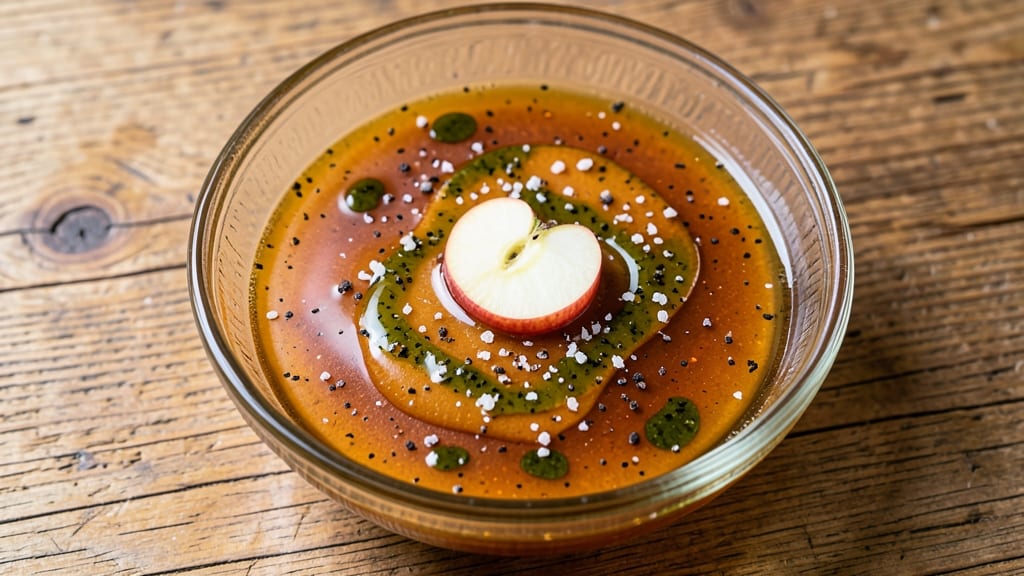
This zesty apple cider vinaigrette dressing recipe transforms simple salads into vibrant, restaurant-quality meals with just five ingredients and 10 minutes of prep time.
The perfect balance of sweet apple cider and sharp apple cider vinegar creates a dressing that brightens greens, enhances roasted vegetables, and elevates grilled proteins with its crisp, tangy profile.
What makes this recipe stand out is the emulsification technique that keeps the dressing silky and clingy—no separation, no fuss, just pure flavor that stays fresh for up to a week in the fridge.
The secret lies in the ratio: ¼ cup apple cider vinegar to ½ cup apple cider (not juice), which delivers a sweet-tart harmony without overpowering. A touch of Dijon mustard acts as the emulsifier, binding the oil and creating that signature velvety texture that coats every bite.
For extra depth, a pinch of salt and a drizzle of high-quality olive oil round out the flavor while maintaining the dressing’s light, refreshing quality—ideal for those who crave bold taste without heaviness.
What you’ll end up with is a dressing that’s as versatile as it is delicious—drizzled over crisp winter salads, tossed with roasted Brussels sprouts, or used as a marinade for chicken. The apple cider’s natural sweetness mellows over time, making the dressing even more complex with each use.
Whether you’re prepping for a holiday feast or whipping up a quick weeknight meal, this vinaigrette delivers restaurant-quality results with minimal effort. For an extra touch of elegance, finish with a sprinkle of toasted walnuts or fresh thyme, but the dressing shines just as beautifully on its own.
Store it in an airtight container in the refrigerator for up to a week, shaking gently before each use to maintain its silky consistency. This is the kind of dressing that turns ordinary meals into something extraordinary—without the guesswork.
Ingredients for zesty apple cider vinaigrette dressing
Five ingredients transform into a silky, restaurant-worthy dressing that brightens any dish.
| Ingredient | Amount | Notes |
|---|---|---|
| Apple Cider Vinegar 🍏 | ¼ cup | Raw, unfiltered preferred |
| Apple Cider 🍎 | ½ cup | Not apple juice, unsweetened |
| Extra-Virgin Olive Oil 🫒 | ½ cup | Light, fruity variety preferred |
| Dijon Mustard 🍯 | 1 tbsp | High-quality, smooth texture |
| Sea Salt 🧂 | ½ tsp | Fine grain, kosher preferred |
| Black Pepper 🌶️ | ¼ tsp | Freshly ground for best flavor |
| Toasted Walnuts 🥜 | 2 tbsp | Optional, for garnish |
| Fresh Thyme Leaves 🌿 | 1 tsp | Optional, for garnish |
The apple cider vinegar and cider are the heart of this dressing—Trader Joe's or Whole Foods carry excellent unsweetened options. For the vinegar, look for raw, unfiltered varieties like Bragg or Annie's, which add depth of flavor. The Dijon mustard is non-negotiable here; Maille or Amoy brands deliver that signature tang. Extra-virgin olive oil should be light and fruity—avoid strong, peppery varieties that can overpower the delicate apple notes. Toast your walnuts in a dry pan for just 2-3 minutes to enhance their nuttiness, or buy pre-toasted from the store for convenience. Fresh thyme adds a subtle herbal note that pairs beautifully with the apple flavors.
No apple cider? Unsweetened apple juice works in a pinch, though it lacks the subtle acidity of cider. Short on Dijon? Whole-grain mustard thinned with water mimics the texture. For a deeper flavor without extra ingredients, add 1 tsp maple syrup to the vinegar before mixing. If you're avoiding nuts, skip the walnuts and garnish with toasted pumpkin seeds instead. The salt and pepper are flexible—adjust to taste, but don't skip them entirely. For a sweeter touch, add ½ tsp honey (though the intro emphasizes the natural sweetness of the cider).
This dressing keeps beautifully for up to 1 week in the fridge, though the flavors actually improve with age. Store it in a clean, airtight jar or container, and give it a gentle shake before each use to maintain that silky texture. For longer storage, freeze in ice cube trays—thaw and shake to re-emulsify. The walnuts and thyme, if used, should be added fresh just before serving to preserve their crunch. Double the batch if you're prepping for a crowd; it disappears faster than you'd think.
Why You'll Love This Recipe
- No-Shaker Needed: I keep a jar of this in my fridge because it’s always ready—just stir what’s there. No measuring cups, no fuss, and honestly? The apple cider and vinegar blend so smoothly that even my picky husband doesn’t ask for store-bought.
- Tangy Twist: That first bite of crisp greens with this dressing? The apple cider vinegar cuts through the richness of the olive oil, while the Dijon mustard adds just enough bite to make it dangerously good on roasted sweet potatoes or grilled chicken.
- Weeknight Magic: Between us, this is my go-to for salads when I’m exhausted but still want flavor. It works on everything—from a quick lunch to a dinner party spread—and the leftovers? They last a solid week without turning weird.
- Pocketbook Perk: Good olive oil and apple cider vinegar are worth it, but this recipe stretches them further than any bottled dressing. I make a big batch, use it for days, and still save money—plus, the salt and mustard are change-makers that cost next to nothing.
Step-by-step instructions for zesty apple cider vinaigrette dressing
This dressing comes together in minutes with just a few simple steps and ingredients you likely already have.
Whisk Together the Acidic Base
In a medium bowl, combine the 0.25 cup apple cider vinegar and 0.5 cup apple cider. The vinegar provides the signature tang, while the apple cider adds subtle sweetness and depth. Stir well to fully integrate these two liquids—they form the foundation of your dressing's bright flavor profile.
Here's the thing—using raw, unfiltered apple cider vinegar makes a noticeable difference in complexity. If you're using filtered vinegar, add an extra pinch of sea salt later to compensate for the milder flavor. Let the mixture sit for 2 minutes while you prepare the remaining ingredients. This brief rest allows the flavors to begin melding slightly.
Incorporate Mustard and Seasonings
Add the 1 tablespoon Dijon mustard to the vinegar mixture and whisk vigorously until completely smooth. The mustard acts as an emulsifier that will help bind the oil later, preventing separation. You'll notice the mixture thicken slightly as you whisk—this is normal and essential for the dressing's texture.
Next, add the 0.5 teaspoon sea salt and 0.25 teaspoon black pepper. I always use freshly ground black pepper at this stage because pre-ground pepper loses its aromatic oils quickly. Whisk until these seasonings dissolve completely into the mixture. The salt enhances all flavors while the pepper adds a subtle warmth that balances the acidity.
Gradually Emulsify the Olive Oil
With the motor of an electric mixer running on low speed, or using a whisk if doing this by hand, slowly drizzle in the 0.5 cup extra-virgin olive oil. This gradual addition is critical—adding oil too quickly causes separation. You're looking for a smooth, creamy consistency that coats the back of a spoon.
Continue mixing for 1-2 minutes after all the oil is incorporated. The dressing should now have a velvety texture with no visible oil pooling on top. If you notice any separation, simply whisk vigorously for another 30 seconds—this happens occasionally but can be easily fixed. The light, fruity variety of olive oil recommended in the ingredients list is particularly effective here, as it complements the apple flavors beautifully.
Finish and Garnish (Optional)
Taste the dressing and adjust seasoning if needed. Most likely, you'll want to add a touch more salt or pepper to suit your preference. The dressing should balance sweet, tangy, and slightly peppery notes. For the final touch, stir in the 2 tablespoons toasted walnuts and 1 teaspoon fresh thyme leaves—these add texture and aromatic complexity that elevate the dressing from simple to sophisticated.
Transfer the dressing to a clean jar or airtight container. The toasted walnuts and thyme will settle at the bottom, so give it a gentle stir before each use. This vinaigrette keeps well in the refrigerator for up to 1 week, making it perfect for meal prep. The flavors actually improve slightly as they meld over time, so it's worth making a batch ahead.
Pro Tips For Making Zesty Apple Cider Vinaigrette Dressing
- WHISK LIKE YOU MEAN IT: I learned this the hard way—slacking off on whisking just blends the oil and vinegar into a sad, clumpy mess. Give it 30 seconds of aggressive whisking after adding the oil, even if it looks like you’re overdoing it. The emulsion needs that initial push to hold together.
- USE COLD OIL, NOT ROOM TEMP: Cold extra-virgin olive oil emulsifies better than oil that’s been sitting in a warm kitchen. Keep the bottle in the fridge for 10 minutes before measuring, or even better, chill the jar after pouring. This keeps the dressing smooth and prevents separation later—trust me, it’s worth the extra minute.
- SALT THE MUSTARD FIRST: Skip salting the final dressing and season the Dijon mustard before mixing. A pinch of salt in the mustard (about ¼ tsp) brightens its flavor and cuts through the sweetness of the apple cider. This way, you’re not left guessing if the dressing needs more salt at the end—it’ll taste balanced from the start.
- DILUTE THE VINEGAR: Straight apple cider vinegar is harsh—dilute it with an equal part apple cider (or even water in a pinch) before adding it to the mustard. This softens the acidity and lets the other flavors shine. I used to skip this, and the dressing always tasted sharp and one-note. Now it’s bright but balanced.
Storing and reheating this dish
Refrigerator Storage
The key to keeping your apple cider vinaigrette fresh is using an airtight glass jar—I prefer Ball mason jars with silicone seals. After making the dressing, store it in the fridge at 40°F or below for up to 7 days.
The flavors actually deepen over time, so it tastes even better on day 3 or 4. Just give it a gentle shake before each use to re-emulsify the oil. 🌡️
Freezing for Later
For longer storage, freeze the dressing in ice cube trays—each cube makes about 1 tablespoon. Once frozen, transfer cubes to a ziplock freezer bag with excess air removed.
Thaw in the fridge overnight, then shake vigorously to restore the silky texture. The freezing process preserves the apple flavors beautifully, making it perfect for holiday prep. 🧊
Reviving Separated Dressing
If you notice separation after storing, don't toss it! Simply whisk vigorously for 30-60 seconds—the Dijon mustard will re-emulsify the oil. For extra insurance, add ½ teaspoon warm water and whisk again. This trick works every time, and you'll barely notice any difference in texture. 💫
Garnish Storage Tips
The optional toasted walnuts and fresh thyme should be stored separately in the fridge if adding them later. Toast walnuts fresh before serving—they lose their crunch after 2-3 days.
For thyme, store the stems in a small jar with 1 tablespoon water and cover loosely with a plastic bag to keep them fresh for up to 5 days. 🥜
Portion Control
Make individual 2-tablespoon servings in small containers for easy grab-and-go use. These portions keep for 5-7 days in the fridge and are perfect for packing lunches or quick salads. Label containers with the date to track freshness—this dressing stays delicious longer than most store-bought options. ✨
Reheating (Yes, Really!)
While vinaigrettes aren't typically reheated, you can gently warm 1-2 tablespoons in a small saucepan over low heat for 10 seconds if using on warm dishes like roasted vegetables.
Never microwave—it breaks the emulsion and makes the dressing oily. A quick warm-up enhances the apple aromas for an extra-special touch. 🔥
Nutrition facts
Frequently asked questions
Can I substitute apple cider vinegar with regular white vinegar?
The apple cider vinegar provides the signature depth and complexity that white vinegar can't match. While it won't ruin the dressing, you'll lose the subtle sweetness and rich flavor notes. For a similar tang, try rice vinegar mixed with ½ teaspoon maple syrup to mimic the apple cider's balance.
Why did my dressing separate after storing?
Separation is normal when oil and vinegar sit—it's not a sign of spoilage! Just whisk vigorously for 30-60 seconds to re-emulsify. The Dijon mustard acts as a natural emulsifier, so this happens occasionally. For extra insurance, add ½ teaspoon warm water and whisk again before using.
What's the best way to use this dressing beyond salads?
This versatile dressing works beautifully as a marinade for chicken or pork (30 minutes max), a dip for crudités or fries, or a glaze for roasted vegetables. Try drizzling it over grilled shrimp or using it as a base for homemade vinaigrette-based soups.
Can I make this dressing without Dijon mustard?
You can substitute with 1 tablespoon whole-grain mustard thinned with 1 teaspoon water, but Dijon works best for emulsification. If you're avoiding mustard entirely, try 1 teaspoon honey or maple syrup mixed into the vinegar first to help stabilize the oil—though the texture may be slightly less silky.
How do I adjust the sweetness level?
For more sweetness, add ½ teaspoon honey or maple syrup to the vinegar before mixing. If you prefer less sweetness, reduce the apple cider to ¼ cup and add ¼ cup unsweetened apple juice instead. Taste as you go—the balance should be bright, not cloying.