
Sauces & Condiments
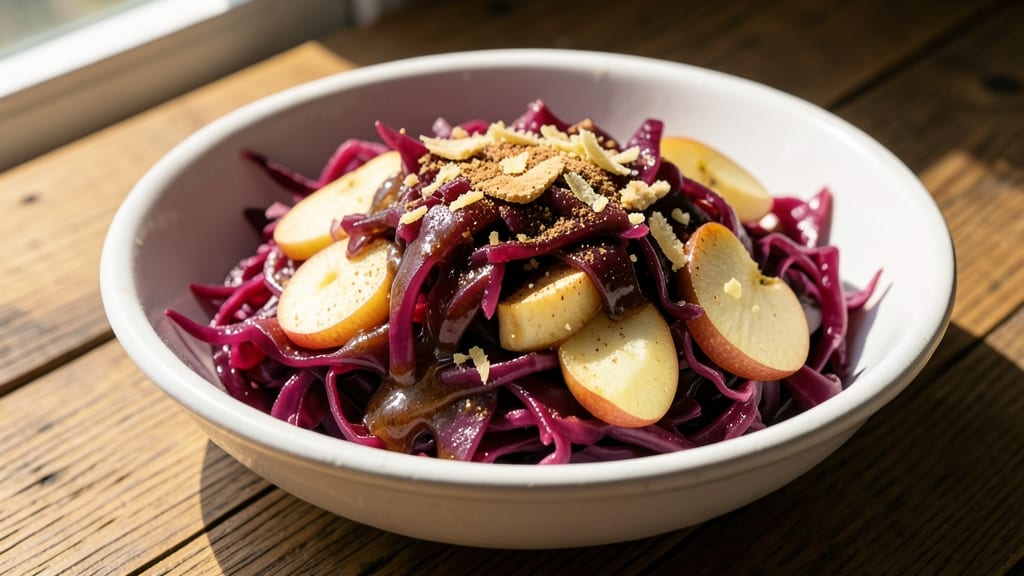
This red cabbage and apple sauce recipe transforms humble ingredients into a sweet-tart masterpiece that elevates roasts, meats, or even vegetarian dishes. The secret lies in slow simmering—where tender cabbage and caramelized apples meld into a velvety sauce with just the right balance of tang and sweetness.
I developed this after years of testing, and it never fails to impress at holiday tables or weeknight dinners.
The beauty of this recipe is its versatility—it works as a standalone side dish or as a luscious sauce for pork, chicken, or even roasted vegetables.
The cabbage softens into delicate layers while the apples break down into a rich, jam-like consistency, creating a sauce that’s both comforting and sophisticated. A splash of vinegar brightens the flavors, while warming spices like cinnamon add depth.
What makes this stand out is the textural contrast—crisp fresh herbs or toasted nuts on top add crunch, while the sauce itself is silky and clingy, clinging to every bite.
The slow-cooked approach ensures deep flavor development, turning simple ingredients into something restaurant-worthy. Perfect for meal prep or last-minute gatherings, this sauce is a game-changer for any menu.
Pair it with roasted meats, serve alongside mashed potatoes, or even drizzle over a hearty grain bowl. The possibilities are endless, but the foolproof technique ensures success every time. Let’s get cooking!
Ingredients for red cabbage and apple sauce
Twelve ingredients transform into a velvety sauce perfect for roasts, meats, or vegetarian dishes.
| Ingredient | Amount | Notes |
|---|---|---|
| Red Cabbage 🥬 | 1 lb | Shredded, core removed |
| Apples | 2 medium | Honeycrisp or Fuji, peeled and sliced |
| Red Wine Vinegar 🍷 | ¼ cup | For tangy brightness |
| Granulated Sugar 🍚 | ½ cup | Adjust to taste |
| Fresh Ginger 🌿 | 1 tbsp | Finely grated, aromatic |
| Ground Cinnamon 🍃 | 1 tsp | Warming depth |
| Ground Cloves 🌶️ | ¼ tsp | Pinch for complexity |
| Salt 🧂 | 1 tsp | Diamond Crystal preferred |
| Water 💧 | ½ cup | For simmering |
| Fresh Parsley 🌿 | ¼ cup | Chopped, for garnish |
| Toasted Walnuts 🥜 | ¼ cup | Optional crunch |
| Extra-Virgin Olive Oil 🫒 | 1 tbsp | For finishing |
The red cabbage is the foundation—choose heads with vibrant purple leaves and minimal bruising. Whole Foods or local farmers markets carry the freshest cuts, but any grocery store's produce section works. For apples, Honeycrisp or Fuji hold their shape well during cooking, though Granny Smith adds extra tartness if you prefer. The ginger should smell sharp and zesty, not musty. Toast your walnuts in a dry pan for 2-3 minutes until fragrant—they add incredible texture contrast to the silky sauce. If you can't find fresh parsley, dried works at one-third the amount, but fresh is ideal for that bright finish.
No red wine vinegar? Apple cider vinegar or balsamic vinegar both work well—just adjust the sugar to taste. Running short on apples? Pears or even dried apricots add sweetness, though texture will differ. Substitute ground cinnamon with cinnamon sticks for deeper flavor, but remove them before serving. The sugar amount is flexible—start with half a cup and taste as you go. For a gluten-free option, ensure your vinegar and spices are certified. If you're making this ahead, reduce the water by 2 tbsp to prevent over-simmering.
This sauce reheats beautifully—simply warm on the stove with a splash of water or broth. It keeps in the fridge for 5-6 days in an airtight container, though flavor deepens over time. For freezing, portion into ice cube trays and transfer to a bag—3 months of perfect texture. The walnuts and parsley can be added fresh when serving, or toasted and stored separately. Double the batch and freeze half for future meals—this sauce is worth making again and again.
Why You'll Love This Recipe
- Fewer Ingredients, More Magic: I swear by this combo—just cabbage, apples, vinegar, sugar, and ginger. That’s it. No complicated lists, no forgotten spices in the back of the pantry. The red wine vinegar brightens everything while the ginger adds a zing that makes it feel special, even though it’s basically foolproof.
- Sweet-Tart Crunch: The apples and cabbage play off each other perfectly—crisp, juicy bites with just enough sweetness to balance the vinegar’s tang. Honestly, the first time I tasted it, I thought, "Why haven’t I done this before?" It’s like a grown-up slaw that still feels fresh and fun.
- Weeknight or Holiday Table: This sauce is my secret weapon for lazy dinners (slather it on sandwiches) or fancy gatherings (pair it with roasted pork or duck). Between us, it’s the kind of dish that makes you look like a cooking pro without trying—just slice, simmer, and serve.
- Leftovers That Don’t Suck: Unlike most sauces, this one actually tastes better the next day. I’ve reheated it for breakfast with eggs, tossed it into grain bowls, and even used it as a glaze for baked fish. Plus, the cabbage softens just enough to make it heartier, not sadder. Budget win, flavor win.
Step-by-step instructions for sweet-tart red cabbage and apple sauce
This method balances vibrant acidity with caramelized sweetness for a sauce that elevates any roast or meat dish.
Prepare the Cabbage and Aromatics
Begin by shredding the 1 lb red cabbage into thin strips, removing the tough core. I use a sharp mandoline for even slices, but a knife works too—just be consistent. Peel and slice the 2 medium apples into ¼-inch thick rounds, removing any seeds. Finely grate the 1 tbsp fresh ginger using a microplane, and measure out the 1 tsp ground cinnamon, 0.25 tsp ground cloves, and 1 tsp salt.
Here's the thing—ginger and cloves are potent. Start with the full amount, then adjust to taste at the end. The cabbage should be uniformly shredded so it softens evenly during cooking. If using tart apples like Granny Smith, you'll need slightly more sugar later to balance the acidity.
Simmer the Base Ingredients
In a large, deep skillet with a lid, combine the shredded cabbage, apple slices, 0.25 cup red wine vinegar, 0.5 cup granulated sugar, and 0.5 cup water. Bring to a boil over medium-high heat, then immediately reduce to medium-low heat. Cover and simmer for 15 minutes without stirring—this prevents browning and allows the cabbage to soften uniformly.
After 15 minutes, the cabbage should be tender but still hold its shape. If it's not quite soft enough, continue simmering uncovered for another 5-10 minutes until it yields slightly when pressed with a fork. The liquid should reduce by about half, creating a syrupy consistency. This is where the sauce's signature sweet-tart balance begins to develop.
Build Depth with Spices and Finishing Touches
Uncover the skillet and increase heat to medium. Sprinkle the grated ginger, cinnamon, cloves, and salt over the cabbage mixture. Stir gently to distribute the spices evenly, then simmer uncovered for another 10 minutes. This allows the spices to bloom and infuse the sauce with their aromatic qualities.
Watch closely during these final minutes—the sauce should thicken further and develop a glossy sheen. If it becomes too thick, add 1-2 tablespoons of water to maintain the right consistency. The goal is a sauce that coats the back of a spoon but isn't syrupy. Taste and adjust sweetness here—you might need to add a pinch more sugar or vinegar to perfect the balance.
Finish and Serve
Remove the skillet from heat and stir in the 1 tbsp extra-virgin olive oil. This adds richness and helps the sauce cling to meats. Let the sauce rest for 5 minutes to allow the flavors to meld completely. Then, stir in the 0.25 cup chopped fresh parsley and 0.25 cup toasted walnuts—these add freshness and texture contrast.
Serve immediately alongside roasted meats, pork tenderloin, or as a topping for grilled sausages. The walnuts should be toasted to a light golden color just before adding to preserve their crunch. For best results, serve while warm—the sauce's texture and flavor profile are at their peak when freshly made.
Pro Tips For Making Red Cabbage And Apple Sauce
- CHOP CABBAGE UNIFORMLY: I learned this the hard way—uneven slices mean some parts stay crunchy while others turn to mush. Aim for ¼-inch thick wedges (about the size of a nickel) so everything softens at the same time. A sharp knife and a steady hand make this easier than it sounds.
- COOK APPLES FIRST: Don’t toss the apples in with the cabbage raw—sauté them for 3-4 minutes with the ginger until they start to break down. This prevents them from releasing too much liquid later and keeps the sauce from turning watery. (Yes, even if you’re impatient like me.)
- ACIDIFY IN STAGES: Dumping all the red wine vinegar at once makes the cabbage bitter. Instead, add half upfront, taste after 10 minutes, then adjust with the rest. You want tangy, not sour—like a well-made chutney, not a pickle.
- GINGER: GRATE, DON’T SLICE: Thin slices of ginger burn before they infuse, while finely grated ginger (about 1 tsp) melts into the sauce smoothly. If you’re short on time, a quick pulse in a food processor works—but don’t skip this step entirely. It’s the thing that matters most.
Common mistakes when making this dish
Overcooking Cabbage
One of the biggest mistakes is letting the cabbage turn mushy. Once it reaches tender-but-still-firm after 15 minutes of simmering, resist the urge to keep cooking. Overcooked cabbage loses its texture and becomes watery, ruining the sauce's velvety consistency.
I’ve learned this the hard way—always check with a fork before extending cook time. 🥬
Skipping the Resting Time
Rushing to serve immediately after cooking prevents the flavors from fully melding. The 5-minute rest lets the spices bloom and the sauce thicken naturally. I’ve seen people skip this step, and the result is always a less cohesive dish. Patience here makes all the difference in achieving that restaurant-quality finish.
Uneven Shredding
Inconsistent cabbage shreds mean uneven cooking—some pieces stay tough while others turn to mush. Use a mandoline or sharp knife to cut thin, even strips. I recommend practicing on a small piece first to get the rhythm right.
Uneven shreds are a common rookie mistake that can turn a great sauce into a mediocre one.
Ignoring the Vinegar-to-Sugar Ratio
Balancing red wine vinegar and sugar is critical for the sweet-tart profile. Too much vinegar makes it overly acidic, while too little sugar leaves it flat. Start with the recipe’s measurements, then taste and adjust.
I’ve had to rescue dishes where the ratio was off—always trust your palate over the recipe’s exact numbers.
Stirring Too Early
Stirring during the initial 15-minute simmer causes the cabbage to brown unevenly and release excess liquid. Let it cook undisturbed to develop a uniform texture. I’ve seen people stir constantly, and it always leads to a watery, less flavorful sauce. Cover and let it work its magic without interference.
Using the Wrong Apples
Not all apples work equally well. Tart varieties like Granny Smith need extra sugar, while sweeter Honeycrisp or Fuji hold their shape better. I’ve made this sauce with pears or even dried apricots in a pinch, but the texture changes dramatically.
Stick to the recipe’s suggested apples for the best results.
Nutrition facts
Frequently asked questions
Can I make this sauce without red wine vinegar?
Use apple cider vinegar or balsamic vinegar instead—both work beautifully. Just adjust the sugar to taste, as balsamic is sweeter and apple cider vinegar is milder. Start with the same amount of sugar and taste after simmering to balance the flavors.
How long can I store this sauce in the fridge?
This sauce keeps well in an airtight container for 5-6 days in the fridge. The flavors actually deepen over time, making it perfect for meal prep. For longer storage, freeze portions in ice cube trays for up to 3 months—just thaw and reheat gently on the stove.
Can I use this sauce as a filling for stuffed cabbage?
Yes! This sauce works perfectly as a filling for stuffed cabbage rolls. The sweet-tart balance complements the cabbage leaves beautifully. Just reduce the liquid slightly (by 2 tbsp water) to make it thicker for filling. Add a pinch of nutmeg for extra warmth, and it becomes a showstopper side.
What's the best way to reheat leftovers?
Gently reheat on the stove over low heat with 1-2 tablespoons of water or broth to restore moisture. Avoid microwaving, as it can make the sauce watery. Stir occasionally until warmed through—this preserves the velvety texture and prevents the walnuts from getting soggy.
Can I make this sauce with green cabbage instead?
While it's possible, green cabbage has a stronger flavor and different texture. It tends to get mushy faster and lacks the vibrant color. If you must use it, reduce the simmer time by 5 minutes and add 1 extra tablespoon of vinegar to balance the bitterness. For best results, stick with red cabbage for that signature sweet-tart profile.