
Main Courses
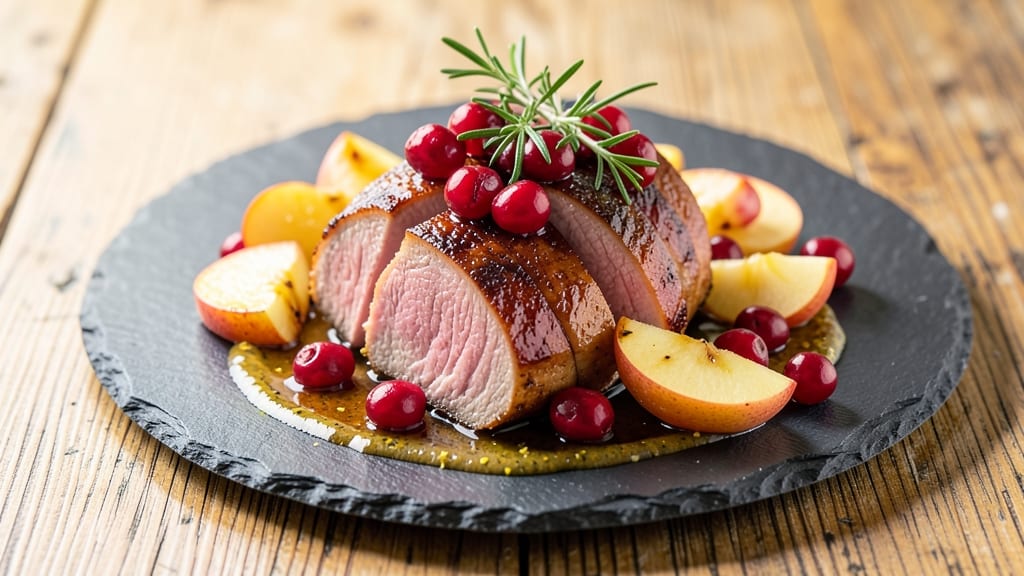
This cranberry apple pork tenderloin recipe transforms a simple weeknight meal into a holiday-worthy centerpiece that smells like Thanksgiving in your kitchen. The secret lies in searing the pork to lock in juices while building a tart-sweet glaze that caramelizes into a sticky, flavorful crust—no fancy techniques required.
I developed this during a particularly hectic holiday season when I needed a one-pan solution that delivered restaurant-quality results without the stress.
The magic happens in two stages: first, searing the tenderloin until golden brown creates that perfect crust, while the cranberry-apple glaze simmers into a thick, jammy sauce that clings to every bite.
This dish delivers juicy, melt-in-your-mouth pork with a glaze that balances sweet and tart flavors perfectly—no one will guess it took less than an hour. The best part? It's foolproof for beginners and impressive enough for guests, making it my go-to holiday centerpiece.
By the time you serve it, you'll have a tender pork tenderloin sliced into perfect medallions, each one topped with glaze that's both vibrant and rich. The aromas alone—warm spices, caramelized fruit, and roasted pork—will have everyone gathering at the table.
This recipe scales beautifully whether you're feeding a family of four or a crowd of twelve, ensuring every bite delivers that perfect harmony of textures and flavors.
Pair it with roasted Brussels sprouts or garlic mashed potatoes for a complete meal that feels special without requiring hours in the kitchen. The glaze even reheats beautifully, making leftovers just as delicious the next day. Here's how to make it—holiday perfection, simplified.
Ingredients for cranberry apple pork tenderloin
These 14 ingredients create a holiday-worthy centerpiece with restaurant-quality flavors in one pan.
| Ingredient | Amount | Notes |
|---|---|---|
| Pork Tenderloin 🥩 | 1 ½ lb | Center-cut for even cooking |
| Cranberries 🍇 | 1 cup | Fresh or frozen, no sugar added |
| Apples 🍎 | 2 medium | Honeycrisp or Fuji, peeled and diced |
| Orange Juice 🍊 | ½ cup | Freshly squeezed preferred |
| Dijon Mustard 🥬 | 1 tbsp | For depth of flavor |
| Honey 🍯 | 2 tbsp | Wildflower for floral notes |
| Balsamic Vinegar 🍷 | 1 tbsp | Aged for richer flavor |
| Fresh Thyme Leaves 🌿 | ¼ cup | Or 1 tbsp dried thyme |
| Garlic Cloves 🧄 | 4 cloves | Minced for aromatic base |
| Olive Oil 🫒 | 2 tbsp | Extra-virgin for searing |
| Salt 🧂 | 1 tsp | Kosher or sea salt |
| Black Pepper 🌶️ | ½ tsp | Freshly cracked |
| Cinnamon Stick 🌿 | 1 whole | For subtle warmth |
| Fresh Rosemary 🌿 | 1 sprig | For aromatic depth |
The pork tenderloin is your star—center-cut ensures even cooking and maximum tenderness. Look for uniform thickness at the butcher counter, or trim it yourself if needed. I always grab mine from Whole Foods or Costco when they have it pre-trimmed for convenience. For the cranberries, fresh or frozen unsweetened works best—those pre-sweetened bags add unnecessary sugar. Apples should be firm and crisp (Honeycrisp or Fuji), not mealy. The orange juice? Freshly squeezed makes a world of difference—store-bought lacks that bright citrus punch. If you're short on time, Trader Joe's has a great frozen concentrate that works in a pinch.
No Dijon mustard? Yellow mustard at double the amount gets you close, though it lacks that signature tang. Substituting honey? Maple syrup works, but the flavor profile shifts slightly. The balsamic vinegar is non-negotiable for depth—aged balsamic (the thick, syrupy kind) adds richness that regular vinegar can't match. Fresh thyme is ideal, but dried at one-third the amount works if that's what you've got. For the garlic, roasted garlic adds sweetness, but raw minced gives that sharp punch. The olive oil matters here—use something fruity and peppery (like California Early Harvest) rather than mild varieties that'll get lost in the glaze.
This glaze reheats beautifully—simply warm it gently in a saucepan and brush over the pork. Store leftovers in the fridge for up to 4 days or freeze for 3 months (the glaze keeps perfectly). I always make a double batch of glaze—one for the pork, one to serve on the side. The pork itself stays juicy for 3 days in the fridge, but the glaze's magic really shines when reheated. For serving, slice into 1-inch medallions and arrange on a platter with extra glaze drizzled over the top—everyone will think you slaved over it for hours.
Why You'll Love This Recipe
- One-Pan Magic: I swear by this—just slice the apples, toss in the cranberries, and let the oven do the work. No chopping boards full of mess, no extra pots to wash.
- Sweet-Savory Balance: That tangy Dijon mustard glaze with the bright orange juice? It’s the perfect foil for the juicy pork. The cranberries add a pop that makes every bite feel like a little holiday.
- Weeknight to Holiday: Between us, I’ve served this for Taco Tuesday and Thanksgiving leftovers. The same flavors work for a quick family dinner or a showstopping centerpiece—no one will guess it’s this easy.
- Leftovers That Don’t Suck: Pork tenderloin actually gets better the next day—more tender, more flavorful. I’ll be real: I make double portions just so I can reheat slices for sandwiches all week.
Step-by-step instructions for cranberry apple pork tenderloin
This one-pan showstopper delivers holiday-worthy flavor with minimal effort—juicy pork, caramelized apples, and a glaze that's pure magic.
🍳 Step 1: Sear the Pork Tenderloin for Maximum Flavor
Pat the 1.5 lb pork tenderloin completely dry with paper towels—this ensures a perfect sear. Heat 2 tablespoons olive oil in a large oven-safe skillet over medium-high heat until shimmering. Season the pork generously with 1 teaspoon salt and ½ teaspoon black pepper, then add it to the pan.
Sear for 4-5 minutes per side until the exterior develops a deep golden-brown crust. Here's the thing—don't rush this step. You're building flavor and texture that can't be replicated later. Once browned, remove the pork and set it aside on a plate, leaving all that beautiful fond in the pan.
👨🍳 Step 2: Build the Aromatic Base
In the same skillet (no need to wipe it clean), reduce heat to medium and add 4 minced garlic cloves and the 1 sprig fresh rosemary. Sauté for 30 seconds until fragrant—you should smell that piney rosemary aroma and sweet garlic. Add ½ cup fresh thyme leaves and cook for another 30 seconds until the thyme releases its earthy notes.
This aromatic trio forms the flavor foundation for your glaze. If you're using dried thyme, add it now along with 1 whole cinnamon stick (it'll infuse subtle warmth). The cinnamon will dissolve slightly, adding depth without overpowering the dish.
🥘 Step 3: Cook the Apples and Cranberries
Add the 2 medium diced apples and 1 cup cranberries to the skillet. Cook for 5-6 minutes, stirring occasionally, until the apples begin to soften and the cranberries burst. The mixture should develop a jammy consistency—this is where the magic happens.
Here's where it gets fun: Stir in ½ cup orange juice, 1 tablespoon Dijon mustard, 2 tablespoons honey, and 1 tablespoon balsamic vinegar. The balsamic adds a tangy depth that cuts through the sweetness, while the honey creates that perfect caramelized glaze. Let this mixture bubble together for 3-4 minutes until it thickens slightly and coats the back of a spoon.
🔥 Step 4: Finish the Pork and Glaze
Return the pork tenderloin to the skillet, spooning the glaze mixture generously over the top. Transfer the skillet to a preheated 400°F oven and roast for 15-20 minutes, basting the pork with the pan juices every 5 minutes. The pork is done when it reaches an internal temperature of 145°F and the glaze is bubbly and caramelized.
This high-heat finish ensures the pork stays juicy while the glaze develops that perfect balance of sweet, tart, and savory flavors. The cranberries should be tender but still hold their shape, and the apples should be caramelized around the edges.
⏰ Step 5: Rest and Serve with Holiday Flair
Remove the pork from the oven and let it rest on a cutting board for 10 minutes before slicing. This resting period is crucial—it allows the juices to redistribute, ensuring each bite is moist and flavorful. While it rests, spoon any remaining glaze from the pan over the top for extra shine.
Slice the pork into ½-inch thick medallions and arrange on a platter with the pan juices and glaze. Garnish with fresh thyme sprigs for a pop of color. Serve immediately with crusty bread or roasted vegetables to soak up all that delicious glaze—this dish is a holiday centerpiece that'll have everyone asking for seconds.
Pro Tips For Making Cranberry Apple Pork Tenderloin
- SEAR THE PORK HARD: I learned this the hard way—skipping the sear means your pork stays bland and dry. Hit that pan with medium-high heat until the pork develops a deep golden crust (about 3-4 minutes per side), then finish in the oven. That crust locks in flavor and keeps the meat juicy.
- CHOP APPLES SMALL: Big apple chunks turn mushy while the pork cooks. Dice them into ¼-inch pieces so they soften just enough to caramelize without falling apart. (Yes, even if you’re impatient like me.)
- DEGLAZE WITH OJ: That browned pork fond in the pan? Don’t waste it. Splash in the orange juice right after searing—it lifts all the stuck-on bits and adds instant brightness to the sauce. Scrape the bottom like you mean it.
- REST THE MEAT: Cutting into pork tenderloin right after it hits 145°F is a fast track to dryness. Give it a solid 5-10 minutes under foil before slicing—your knife will glide through juicy meat instead of tough fibers. (Your future self will thank you.)
Troubleshooting your cranberry apple pork tenderloin
Pork Too Dry
If your pork comes out dry, it’s usually from overcooking or skipping the rest. I’ve seen this happen when people rush the 10-minute rest or cut into the meat too soon. Always use a meat thermometer—145°F internal temperature is perfect.
For extra juiciness, bristle the pork with 1 tablespoon butter before searing, or add ¼ cup chicken broth to the pan when roasting. 💡
Glaze Too Thin
The glaze should coat the back of a spoon when finished. If it’s watery, you likely didn’t reduce it enough. Simmer the cranberry-apple mixture uncovered for 5-7 minutes longer, stirring often, until it thickens.
For an instant fix, mix 1 teaspoon cornstarch with 1 tablespoon water, stir into the glaze, and cook for 1-2 minutes until thickened. I’ve also used 1 tablespoon pectin powder (like Ball RealFruit) for a jam-like consistency.
Cranberries Not Bursting
Frozen cranberries need a head start. If they stay whole, toss them in 1 tablespoon cold water for 5 minutes before cooking to soften. For fresh cranberries, add ½ teaspoon sugar or 1 pinch cinnamon to help them break down faster.
If they’re still tough after cooking, blend half the cranberries into the glaze for a smoother texture. 🌶️
Apples Too Mealy
Overcooked apples lose their texture. Use Honeycrisp or Fuji apples (they hold up best) and reduce cooking time to 4-5 minutes max. For extra firmness, add the apples to the skillet only 5 minutes before finishing the pork**.
If they’re already mushy, stir in 1 teaspoon lemon juice to brighten the flavor and balance the sweetness.
Glaze Too Sweet
If the glaze tastes cloying, balance it with acid. Stir in 1 tablespoon balsamic vinegar or 1 teaspoon apple cider vinegar at the end. For a savory twist, add ½ teaspoon smoked paprika or a pinch of cayenne pepper.
I’ve also used 1 teaspoon fresh lime juice to cut through the sweetness while adding brightness. 🍋
Pork Overcooked
Pork tenderloin cooks fast—15-20 minutes in a 400°F oven is plenty. If it’s tough, check your starting temperature: it should be 145°F when done. For a foolproof method, pull the pork when it hits 140°F and let it rest—it’ll carryover to 145°F.
If it’s still dry, slice it thin and serve with extra glaze to moisten each bite.
Nutrition facts
Frequently asked questions
Can I make this recipe without fresh cranberries?
Use 1 cup frozen unsweetened cranberries—just thaw them first by soaking in 1 tablespoon cold water for 5 minutes to help them burst during cooking. For a smoother glaze, blend half the cranberries before adding them to the pan.
How do I adjust this recipe for a crowd?
Double the ingredients and use a 6-quart Dutch oven or two large oven-safe skillets. For 8 servings, increase the pork to 3 lbs and all other ingredients by 50%. Cook the pork in batches if needed, keeping the first batch warm in a 200°F oven while finishing the second. The glaze can be made in batches too—just reheat before serving.
What's the best way to reheat leftovers?
Reheat pork medallions in a 350°F oven for 10-12 minutes with a splash of water or broth to keep them moist. For the glaze, warm it in a saucepan over low heat for 3-4 minutes, stirring constantly. To revive texture, brush the reheated pork with extra glaze and broil for 1-2 minutes for a crispy finish.
Can I substitute chicken or turkey for the pork?
While pork tenderloin is ideal, you can use chicken or turkey breast—just reduce cooking time by 25% (chicken to 12-15 minutes, turkey to 10-12 minutes) since poultry cooks faster. Use a meat thermometer (165°F for poultry) and adjust seasoning—poultry benefits from extra ½ teaspoon garlic powder and ¼ teaspoon smoked paprika to complement the glaze.
What sides pair best with this dish?
For a complete holiday meal, try:
- Garlic mashed potatoes (soak up the glaze perfectly)
- Roasted Brussels sprouts with bacon (adds smoky contrast)
- Creamy wild rice pilaf (holds up to the tart-sweet flavors)
- Buttery dinner rolls (for glaze-dipping) The glaze's acidity cuts through rich sides beautifully—balance is key!