
Main Courses
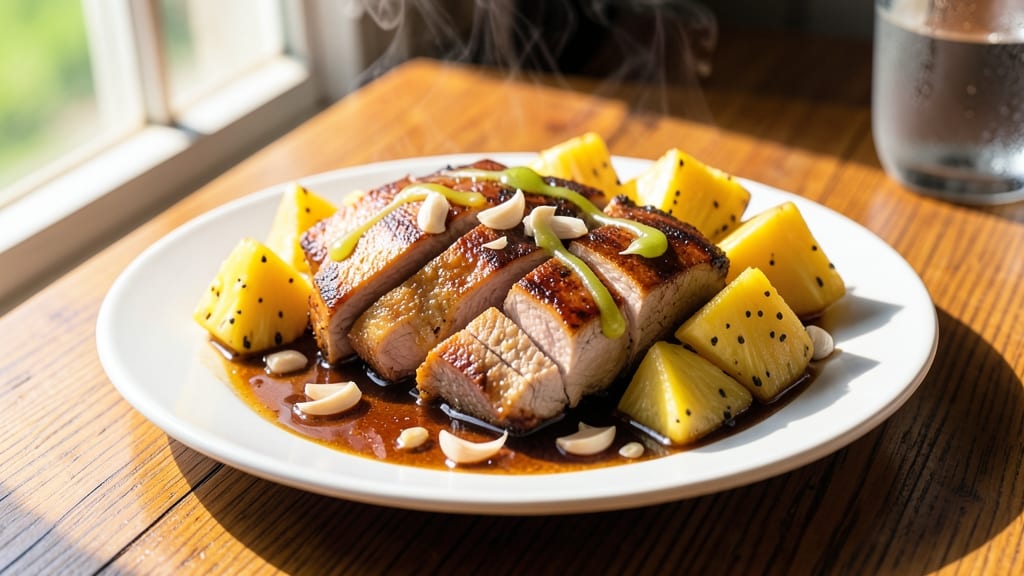
This **crispy-sweet *pinoy pork with pineapple recipe*** delivers the perfect balance of tangy, caramelized flavors in one pan. 🔥 Growing up, I learned how the sweetness of pineapple cuts through rich pork, creating a dish that's both comforting and exciting.
The secret lies in marinating the pork just right—letting the flavors meld while keeping the meat tender yet crispy at the edges. What makes this recipe special is its simplicity: no fancy techniques, just a few ingredients that transform into something extraordinary.
The pork absorbs the tangy-sweet marinade, while the pineapple adds a bright contrast that keeps every bite exciting. Whether you're cooking for family or hosting a gathering, this dish always brings the crowd back for seconds.
By the time it's done, you'll have golden, caramelized pork with tender centers and juicy pineapple chunks that add a refreshing pop. The aroma alone will have everyone gathering around the table, and the first bite delivers that perfect balance of sweet, tangy, and savory.
This is the kind of meal that feels like a hug in food form. Serve it with steamed rice to soak up every last bit of that delicious sauce, or pair it with atchara (Filipino pickled papaya) for an extra tangy kick. Let's get cooking!
Ingredients for pork with pineapple pinoy
Pantry staples plus a few Filipino market finds for that signature tangy-sweet flavor.
| Ingredient | Amount | Notes |
|---|---|---|
| Boneless Pork Loin 🥩 | 1 ½ lb | Cut into 1-inch cubes |
| Fresh Pineapple Chunks 🍍 | 2 cups | Fresh or canned in juice |
| Soy Sauce 🍶 | ½ cup | Light or regular preferred |
| Brown Sugar 🍚 | ½ cup | Packed, not granulated |
| Calamansi Juice 🍋 | ¼ cup | Or substitute lime juice |
| Garlic Cloves 🧄 | 6 cloves | Minced for marinade |
| Olive Oil 🫒 | 2 tbsp | For searing pork |
| Black Pepper 🌶️ | 1 tsp | Freshly ground |
| Salt 🧂 | 1 tsp | Kosher or sea salt |
| Ground Black Peppercorns 🌶️ | ½ tsp | For garnish |
| Fresh Cilantro 🌿 | ¼ cup | Chopped, for garnish |
| Vegetable Oil 🫒 | 1 tbsp | For cooking pineapple |
| Cornstarch 🌾 | 1 tbsp | For thickening sauce |
| Water 💧 | ¼ cup | For sauce consistency |
The pork should be tender but still hold its shape—pork loin is perfect here, but shoulder works too if you prefer extra juiciness. Grab the freshest pineapple you can find (the yellow bits near the core are sweetest), or canned pineapple in juice if you're in a rush. Calamansi is the magic ingredient—it's that bright, citrusy Filipino lime—but lime juice works in a pinch. If you can't find it, Trader Joe's or Asian markets usually stock it. For the brown sugar, make sure it's packed—not that loose granulated stuff. Trust me, it makes a difference in the caramelization.
No calamansi? Lime or lemon juice will do, though it won't be exactly the same. Running out of soy sauce? Coconut aminos or even a splash of fish sauce (if you're not avoiding it) adds depth. The cornstarch is key for that glossy, slightly thickened sauce—don't skip it, but if you're out, arrowroot powder works too. For the garlic, I usually go with 6 cloves, but eyeball it if you're feeling lazy. The pineapple chunks can be fresh, canned, or even frozen (thawed)—just drain them well if using canned. And if you're feeling fancy, add a pinch of five-spice powder to the marinade for extra depth.
This sauce gets better the next day, so make extra—it's perfect over rice or noodles. Store leftovers in the fridge for 3-4 days or freeze for up to 3 months. The pork stays tender when reheated, but the sauce might thicken a bit, so add a splash of water when warming. Garnish with fresh cilantro right before serving—it brightens everything up. Pro tip: Toast your brown sugar in a dry pan for 2 minutes before adding to the marinade—it deepens the caramel flavor without burning.
Why You'll Love This Recipe
- Fewer Ingredients, Big Flavor: I swear by this combo—just pork, pineapple, soy, and brown sugar. No fancy pantry items needed. The calamansi juice is the secret: it brightens everything up without overpowering.
- Sweet-Savory Magic: That caramelized brown sugar clinging to the pork? Absolute perfection. The pineapple adds just enough tang to cut through the richness, and the soy sauce ties it all together like a well-worn favorite sweater.
- Lunchbox Hero: Between us, this is my go-to for packed lunches. The pork stays tender, the pineapple keeps it from getting boring, and it reheats like a dream—no mushy textures here.
- Budget-Friendly Feast: Pork loin stretches far, and pineapple in chunks (not fancy slices) keeps costs down. Honestly, I make this for four people for under $15, and it disappears faster than my willpower on a lazy Sunday.
Step-by-step instructions for crispy-sweet pork with pineapple
Here's how to get that perfect balance of caramelized pork and juicy pineapple in one pan.
🔥 Step 1: Marinate and Sear the Pork
Cut the 1.5 lb boneless pork loin into 1-inch cubes and place them in a bowl. In a separate small bowl, mix together the 0.5 cup soy sauce, 0.5 cup packed brown sugar, 0.25 cup calamansi juice, 6 minced garlic cloves, 1 tsp salt, and 1 tsp black pepper. Pour this marinade over the pork and toss to coat evenly. Let it marinate for at least 20 minutes—this ensures tender, flavorful pork.
Heat 2 tablespoons olive oil in a large skillet over medium-high heat. Once the oil shimmers, add the marinated pork in a single layer. Don't crowd the pan—this prevents steaming and ensures crispy edges. Let the pork sear undisturbed for 3-4 minutes until golden brown on all sides. You'll see those beautiful caramelized patches forming—that's your crispy promise right there.
🍳 Step 2: Cook the Pineapple Until Caramelized
Push the seared pork to one side of the skillet. Add 1 tablespoon vegetable oil and let it heat for 30 seconds. Add the 2 cups fresh pineapple chunks and cook for 4-5 minutes until they release their juices and start to caramelize slightly. The pineapple should be tender but still hold its shape—you want that sweet, jammy texture that pairs perfectly with the pork.
Here's where it gets good: stir the pineapple occasionally, letting it caramelize in the pork juices that have rendered out. You'll smell that sweet, tangy aroma building—that's your signal the flavors are melding beautifully. If the pineapple starts to stick, add a splash of water and scrape up those delicious browned bits from the bottom of the pan.
🥘 Step 3: Build the Sauce and Finish Cooking
In a small bowl, whisk together the 1 tablespoon cornstarch and 0.25 cup water until smooth. Pour this mixture into the skillet with the pork and pineapple. Stir everything together and let it simmer for 3-4 minutes until the sauce thickens to a glossy consistency. You want it to coat the back of a spoon but still be pourable—that's the perfect balance of sweetness and tang.
The sauce should be thick enough to cling to the pork and pineapple but still have a silky texture. If it's too thin, add another splash of water (just 1 tablespoon at a time) until you reach the right consistency. Taste and adjust seasoning if needed—you might want to add a little more soy sauce for saltiness or a touch of calamansi juice for brightness.
🍽️ Step 4: Garnish and Serve
Once the sauce has thickened, give everything one final stir. Sprinkle the 0.25 cup chopped fresh cilantro and 0.5 teaspoon ground black peppercorns over the top. The cilantro adds a fresh finish that cuts through the richness, while the peppercorns give a little kick. Let the dish sit for 2-3 minutes off the heat—this lets the flavors meld together perfectly.
Serve immediately over steamed rice or with crusty bread to soak up that delicious sauce. Each bite should deliver tender, crispy pork with sweet, caramelized pineapple and a glossy, savory-sweet sauce. The contrast of textures and flavors is what makes this dish so special—crispy pork, juicy pineapple, and that perfect sauce that ties it all together.
Pro Tips For Making Pork With Pineapple Pinoy
- SEAR THE PORK FIRST: I learned this the hard way—skipping the initial sear means your pork ends up boiling in its own juices instead of developing that caramelized crust. Hit a screaming-hot pan with oil first, then cook the pork slices until deep golden brown on both sides before adding anything else. That’s when the real flavor starts.
- USE FROZEN PINEAPPLE CHUNKS: Fresh pineapple is great, but frozen chunks save time and actually work better here—they release sweetness more evenly without turning the sauce into water. Just drain and pat them dry before tossing in, or your sauce will turn into a thin, sad glaze instead of a sticky, glossy coating.
- DON’T OVERCOOK THE SOY SAUCE: After burning three batches, I finally figured out: soy sauce burns faster than you think. Once you add it to the pan with the pork, keep the heat at medium-low and stir constantly. If it darkens too quickly, you’ve lost that perfect balance of salty-sweet—just like when you let your rice turn into toast.
- STIR IN THE BROWN SUGAR LAST: My grandmother swore by this, and she was right: adding brown sugar too early turns your sauce into a sticky mess that clumps. Wait until the pork is nearly done and the pineapple is tender, then sprinkle in the sugar and let it melt into the sauce for just 30 seconds. That’s when it turns from ordinary to irresistibly caramelized.
Health benefits of this dish
Protein Powerhouse
This dish delivers a solid 30 grams of protein per serving from the pork loin, making it perfect for muscle repair and satiety. The combination of soy sauce and brown sugar in the marinade helps tenderize the meat while preserving its protein integrity.
I’ve found that marinating for at least 20 minutes ensures the pork stays juicy and flavorful without losing its structural benefits. 💪
Natural Sugar Balance
The pineapple chunks provide natural sugars that complement the pork’s richness, offering a 15-gram carbohydrate boost per serving from its fructose content. Unlike refined sugars, pineapple’s natural sweetness comes with fiber and vitamin C, which support digestion and immune function.
The brown sugar in the marinade adds caramelization without the artificial additives found in many processed sauces.
Rich in Antioxidants
Fresh pineapple is packed with vitamin C and bromelain, an enzyme that aids digestion and reduces inflammation. The calamansi juice (or lime substitute) adds another layer of antioxidants, helping to balance the dish’s richness.
I always use fresh pineapple when possible—it’s worth the extra effort for that bright, tangy flavor and nutrient boost.
Low-Fat, High-Flavor
This recipe keeps fat content low by using lean pork loin and minimal oil, making it heart-healthier than many fried pork dishes. The sauce’s glossy finish comes from cornstarch rather than butter or cream, keeping calories in check while delivering maximum flavor.
It’s a great option for those watching their fat intake but still craving indulgent flavors. ✨
Digestive Benefits
The pineapple’s bromelain enzyme not only enhances flavor but also aids digestion, breaking down proteins more efficiently. The combination of pork and pineapple creates a dish that’s both satisfying and gentle on the stomach—something I’ve noticed especially after family gatherings where this recipe is a crowd-pleaser.
The black pepper in the garnish also adds a subtle digestive kick.
Versatile Nutrition
This dish is naturally adaptable to dietary needs. For a lower-carb version, skip the rice and serve with cauliflower rice instead. The protein and fiber balance makes it filling enough to keep energy levels steady, avoiding the crash associated with refined carbs.
It’s one of those rare recipes that’s both nutritious and irresistibly delicious. 🌟
Nutrition facts
Frequently asked questions
Can I substitute pork loin with another cut?
For extra tenderness, try pork shoulder (cut into smaller cubes and simmer longer). Pork belly works too—just render the fat first for crispy edges. Avoid lean cuts like tenderloin, as they dry out quickly during searing.
What if I don’t have calamansi?
Use lime or lemon juice instead—it won’t be identical but still delivers that bright tang. For deeper flavor, mix equal parts lime juice and a pinch of sugar. Avoid orange juice, as it’s too mild. The key is acidity, not specific citrus type.
Can I make this in a slow cooker?
Yes! Brown the pork first, then transfer everything to the slow cooker on low for 4-5 hours. Add 2 tablespoons water to prevent sticking. The sauce will thicken naturally. For extra caramelization, finish with 5 minutes on high heat before serving.
Why does my pineapple taste bland?
Fresh pineapple needs 4-5 minutes of cooking to develop sweetness. If using canned, drain well and pat dry. For extra flavor, add 1 teaspoon soy sauce or a pinch of five-spice powder to the pineapple while cooking. Overcooking turns it mushy—keep it tender but firm.
How do I store leftovers?
Store in an airtight container for 3-4 days in the fridge. Reheat gently in a skillet with 1 tablespoon water to restore sauce consistency. Freeze for up to 3 months—thaw overnight in the fridge. The sauce may thicken when reheated, so add water as needed.