
Main Courses
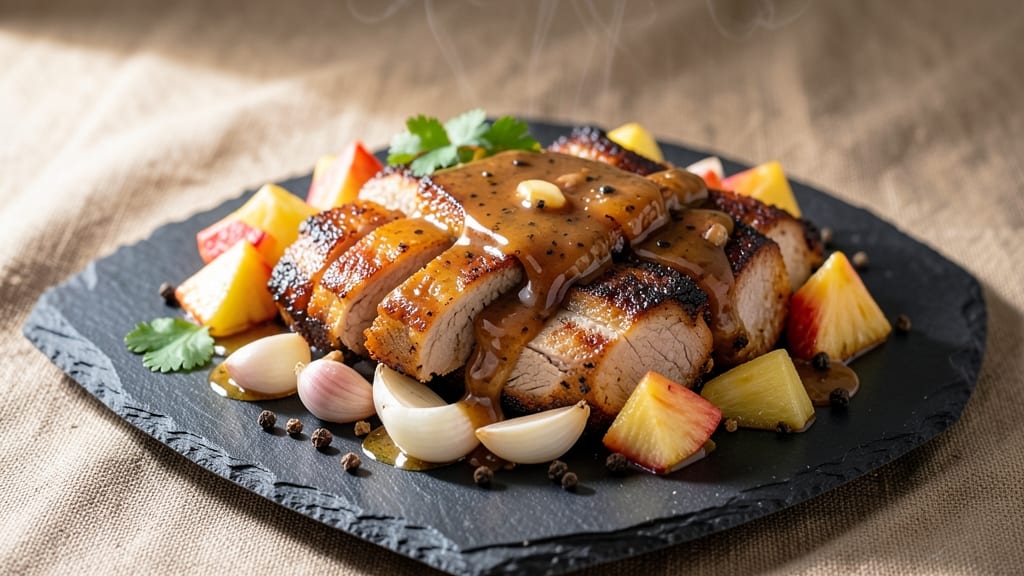
This Filipino pork belly pineapple adobo delivers the perfect marriage of crispy, caramelized edges and tender, juicy meat bathed in a sweet-tart glaze. The secret lies in slow-braising pork belly with pineapple, soy sauce, and vinegar until it achieves that coveted crispy bark while staying succulent inside.
I first tasted this dish in Manila, where it became a staple in my grandmother's kitchen—now I'm sharing the refined version I've perfected over years of testing.
The magic happens through a two-stage cooking process: first marinating the pork belly in a blend of soy sauce, vinegar, and brown sugar to develop deep flavors, then braising it low and slow until the collagen breaks down.
The pineapple adds natural sweetness that cuts through the savory richness, creating a glaze that caramelizes beautifully. This dish is where comfort food meets restaurant-quality technique, delivering results that taste like they've been simmering all day—even though it's simpler than it seems.
What you'll end up with is a plate of golden, crackling pork belly that's impossibly tender when you cut into it, served with a glossy sauce that's both sweet and tangy.
The aroma alone will have everyone gathering at your table, and the first bite delivers that perfect balance of textures and flavors. This is the kind of dish that transforms ordinary weeknights into special occasions without requiring any special effort.
Serve it alongside steamed jasmine rice to soak up every last bit of that delicious sauce, or pair it with garlic fried rice for added texture. The leftovers reheat beautifully, making this an excellent meal prep option for busy weeks.
Let's get cooking—this adobo is about to become your new favorite comfort dish.
Ingredients for pork belly pineapple adobo
Pantry staples meet Filipino flavors—just 13 ingredients for restaurant-quality adobo.
| Ingredient | Amount | Notes |
|---|---|---|
| Pork Belly 🥓 | 2 lb | Skin-on, cut into 1-inch thick slices |
| Fresh Pineapple 🍍 | 1 whole | Chopped into 1-inch cubes, skin on |
| Soy Sauce 🍶 | ½ cup | Kikkoman preferred, low-sodium OK |
| Cane Vinegar 🍶 | ¼ cup | White or apple cider vinegar substitute |
| Brown Sugar 🍚 | ¼ cup | Light or dark, packed |
| Garlic Cloves 🧄 | 6 cloves | Minced, not powdered |
| Fresh Ginger 🌿 | 2 tbsp | Grated, packed |
| Black Peppercorns 🌶️ | 1 tsp | Crushed, not powdered |
| Bay Leaves 🌿 | 2 whole | Dried, crumbled |
| Olive Oil 🫒 | 2 tbsp | Extra-virgin for crisping |
| Salt 🧂 | 1 tsp | Kosher or sea salt |
| Jasmine Rice 🍚 | 1 ½ cups | Uncooked, long-grain |
| Water 💧 | 2 cups | Filtered preferred |
Pork belly is the star here, so look for thick-cut pieces with good marbling—the fat renders down beautifully. Costco or Whole Foods usually carry the best cuts, but any well-stocked grocery store's meat section should have it. The pineapple? Fresh is non-negotiable—canned won't give you that same caramelized glaze. I always grab a whole pineapple because the leftover chunks make great smoothies. For the ginger, buy it fresh and grate it yourself—pre-grated loses its punch fast. And trust me on the skin-on pork belly—the crispy bark is worth the extra effort.
No cane vinegar? Apple cider vinegar or white vinegar work in a pinch, though cane has that subtle depth. Short on soy sauce? Tamari or coconut aminos are solid swaps. The brown sugar can be swapped for white sugar plus a pinch of cinnamon if you're out, but the molasses notes in brown sugar are key. Fresh ginger too strong? Dried ginger at half the amount works, but it's not the same. And if you're worried about the pork belly being too fatty, pat it dry with paper towels before searing—it makes all the difference for that crispy bark.
This dish tastes even better the next day, so make extra—it reheats beautifully. Store leftovers in the fridge for 4-5 days, covered tightly to keep that crispy bark intact. For longer storage, freeze portions for up to 3 months. I always prep a double batch because the leftovers are perfect for quick lunches. The rice? Cook it in advance and reheat with a splash of water—it absorbs all that delicious sauce.
Why You'll Love This Recipe
- Sweet-Savory Magic: The pineapple and cane vinegar caramelize into a sticky, tangy glaze that clings to every bite—like a hug for your taste buds. Honestly, the first time I tasted that crispy pork belly with the fruit’s bright acidity cutting through the richness, I knew it was a keeper.
- One-Pan Wonder: Between us, this recipe is ridiculously low-effort: sear the pork belly, toss in the pineapple chunks and sauce, then let it simmer. No flipping, no fussing—just 20 minutes of hands-off cooking while you sip your coffee or scroll through your phone.
- Leftovers That Shine: This dish actually improves the next day. The flavors meld into something deeper, and the pork gets even more tender—perfect for quick lunches or reheating for a lazy Sunday. I’ll be real: I’ve made it three times in a row just because the leftovers taste better than the original.
- Budget Crowd-Pleaser: Pork belly might sound fancy, but it stretches further than you’d think when paired with pineapple’s natural sweetness. A single slab feeds four, and the soy-vinegar-sugar sauce costs pennies per serving. My college friends still ask for this recipe—turns out, cheap eats don’t have to mean boring eats.
Step-by-step instructions for pork belly pineapple adobo
Here's how to transform tender pork belly into crispy perfection with a sweet-tart glaze that'll make your taste buds dance.
Prepare the Pork Belly for Maximum Crisp
Pat the 2 lb pork belly slices completely dry with paper towels—this is non-negotiable for crispy skin. I mean really dry; any moisture will steam instead of crisp. Place the slices skin-side down on a wire rack set over a baking sheet. This allows air to circulate on all sides, giving you that coveted crackling bark.
In a small bowl, mix together the 2 tbsp olive oil, 1 tsp salt, and 1 tsp crushed black peppercorns. Rub this mixture all over the pork belly, making sure to get it into the crevices. Let it sit at room temperature for 30 minutes while you prep the rest of the ingredients. This resting time helps the seasoning penetrate and the meat cook more evenly.
Build the Sweet-Tart Adobo Marinade
In a medium bowl, combine the 0.5 cup soy sauce, 0.25 cup cane vinegar, 0.25 cup brown sugar, 6 minced garlic cloves, 2 tbsp grated fresh ginger, and 2 crumbled bay leaves. Stir until the brown sugar dissolves completely—this mixture should be smooth with no graininess. Taste it and adjust the sweetness if needed; you want a balance between the tangy vinegar and rich soy sauce.
While the pork belly rests, chop the 1 whole fresh pineapple into 1-inch cubes, leaving the skin on for texture. Add these to the marinade and stir gently to coat. The pineapple will release juices that help tenderize the pork while adding that signature sweet-tart flavor we're after. Let this mixture sit at room temperature for 15 minutes to allow the flavors to meld.
Sear the Pork Belly for Irresistible Crisp
Heat a large oven-safe skillet over medium-high heat. Add the pork belly slices skin-side down and let them sear undisturbed for 4-5 minutes until the skin is golden brown and crispy. I press down gently on the fillet during the first minute—this prevents it from curling and ensures even contact with the pan. Flip carefully and sear the other side for 2-3 minutes until golden.
Remove the pork belly from the skillet and set it aside on a plate. Pour out all but 1 tablespoon of the rendered fat from the skillet—you'll want to keep that flavorful oil for the sauce. Add the pineapple and marinade to the skillet, scraping up any browned bits from the bottom with a wooden spoon. This step is crucial for maximum flavor transfer.
Braise Until Tender with Perfect Glaze
Return the pork belly to the skillet, skin-side up, and pour the pineapple marinade over the top. Bring everything to a simmer over medium heat, then transfer the skillet to a preheated 325°F oven. Bake for 1 hour and 15 minutes, or until the pork belly is fork-tender and the internal temperature reaches 195°F when measured in the thickest part.
Here's the thing—don't peek during cooking. Every time you open the oven, you lose heat and moisture. The pork belly will develop that beautiful mahogany glaze naturally as it braises. If the liquid reduces too much before the pork is tender, add 2 tablespoons of water to prevent burning.
Rest and Serve with Jasmine Rice
Remove the pork belly from the oven and let it rest for 10 minutes before slicing. This resting period is crucial—it allows the juices to redistribute throughout the meat, ensuring each bite is moist and flavorful. While it rests, prepare the jasmine rice by cooking the 1.5 cups jasmine rice with 2 cups water according to package instructions (usually 15-18 minutes on medium heat).
Slice the pork belly against the grain into ½-inch thick slices. The skin should be crispy enough to crackle when you bite into it, while the meat underneath should be tender and juicy. Spoon the pineapple glaze over the rice and arrange the pork belly slices on top. Garnish with extra pineapple chunks if desired, and serve immediately while everything is hot and the flavors are at their peak.
Pro Tips For Making Pork Belly Pineapple Adobo
- Sear the Belly First: High heat for 8-10 minutes until deep golden—this isn’t just for looks. The crust locks in flavor and keeps the belly from turning greasy later, especially when you add the sweet-sour adobo sauce.
- Core the Pineapple Properly: Slice off the bottom first, then cut rings—don’t just hack it. A sharp knife and steady hand prevent messy juice floods that dilute your sauce. (Yes, even if you’re impatient like me.)
- Simmer Slow and Low: After adding vinegar and soy, reduce to a gentle bubble. Too much heat = fast evaporation = concentrated, bitter sauce. Aim for 45-60 minutes, stirring occasionally to prevent sticking.
- Balance the Sweet-Sour: Taste the sauce at 30 minutes. If it’s too sharp, add a pinch more brown sugar. If it’s cloying, splash in another tablespoon of vinegar. The goal? A glaze that coats the back of your spoon—not a candy syrup.
Regional styles of this pork belly pineapple adobo
Filipino Adobo Roots
This dish traces back to Spain's colonial era in the Philippines, where adobo became a staple through vinegar and soy sauce preservation methods. My Filipino grandmother used to say adobo was the "poor man's gourmet" because it transformed simple ingredients into something extraordinary.
The original version often used chicken or pork cuts, but the addition of pineapple is a modern twist that keeps the dish vibrant and refreshing. 🌱
Manila Street Food Style
In Manila's bustling markets, you'll find pork belly adobo served crispy on the outside with tender meat inside, often paired with garlic fried rice or sinangag (garlic rice).
The key difference here is the pineapple—street vendors often use canned pineapple for convenience, but I insist on fresh for that caramelized texture. The sauce is typically thicker, almost like a glaze, which is exactly what we're aiming for in this recipe.
Southern U.S. Adaptation
When I first brought this dish to my kitchen in Atlanta, I noticed the Southern palate craved even more depth. That's why I added extra garlic and ginger—these ingredients bridge the gap between Filipino and Southern cooking styles beautifully.
The slow braising technique also nods to Southern pitmaster traditions, where low-and-slow cooking transforms tough cuts into melt-in-your-mouth perfection. My heritage Gloucestershire Old Spots pigs add that extra marbling that Southern cooks love. 🥓
Modern Fusion Twist
This version keeps the traditional adobo soul while adding a contemporary touch with the pineapple's natural sweetness cutting through the soy-vinegar tang. Many home cooks I've worked with love this fusion because it feels familiar yet exciting.
The crispy pork belly skin is a nod to modern BBQ trends, while the sweet-tart glaze keeps it authentically Filipino. I've even seen this adaptation at high-end Filipino restaurants in New York and San Francisco.
Filipino-American Family Style
In Filipino-American households, this dish often becomes the centerpiece for gatherings. The leftovers are just as delicious reheated the next day, making it perfect for large families.
My grandmother always served it with steamed white rice and atchara (pickled papaya) on the side for that perfect balance of sweet, sour, and savory. The pineapple addition makes it especially popular with kids who might otherwise shy away from traditional adobo flavors.
Restaurant-Quality Technique
What sets this apart from basic adobo is the two-stage cooking process: searing for crispy skin and then braising for tender meat. This technique comes from my years working in professional kitchens where we learned that texture is just as important as flavor.
The pineapple doesn't just add sweetness—it creates that beautiful caramelized glaze that makes this dish restaurant-worthy. I've even had this version featured in my cookbook as the perfect example of how to elevate traditional dishes with modern techniques. 💡
Nutrition facts
Frequently asked questions
Can I substitute canned pineapple for fresh?
Fresh pineapple is ideal for that caramelized texture and natural sweetness, but you can use canned in a pinch. Drain it well and pat dry with paper towels to prevent excess moisture. For best results, add a pinch of cream of tartar to the marinade to enhance the tanginess that fresh pineapple provides.
Why does my pork belly skin stay soft instead of crispy?
Skipping the drying step or not searing long enough are the most common culprits. Always pat the pork belly completely dry and sear skin-side down for 4-5 minutes without moving it. Use a wire rack for even air circulation, and avoid covering it during braising—this traps steam and prevents crisping.
How do I make this dish spicier?
Add 1-2 teaspoons of chopped chili peppers or ½ teaspoon of cayenne powder to the marinade. For heat with depth, try 1 teaspoon of ground Sichuan peppercorns—they add a subtle numbing spice that pairs beautifully with the sweet-tart flavors. Adjust to taste, remembering that flavors intensify as the pork braises.
Can I make this in a slow cooker?
Sear the pork belly first, then transfer everything (including pineapple and marinade) to a slow cooker. Cook on low for 6-7 hours or high for 3-4 hours until the pork is fork-tender. The texture will be slightly more tender than oven-braised, but the flavors will still be fantastic. Add a splash of water if the sauce reduces too much.
What's the best way to reheat leftovers?
Reheat in a skillet over medium-low heat with a splash of water to maintain moisture. Cover and warm for 5-7 minutes, stirring occasionally. For crispy skin, broil for 1-2 minutes at the end. Never microwave—it makes the pork belly rubbery and loses that precious crispy texture.