
Main Courses
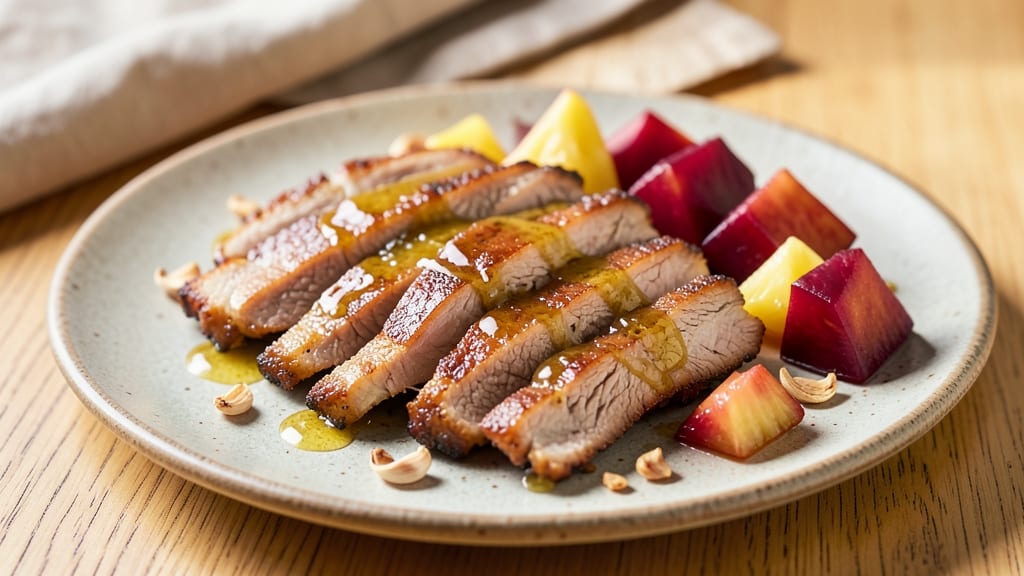
This pineapple juice pork tocino recipe transforms simple cuts of pork into crispy-edged, melt-in-your-mouth perfection in just 30 minutes. 🔥 The secret lies in the tangy-sweet marinade—pineapple juice tenderizes while adding a bright, tropical flavor that cuts through the richness.
I first discovered this technique while researching Filipino breakfast classics, and it quickly became a weekend staple in our home.
The magic happens in two simple steps: marinating the pork overnight (or at least 4 hours) to break down fibers, then baking until the edges are golden and the center remains juicy.
Traditional tocino often relies on soy sauce or vinegar, but pineapple juice adds a fruity depth that makes this version uniquely satisfying. The result? A dish that's crispy enough to stand up to bold flavors while staying tender enough to melt on your tongue.
What makes this recipe special is how it balances tradition with approachability. You don’t need fancy equipment—just a baking sheet and a deep dish for marinating.
Serve it with steamed rice and a side of atchara (Filipino pickled papaya) for an authentic experience, or keep it simple with a fresh pineapple slice on top. The pineapple juice marinade doubles as a dipping sauce, adding another layer of convenience.
This method works equally well for breakfast or dinner, making it a versatile addition to your weekly rotation. The crispy edges and juicy centers come together effortlessly, proving that restaurant-quality Filipino flavors are well within reach at home. Ready to try it? Let’s get started!
Ingredients for pork tocino recipe pineapple juice
Tropical flavors meet crispy perfection—just 12 ingredients for juicy pork with golden edges.
| Ingredient | Amount | Notes |
|---|---|---|
| Boneless Pork Shoulder Cuts 🥩 | 1 ½ lb | Thinly sliced, 1/4-inch thick |
| Pineapple Juice 🍍 | 1 ½ cups | Freshly squeezed, no pulp |
| Soy Sauce 🍶 | ½ cup | Light or regular, not low-sodium |
| Brown Sugar 🍚 | ¼ cup | Packed, light brown preferred |
| Garlic Cloves 🧄 | 6 cloves | Minced, fresh preferred |
| Black Peppercorns 🌶️ | 1 tsp | Freshly cracked, coarse grind |
| Olive Oil 🫒 | 1 tbsp | Extra-virgin, for coating |
| Fresh Ginger 🌿 | 1 tbsp | Grated, peeled, fresh preferred |
| Salt 🧂 | 1 ½ tsp | Kosher or sea salt |
| White Vinegar 💧 | 1 tbsp | For brightness, optional |
| Fresh Pineapple Slices 🍍 | 2 pieces | For serving, optional garnish |
| Steamed Jasmine Rice 🍚 | 2 cups | Cooked, for serving |
The pork cut matters here—shoulder or belly gives you that signature crispy texture. Filipino markets often carry pre-sliced tocino cuts, but if you're slicing yourself, keep them 1/4-inch thick for even cooking. Look for cuts with good marbling—they stay juicier. I usually grab mine from Asian grocery stores where they're prepped specifically for tocino, but any butcher can slice it for you. The pineapple juice should be freshly squeezed—canned juice lacks the bright acidity that tenderizes the pork. If you can't find fresh, 100% pure pineapple juice from the store works in a pinch, but avoid anything with added sugars or preservatives.
No fresh pineapple juice? Coconut water or orange juice can substitute, though the flavor will shift slightly. Running low on soy sauce? Coconut aminos work well, but reduce the amount by half since it's saltier. The brown sugar is key for caramelization—white sugar works, but it won't give that deep toasted flavor. Fresh ginger and garlic are non-negotiable here; dried spices just won't cut it. If you're feeling lazy, pre-minced garlic from a jar is fine, but fresh always tastes better. The white vinegar is optional but adds a nice tang—skip it if you're sensitive to acidity. For extra crispiness, toss the pork in cornstarch before baking, but don't overdo it or it'll get gummy.
Marinate the pork for at least 4 hours—overnight is ideal. Store the marinade in an airtight container in the fridge, and the pork will keep 2 days submerged. For baking, use a wire rack on a sheet pan to maximize crispiness. Leftovers? Reheat in a skillet over medium heat for 2-3 minutes per side—they reheat beautifully. The marinade doubles as a dipping sauce, so save any leftover juice in a jar for up to 3 days. Freeze cooked tocino for 1 month by wrapping tightly in parchment paper.
Why You'll Love This Recipe
- Pantry Staples Only: I swear by this recipe because it uses things I always have—no fancy shopping trips needed. That sweet-tart pineapple juice cuts through the richness of the pork, while the brown sugar caramelizes into a sticky glaze that takes five minutes to make. Honestly, the hardest part is waiting for the meat to crisp.
- Sweet-Savory Magic: Between us, this combo is ridiculously good—the soy sauce gives it that umami punch, but the pineapple juice keeps it bright and lively. The garlic cloves? They melt into the pork like little flavor bombs, turning a simple breakfast into something you’ll crave at midnight.
- Weeknight Workhorse: I make this when I’m too tired to plan—toss the pork in the marinade, let it sit overnight, and boom, breakfast is ready. It’s great for lazy Sundays, quick lunches, or even a potluck side that disappears faster than you can say “seconds?”
- Budget Breakfast Winner: A pound of pork shoulder stretches across three meals, and the rest of the ingredients cost pennies. I’ll be real: my kids ask for this more than eggs, and it’s half the price of bacon. Leftovers? They’re even better the next day—crispy edges, tender inside, and that sticky glaze? Pure satisfaction.
Step-by-step instructions for pineapple juice pork tocino
Here's how to transform tender pork into perfectly crispy, juicy tocino with vibrant pineapple flavor.
🍳 Step 1: Marinate the Pork for Maximum Flavor
In a large bowl, combine the 1.5 cups pineapple juice, 0.5 cup soy sauce, 0.25 cup brown sugar, 1 tbsp white vinegar, 1 tbsp grated fresh ginger, and 1.5 tsp salt. Mix well until the sugar fully dissolves and the marinade becomes homogenous. This sweet-savory blend is what creates that signature caramelized crust.
Add the 1.5 lb boneless pork shoulder cuts to the marinade, ensuring each slice is fully coated. Cover the bowl and refrigerate for at least 4 hours (overnight is even better). The acidity in the pineapple juice tenderizes the meat while the sugar begins caramelizing on the surface—this is what gives tocino its signature texture contrast.
🔥 Step 2: Pan-Fry Until Golden Brown
Remove the pork from the marinade (reserve the marinade for later) and pat each slice dry with paper towels. This step is critical—excess moisture prevents crispy edges. Heat 1 tbsp olive oil in a large skillet over medium-high heat until shimmering.
Working in batches to avoid crowding, add the pork slices and cook undisturbed for 2-3 minutes per side until they develop a deep golden-brown crust. You'll see the edges start to crisp—that's your signal to flip. The internal temperature should reach 145°F when done. Transfer to a plate and tent loosely with foil to keep warm.
🍳 Step 3: Build the Glazed Sauce
Return the reserved marinade to the skillet and bring to a simmer over medium heat. Reduce the heat to low and let it cook for 5-7 minutes, stirring occasionally, until it thickens slightly and coats the back of a spoon. This reduction intensifies the flavors and creates a glossy glaze.
Add the 6 minced garlic cloves and 1 tsp cracked black peppercorns to the sauce, stirring for 30 seconds until fragrant. The garlic should sizzle gently—don't let it burn, or it'll turn bitter. Keep the sauce warm while you prepare the final presentation.
🥘 Step 4: Assemble and Serve
Return the crispy pork slices to the skillet with the sauce and toss gently to coat evenly. The residual heat will melt the caramelized edges into the sauce, creating a sticky, flavorful coating. Cook for just 1 minute to ensure everything is well combined without overcooking the pork.
Serve immediately over 2 cups steamed jasmine rice, garnished with 2 pieces fresh pineapple slices for brightness. The contrast of crispy pork, sweet glaze, and tender rice makes every bite irresistible. For extra flair, drizzle any remaining sauce from the skillet over the top.
Pro Tips For Making Pork Tocino Recipe Pineapple Juice
- CRANK THE HEAT FIRST: Start your pork shoulder in a screaming-hot pan—no simmering, no "gentle warming." The first 3 minutes at max heat sear the edges and lock in flavor before the pineapple juice even hits. I used to rush this, and the meat always ended up mushy. Trust me, the sizzle is non-negotiable.
- USE FRESH GARLIC, MINCED THIN: Pre-minced garlic from a jar is lazy here. Fresh cloves, crushed and left whole until the very end, add depth—then toss them in just before serving so they don’t turn bitter. If you’re short on time, freeze the garlic first to make slicing easier (it’s brittle that way).
- SKIP THE BOIL-OVER: Pineapple juice reduces fast, but if you walk away, it’ll boil over and stick to your lid like glue. Keep the heat medium-low after the initial sear, and stir every 2-3 minutes. A splash of water later won’t ruin it, but the caramelized bits you’ll lose? That’s the good stuff.
- SALT THE PORK TWICE: Salt the pork shoulder before searing (generously—think 1 tsp per pound), then add another pinch when the pineapple juice comes in. The first salt seasons the meat, the second balances the sweetness. I learned this the hard way when my first batch tasted like dessert without enough savory punch.
Storing and reheating your pork tocino recipe pineapple juice
Refrigerator Storage
Store leftover pineapple juice pork tocino in an airtight container for up to 3 days in the fridge. The marinade's natural acidity helps preserve freshness, but the crispy edges will soften slightly over time.
I like to keep the pork and marinade separate—store the pork in one container and the leftover glaze in another for easy reheating. 🥩
Freezer Preservation
For longer storage, freeze cooked tocino by wrapping each slice tightly in parchment paper, then placing them in a freezer-safe bag. This method maintains crispiness better than freezing in bulk. Label with the date and store for up to 1 month.
Thaw overnight in the fridge before reheating. The pineapple juice marinade can also be frozen separately for up to 3 months—perfect for quick weeknight dinners. ❄️
Reheating Crispy Edges
To revive crispy edges, reheat in a nonstick skillet over medium heat for 2-3 minutes per side until golden again. Add a splash of water or reserved marinade to prevent drying.
For microwave reheating, cover with a damp paper towel and heat in 30-second intervals until warmed through—this keeps the meat juicy but sacrifices crispiness. 🔥
Sauce Revival Tricks
The reduced pineapple glaze thickens when cooled—simmer it with 1-2 tablespoons water to restore its glossy consistency. For extra flavor, add a pinch of black pepper or a splash of pineapple juice.
I often use leftover sauce as a dipping sauce for rice or even as a marinade for chicken skewers. The versatility makes it worth saving! 💫
Serving Leftovers Creatively
Transform leftover tocino into tocino rice bowls by layering with rice, steamed veggies, and a fried egg. Or chop it into tacos with slaw and a drizzle of the pineapple glaze.
The marinade also works as a grilling sauce for shrimp or chicken. Get creative—there are no wrong ways to enjoy this flavorful pork! 🌟
Safety Reminders
Always ensure pork reaches 145°F internal temperature before storing or reheating. When reheating, bring to 165°F to kill any bacteria. If the pork smells off or has a slimy texture after storage, discard it—better safe than sorry. The pineapple juice's acidity helps preserve freshness, but proper handling is key. 💡
Nutrition facts
Frequently asked questions
Can I use canned pineapple juice instead of fresh?
While fresh pineapple juice gives the best flavor, you can use 100% pure canned pineapple juice in a pinch. Look for brands without added sugars or preservatives—just reduce the amount by 1 tablespoon to account for water content. The texture will be slightly less vibrant, but it still adds that tropical brightness to the marinade.
How do I get extra crispy edges without drying out the pork?
Pat the pork slices very dry before cooking and work in small batches to avoid crowding the pan. A wire rack on a baking sheet works wonders—it allows air to circulate for even crispiness. For extra crunch, toss the pork in 1 tablespoon cornstarch after marinating but before cooking. Just don't overdo it or the edges will get gummy.
What can I substitute if I don't have brown sugar?
Use white sugar in equal amounts, but expect slightly less caramelization. For a deeper flavor, try 1 tablespoon honey or maple syrup mixed with 1 tablespoon less sugar. The marinade will be more liquid, so reduce the pineapple juice by 2 tablespoons to maintain balance. The result won't be identical, but it'll still be delicious!
Can I make this recipe in an air fryer?
Arrange the marinated pork slices in a single layer in the air fryer basket, leaving 1/2-inch space between pieces. Cook at 375°F for 8-10 minutes, flipping halfway, until golden and crispy. The air fryer gives you crispy edges with less oil, though you'll miss out on the caramelized pan sauce. Brush with reserved marinade after cooking for extra flavor.
Why does my tocino turn out chewy instead of tender?
Overcooking is the most common issue—pork should reach 145°F internally but not dry out. Cook in batches over medium-high heat and use a meat thermometer to check doneness. Another culprit? Not marinating long enough. The acid in pineapple juice needs at least 4 hours to break down fibers properly. If all else fails, try slicing thinner next time (1/4-inch thick max).