
Main Courses
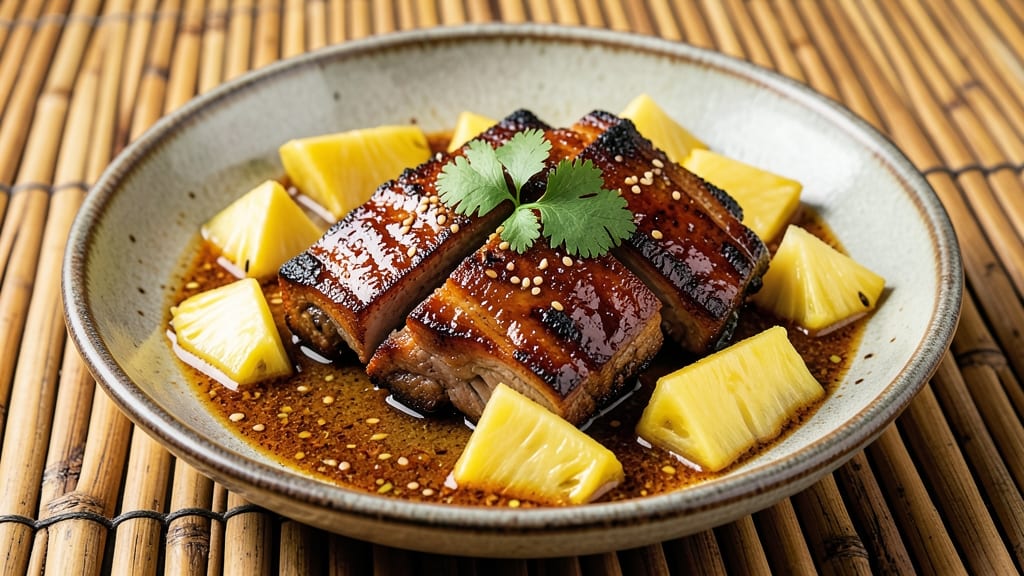
This Filipino-inspired pork ribs recipe delivers a perfect balance of sticky-sweet caramelization and tender meat that falls off the bone. 🌟 After years of perfecting Filipino techniques, I’ve developed a marinade that tenderizes the ribs while building layers of flavor—pineapple’s natural enzymes break down the meat, while vinegar and garlic create that signature tangy depth.
The glaze caramelizes into a glossy finish that’s irresistible. The secret lies in the marinade: pineapple juice, vinegar, and a blend of spices that infuse the ribs with complexity. I let them marinate overnight, ensuring every bite is packed with flavor.
The cooking process transforms tough ribs into melt-in-your-mouth perfection, with a glaze that’s both sweet and slightly acidic—a hallmark of Filipino cuisine. By the time you serve these ribs, they’ll be glossy, caramelized, and dripping with sauce, ready to be paired with garlic rice or pickled vegetables.
The aroma alone will have everyone gathering at the table, and the first bite delivers that perfect harmony of sweet, savory, and tangy. This recipe is a celebration of Filipino flavors, simplified for home cooks. Let’s get cooking!
Ingredients for pork ribs with pineapple filipino
Pineapple, vinegar, and spices transform tough ribs into melt-in-your-mouth Filipino perfection.
| Ingredient | Amount | Notes |
|---|---|---|
| Pork Baby Back Ribs 🍖 | 3 lb | Bone-in, meaty cuts preferred |
| Fresh Pineapple Juice 🍍 | 1 cup | From 1 small pineapple, strained |
| White Vinegar 💧 | ½ cup | For tangy depth |
| Garlic Cloves 🧄 | 6 cloves | Minced for marinade |
| Fresh Ginger 🌿 | ½ cup | Finely grated, peel removed |
| Brown Sugar 🍚 | ¾ cup | Packed tightly |
| Soy Sauce 🥢 | ¼ cup | Light or dark preferred |
| Olive Oil 🫒 | 2 tbsp | For searing ribs |
| Ground Black Pepper 🌶️ | 1 tsp | Freshly cracked |
| Salt 🧂 | 1 ½ tsp | Kosher or sea salt |
| Ground Cumin 🌿 | 1 tsp | Toasted for warmth |
| Fresh Pineapple Chunks 🍍 | 1 cup | For glaze, fresh preferred |
| Honey 🍯 | 2 tbsp | For caramelization |
| Kalamansi or Lime Juice 🍋 | 2 tbsp | Bright citrus finish |
The ribs are everything here—baby back cuts are ideal, but spare ribs work too. Look for meaty sections with good marbling. Costco or local butchers often have the best selection. Fresh ginger is key: grab the knobby, plump roots at Asian markets—they've got the best quality. The pineapple juice should be freshly strained for maximum flavor punch. If you can't find fresh, canned pineapple juice works in a pinch, but it'll lack that bright acidity.
No fresh ginger? Powdered ginger at half the amount gets you close. Short on soy sauce? Coconut aminos or even more vinegar will do. The honey in the glaze can be swapped for maple syrup if you're avoiding it. For the pineapple chunks, frozen works fine—just thaw and drain first. The garlic and cumin are non-negotiable though—those are the flavor anchors. Toast the cumin seeds in a dry pan for 30 seconds before grinding if you've got whole seeds—game changer.
Marinade keeps for 3 days in the fridge, but the ribs should marinate overnight for best results. The glaze can be made ahead—store it in a jar in the fridge for up to 1 week. Ribs reheat beautifully: 350°F for 15 minutes covered with foil. I always make extra glaze—it's perfect for drizzling over rice or tossing with noodles.
Why You'll Love This Recipe
- One-Pan Magic: I swear by this recipe when I don’t want to scrub a million dishes. Those sticky, caramelized ribs? They practically fall off the bone right onto the same tray where the pineapple-vinegar glaze pools—just wipe it down, toss it in the dishwasher, and call it a night.
- Sweet-Savory Balance: Honestly, the moment that pineapple juice hits the ribs is where this dish becomes ridiculously good. The tangy vinegar cuts through the richness, while the ginger and garlic add this warm, spicy depth—like a tropical twist on a classic BBQ, but way more exciting.
- Weeknight Crowd-Pleaser: Between us, this is my go-to when friends drop by unannounced. The ribs feed four easily, and the leftovers? Even better the next day. I’ll often serve them with rice and a simple salad—minimal effort, maximum wow factor.
- Budget-Friendly Luxury: Fresh pineapple juice might sound fancy, but it’s cheaper than you’d think, especially if you buy a whole pineapple and freeze the extra. Those baby back ribs stretch further than you’d expect, and the vinegar and ginger are pantry staples. Tastes like a restaurant, costs like a grocery run.
Step-by-step instructions for sticky-sweet Filipino pork ribs
Here's how to achieve that perfect balance of caramelized ribs and tangy-sweet glaze.
🔥 Step 1: Sear the Ribs for Maximum Flavor
Preheat your oven to 275°F—low and slow is key for tender ribs. Pat the 3 lb pork baby back ribs completely dry with paper towels. This step is crucial for crispy skin later.
Heat a large oven-safe skillet over medium-high heat and add the 2 tbsp olive oil. Once shimmering, add the ribs bone-side down and sear for 3-4 minutes until deeply golden brown. Flip and sear the meaty side for another 2-3 minutes. You'll know it's ready when the edges are rich mahogany color and the ribs release easily from the pan.
👨🍳 Step 2: Create the Tangy-Sweet Marinade
While the ribs are searing, combine the 1 cup fresh pineapple juice, 0.5 cup white vinegar, 0.5 cup finely grated fresh ginger, 6 cloves minced garlic cloves, 0.25 cup soy sauce, 1.5 tsp salt, 1 tsp ground black pepper, and 1 tsp ground cumin in a bowl. Whisk vigorously until the brown sugar is completely dissolved—this creates the perfect balance of sweet and tangy.
Here's the thing—this marinade does double duty as both a flavor base and a glaze. The acidity from the vinegar and pineapple juice tenderizes the meat while the brown sugar begins caramelizing. Pour this marinade over the seared ribs in the skillet, making sure every surface is coated.
🔥 Step 3: Slow-Bake Until Fork-Tender
Transfer the skillet to your preheated 275°F oven. Cover tightly with aluminum foil and bake for 2 hours. This slow cooking breaks down the collagen in the meat, transforming it into gelatin that makes the ribs fall-off-the-bone tender.
After 2 hours, remove the foil and increase the oven temperature to 375°F. Return the ribs to the oven uncovered for 15-20 minutes. You'll see the glaze start to bubble and caramelize—this is when the magic happens. The ribs are done when they're fork-tender and the glaze is thick and syrupy.
🍳 Step 4: Finish with Pineapple Glaze
While the ribs are finishing in the oven, make the glaze by combining 1 cup fresh pineapple chunks, 2 tbsp honey, and 2 tbsp kalamansi or lime juice in a small saucepan. Cook over medium heat for 5-6 minutes until the pineapple softens and the mixture reduces slightly, becoming thick and glossy.
Strain the glaze through a fine-mesh sieve to remove any pineapple chunks if you prefer a smoother finish. Pour this sticky-sweet glaze over the ribs just before serving. The high heat of the oven will help it cling beautifully to the meat.
🍽️ Step 5: Rest and Serve
Let the ribs rest for 5-10 minutes before serving. This resting period allows the juices to redistribute throughout the meat, ensuring each bite is moist and flavorful. The glaze will continue to thicken slightly during this time, creating that perfect sticky-sweet coating.
Slice the ribs between the bones and arrange them on a serving platter. Spoon any extra glaze from the pan over the top. Serve with steamed rice to soak up all that delicious sauce—you'll want every last drop! The combination of tender meat, caramelized edges, and tangy-sweet glaze makes these ribs truly unforgettable.
Pro Tips For Making Pork Ribs With Pineapple Filipino
- Sear the Ribs First: High heat for 3-4 minutes on each side before braising—this locks in juices and builds flavor. I used to skip this and ended up with ribs that tasted more like stew than caramelized meat.
- Use Pineapple Rind: Simmer the rind with the juice for 10 minutes—it adds depth without extra sugar. I was skeptical until I tried it; the sauce now has a complexity that store-bought versions miss.
- Balance the Vinegar: Add it gradually, tasting as you go—too much early on makes the sauce sharp. I learned this after burning my tongue the first time; now I start with half and adjust.
- Cut Ginger Thinly: Slice it paper-thin so it infuses without turning the sauce bitter. Thick chunks sit like rocks and ruin the texture—trust me, I’ve done it both ways.
Troubleshooting great pork ribs with pineapple filipino
Ribs Too Tough
If your ribs are tough after cooking, you likely didn’t slow-cook them long enough. The key is patience—ribs need 2-3 hours at 275°F to break down collagen properly. I’ve seen home cooks rush this step, but trust me, the wait is worth it.
For extra tenderness, add 1 tbsp soy sauce to the marinade or wrap ribs in foil with an extra ½ cup water during baking to create steam. 💪
Glaze Too Thin
A runny glaze usually means it didn’t reduce enough. Simmer your pineapple glaze uncovered on medium-high heat for 3-4 extra minutes—this evaporates excess liquid.
For a thicker base, reduce the honey slightly (use 1 tbsp instead of 2 tbsp) or add ½ tsp cornstarch mixed with 1 tsp water as a slurry. I’ve also found that straining pineapple chunks through a fine-mesh sieve removes excess moisture before cooking.
Pineapple Overpowering
Too much pineapple flavor? Balance it by increasing the vinegar (add 1 tbsp) or soy sauce (add 1 tbsp) to the marinade. For the glaze, reduce pineapple chunks to ½ cup and add 1 tsp ginger for warmth.
If the ribs taste too sweet, brush them with extra kalamansi juice before serving—its acidity cuts through the sugar beautifully.
Ribs Burning Before Done
If your ribs brown too quickly but aren’t tender, they’re likely exposed to too much heat. Cover them with foil during the 275°F stage and only uncover for the final 15-20 minutes at 375°F.
For extra protection, place a baking sheet under the skillet to catch drips. I’ve also had success using a meat thermometer—ribs are done at 195-203°F internal temp, regardless of color.
Marinade Not Sticking
Dry ribs won’t absorb marinade well. Always pat them completely dry with paper towels before searing. For stubbornly dry ribs, brush them with 1 tbsp olive oil before adding the marinade.
I also recommend marinating ribs bone-side up in a sealed bag for 4-6 hours (or overnight) to ensure even coating. The acidity in pineapple and vinegar works best when it penetrates deeply.
Glaze Not Caramelizing
A pale glaze means it didn’t reach the right temperature. Increase oven temp to 375°F for the last 10 minutes of cooking to encourage caramelization. For extra shine, brush ribs with a mix of 1 tbsp honey and 1 tsp soy sauce before the final broil.
I’ve also found that using a cast-iron skillet (like my vintage Lodge) helps create a deeper, richer caramelized crust than stainless steel.
Nutrition facts
Frequently asked questions
Why does this recipe use both vinegar and pineapple?
The combination creates the signature Filipino balance of sweet, tangy, and savory flavors. The vinegar tenderizes the ribs while cutting through the sweetness, and the pineapple's natural enzymes break down the meat fibers. Together, they create that perfect sticky-sweet glaze that's irresistible.
Can I substitute fresh pineapple with canned?
For the marinade, use 100% pineapple juice (no sugar added) to maintain the right acidity. For the glaze, canned pineapple chunks work but drain them well first. Fresh pineapple gives the best texture and flavor, but canned is a good backup when fresh isn't available.
How do I know when the ribs are done?
Ribs are perfectly cooked when they reach 195-203°F internally and the meat pulls away from the bone easily. You'll also see the glaze caramelizing and bubbling during the final 15-20 minutes at 375°F. The ribs should be fork-tender with no pink remaining.
What's the best way to serve these ribs?
Slice between the bones and arrange on a platter with extra glaze spooned over the top. Serve with steamed Filipino garlic rice and pickled vegetables like atchara (pickled papaya) to balance the richness. The rice soaks up all that delicious sauce—don't miss out on the leftovers!
Can I make this recipe in a slow cooker?
Sear the ribs first, then transfer them to a slow cooker with the marinade. Cook on low for 6-8 hours or high for 4-5 hours, then finish with the pineapple glaze on the stovetop. The slow cooker keeps the ribs tender without drying them out.