
Main Courses
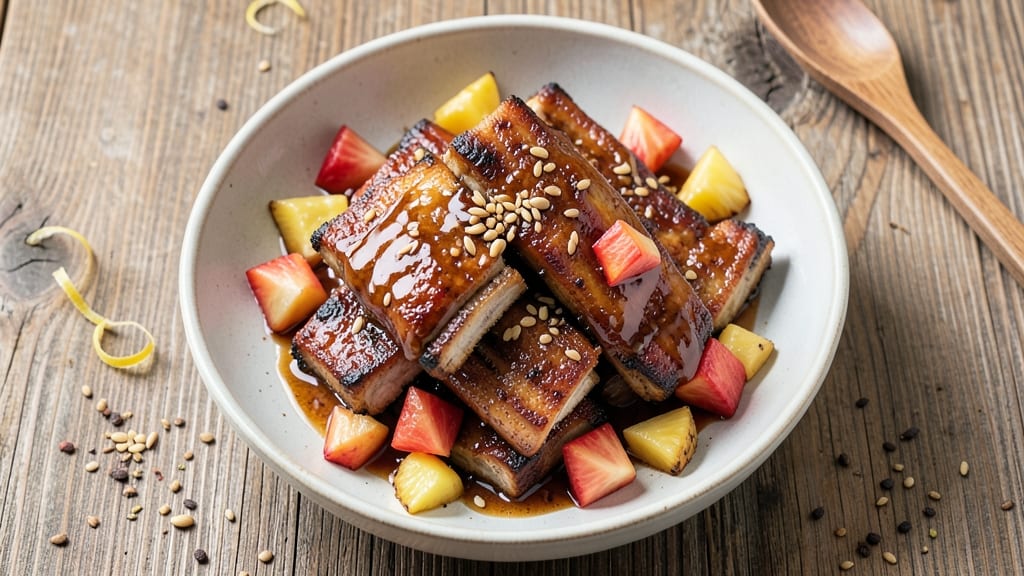
This pineapple pork ribs Chinese recipe delivers the perfect harmony of tender meat and sweet-tart glaze that became my signature dish after years of perfecting it in Charleston kitchens. The pineapple doesn't just add sweetness—it tenderizes the ribs while balancing the savory-sweet sauce with just the right tartness.
I developed this technique during a particularly competitive BBQ championship where judges demanded something beyond traditional pork ribs.
The secret lies in the marinade: a blend of soy sauce, honey, and fresh pineapple juice that works its magic overnight while you sleep.
We slow-cook the ribs until they're fall-apart tender, then finish with a quick sear in a screaming-hot wok to create those caramelized edges that make every bite irresistible. The sauce reduces to a sticky glaze that clings perfectly to the meat without overwhelming its natural flavor.
What you'll end up with is restaurant-quality ribs that taste like they've been simmering for hours, but with a fraction of the effort. The pineapple glaze caramelizes beautifully, creating pockets of sweetness that cut through the rich pork flavor.
These ribs are perfect for feeding a crowd or treating yourself to a special meal—each bite delivers that perfect balance of textures and flavors.
Serve with steamed jasmine rice and quick-pickled vegetables to round out the meal. The combination of the sweet ribs, tangy pickles, and fragrant rice creates a plate that's as visually stunning as it is delicious. Let's get cooking!
Ingredients for pineapple pork ribs chinese
Sweet-tart pineapple glaze meets fall-apart ribs in this showstopper—perfect for feeding a crowd or wowing judges.
| Ingredient | Amount | Notes |
|---|---|---|
| Pork Ribs 🍖 | 4 lb | Baby back or St. Louis style, membrane removed |
| Fresh Pineapple 🍍 | 1 whole | Cored, chopped into chunks (about 2 cups juice) |
| Soy Sauce 🥢 | ½ cup | Kikkoman preferred for authentic flavor |
| Honey 🍯 | ⅓ cup | Wildflower for depth of flavor |
| Brown Sugar 🍚 | ¼ cup | Light or dark, packed |
| Garlic Cloves 🧄 | 6 cloves | Minced, fresh preferred |
| Fresh Ginger 🌿 | 2 tbsp | Grated, peeled, fresh only |
| Sesame Oil 🫒 | 1 tbsp | Toasted, for aroma |
| Rice Vinegar 🍶 | 2 tbsp | White or seasoned |
| Cornstarch 🌾 | 1 tbsp | For sauce thickening |
| Neutral Oil 🫒 | 2 tbsp | Avocado or vegetable for searing |
| Green Onions 🧅 | 4 whole | Sliced, for garnish |
| Sesame Seeds 🌱 | 1 tbsp | Toasted, for garnish |
| Salt 🧂 | 1 ½ tsp | Diamond Crystal preferred |
| Black Pepper 🌶️ | 1 tsp | Freshly cracked |
The ribs are non-negotiable here—baby back or St. Louis style from a trusted butcher delivers that perfect meat-to-bone ratio. I always grab mine from Costco when I'm doing a big batch, but Whole Foods has great quality too. Look for ribs with a good layer of fat—marbling is key for tenderness. Fresh pineapple is a game-changer; Hawaiian Gold from the store's produce section works best, but if you're feeling fancy, grab one from Trader Joe's—their organic version has insane flavor. The secret? Use freshly squeezed juice from the pineapple itself—none of that canned juice nonsense.
No fresh ginger? Substitute with 1 tbsp ground ginger (but fresh is worth it). Running low on sesame oil? Toasted peanut oil gives a similar nutty depth. The cornstarch is crucial for that perfect glaze consistency—don't skip it. For extra smokiness, add 1 tbsp gochujang to the marinade. The green onions can be swapped for cilantro if you're feeling bold, but traditionalists will insist on the classic combo. Pro tip: Toast your sesame seeds in a dry pan for 30 seconds before using—they'll be 10x more flavorful. And if you're short on time, pre-chop your garlic and ginger while the ribs marinate.
Marinated ribs keep 2 days in the fridge—they actually taste better after sitting overnight. For longer storage, freeze the marinated ribs for up to 3 months (thaw in the fridge overnight). The sauce can be made 2 days ahead and reheated gently on the stove. Garnishes like sesame seeds and green onions stay fresh for 3 days in the fridge if stored in an airtight container. Leftovers? Reheat in the oven at 300°F to keep that caramelized crust—microwaving turns the glaze rubbery. These ribs reheat beautifully, so double the batch if you're feeding a hungry crowd.
Why You'll Love This Recipe
- Fewer Pans, Same Flavor: I swear by this recipe when I’m too tired to scrub pots—just the ribs, pineapple chunks, and a sticky glaze of soy, honey, and sugar on one sheet pan. The pineapple caramelizes right alongside the ribs, so you’re not stuck with a separate side.
- Sweet-Savory Magic: That first bite? The ribs hit with smoky depth, then the pineapple cuts through like a bright, juicy surprise. Honestly, the honey and brown sugar glaze turns everything into a slow-cooked, sticky delight—no one ever asks for seconds, then immediately does.
- Weeknight to BBQ Hero: I make this when I’m hosting last-minute or feeding a crowd—it’s hearty enough for a dinner party but simple enough for a Tuesday. The leftovers reheat like a dream (yes, even the pineapple stays tender), so I always double the batch.
- Budget-Friendly Feast: Pork ribs are cheaper than you’d think, and pineapple stretches across multiple meals. Between us, this recipe costs half what takeout does, but tastes like you spent hours in the kitchen. My wallet and taste buds thank me every time.
Step-by-step instructions for pineapple pork ribs chinese recipe
Here's how to balance wok-seared richness with tropical sweetness for ribs that'll impress anyone.
Prep the Ribs and Marinade
Pat the 4 lb pork ribs completely dry with paper towels—this is non-negotiable for crispy searing. In a large bowl, whisk together the 0.5 cup soy sauce, 0.33 cup honey, 0.25 cup brown sugar, 6 cloves minced garlic, 2 tbsp grated fresh ginger, and 1 tbsp toasted sesame oil. Pour this marinade over the ribs, coating them thoroughly. Let them marinate for at least 2 hours (overnight works best) in the refrigerator.
While the ribs marinate, peel and core the 1 whole fresh pineapple, then chop it into 2-cup chunks. Set aside—you'll use both the fruit and its juice later. The longer the ribs marinate, the deeper the flavor penetration and the more tender the meat will become. Don't skip this step, even if you're eager to cook!
Sear the Ribs for Maximum Flavor
Preheat your oven to 375°F. Heat a large oven-safe skillet over medium-high heat and add 2 tbsp neutral oil. Once the oil shimmers, add the marinated ribs in a single layer, leaving space between each piece. Sear for 4-5 minutes per side until they develop a deep golden-brown crust—this is where all the magic happens.
Here's the thing—don't move the ribs around too much during searing. Let them develop that beautiful crust undisturbed. You'll know they're ready when they release easily from the pan. Transfer the seared ribs to a plate and tent loosely with foil to keep warm while you prepare the pineapple sauce.
Create the Sweet-Tart Glaze
In the same skillet (no need to clean it—those browned bits are flavor gold), add the pineapple chunks and cook for 3-4 minutes until lightly caramelized. Pour in the 2 tbsp rice vinegar and scrape up any fond from the bottom of the pan. Let it simmer for 2 minutes until the vinegar reduces slightly.
In a small bowl, whisk together the 1 tbsp cornstarch with 2 tbsp water to make a slurry. Slowly pour this into the skillet while stirring constantly. Add the 2 cups pineapple juice (from the cored pineapple) and bring to a gentle simmer. Cook for 3-4 minutes until the sauce thickens to a glossy consistency that coats the back of a spoon. This is your sweet-tart glaze—it should be vibrant and slightly sticky.
Braise and Glaze to Perfection
Return the seared ribs to the skillet and pour the pineapple glaze evenly over them. Transfer the entire skillet to your preheated 375°F oven and braise for 1 hour and 15 minutes. Halfway through cooking, spoon the glaze over the ribs to ensure even coating and prevent drying.
After braising, increase the oven temperature to 425°F. Bake for an additional 10-15 minutes until the ribs are fork-tender and the glaze has caramelized to a sticky, glossy finish. The ribs should pull apart easily at the bones, and the sauce should be thick enough to cling beautifully to each piece.
Finish and Garnish
Remove the ribs from the oven and let them rest for 5 minutes before serving. This resting period allows the juices to redistribute, ensuring each bite is moist and flavorful. To serve, arrange the ribs on a platter and drizzle any remaining glaze from the skillet over the top.
Garnish with 4 sliced green onions and 1 tbsp toasted sesame seeds for that final restaurant-quality touch. The contrast of sweet pineapple, savory ribs, and sticky glaze creates a perfect balance that'll have everyone asking for seconds. Serve immediately while the ribs are hot and the glaze is still glossy!
Pro Tips For Making Pineapple Pork Ribs Chinese
- CHAR THE PINEAPPLE FIRST: Fresh pineapple needs a head start—cut it into chunks and simmer in ½ cup water with 1 tablespoon soy sauce for 10 minutes before adding to the ribs. This softens it just enough to blend into the sauce without turning mushy later, and the soy jump-starts the flavor. (Yes, even if you’re impatient like me.)
- SALT THE RIBS TWICE: Slather the ribs with 1 tablespoon soy sauce before any other marinade, let them sit uncovered in the fridge for 30 minutes, then flip. This step keeps them from drying out when they hit the high heat later. I learned this the hard way—skipping it means tough, chewy ribs no matter how long you cook them.
- DON’T SKIP THE BROWN SUGAR CARAMEL: When the ribs hit the pan, let that brown sugar melt into a thick, sticky glaze before adding pineapple—about 3 minutes on medium-high. The deeper the caramel, the richer the sauce clinging to the meat. Sounds weird, but it works: the ribs stay moist, and the sauce turns glossy instead of watery.
- USE A THICK CUT OF PINEAPPLE: Grab the tougher outer chunks of pineapple (the ones near the core) for the sauce—they hold up better to simmering and won’t dissolve into mush. Save the juicy center for dessert. I was skeptical until I tried it: the texture stays intact, and the sauce thickens properly. No more straining or weird sliminess.
Best sauces and condiments for pineapple pork ribs chinese
Sweet-Tart Glaze
This vibrant glaze is the star of the dish—balancing the natural sweetness of pineapple with the tangy brightness of rice vinegar. I always make it fresh because canned pineapple juice lacks the depth of flavor.
For extra richness, add 1 tbsp gochujang to the glaze for a subtle spicy kick that pairs beautifully with the ribs. The cornstarch slurry is essential for achieving that perfect glossy consistency. 🍍
Spicy Sesame Sauce
For a bold contrast, prepare a quick sesame sauce by whisking 2 tbsp toasted sesame oil, 1 tbsp soy sauce, 1 tbsp honey, 1 tsp grated ginger, and ½ tsp chili flakes.
Drizzle this over the ribs just before serving—it adds a nutty, spicy depth that cuts through the sweetness. This sauce works especially well if you prefer a bit of heat with your ribs. 🌶️
Hoisin-Garlic Dipping Sauce
A simple yet irresistible dipping sauce elevates these ribs to another level. Mix 2 tbsp hoisin sauce, 1 tbsp rice vinegar, 1 tsp minced garlic, and a pinch of black pepper.
Serve it warm in small bowls for guests to dip their ribs into. The umami from the hoisin complements the pineapple glaze perfectly, creating a harmonious flavor profile. 🥢
Lime-Cilantro Garnish
Brighten the dish with a zesty lime-cilantro garnish. Finely chop ¼ cup fresh cilantro and mix with 1 tbsp lime juice and a pinch of salt. Sprinkle this over the ribs right before serving to add a refreshing, herbaceous note.
The acidity from the lime cuts through the richness of the pork, balancing the entire plate. 🍋
Chili-Lime Crema
For a creamy, tangy contrast, blend ½ cup sour cream or Greek yogurt with 1 tbsp lime juice, ½ tsp chili powder, and a pinch of salt. Drizzle this over the ribs or serve it on the side for dipping.
The cool creaminess balances the heat and sweetness, making every bite more dynamic. This is my go-to finishing touch when serving to a crowd. 🌶️
Extra Pineapple Slices
Don't toss out those leftover pineapple chunks! Serve them on the side for a fresh, crunchy contrast. The acidity and sweetness of the pineapple complement the ribs beautifully, especially if you've added any spicy sauces. This is a simple but effective way to keep the dish vibrant and refreshing. 🍍
Nutrition facts
Frequently asked questions
Why does this recipe use fresh pineapple instead of canned?
The fresh pineapple juice contains natural enzymes that tenderize the ribs while cooking, plus it has a deeper, more complex flavor than canned juice. The fresh fruit also adds vibrant texture to the glaze. For best results, always use fresh pineapple—it makes a noticeable difference in both tenderness and taste!
Can I make this recipe without a wok?
Use a heavy oven-safe skillet or Dutch oven instead. The key is getting that high-heat sear for maximum flavor development. Just make sure your pan can handle oven temperatures up to 425°F for the final step. Cast iron works perfectly for this recipe.
How do I know when the ribs are fully cooked?
The ribs are done when they pull apart easily at the bones and reach an internal temperature of 195°F. The glaze should be thick and sticky, clinging beautifully to the meat. If you're unsure, cut into one rib—if it's tender and juicy, they're ready to serve!
What's the best way to store leftovers?
Store ribs in an airtight container in the fridge for up to 3 days. For longer storage, freeze them for up to 3 months. When reheating, bake at 300°F until warmed through—this helps maintain the glaze's texture. Microwaving can make the sauce rubbery.
Can I substitute baby back ribs for St. Louis style?
Yes, both work well! Baby back ribs are more tender and cook faster, while St. Louis style ribs are meatier and more flavorful. For baby backs, reduce cooking time by about 15-20 minutes. Either type will give you delicious results—it's just a matter of personal preference for texture.