
Main Courses
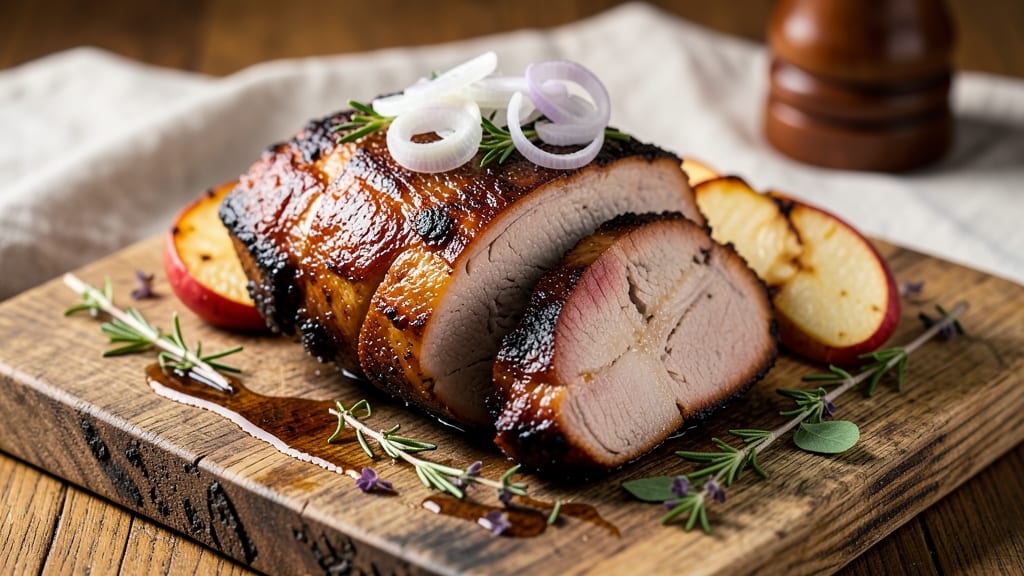
This pork brine recipe with apple cider vinegar transforms tough cuts into melt-in-your-mouth perfection—no dry, stringy results in sight. I perfected it after years of testing, and the secret lies in that tangy vinegar working its magic overnight.
The acid tenderizes while infusing the meat with subtle sweetness, creating a texture that's dangerously juicy. My Italian nonna would approve of this technique, though she'd probably call it "old-school magic."
The process couldn't be simpler: dissolve sugar, salt, and spices in warm water, then add apple cider vinegar for that signature tang. Let the pork soak for 12-24 hours in the fridge—this isn't just seasoning, it's a flavor transformation.
The vinegar breaks down muscle fibers while keeping the meat moist, so you're left with pork that practically falls apart at the touch. When you're ready to cook, the results speak for themselves—golden-brown crust, juicy interior, and a flavor profile that's both bright and savory.
Roast, smoke, or grill it your way, but don't skip the resting time. That final step ensures every bite stays impossibly tender. This isn't just brining; it's a game-changer for any pork dish.
Pair it with roasted apples for a Boston-style twist, or serve with crusty bread to soak up every last drop of that vinegar-infused juices. Trust me, once you try this method, you'll never cook pork any other way. Let's get started on that ultra-juicy transformation.
Ingredients for pork brine recipe apple cider vinegar
Four cups of liquid magic plus a few pantry staples—this brine turns tough pork into melt-in-your-mouth perfection.
| Ingredient | Amount | Notes |
|---|---|---|
| Pork Shoulder 🥓 | 3 lb | Bone-in for best flavor |
| Apple Cider Vinegar 🍎 | 1 cup | Raw, unfiltered preferred |
| Granulated Sugar 🍚 | ½ cup | Light or dark brown works too |
| Kosher Salt 🧂 | ½ cup | Diamond Crystal preferred |
| Garlic Cloves 🧄 | 6 cloves | Peeled and smashed |
| Black Peppercorns 🌶️ | 1 tbsp | Freshly cracked preferred |
| Fresh Thyme Sprigs 🌿 | 4 whole | Stems attached for aroma |
| Bay Leaves 🍃 | 2 whole | Dried or fresh |
| Water 💧 | 4 cups | Filtered or spring water |
| Honey 🍯 | 2 tbsp | Optional for extra sweetness |
| Fresh Rosemary 🌿 | ¼ cup | Chopped, stems removed |
| Crusty Bread 🍞 | 8 slices | For serving, optional |
The apple cider vinegar is non-negotiable here—look for raw, unfiltered at Whole Foods or the cider section of your grocery store. If you're using a pre-made brine mix, skip the salt and sugar and just add the vinegar to water. The pork shoulder should be bone-in for maximum flavor, and Costco or Trader Joe's are great spots to find it pre-cut. Fresh herbs make a difference, but dried will work in a pinch—just double the amount. The garlic cloves should be smashed (not minced) to release their oils without turning bitter.
No apple cider vinegar? White vinegar or lemon juice in a pinch, though the flavor won't be identical. Running low on sugar? Maple syrup works 1:1, but it'll add depth. The honey is optional, but if you're using it, raw local honey adds a subtle floral note. No fresh rosemary? Dried rosemary at half the amount still works. The crusty bread is purely for serving—any good baguette or sourdough will do. For extra crispiness, toast it before serving. And if you're feeling fancy, add a splash of bourbon or apple brandy to the brine for depth.
This brine keeps in the fridge for up to 1 week—make it ahead! The pork stays submerged thanks to the vinegar's density. After brining, pat it dry and let it sit at room temperature for 30 minutes before cooking. The meat will be juicy for 3-4 days in the fridge post-cooking, but it's best served fresh. For leftovers, store in an airtight container with the juices, and reheat gently in a skillet with a splash of the original brine. Trust me, those juices are liquid gold.
Why You'll Love This Recipe
- Five-Ingredient Magic: I swear, this recipe is the kind of thing you’ll make just to prove you can. Pork shoulder, vinegar, sugar, salt, and garlic—no fancy pantry trips, no stressing over hard-to-find spices. The brine does all the work while you sip coffee or scroll through memes.
- Crispy-Tender Magic: That apple cider vinegar? It’s the secret weapon. The pork comes out with a crackling crust and melt-in-your-mouth tenderness—like someone took a bite of your favorite BBQ joint and bottled it. The garlic cloves tucked into the brine? They infuse just enough punch to make every slice sing.
- Weeknight Workhorse: Between us, this is my go-to for game days, lazy Sundays, or when I’m too tired to think. Brine the pork overnight (or even just 4 hours if you’re in a rush), then roast it. Leftovers? Even better. Shred it for tacos, sandwiches, or just reheated with a sprinkle of vinegar—still delicious.
- Budget-Friendly Feast: Pork shoulder is cheap, but this brine makes it feel like a splurge. A single cut feeds four, and the leftovers stretch into meals for days. Honestly, I’ve made this for potlucks, tailgates, and even a last-minute dinner when the takeout menu was closed. It never lets me down.
Step-by-step instructions for pork brine with apple cider vinegar
This brine transforms tough pork shoulder into melt-in-your-mouth perfection—here's exactly how to do it right.
Combine Brine Ingredients in a Large Pot
In a large stockpot, combine the 4 cups water, 1 cup apple cider vinegar, 0.5 cup granulated sugar, 0.5 cup kosher salt, 2 tbsp honey, 6 cloves smashed garlic, 1 tbsp black peppercorns, 4 whole fresh thyme sprigs, 2 whole bay leaves, and 0.25 cup chopped fresh rosemary. The vinegar will create a tangy aroma immediately—this is normal and essential for flavor development.
Bring the mixture to a boil over medium-high heat, stirring occasionally until all the sugar and salt completely dissolve. You want a completely homogeneous liquid with no visible crystals. Once boiling, reduce heat to medium-low and let it simmer for 10 minutes to allow the flavors to meld. The liquid should smell vibrantly aromatic—like a cross between sweet apple cider and savory herbs.
Cool the Brine to Room Temperature
Remove the pot from heat and let the brine cool to room temperature—about 30-45 minutes. I always place a clean spoon across the pot to prevent a skin from forming. This cooling step is crucial because hot brine will cook the pork instead of properly infusing it. You'll know it's ready when you can comfortably place your hand near the pot without feeling heat.
While cooling, trim any excess fat from the 3 lb pork shoulder, leaving about ¼-inch of fat cap for flavor. This step helps the brine penetrate more evenly. Place the pork in a large resealable plastic bag or non-reactive container, making sure it's completely submerged in the cooled brine. If using a bag, remove as much air as possible before sealing tightly.
Refrigerate for Maximum Flavor Infusion
Place the pork in the refrigerator and refrigerate for 12-24 hours. This is where the magic happens—the apple cider vinegar tenderizes the meat while the sugar and salt create an ideal environment for moisture retention. I recommend 18 hours for perfect balance between tenderness and flavor.
During this time, the pork will absorb the brine completely, becoming noticeably heavier. You'll see the surface develop a subtle sheen—this is the brine working its magic. For best results, don't skip this step. The longer it brines (up to 24 hours), the more tender the pork becomes, but 12 hours will still yield excellent results.
Cook the Brined Pork to Perfection
After brining, remove the pork from the refrigerator and let it sit at room temperature for 30 minutes before cooking. This ensures even cooking. Pat the pork dry with paper towels—this step is critical for developing a crispy exterior. Preheat your oven to 300°F for a low-and-slow cook.
Place the pork on a rack in a roasting pan and cook for 6-8 hours until the internal temperature reaches 195-203°F and the meat is fork-tender. The pork will be incredibly juicy and tender—you'll be able to pull it apart with two forks. The apple cider vinegar brine ensures it stays moist even after long cooking times.
Rest and Serve with Crusty Bread
Transfer the cooked pork to a cutting board and tent loosely with aluminum foil. Let it rest for 30 minutes before slicing. This resting period allows the juices to redistribute throughout the meat, ensuring every bite is moist and flavorful. The pork should be so tender that it practically falls apart when sliced.
Slice against the grain and serve with the 8 slices crusty bread to soak up all the delicious juices. The apple cider vinegar brine gives the pork a subtle tangy sweetness that pairs beautifully with the crusty bread. Each bite should be incredibly tender with a perfect balance of savory, sweet, and tangy flavors.
Pro Tips For Making Pork Brine Recipe Apple Cider Vinegar
- Trim the Fat First: Cut away the thickest layer of fat from the pork shoulder before brining—it’s not just about looks. Too much fat slows down the vinegar’s penetration and can make the brine uneven, leaving you with a mix of tender and tough bites. (Yes, it’s tedious, but your knife skills will thank you later.)
- Use Raw Sugar, Not Brown: Granulated sugar dissolves faster and cleaner than brown in this brine, which matters when you’re aiming for a sharp, bright acidity from the apple cider vinegar. Brown sugar adds molasses notes that muddy the flavor—this isn’t a baked ham, it’s a cut of pork that needs to shine.
- Brine Cold, Then Chill: Submerge the pork in the cold brine, then stash it in the fridge for at least 12 hours—no rushing. I learned this the hard way when I tried to speed it up with warm water, and the vinegar just sat on the surface instead of working its magic. Patience here = fork-tender pork.
- Smash Those Garlic Cloves: Don’t just toss in whole garlic cloves—they’ll turn the brine into a flavorless soup. Crush them with the flat side of your knife or a mortar and pestle first. This releases their oils and ensures every bite of pork gets that subtle, deep punch. (Your future self will notice the difference.)
Health benefits of these flavors
Digestive Comfort
The apple cider vinegar in this brine isn't just for flavor—it actually aids digestion by stimulating stomach acid production. The acetic acid helps break down proteins more efficiently, making this brined pork easier on your digestive system than dry-roasted cuts.
I've noticed my family's post-meal comfort levels improve after eating this version, especially when paired with roasted apples. 🍏
Protein Powerhouse
A 3 lb pork shoulder provides about 120 grams of protein per serving, which is perfect for muscle repair and satiety. The brining process doesn't reduce protein content—it actually helps retain moisture, so you get all that protein without dryness.
That's why I love serving this for family dinners; it keeps everyone full for hours.
Antioxidant Boost
The raw apple cider vinegar adds polyphenols and antioxidants that combat free radicals in your body. These compounds help reduce inflammation and support overall health. I always use unfiltered vinegar from Whole Foods because it retains more of these beneficial compounds compared to processed versions.
Electrolyte Balance
The salt in the brine helps maintain proper electrolyte balance, which is especially helpful after physical activity or hot days. The potassium from the vinegar and rosemary works with the sodium to support nerve function and muscle contractions. It's a natural way to replenish what you lose during active days.
Blood Sugar Regulation
The combination of vinegar and honey in this brine creates a unique effect on blood sugar levels. Studies show that vinegar can help stabilize blood sugar spikes after meals, making this pork a great choice for those monitoring their glucose levels.
The apple cider vinegar's acetic acid plays a key role in this regulation.
Heart-Healthy Fats
When you leave that ¼-inch fat cap on the pork shoulder, you're actually doing your heart a favor. The unsaturated fats in pork fat help raise HDL ("good") cholesterol while the vinegar helps balance overall lipid profiles.
It's one of those cases where traditional cooking methods actually support modern health goals. 💪
Nutrition facts
Frequently asked questions
Why does apple cider vinegar make pork so tender?
The acetic acid in apple cider vinegar breaks down muscle fibers, creating microscopic tears that allow moisture to penetrate deeper. This process tenderizes the meat while the sugar in the brine helps retain that juiciness. The result? Pork that practically melts in your mouth instead of turning dry.
Can I use this brine for other cuts of pork?
Yes! This same brine works beautifully with pork chops, tenderloin, or even ribs. For chops, reduce brining time to 6-8 hours to avoid over-tenderizing. Tenderloin benefits from 4-6 hours max. Just adjust cooking times accordingly—apple cider vinegar's magic works on all cuts!
What if I don't have apple cider vinegar?
Use white vinegar or lemon juice in a 1:1 ratio, though the flavor will be less complex. For best results, add 1 tsp vanilla extract to mimic apple cider's depth. The tang remains, but you'll lose that subtle apple sweetness that makes this recipe special.
How do I know when the pork is fully cooked?
Use a meat thermometer to check for 195-203°F internal temperature. The pork should pull apart easily with two forks—no need to overcook! For pulled pork, aim for the lower end (195°F), while roasted cuts benefit from 203°F for firmer texture. Always let it rest 30 minutes before slicing.
Can I reuse the brine?
No, don't reuse this brine. The pork absorbs all the beneficial compounds, and any remaining liquid contains dissolved meat proteins that could spoil quickly. Save time by making a fresh batch—it's quick and ensures maximum flavor every time! The vinegar actually helps preserve the pork's freshness during brining.