
Main Courses
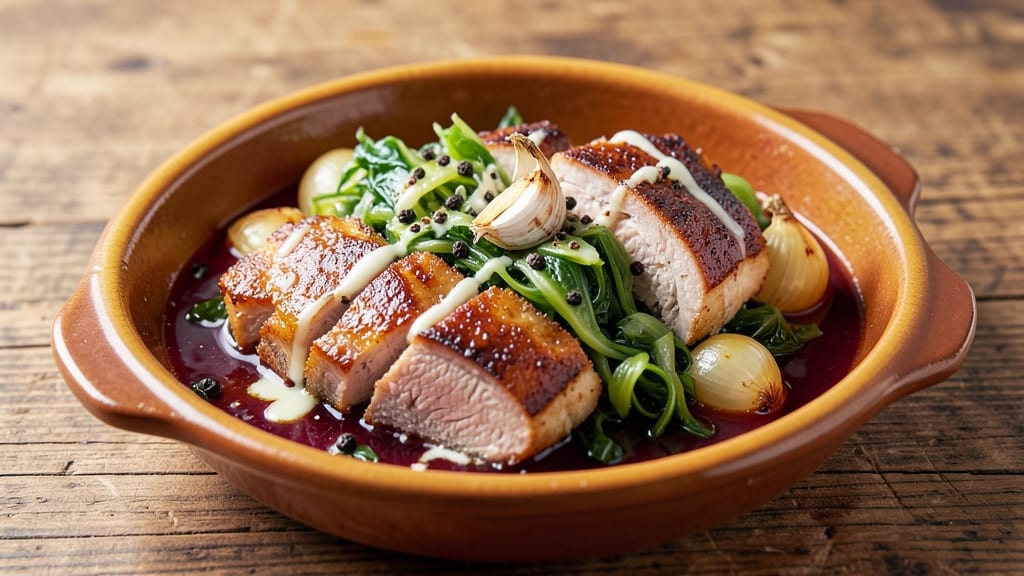
This pork and sauerkraut recipe with apple juice transforms humble ingredients into a dish that tastes like a cozy German tavern. The secret lies in slow-braising pork until it's fork-tender, then finishing with apple juice that caramelizes into a glossy, sweet-tart sauce.
My grandmother used to make this when apple season was at its peak—now I've perfected it for weeknight dinners that still feel special.
The magic happens in the braising: pork shoulder becomes melt-in-your-mouth tender while absorbing the tangy sauerkraut and sweet apple juice. Unlike quick recipes that leave pork dry, this method guarantees juicy meat with crispy edges that hold up to every bite.
The apple juice isn't just for flavor—it creates that signature caramelized glaze that makes this dish look restaurant-worthy.
What you'll end up with is a dish that's rich, satisfying, and perfectly balanced—sweet from the apples, tangy from the sauerkraut, and savory from the pork. The aroma alone will have everyone gathering at the table, and the leftovers taste even better the next day.
This is comfort food at its finest, made without shortcuts that compromise quality.
Serve with crusty bread to soak up every last bit of that caramelized sauce, or pair it with buttery mashed potatoes for a complete meal. The flavors are bold enough to stand alone but still welcome sides. Let's get cooking—this recipe delivers on its promise of hearty, flavorful satisfaction.
Ingredients for pork and sauerkraut recipe with apple juice
Six hearty ingredients transform into a restaurant-worthy German-style braise with caramelized edges.
| Ingredient | Amount | Notes |
|---|---|---|
| Pork Shoulder 🥩 | 3 lb | Bone-in for best flavor |
| Sauerkraut 🥬 | 2 cups | Drained, rinsed if too acidic |
| Unsalted Butter 🧈 | ½ cup | Cold, cubed for browning |
| Apple Juice 🍎 | 1 ½ cups | Unsweetened, preferably tart |
| Yellow Onion 🧅 | 1 whole | Diced, medium size |
| Garlic Cloves 🧄 | 4 cloves | Minced, fresh preferred |
| Fresh Thyme 🌿 | ¼ cup | Leaves only, chopped |
| Carrots 🥕 | 2 medium | Peeled, sliced into rounds |
| Bay Leaves 🍃 | 2 whole | Dried, standard size |
| Kosher Salt 🧂 | 1 ½ tbsp | Diamond Crystal preferred |
| Black Peppercorns 🌶️ | 1 tsp | Freshly cracked |
| All-Purpose Flour 🌾 | 2 tbsp | For thickening sauce |
| Fresh Parsley 🌿 | ⅛ cup | Chopped, for garnish |
| Crusty Bread 🍞 | 1 loaf | For serving, optional |
The pork shoulder is non-negotiable—bone-in, not lean, for maximum flavor and moisture. Costco or Whole Foods carry excellent cuts, but any well-marbled shoulder works. Trim excess fat if it's particularly thick, but leave some for flavor. Sauerkraut quality matters: Rehrl or Bubbap's brands deliver consistent tang without overpowering. The apple juice should be tart—unsweetened is key, as added sugar will make the sauce cloying. For the butter, Plugrá or European-style brands melt beautifully, creating that signature caramelized glaze. Fresh thyme and parsley elevate the dish beyond basic German fare, so don't substitute dried unless absolutely necessary.
No apple juice? White grape juice or cider vinegar can substitute at the same volume, though the flavor profile shifts slightly. The carrots can be omitted entirely if you prefer, but they add natural sweetness that balances the sauerkraut's acidity. Running low on fresh thyme? Dried thyme at one-third the amount works, but toast the leaves first for deeper flavor. The flour is strictly for thickening—don't skip it, as the sauce needs body to coat the pork properly. For a gluten-free version, use cornstarch instead, but increase to 3 tbsp and mix with cold water before adding. The bay leaves can be removed after 2 hours if you dislike their flavor, but they're essential for the aromatic base.
This braise improves dramatically overnight—make it a day ahead if possible. Store in an airtight container in the fridge for up to 5 days, or freeze portions for 3 months. Reheat gently on the stove with a splash of water or apple juice to restore moisture. The crusty bread should be served warm, either toasted in the oven or lightly buttered. Leftovers reheat beautifully, with the pork becoming even more tender. For a restaurant presentation, garnish with extra parsley and a drizzle of caramelized apple juice reduction.
Why You'll Love This Recipe
- One-Pan Magic: Honestly, I swear by this recipe because it’s literally one pan. Toss the pork shoulder and sauerkraut in a deep skillet, add the onions and apple juice, and let it braise—no chopping boards to scrub, no extra pots to wash. The butter pools up in the bottom, turning the onions golden while the pork falls apart. My lazy Sundays just got a whole lot easier.
- Sweet-Savory Balance: Between us, that apple juice is the secret weapon. It cuts through the tang of the sauerkraut and caramelizes into a glossy glaze that makes the pork ridiculously tender. The onions add a sharp bite, but the sweetness of the juice ties everything together—like a hug in your mouth. (Yes, even on a Tuesday night.)
- Leftovers That Shine: I make this on Sunday and eat it all week. The flavors get better the next day, especially if you let it sit overnight—the pork soaks up all that tangy juice and becomes dangerously addictive. Pack it in lunches, serve it cold in sandwiches, or reheat it with a sprinkle of caraway seeds. It’s my go-to for when I don’t want to cook.
- Budget-Friendly Feast: Pork shoulder is cheap, sauerkraut lasts forever, and a bag of onions won’t break the bank. This recipe stretches to feed four for dinner or six for leftovers, and the apple juice adds a touch of luxury without costing a fortune. Plus, the butter? Just a few tablespoons—no waste, all flavor. My wallet and my taste buds thank me every time.
Step-by-step instructions for pork and sauerkraut braise
Transform simple ingredients into a rich, caramelized masterpiece with this precise braising method.
Sear the Pork Shoulder for Deep Flavor
Pat the 3 lb pork shoulder completely dry with paper towels—this ensures maximum browning. Season both sides generously with 1.5 tbsp kosher salt and 1 tsp freshly cracked black peppercorns, pressing the seasoning into the meat so it adheres well.
Heat a Dutch oven over medium-high heat and add 0.5 cup cold cubed unsalted butter. Once the butter foams, place the pork shoulder fat-side down and sear undisturbed for 8-10 minutes until a deep golden-brown crust forms. Flip and sear the other side for another 6-8 minutes. The goal is to develop a rich, caramelized foundation for the braise—this is where all the flavor begins.
Build the Aromatic Base
Remove the pork from the Dutch oven and set it aside. In the same pot, reduce the heat to medium and add 1 whole diced yellow onion and 2 medium sliced carrots. Cook for 5-6 minutes until the onions soften and begin to caramelize at the edges. Add 4 minced garlic cloves and 0.25 cup chopped fresh thyme, cooking for another 30 seconds until fragrant.
Sprinkle 2 tbsp all-purpose flour over the vegetables and stir vigorously for 1-2 minutes to cook off the raw flour taste. This creates a light roux that will help thicken the braising liquid later. The mixture should smell deeply savory—this is your flavor anchor.
Braise with Apple Juice and Sauerkraut
Return the pork shoulder to the Dutch oven and pour in 1.5 cups apple juice, scraping up any browned bits from the bottom. Add 2 cups drained sauerkraut, 2 whole bay leaves, and increase the heat to medium-high. Bring to a gentle boil, then immediately reduce to a simmer. Cover tightly with a lid and cook for 2 hours, turning the pork occasionally to ensure even exposure to the liquid.
The liquid should reduce by about one-third during this time, creating a rich, slightly tangy sauce. The pork is now tenderizing, but it will continue cooking as it rests. The sauerkraut will soften and meld its signature tang with the sweet apple juice, creating the perfect balance of flavors.
Finish with Caramelized Edges
After 2 hours, carefully remove the pork shoulder and slice it into ½-inch thick pieces. Return the sliced pork to the Dutch oven and increase the heat to medium-high. Simmer uncovered for 10-15 minutes, stirring occasionally, until the liquid reduces further and the edges of the pork develop a beautiful caramelized glaze. This step intensifies the flavors and creates that restaurant-quality finish.
Taste the sauce and adjust seasoning if needed—you might need a pinch more salt to balance the tangy sauerkraut. The pork should be fork-tender with a crisp edge, and the sauce should coat the back of a spoon with a velvety consistency.
Serve with Fresh Herbs and Crusty Bread
Transfer the pork and sauce to a serving platter and garnish with 0.125 cup chopped fresh parsley. The bright green color contrasts beautifully with the deep caramelized tones of the braise. Serve immediately with slices of 1 loaf crusty bread on the side for soaking up the rich sauce.
Each bite should deliver tender, juicy pork with a perfect balance of sweet apple, tangy sauerkraut, and aromatic thyme. The caramelized edges add a satisfying texture contrast that elevates this dish from simple to extraordinary. Leftovers reheat beautifully and taste even better the next day as the flavors deepen.
Pro Tips For Making Pork And Sauerkraut Recipe With Apple Juice
- CRANK THE HEAT FIRST: Brown that pork shoulder hard in a cold pan—no shortcuts. I used to rush this, and the sauce always tasted flat. Start with the pan on medium-high, let it scream for 3-4 minutes until the meat releases deep color, then pull it off the heat to finish cooking. That crust? It’s what carries the flavor through the apple juice and sauerkraut.
- RINSE THE SAUERKRAUT: Drain and rinse the sauerkraut thoroughly—even if it looks clean. The brine hides, and too much salt will turn your dish into a brine bath. Toss it in a colander, give it a good shake, and let it drain for 10 minutes. Trust me, your taste buds will notice the difference when that apple juice shines.
- SWEAT THE ONIONS LOW: Don’t let those onions burn—this isn’t a sear, it’s a slow dance. Cook them on low heat for 8-10 minutes until they’re translucent and just starting to caramelize. I learned this the hard way when I walked away for one minute, and suddenly my dish smelled like a campfire. Keep an eye on them.
- DEGLAZE WITH APPLE JUICE: Don’t just dump the apple juice in—use it to scrape every last bit of browned pork from the pan. That’s where the flavor lives. Add the juice slowly, let it bubble, then stir like you’re trying to coax it out. I was skeptical until I tried it—the sauce thickens better and tastes richer. Worth the extra 30 seconds.
Regional styles of this pork and sauerkraut recipe with apple juice
German Tavern Style
This is the classic version my grandmother used to make, perfect for a cozy German-inspired dinner. She always served it with a side of buttered potato dumplings—simple boiled potatoes mashed with butter, salt, and a little flour to bind them.
The dumplings soak up the caramelized sauce beautifully, and the contrast with the tangy sauerkraut is pure comfort food magic. I still make them the old-fashioned way, even though I've tried store-bought versions—they just don't compare. 🥔
Americanized Weeknight Version
For a quicker weeknight meal, swap the traditional dumplings for creamy mashed potatoes—just mix 3 cups boiled Yukon Gold potatoes with 4 tbsp butter, ¼ cup warm milk, and ½ tsp salt.
The richness of the potatoes balances the tangy sauerkraut perfectly, and it's a crowd-pleaser that comes together in under 30 minutes. I often add a pinch of nutmeg to the potatoes for that extra cozy touch that reminds me of Thanksgiving leftovers. 🍽️
Czech-Inspired Twist
In Czech cuisine, this dish often includes sauerkraut with caraway seeds—about 1 tsp ground caraway mixed into the sauerkraut before adding it to the braise. The caraway adds a warm, earthy note that pairs beautifully with the apple juice's sweetness.
I also like to serve it with dark rye bread instead of crusty white bread, which complements the hearty flavors. For an extra touch, sprinkle ½ tsp caraway seeds on top before serving. 🌟
Southern U.S. Adaptation
For a Southern twist, I've seen this dish transformed into a pork and sauerkraut skillet with a touch of heat. After braising, stir in 1 tbsp hot sauce (like Crystal or Tabasco) and serve over cornbread for a fusion that's pure Southern comfort.
The sweetness of the apple juice and the heat from the hot sauce create a flavor explosion that's perfect for a weekend brunch or a hearty lunch. I like to add a dollop of sour cream on top for extra creaminess. 🔥
Vegetarian-Friendly Option
While pork is traditional, you can make a vegetarian version by using mushrooms as the base. Sauté 1 lb cremini mushrooms with the onions and carrots, then proceed with the recipe as written. The mushrooms absorb the flavors beautifully, creating a rich, umami-packed sauce.
For extra protein, add ½ cup cooked lentils to the braise during the final 10 minutes of cooking. This version works well with the same sides but adds a satisfying meaty texture without the pork. 🌱
Regional Sauerkraut Variations
Different regions have their own sauerkraut traditions that can elevate this dish. Northern German sauerkraut tends to be lighter and less acidic, making it perfect for this recipe as-is. Southern German or Austrian sauerkraut often includes smoked bacon—if you want to try this, cook 4 oz smoked bacon until crispy, then crumble it into the braise during the final 10 minutes of cooking.
The smoky depth adds another layer of complexity that's hard to resist. 🥓
Nutrition facts
Frequently asked questions
Can I use pork chops instead of pork shoulder?
Pork chops work differently—they cook much faster and won't become as tender. For best results, use bone-in pork chops (about 1.5 inches thick) and reduce braising time to 45 minutes instead of 2 hours. The apple juice and sauerkraut will still work, but you'll miss the melt-in-your-mouth texture of properly braised pork shoulder. If you're set on chops, sear them first, then finish in the oven at 325°F until internal temp reaches 145°F.
How do I fix if the sauerkraut is too sour?
Rinse the sauerkraut under cold water to remove excess acid, then squeeze out moisture with a clean towel. For extra insurance, simmer it in ½ cup apple juice for 5 minutes before adding to the braise. The apple juice's natural sweetness will help balance the tang. If it's still too sharp, add 1 tsp sugar or ½ tsp honey to the finished dish—just enough to mellow the flavor without overpowering.
Can I make this in a slow cooker?
Brown the pork in a skillet first, then transfer it to your slow cooker with all ingredients except the parsley. Cook on low for 6-7 hours or high for 3-4 hours. In the last 30 minutes, increase to high and uncover to thicken the sauce. The slow cooker version is perfect for hands-off cooking, though the edges won't get as caramelized as they do in a Dutch oven. Finish with a quick sear in a hot pan if you want that restaurant touch.
What's the best way to reheat leftovers?
Gently reheat in a skillet over medium-low heat with 1-2 tbsp apple juice or water to prevent drying. Cover and warm for 5-7 minutes, stirring occasionally. The sauce will thicken further, creating a glossy finish. For microwave reheating, use 30-second intervals on medium power, stirring between each. Leftovers actually improve as the flavors meld—this dish tastes even better the next day!
Can I substitute apple cider for apple juice?
Yes, but use unsweetened apple cider (like Mott's or Woodchuck) and reduce the amount by ¼ cup since it's slightly thicker. The alcohol content in cider will cook off during braising, leaving behind deeper fruit flavors. For a sweeter profile, add 1 tsp brown sugar to the braising liquid. Avoid sweetened ciders—they'll make the sauce cloying rather than balanced.