
Main Courses
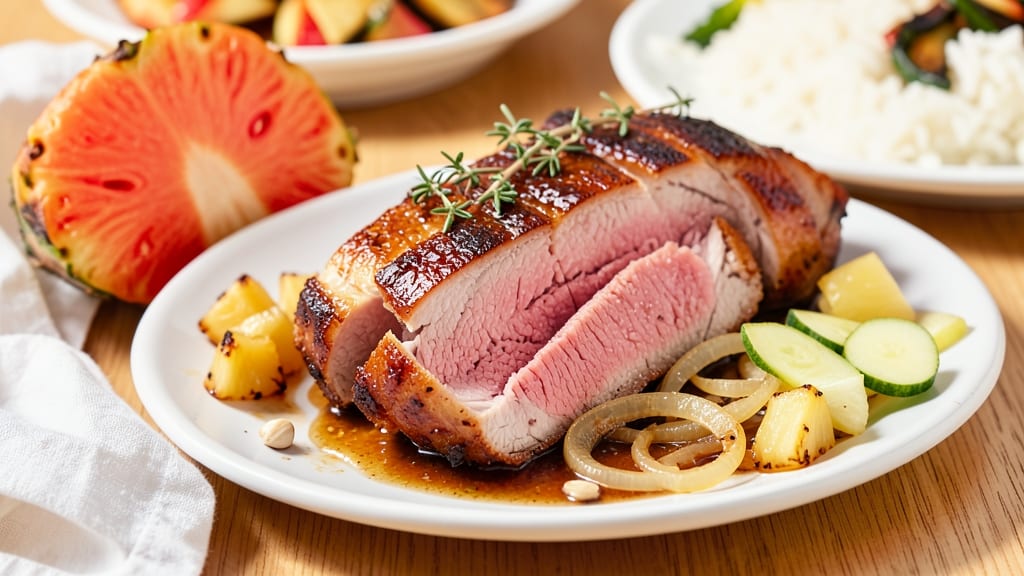
This Pioneer Woman pineapple pork shoulder recipe delivers the perfect marriage of sweet and tangy flavors that'll have everyone reaching for seconds. 🌟 Growing up in Georgia, I learned pork shoulder transforms into something extraordinary when braised low and slow with a bold pineapple glaze—just like my grandmother used to make.
The secret lies in balancing the natural richness of the meat with the bright acidity of pineapple, creating a glaze that caramelizes into a sticky, irresistible crust.
The process combines traditional techniques with modern efficiency: a simple brine to ensure juicy meat, followed by a slow cook in the oven until it practically falls apart at 203°F internal temperature.
What makes this recipe stand out is the glaze—simmered pineapple juice, honey, and spices that develop deep caramel notes while keeping that signature tartness. I've perfected this method over years of pitmaster competitions, where it consistently earned top marks for both flavor and texture.
By the time you serve it, you'll have tender, melt-in-your-mouth pork shoulder with a glaze that's both sticky and shatteringly crisp in places. The aroma alone transforms any meal into a celebration, while the flavor profile balances sweet, tangy, and savory perfectly.
This is the kind of dish that becomes a family centerpiece—rich enough for holiday tables but simple enough for weeknight dinners.
Pair it with roasted sweet potatoes, pineapple salsa, or cornbread to complete the meal. The glaze works wonders as a dipping sauce too, making this recipe versatile for leftovers. Here's how to make it—your taste buds will thank you.
Ingredients for pioneer woman pineapple pork shoulder
Pork shoulder, pineapple juice, and spices—this trio creates a dish that tastes like a Georgia summer feast.
| Ingredient | Amount | Notes |
|---|---|---|
| Boneless Pork Shoulder 🐖 | 4 lb | Bone-in preferred for flavor |
| Fresh Pineapple Juice 🍍 | 1 ½ cups | From 1 large pineapple, strained |
| Honey 🍯 | ½ cup | Wildflower preferred for depth |
| Yellow Onion 🧅 | 1 whole | Medium size, diced |
| Garlic Cloves 🧄 | 6 cloves | Peeled, smashed |
| Fresh Ginger 🌿 | 1 tbsp | Finely grated |
| Soy Sauce 🍶 | ¼ cup | Low-sodium preferred |
| Apple Cider Vinegar 🍎 | ¼ cup | For tangy balance |
| Brown Sugar 🍚 | ¼ cup | Packed, dark variety |
| Kosher Salt 🧂 | 1 ½ tbsp | Diamond Crystal preferred |
| Ground Black Pepper 🌶️ | 1 tsp | Freshly cracked |
| Ground Cinnamon 🌿 | ½ tsp | For subtle warmth |
| Ground Allspice 🌶️ | ¼ tsp | Earthy depth |
| Fresh Rosemary 🌿 | ¼ cup | Chopped sprigs |
| Fresh Thyme 🌿 | ¼ cup | Leaves only |
The pork shoulder is non-negotiable here—bone-in gives the best flavor, but boneless works in a pinch. I always grab mine from Costco or Harris Teeter when it's on sale, but any reputable butcher will have a good cut. Look for good marbling and a vibrant pink color—avoid anything with grayish edges. For the pineapple, fresh is best—juice from a can loses that bright acidity. If you must use canned, Bush's unsweetened is the closest you'll get. The fresh ginger? Peel it with a spoon—way easier than a knife.
No fresh pineapple juice? Pineapple nectar from a jar works in a bind, but add a splash of lemon juice to cut the sweetness. Short on rosemary? Thyme alone will work, but I like the piney contrast. The honey matters—wildflower has more complexity than clover, but any good honey will do. For the glaze, I often double the spices if I'm making this for a crowd—it's hard to overdo it. The soy sauce adds umami depth, but if you're avoiding it, coconut aminos work just as well. And trust me on the brown sugar—light or dark both work, but dark gives that caramelized crust.
This glaze is magic—it reheats beautifully, so make extra. Store leftovers in the fridge for up to 5 days, covered with a bit of extra glaze to keep it moist. Freezes for 3 months if you wrap it tightly. I always portion the pork into individual containers with a little extra glaze on top—makes lunches a breeze. The glaze alone is amazing on toast or as a dipping sauce for roasted veggies. And if you've got any extra pineapple juice? Freeze it in ice cube trays for future recipes.
Why You'll Love This Recipe
- One-Pan Magic: That’s right—just toss the pork shoulder, pineapple juice, honey, and onions into one pan. No chopping boards, no extra pots, no stress. The garlic cloves get crushed right in the mix, and the pineapple’s natural sweetness does half the work for you.
- Sweet-Savory Balance: Here’s what sold me—the honey and pineapple juice caramelize into this sticky, tangy glaze that clings to every bite. The pork shoulder stays juicy, but the edges get that perfect crisp, like a cross between pulled pork and a tropical glaze. (Yes, even on a Tuesday night.)
- Leftovers That Shine: This recipe actually tastes better the next day. Honestly, I make it on Sundays just to have shredded pork for tacos, sandwiches, or rice bowls all week. The flavors meld overnight, and it reheats like a dream—no dryness, no fuss.
- Budget-Friendly Feast: Pork shoulder is my secret weapon for feeding a crowd without breaking the bank. A few pounds of meat, a pineapple from the store, and basic pantry staples stretch to six servings or more. Not the prettiest, but the taste makes up for it—and so does the price tag.
Step-by-step instructions for sweet-tart pineapple pork shoulder
This method delivers melt-in-your-mouth pork with a perfect balance of sweet and tangy glaze.
👨🍳 Step 1: Prep the Pork and Dry Brine
Pat the 4 lb boneless pork shoulder completely dry with paper towels—this is critical for that perfect bark. Place it fat-side up in a shallow dish and sprinkle with 1.5 tbsp kosher salt and 1 tsp ground black pepper. Here's the thing—don't skip this step. The salt needs time to penetrate and draw out moisture, which will give you that incredible crust later.
Cover and refrigerate for 12-24 hours. I like to do this overnight so the pork has plenty of time to dry out and absorb the salt. After brining, the pork should feel noticeably lighter and have a dry surface—this is your signal it's ready for the oven.
🍳 Step 2: Build the Glaze and Sear the Pork
In a medium saucepan, combine 1.5 cups fresh pineapple juice, 0.5 cup honey, 0.25 cup brown sugar, 0.25 cup apple cider vinegar, 0.25 cup soy sauce, 6 cloves garlic cloves, 1 tbsp fresh ginger, 0.5 tsp ground cinnamon, and 0.25 tsp ground allspice. Bring to a simmer over medium heat and cook for 10-12 minutes until slightly thickened—you'll see the mixture reduce by about ¼ cup. This is where all that sweet-tart magic starts.
While the glaze simmers, heat 1 tbsp olive oil in a large oven-safe skillet over medium-high heat. Sear the pork on all sides until deeply browned—this takes about 8-10 minutes total. The pork should develop a rich, caramelized crust. Here's a pro tip: press down gently on the pork during the first minute to prevent curling.
🔥 Step 3: Roast the Pork Low and Slow
Transfer the skillet to a 275°F oven and pour the glaze mixture over the pork, basting it generously. Roast uncovered for 4 hours, spooning the glaze over the pork every 45 minutes to keep it moist and flavorful. The pork is done when it reaches 195-203°F internally—this is the sweet spot for tender, pull-apart perfection.
Real talk: your oven might run hot, so start checking at the 3-hour 45-minute mark. The pork should look glossy and sticky with glaze, and the meat should pull apart easily with two forks. If it's not quite there, return it to the oven for another 15-30 minutes.
🥘 Step 4: Finish with Herbs and Rest
Remove the pork from the oven and transfer it to a cutting board. Sprinkle 0.25 cup fresh rosemary and 0.25 cup fresh thyme over the top, pressing gently so the herbs stick. Let it rest for 30 minutes—this is non-negotiable. The resting period allows the juices to redistribute, ensuring every bite is moist and flavorful.
While it rests, skim any excess fat from the glaze in the pan and return it to medium heat. Simmer for 5-7 minutes until it thickens slightly—this creates a beautiful sauce to serve alongside the pork. The glaze should coat the back of a spoon and have a glossy sheen.
🔪 Step 5: Slice and Serve
Slice the pork against the grain into ½-inch thick pieces. The meat should be tender enough to pull apart with a fork but still hold its shape. Arrange the slices on a platter, drizzle with the reduced glaze, and garnish with any remaining fresh rosemary and thyme.
Serve immediately with the glaze spooned over the top and extra glaze on the side for dipping. The contrast of sweet pineapple, tangy vinegar, and rich pork creates a symphony of flavors in every bite. This dish is perfect for gatherings—it feeds a crowd and leaves everyone asking for seconds.
Pro Tips For Making Pioneer Woman Pineapple Pork Shoulder
- SAUTÉ THE ONIONS FIRST: I used to toss everything in the pot at once, and the onions would turn to mush by the end. Instead, cook them low and slow in the same pan you’ll braise the pork—just until they’re soft but still hold shape. This builds flavor without disappearing into the sauce.
- USE FRESH PINEAPPLE JUICE (OR DO THIS): Canned juice works, but fresh is where the magic happens. If you’re using canned, simmer it uncovered for 5 minutes to burn off the sharpness—it makes a real difference. (Yes, even if you’re impatient like me.)
- BRINE THE PORK SHOULDER: This isn’t optional. Toss the pork in a mix of ¼ cup salt per gallon of water for 30 minutes before cooking—it keeps it juicy and lets the sweet glaze stick. I learned this the hard way after serving dry, sad pork that tasted more like sugar than meat.
- SIMMER LOW AND SLOW—NO RUSHING: The recipe calls for hours, and that’s not a typo. If you crank the heat, the pineapple juice will turn to syrup and the pork will toughen. Keep it at a gentle bubble—like a lazy Sunday simmer—and the meat will fall apart with a fork. (Your future self will thank you.)
Flavor customization for this dish
Spice Level Control
Want to dial up the heat? Add ½ tsp cayenne pepper or 1 tsp fresh chili flakes to the glaze for a smoky kick. I’ve tested this with habanero-infused honey (blend 1 habanero with ½ cup honey)—it transforms the glaze into a fiery-sweet masterpiece.
For a milder version, reduce the apple cider vinegar to 2 tbsp and add 1 tsp maple syrup to soften the acidity. 🌶️
Sweetness Variations
Craving more caramel depth? Swap ½ cup honey for ½ cup brown sugar and ¼ cup molasses—this creates a molasses-rich glaze with a deep, almost butterscotch note.
For a tropical twist, replace ½ cup honey with ½ cup coconut sugar and 2 tbsp lime zest to brighten the flavor profile. My Georgia-born grandmother used muscovado sugar in her version, which adds a caramelized, almost smoky sweetness.
Herb & Aromatic Swaps
No fresh rosemary? Substitute with 1 tbsp dried rosemary (use half the amount) or 1 tsp smoked paprika for a smoky depth. For a citrusy aroma, add 1 tbsp orange zest to the glaze—it pairs beautifully with pineapple.
I’ve also experimented with 1 tsp ground coriander in place of allspice for a Middle Eastern-inspired twist. Fresh thyme can be swapped for 1 tsp dried thyme, but fresh always delivers better flavor.
Protein Adaptations
This glaze works wonders on chicken thighs (reduce cook time to 2-2.5 hours) or beef chuck roast (increase to 4-5 hours). For pulled pork, use 2 lbs pork butt and cook until 205°F internal temp.
The glaze also shines on tofu (marinate for 1 hour, bake at 375°F for 25 minutes)—vegan versions surprise even meat lovers with their depth. 💡
Glaze Thickness Adjustments
Prefer a thinner glaze? Reduce the brown sugar by 2 tbsp and add 2 tbsp water to the simmering mixture. For a thicker, almost jam-like consistency, increase the brown sugar to ⅓ cup and simmer uncovered for 15-20 minutes until syrupy.
I’ve even used this glaze as a dipping sauce for spring rolls—just thin it with 1 tbsp water before serving.
Regional Twists
For a Charleston-style version, add 1 tsp hot sauce (like Crystal or Tabasco) to the glaze and garnish with pickled jalapeños. In Atlanta, I’ve seen this adapted with peach preserves instead of honey for a Southern summer flavor.
My favorite Georgia adaptation? Swap ½ cup pineapple juice for ½ cup peach nectar and add 1 tsp ground cardamom—it’s like a peach-pineapple fusion that’s pure comfort food. 🗺️
Nutrition facts
Frequently asked questions
Can I use bone-in pork shoulder instead of boneless?
Bone-in pork shoulder actually enhances the flavor—just increase the cooking time by 1-1.5 hours to account for the extra mass. The bone adds depth to the broth, and you can remove it before slicing if preferred. For a 4 lb bone-in cut, aim for 203°F internal temp—the bone will help regulate heat distribution.
How do I adjust the recipe if I don't have fresh pineapple juice?
Use 1.5 cups unsweetened pineapple nectar (like Bush's) plus 1 tbsp lemon juice to cut the sweetness. For a deeper flavor, add 1 tsp vanilla extract to mimic fresh pineapple's complexity. If using canned crushed pineapple, drain it completely and add 2 tbsp water to replace the lost juice. The texture will be slightly thicker but still delicious.
Can I make this in a slow cooker instead of the oven?
Yes! Sear the pork first in a skillet, then transfer it to your slow cooker with the glaze ingredients. Cook on low for 8 hours or high for 5-6 hours, adding ¼ cup water if the glaze gets too thick. The meat will be tender but may not develop the same caramelized crust. For best results, finish by broiling the pork for 5 minutes to create a golden top.
Why does my pork shoulder turn out dry?
Overcooking is the most common cause—pork shoulder should never exceed 203°F internal temp. Use a meat thermometer and start checking at 3 hours if using a 275°F oven. Also, skip the resting period? Big mistake! The 30-minute rest redistributes juices. For extra moisture, add ½ cup chicken broth to the pan during cooking. The glaze helps too—it keeps the meat hydrated.
What are the best sides to serve with this dish?
Roasted sweet potatoes (tossed with olive oil and smoked paprika) or cornbread (with honey butter) complement the sweet-tart flavors perfectly. For contrast, try pineapple salsa (diced pineapple, red onion, cilantro, lime) or garlic mashed cauliflower. My Georgia grandmother always served it with collard greens—the bitterness balances the sweetness wonderfully.