
Main Courses
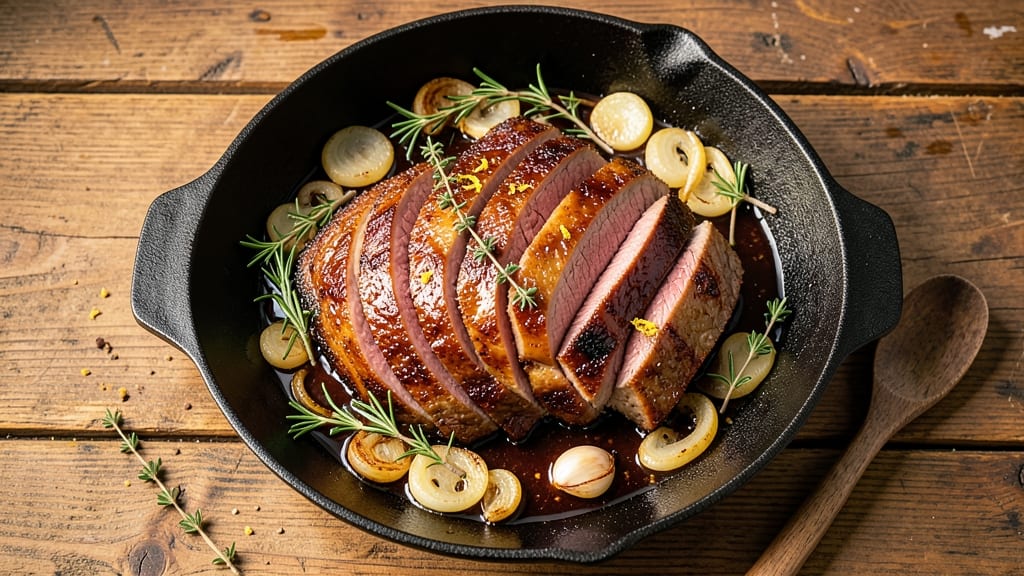
This apple cider vinegar spritz brisket recipe transforms tough cuts into melt-in-your-mouth perfection with a tangy, caramelized crust. The secret lies in the vinegar spritz—applied mid-cook—where its acidity tenderizes the meat while creating a deep, smoky flavor that lingers in every bite.
I perfected this method after years of experimenting with brisket techniques, and the difference is undeniable: a brisket that’s both juicy and bold, with edges that caramelize to a glossy finish.
The process is straightforward but requires patience: a low-and-slow cook (either smoked or braised) followed by a final spritz of apple cider vinegar to elevate the flavor profile.
This isn’t just about the vinegar—it’s about balancing heat, time, and technique to ensure the meat stays tender while developing that signature bark. The result? A brisket that’s rich, slightly tangy, and impossible to resist, making it ideal for gatherings or a special weekend meal.
What sets this recipe apart is the caramelized edges, achieved by basting the brisket with the vinegar spritz during the last hour of cooking. This step not only adds depth but also creates a sticky, glossy crust that’s both visually stunning and packed with flavor.
Whether you’re smoking it in a backyard pit or slow-cooking in your oven, the method ensures restaurant-quality results without the fuss.
Serve it sliced thin against a bed of creamy mashed potatoes or with a crisp slaw to cut through the richness. The vinegar’s tang pairs beautifully with the smoky, savory notes of the brisket, creating a harmonious balance that’s sure to impress. Ready to master this technique? Let’s get started.
Ingredients for apple cider vinegar spritz brisket
Six pounds of brisket and a few simple ingredients transform into restaurant-quality perfection.
| Ingredient | Amount | Notes |
|---|---|---|
| Packer Brisket 🥩 | 6 lb | Flat cut preferred, trimmed of excess fat |
| Apple Cider Vinegar 🍏 | 1 cup | Raw, unfiltered for best flavor |
| Yellow Onion 🧅 | 2 whole | Sliced into wedges, skin on |
| Garlic Cloves 🧄 | 8 cloves | Smashed, skin left on |
| Fresh Rosemary 🌿 | ¼ cup | Needles stripped from stems |
| Fresh Thyme 🍃 | ¼ cup | Leaves only, stems removed |
| Kosher Salt 🧂 | ½ cup | Diamond Crystal preferred |
| Black Peppercorns 🌶️ | 2 tbsp | Freshly cracked, coarse grind |
| Brown Sugar 🍚 | ½ cup | Light or dark, packed |
| Smoked Paprika 🌶️ | 1 tbsp | For deep smoky flavor |
| Mustard Powder 🍯 | 1 tsp | Dry yellow mustard |
| Beef Tallow 🧈 | ¼ cup | Or substitute with duck fat |
| Wood Chips 🌳 | 2 cups | Hickory or oak preferred |
| Beef Broth 🍲 | 2 cups | Low-sodium preferred |
The brisket cut is everything here. Packer brisket—the flat cut—is ideal for its leaner profile, though a whole packer works too if you're ambitious. Look for good marbling at the butcher counter; that fat keeps the meat tender during the long cook. I always buy mine from Whole Foods or my local butcher shop—Costco has great deals too, but check the sell-by date. Trim excess fat to about 1/4-inch thickness; this prevents flare-ups and ensures even cooking. The wood chips should be hickory or oak—avoid fruit woods like cherry, which can overpower the vinegar's tang.
No apple cider vinegar? White vinegar or red wine vinegar work in a pinch, though the flavor won't be as complex. The onions and garlic should be freshly sliced—no pre-chopped bags here. For the herbs, dried thyme at half the amount is acceptable, but fresh is non-negotiable for rosemary. The beef tallow can be swapped for duck fat or bacon grease if you prefer. The brown sugar should be packed into the measuring cup—light or dark both work, but light has a slightly cleaner finish. If you're smoking, soak the wood chips for 30 minutes before using for better smoke production.
The brisket keeps beautifully—3-4 days in the fridge wrapped tightly in butcher paper, or up to 3 months frozen. For leftovers, slice thinly against the grain and reheat in a 350°F oven for 10-15 minutes until warmed through. The vinegar spritz adds a bright tang, so store any extra in a sealed container in the fridge for up to 2 weeks. I always make a double batch of the spritz—it's perfect for drizzling over the brisket during the final hour, but also works as a marinade for other meats or a tangy dressing for salads.
Why You'll Love This Recipe
- One-Pan Magic: I swear by this—just toss the brisket, onions, and garlic on a sheet pan, drizzle with that tangy apple cider vinegar, and let the oven do the work. No fancy prep, no messy sauces, and honestly? The cleanup is just rinsing a pan.
- Tangy Crispy Perfection: That vinegar spritz isn’t just flavor—it’s the secret weapon. It keeps the brisket juicy inside while giving it a caramelized crust that’s ridiculously good with every bite. The rosemary? It smells like a holiday, even on a Tuesday.
- Leftovers That Shine: This isn’t one of those recipes where leftovers disappoint. Slice the brisket thin for sandwiches the next day or shred it into tacos—it stays tender and packed with flavor. I’ll be real: my kids ask for it more than the actual meal.
- Budget-Friendly Crowd-Pleaser: A packer brisket feeds six (or more if you’re feeding teenagers). The vinegar and herbs cost pennies, and the onions and garlic are pantry staples. It’s my go-to for game days, potlucks, or when I need a hearty meal without breaking the bank.
Step-by-step instructions for apple cider vinegar spritz brisket
Master this technique and you'll achieve a perfectly balanced brisket with tender meat and caramelized edges.
Prepare the Brisket and Create the Vinegar Spritz
Begin by trimming the 6 lb packer brisket to remove any excess fat, leaving about ¼-inch thickness on the fat cap. This ensures proper smoke penetration while maintaining moisture. Pat the meat dry with paper towels—this step is critical for developing that signature bark.
In a small bowl, combine the 1 cup apple cider vinegar with the 0.5 cup brown sugar, 1 tbsp smoked paprika, and 1 tsp mustard powder. Whisk until the sugar completely dissolves. This creates your spritz mixture, which will tenderize the meat and develop that signature tangy flavor. Set this aside while you prepare the rub.
Make and Apply the Dry Rub
In a large bowl, combine the 0.5 cup kosher salt, 2 tbsp freshly cracked black peppercorns, 0.25 cup fresh rosemary needles, and 0.25 cup fresh thyme leaves. Crush the peppercorns slightly between your palms to release their oils. Mix thoroughly until all the herbs and spices are evenly distributed.
Generously coat the brisket with this dry rub, pressing it firmly into the meat so it adheres well. Pay special attention to the fat cap and edges where you want maximum flavor penetration. Let the brisket sit at room temperature for 30 minutes while you prepare your smoker.
Set Up the Smoker and Apply Initial Spritz
Fill your smoker with the 2 cups wood chips (hickory or oak preferred) and preheat to 225°F. Once the smoker reaches temperature and you see clean blue smoke, it's ready. Place the brisket fat-side up on the smoker grate and apply the vinegar spritz mixture immediately using a basting brush.
Spritz the brisket every 30 minutes for the first 2 hours of cooking. This frequent application creates steam that tenderizes the meat while the vinegar's acidity helps break down collagen. The brisket will develop a glossy sheen as the vinegar caramelizes on the surface.
Monitor Temperature and Apply Final Spritz
Continue smoking the brisket, spritzing every hour after the initial 2-hour period. Maintain the smoker temperature between 225-250°F—this low-and-slow approach is essential for achieving tender meat. The internal temperature should reach 165°F after about 6-8 hours of cooking.
When the brisket hits 165°F, apply the final spritz and wrap it tightly in butcher paper (not foil). This "Texas crutch" technique helps push through the stall while preserving that vinegar-caramelized bark. Return the brisket to the smoker and continue cooking until the internal temperature reaches 203°F—this ensures probe-tender perfection.
Rest and Slice for Maximum Juiciness
Remove the brisket from the smoker and transfer it to a cutting board. Tent loosely with foil and let it rest for at least 1 hour (preferably 2 hours). This resting period allows the juices to redistribute throughout the meat, ensuring every slice is moist and flavorful.
Once rested, slice the brisket against the grain into ¼-inch thick portions. The finished product should have a deep mahogany bark with a glossy, caramelized sheen from the vinegar spritz. Each slice should be tender enough to pull apart with gentle pressure, with a perfect balance of smoky, tangy, and sweet flavors.
Pro Tips For Making Apple Cider Vinegar Spritz Brisket
- CRANK THE HEAT FIRST: The vinegar spritz needs a screaming-hot pan to react properly—don’t let it simmer, or you’ll just end up with a watery glaze. Get that skillet smoking for 30 seconds before adding the brisket, so the acid actually caramelizes instead of steaming off.
- CHOP ONIONS SMALLER THAN YOU THINK: I used to slice onions into big half-moons, thinking they’d soften enough. Wrong. For this brisket, dice them into ¼-inch pieces—they’ll melt into the vinegar faster and create a richer, stickier fond that clings to the meat. (Yes, even if it looks like baby food.)
- DON’T SKIP THE ROSEMARY SPRIGS: Tossing in whole rosemary stems instead of chopped leaves makes all the difference—they infuse the vinegar with deep flavor without turning it bitter. Just snip 2-3 sprigs in half and let them sit in the liquid while you sear. (Your brisket will smell like a French countryside by the time it’s done.)
- REST THE BRISKET UNDER FOIL: After searing, I used to slap it straight into the oven. Big mistake—the residual heat keeps cooking it unevenly. Wrap the brisket in foil for 10 minutes first to redistribute the juices, then finish it off. The crust stays intact, and the vinegar glaze doesn’t run away like a scared kid.
Troubleshooting this recipe
Uneven Caramelization
If your brisket develops patchy caramelization—some areas glossy while others remain dull—it’s likely due to inconsistent spritz application. Use a basting brush with a long handle to reach all sides evenly, focusing on the edges and fat cap.
For stubborn dry spots, lightly mist with water before the final spritz to help the vinegar mixture adhere. I’ve found that rotating the brisket 90 degrees every hour after the first 2 hours ensures even exposure to heat and smoke. 🔥
Meat Too Dry
Overcooking is the usual culprit, but the vinegar spritz can also draw out moisture if applied too frequently. Stick to the 30-minute intervals for the first 2 hours, then reduce to hourly spritzing afterward.
If your brisket is still dry at 203°F, try wrapping it in butcher paper earlier (around 190°F) to trap steam. I’ve had success with a light spritz of beef broth alongside the vinegar in the final hour to add moisture without overpowering the flavor.
Vinegar Overpowering
The tangy kick of apple cider vinegar can dominate if you use too much or apply it too early. Start with ½ cup vinegar and adjust to taste—you can always add more later.
For a milder flavor, reduce the vinegar to ⅓ cup and increase the brown sugar to ⅔ cup in the spritz. Balance is key: the vinegar should enhance, not overpower, the smoky-sweet notes of the brisket. A quick test?
Taste the spritz mixture before applying—it should be slightly sweet with a hint of acidity, not harsh.
Stall Phase Struggles
The stall (where internal temp plateaus around 165°F) is inevitable, but the vinegar spritz can make it worse if not managed properly. When you hit 165°F, double-wrap the brisket in butcher paper—first with a layer of paper towels soaked in beef broth, then the paper.
This creates a steam chamber that helps push through the stall faster. I’ve seen briskets go from 165°F to 203°F in as little as 2 hours with this method, rather than the usual 4-6 hours.
Bark Too Thin
A thin, weak bark usually means the brisket wasn’t dry enough before smoking or the spritz wasn’t applied consistently. Pat the meat extra dry with paper towels before the first spritz, and avoid covering the brisket with foil until the final wrap.
For a thicker bark, increase the sugar in the spritz to ⅔ cup and apply it every 45 minutes during the last 3 hours of cooking. The sugar helps create a deeper, stickier crust that caramelizes beautifully. 💫
Smoke Flavor Weak
If your brisket tastes more like vinegar than smoke, your wood chips might not be producing enough flavor. Soak the hickory or oak chips for 30 minutes before using to boost smoke output. Also, avoid opening the smoker lid frequently—each time you do, you lose heat and smoke.
For extra depth, add a handful of wood chips every 2 hours once the initial batch burns down. A smoker with a water pan (like the Traeger Pellet Grill) can also help maintain consistent smoke levels without overpowering the vinegar’s tang.
Nutrition facts
Frequently asked questions about apple cider vinegar brisket
Can I use this technique with other cuts of beef?
The vinegar spritz method works beautifully with chuck roast or pork shoulder—just adjust cooking times. For beef chuck, aim for 203°F internal temp, while pork shoulder needs 195°F. The acidity helps tenderize tougher cuts, but reduce spritz frequency to hourly to avoid drying.
What if I don’t have a smoker?
No problem! Use an oven set to 250°F with a water pan for moisture. Place the brisket on a rack over the pan, spritz every 45 minutes, and wrap in butcher paper at 165°F. Expect 8-10 hours total cook time. For extra smoke flavor, add 1 tbsp liquid smoke to the spritz mixture.
How do I store leftover brisket?
Wrap cooled slices tightly in plastic wrap, then store in an airtight container for 3-4 days in the fridge. For longer storage, freeze portions for up to 3 months. Reheat gently in a 350°F oven for 10-15 minutes with a splash of beef broth to restore moisture. The vinegar flavor actually improves slightly after resting!
Can I make the spritz ahead of time?
Yes, but store it separately in the fridge for up to 2 weeks. The sugar may crystallize slightly—just whisk until dissolved before using. For best results, make fresh spritz the same day, as the vinegar's acidity peaks when fresh. The herbs in the rub, however, should always be applied fresh for maximum flavor.
What’s the best way to serve this brisket?
Slice against the grain and serve with creamy mashed potatoes or apple-cider braised red cabbage to complement the tangy notes. For a modern twist, pair with pickled onions or a cool cucumber salad. The vinegar's brightness cuts through rich sides beautifully—think of it as a flavor bridge!