
Sauces & Condiments
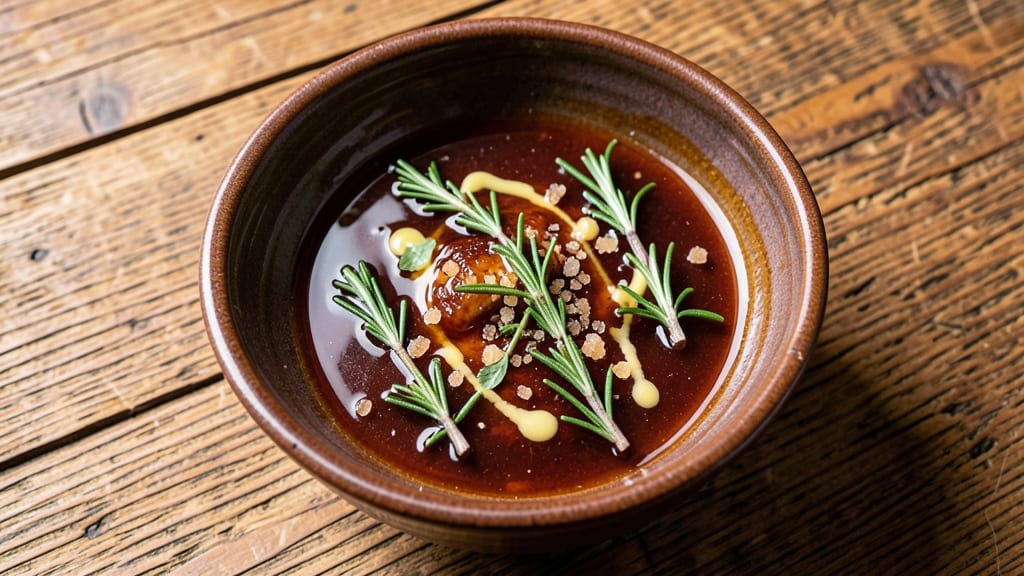
This apple cider chicken marinade recipe transforms ordinary chicken into tender, caramelized perfection with every bite. The blend of apple cider, warm spices, and herbs creates a rich, sweet-tangy coating that locks in moisture while building deep, complex flavors.
Perfect for grilling, baking, or roasting, this marinade elevates simple chicken into a restaurant-worthy centerpiece. The secret lies in balancing apple cider's natural sweetness with vinegar's acidity, creating a marinade that tenderizes chicken while developing caramelized depth.
Brown sugar and mustard add richness, while thyme and rosemary contribute earthy, aromatic notes that penetrate the meat. For best results, let the chicken marinate for at least 4 hours—or overnight for maximum flavor infusion.
What you'll achieve is chicken with crisp edges and juicy centers, coated in a sticky, caramelized glaze that's impossible to resist. The marinade's sweet-spicy profile works beautifully with crispy skin or succulent roasted pieces, making it versatile enough for weeknight dinners or special occasions.
Every bite delivers a perfect harmony of sweet, smoky, and savory flavors. Use this marinade on chicken breasts, thighs, or drumsticks—it works equally well for grilling, baking, or roasting. Store leftovers in the refrigerator for up to 5 days or freeze for longer-term use.
The longer it sits, the more complex the flavors become, so don't be afraid to marinate ahead of time.
Ingredients for apple cider chicken marinade
Eleven ingredients transform bland chicken into caramelized, deeply spiced perfection with every bite.
| Ingredient | Amount | Notes |
|---|---|---|
| Unsweetened Apple Cider 🍎 | 1 cup | Freshly pressed, no sugar added |
| Apple Cider Vinegar 🍏 | ¼ cup | Raw, unfiltered preferred |
| Light Brown Sugar 🍚 | ½ cup | Packed, not packed |
| Dijon Mustard 🥬 | 2 tbsp | High-quality, no additives |
| Fresh Thyme Leaves 🌿 | ¼ cup | Finely chopped, stems removed |
| Fresh Rosemary 🌿 | ¼ cup | Finely chopped, woody stems discarded |
| Garlic Cloves 🧄 | 4 cloves | Minced, not pre-minced jarred |
| Smoked Paprika 🌶️ | 1 tbsp | High-quality, not aluminum-sprayed |
| Ground Black Pepper 🌶️ | 1 tsp | Freshly cracked, not pre-ground |
| Kosher Salt 🧂 | 1 ½ tsp | Diamond Crystal preferred |
| Extra-Virgin Olive Oil 🫒 | ¼ cup | High-quality, fruity |
The apple cider and vinegar are the heart of this marinade—look for organic, unfiltered apple cider vinegar at stores like Whole Foods or Trader Joe's for that tangy punch. Fresh thyme and rosemary should be vibrant green, not wilted—Costco's bulk herb section is a great budget-friendly source. The garlic cloves need to be fresh too; smell them first—they should have a strong, pungent aroma. For the smoked paprika, Penzeys or Gourmet Spice Imports carry the best quality, but even your grocery store's brand will work if it's fresh. The brown sugar should be light—domino or muscovado are both solid choices, but avoid dark molasses-heavy sugars that'll overpower the delicate balance.
No apple cider vinegar? White vinegar or balsamic vinegar in equal parts works, though the flavor won't be identical. Short on fresh herbs? Dried thyme and rosemary at one-third the amount will get you close, but the flavor won't be as bright. Pre-minced garlic? Fresh is non-negotiable here—jarred garlic loses its punch fast. The Dijon mustard is crucial for that tangy depth; French mustards like Amora or Maille are ideal, but any good-quality Dijon will do. For a smokier profile, add an extra 0.5 tbsp of smoked paprika. If you're grilling, reduce the olive oil to 2 tbsp—the marinade will caramelize more on the grill.
This marinade keeps for up to 2 weeks in the fridge, but the flavors deepen over time—make a double batch if you're planning to use it over several meals. For longer storage, freeze in ice cube trays—thaw overnight in the fridge before using. The chicken will absorb the marinade best when left to sit for at least 4 hours, but overnight is ideal. If you're short on time, pound the chicken to even thickness and marinate for just 2 hours—it'll still be delicious. Always marinate in the fridge, never at room temperature.
Why You'll Love This Recipe
- Five-Ingredient Magic: I swear, this marinade is the kind of recipe that makes me feel like a hero—just pour, stir, and let it work. No peeling garlic, no mincing herbs, and no fancy techniques. The apple cider and vinegar do all the heavy lifting while I sip my coffee.
- Sweet-Tart Crisp Perfection: That balance of brown sugar and vinegar? Chef’s kiss. The chicken gets this sticky, caramelized crust that’s crispy on the outside but still juicy inside—like a fall morning wrapped in a bite. The thyme adds this earthy warmth that makes it taste like a hug.
- Weeknight or Holiday: Between us, this marinade is my secret weapon for both Taco Tuesdays and Thanksgiving leftovers. Use it on chicken thighs for a cozy weeknight dinner, or toss it on a whole roasted bird for a crowd. Same marinade, zero stress.
- Leftovers That Don’t Suck: Honestly, I make this marinade in bulk because the leftovers are ridiculously good. Toss it with rice for fried rice, shred it into sandwiches, or reheat it in a skillet for a quick stir-fry. No sad, dry chicken here—just flavor that keeps giving.
Step-by-step instructions for apple cider chicken marinade
This marinade transforms ordinary chicken into a caramelized masterpiece with layers of spiced sweetness.
Whisk Together the Wet Ingredients
In a medium bowl, combine the 1 cup unsweetened apple cider, 0.25 cup apple cider vinegar, and 0.5 cup light brown sugar. Stir until the sugar dissolves completely, creating a syrupy base. The apple cider should smell rich and slightly tart, while the vinegar adds a bright acidity that will tenderize the chicken beautifully. This mixture forms the foundation of our flavor profile, balancing sweetness with tang.
Next, add the 2 tbsp Dijon mustard and whisk vigorously. The mustard will emulsify with the liquid, creating a smooth, clingy marinade that coats every inch of the chicken. I like to use a fork for this step—it helps break up any sugar clumps while ensuring everything blends thoroughly. The mustard also adds depth and a subtle complexity that complements the apple cider's sweetness.
Incorporate the Fresh Herbs and Aromatics
Add the 0.25 cup finely chopped fresh thyme leaves and 0.25 cup finely chopped fresh rosemary to the bowl. These herbs bring an earthy, piney brightness that pairs perfectly with the apple cider's warmth. Stir well to distribute the herbs evenly—you should see their vibrant green flecks suspended in the marinade. The freshness of these herbs is crucial; dried versions won't deliver the same aromatic punch.
Now, add the 4 minced garlic cloves and 1 tbsp smoked paprika. The garlic will infuse the marinade with its pungent, savory depth, while the smoked paprika adds a subtle, woodsy heat. Stir everything together until fully combined. The mixture should look like a thick, aromatic syrup with visible herb and garlic specks. This is where the marinade starts to take on its complex character—sweet, tangy, herby, and just a touch smoky.
Season and Emulsify with Olive Oil
Add the 1.5 tsp kosher salt and 1 tsp freshly cracked black pepper to the bowl. The salt enhances all the flavors, while the pepper adds a sharp contrast to the sweetness. Stir well to ensure the salt and pepper dissolve completely. At this point, the marinade should smell incredible—like a cozy autumn morning with a hint of spice.
Finally, drizzle in the 0.25 cup extra-virgin olive oil while whisking continuously. The olive oil helps bind all the ingredients together, creating a silky, emulsified marinade that clings perfectly to the chicken. Whisk until the mixture is smooth and glossy, with no visible separation. The oil also adds a luxurious richness that balances the acidity and sweetness. Taste the marinade—it should be a harmonious blend of sweet, tangy, herby, and slightly smoky flavors with a perfect balance of saltiness.
Marinate the Chicken for Maximum Flavor
Place the chicken pieces in a resealable plastic bag or shallow dish and pour the marinade over them, ensuring every surface is coated. Seal the bag or cover the dish and refrigerate for at least 4 hours, or preferably overnight. The longer the chicken marinates, the more tender and flavorful it will become. The acidity in the apple cider and vinegar will break down the chicken's proteins, while the sugar and spices infuse deeply into the meat.
For best results, turn the chicken occasionally during marinating to ensure even coating. If you're short on time, marinate for at least 2 hours, but don't skip this step—it's what transforms ordinary chicken into something extraordinary. When ready to cook, discard any leftover marinade that has touched raw chicken to prevent cross-contamination. The chicken is now ready to be grilled, baked, or pan-seared, promising a deeply caramelized exterior and juicy, flavorful interior.
Pro Tips For Making Apple Cider Chicken Marinade
- STRAIN THE CIDER: The sediment in store-bought apple cider is real, and it’ll make your marinade gritty if you don’t filter it first. Pour the cider through a fine-mesh sieve lined with cheesecloth—yes, even the "clear" stuff has bits. Trust me, you’ll taste the difference when you’re slathering that sticky glaze later.
- BALANCE THE ACID: Apple cider vinegar is potent, and if you dump too much in, your chicken will taste harsh and raw. Start with a 1:1 ratio of cider to vinegar, then adjust—taste the mix before applying. I learned this the hard way when my first batch turned out like a sour candy coating.
- WHISK THE SUGAR: Brown sugar clumps like a stubborn guest at a party if you don’t break it up first. Pulse it in a food processor or crush it with the flat side of a knife before adding it to the cider. Smooth incorporation = no grainy surprises when you’re basting.
- MARINATE COLD: Warm chicken absorbs marinade unevenly and can turn mushy if left too long. Pop your chicken in the fridge for at least 4 hours (overnight is better) while the marinade sits in a sealed bag. Cold meat = even flavor, no sad, watery spots.
Pro cooking tips for this recipe
Marinating Time Mastery
For best results, marinate chicken for at least 4 hours—overnight is ideal. The acidity in apple cider and vinegar tenderizes the meat while infusing it with flavor. I always marinate in the fridge to prevent bacterial growth.
If short on time, 2 hours still works, but the flavor won't be as deep. Turn the chicken occasionally for even coating. 🌡️
Cooking Method Adaptations
This marinade works beautifully on the grill, in the oven, or in a skillet. For grilling, pat the chicken dry before cooking to ensure a good sear. When baking, use a wire rack to allow air circulation for crispy skin.
I prefer grilling because it caramelizes the marinade into a sticky glaze. For pan-searing, use medium-high heat and baste with extra marinade for extra flavor.
Double-Batch for Efficiency
Make a double batch of marinade and store it in airtight containers. The flavors actually improve over time, making it perfect for meal prep. I keep one batch in the fridge for immediate use and freeze the other in ice cube trays for future meals.
Thaw overnight in the fridge before using. This saves time and ensures you always have flavorful marinade ready.
Herb Freshness Check
Fresh herbs make all the difference. Before using thyme and rosemary, give them a sniff—they should smell vibrant. If they're wilted or smell dull, they won't deliver the same aromatic punch. I buy herbs from Costco's bulk section for freshness and affordability.
For dried herbs, use one-third the amount, but expect less intensity. The fresh herbs in this marinade are what elevate it from good to extraordinary. 🌿
Sugar Dissolving Tip
When mixing the brown sugar into the apple cider and vinegar, stir over warm (not hot) water for 1-2 minutes to help dissolve it completely. This creates a smoother marinade that coats the chicken evenly.
I use a fork to break up any sugar clumps, ensuring a silky texture. The dissolved sugar caramelizes beautifully during cooking, adding depth to the flavor profile.
Leftovers Safety
After marinating, discard any leftover marinade that has touched raw chicken to prevent cross-contamination. However, you can reuse the marinade for vegetables or tofu—just boil it for 5 minutes first to kill bacteria.
Store unused marinade in the fridge for up to 2 weeks or freeze in ice cube trays for longer storage. The unused marinade keeps its flavor well, making it perfect for future meals. 💡
Nutrition facts
Frequently asked questions
Can I use this marinade on other meats besides chicken?
This apple cider marinade works beautifully on pork chops, turkey thighs, or even beef steaks. The sweet-tangy balance complements all these meats, though pork and beef may require slightly less marinating time (2-3 hours) to prevent over-tenderizing. For fish, reduce the marinating time to 30-60 minutes to avoid breaking down the delicate proteins.
How do I prevent the chicken from becoming too sweet?
Balance the sweetness by adjusting the sugar or adding more acid. If the marinade tastes too sweet, add an extra 1-2 tablespoons of apple cider vinegar or a pinch of salt. For extra depth, include ½ teaspoon of cinnamon or ¼ teaspoon of cayenne pepper—these spices add warmth and complexity that cut through sweetness.
Can I make this marinade ahead of time?
Yes, this marinade actually tastes better when made a day in advance! Store it in an airtight container in the fridge for up to 2 weeks, or freeze in ice cube trays for 3 months. The flavors meld and deepen over time, making it perfect for meal prep. Just give it a quick stir before using to re-emulsify any separated ingredients.
What's the best way to cook marinated chicken?
For maximum caramelization, grill or sear the chicken over medium-high heat first to develop a crust, then finish in the oven at 375°F for 15-20 minutes. If baking directly, use a wire rack to prevent soggy skin. For extra flavor, brush with more marinade during cooking. The key is high initial heat to lock in juices, then gentle finishing to cook through evenly.
Can I use bottled apple cider instead of fresh?
Bottled cider works fine, but choose an unsweetened, organic version for the best results. Avoid ciders with added sugar or preservatives—they can make the marinade too cloying. If using sweetened cider, reduce the brown sugar to ¼ cup to maintain the right balance. The acidity is what tenderizes the chicken, so prioritize that over sweetness.