
Main Courses
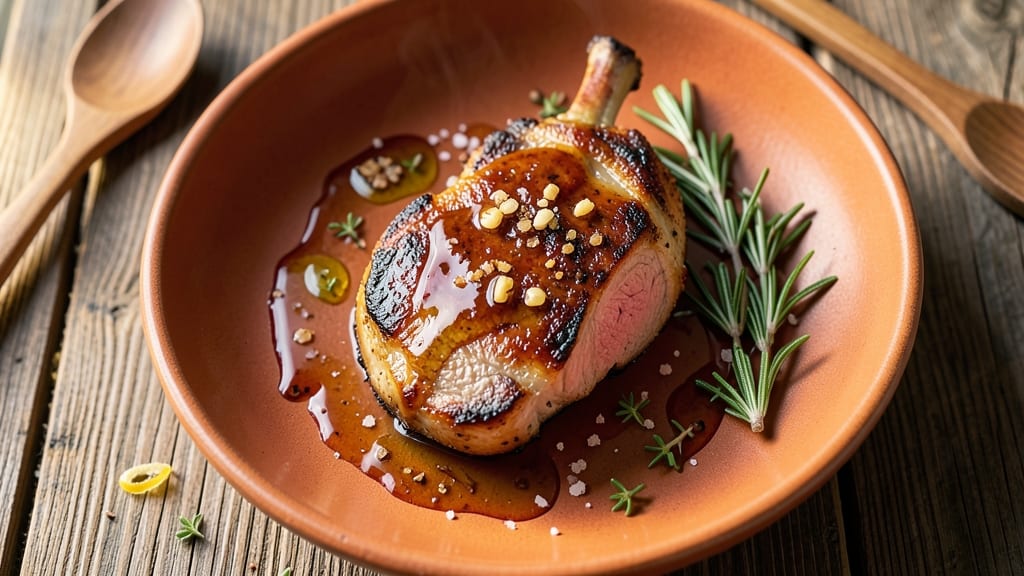
This pork chop recipe with apple cider vinegar transforms simple ingredients into a restaurant-worthy meal in just 30 minutes. The tangy glaze creates a glossy finish that caramelizes beautifully while keeping the meat tender and juicy—no fancy techniques required. I developed this after realizing how much apple cider vinegar elevates pork, adding brightness that cuts through richness without overpowering the natural flavor.
The secret lies in the marinade, where apple cider vinegar tenderizes the meat while building complex flavors. You'll start with a simple mix of olive oil, Dijon mustard, and herbs, then let the vinegar work its magic for just 15 minutes before cooking.
This isn't just another pork chop recipe—it's a game-changer for weeknight dinners that feel special without the effort.
What you'll end up with is perfectly seared pork chops with a crispy crust and that signature tangy glaze that makes every bite irresistible. The vinegar creates a beautiful caramelized sheen while adding depth that transforms ordinary pork into something extraordinary.
This method delivers foolproof results every time, with minimal prep and maximum flavor impact.
Pair these chops with roasted potatoes or sautéed greens for a complete meal that's ready in under an hour. The bright acidity of the vinegar also makes this an excellent match for a crisp white wine or even a spiced apple cider cocktail.
Let's get started with this quick yet impressive recipe that proves great food doesn't have to be complicated.
Ingredients for pork chop recipe apple cider vinegar
The perfect balance of acidity and richness for restaurant-quality pork chops in under 30 minutes.
| Ingredient | Amount | Notes |
|---|---|---|
| Bone-In Pork Chops 🥓 | 4 whole | 1-inch thick, center-cut preferred |
| Apple Cider Vinegar 🍎 | ¼ cup | Raw, unfiltered for depth |
| Extra-Virgin Olive Oil 🫒 | ¼ cup | Light variety for high heat |
| Dijon Mustard 🍯 | 1 tbsp | Whole grain for texture |
| Fresh Rosemary 🌿 | ¼ cup | Finely chopped, stems removed |
| Fresh Thyme 🌿 | ¼ cup | Leaves only, finely chopped |
| Garlic Cloves 🧄 | 4 cloves | Minced, not pre-minced jar |
| Kosher Salt 🧂 | 1 ½ tsp | Diamond Crystal preferred |
| Ground Black Pepper 🌶️ | ½ tsp | Freshly cracked preferred |
| Brown Sugar 🍚 | 1 tbsp | Light or dark, packed |
| Unsalted Butter 🧈 | 2 tbsp | Cold, cut into small cubes |
| All-Purpose Flour 🌾 | 2 tbsp | For dredging, light coating |
The pork chops are the foundation—center-cut, bone-in ensures even cooking and maximum flavor. Look for chops with good marbling, not too lean. Whole Foods or your local butcher often carry the best quality, especially if you're willing to pay a premium for organic. The thickness matters too: 1-inch gives you that perfect balance between crispy crust and tender interior. If you can't find bone-in, use bone-out and just increase the cooking time by 1-2 minutes per side. The vinegar you choose should be raw, unfiltered—the sediment adds depth of flavor that pasteurized versions lack. Muir Glen or Bragg are reliable brands for consistent quality.
No Dijon mustard? Whole grain mustard is ideal, but any smooth Dijon works in a pinch. Fresh herbs are non-negotiable here—they bring that bright, aromatic quality that dried spices can't replicate. If you're missing rosemary, thyme alone won't cut it, but you could substitute with fresh marjoram at the same amount. The garlic should be freshly minced—pre-minced jars often contain anti-caking agents that dull the flavor. For the vinegar marinade, 15 minutes max is all you need; longer doesn't improve tenderness and can make the meat mushy. The butter should be cold when you add it to the pan—this creates the perfect crispy crust without burning. If you're concerned about splatter, use a lightweight splatter screen or work near the back of your stovetop.
Pork chops can be prepped ahead: marinate for up to 4 hours in the fridge, but no longer—the acid will start breaking down the meat fibers. The flour coating should be lightly applied—just enough to adhere to the chops without making them heavy. These chops reheat beautifully: 350°F for 10-12 minutes covered with foil restores moisture without overcooking. Store leftovers in an airtight container for up to 3 days in the fridge, or freeze for 3 months by wrapping individually in parchment paper. The glaze keeps best when the chops are at room temperature, so let them sit for 10 minutes before serving to ensure even coating.
Why You'll Love This Recipe
- One-Pan Magic: I swear by this recipe—just toss the chops in a skillet with the vinegar, oil, and mustard, then let the rosemary do its thing. No extra dishes, no fuss, and honestly? That crispy skin with the tender meat underneath is worth every second.
- Tangy Twist: The apple cider vinegar isn’t just a trick—it cuts through the richness of the pork and leaves you with this bright, almost sweet-savory bite. Pair it with a sprinkle of flaky salt, and you’ve got a flavor that sticks with you long after the last bite.
- Weeknight Hero: Between us, this is the dish I pull out when I’m too tired to think. The bone-in chops add richness without extra effort, and the leftovers reheat like a dream. (Yes, even on a Tuesday night.)
- Budget-Friendly Feast: Bone-in pork chops stretch further than you’d think, and the vinegar and rosemary make it feel special without breaking the bank. I’ve fed four people for under $15, and no one ever complains about seconds.
Step-by-step instructions for pan-seared pork chops with apple cider glaze
This method delivers perfectly crisp pork chops in under 30 minutes with a tangy, glossy finish.
Prepare the Herb-Infused Marinade
In a small bowl, combine the 0.25 cup apple cider vinegar, 1 tbsp Dijon mustard, 0.25 cup finely chopped fresh rosemary, 0.25 cup finely chopped fresh thyme, 4 minced garlic cloves, 1.5 tsp kosher salt, 0.5 tsp ground black pepper, and 1 tbsp brown sugar. Whisk until the sugar dissolves completely and the herbs release their aromatic oils.
This marinade does double duty—it tenderizes the pork while infusing it with bright, herbal acidity. Let it sit at room temperature for 10 minutes to allow the flavors to meld. The vinegar's acidity helps break down proteins, ensuring juicy results even with bone-in cuts.
Dredge and Sear for Maximum Crisp
Place the 4 whole bone-in pork chops on a clean work surface. In a shallow dish, combine 2 tbsp all-purpose flour with 1 tsp kosher salt and 0.25 tsp black pepper. Press each chop into the flour mixture, coating both sides evenly but lightly—just enough to create a fine crust. Shake off any excess.
Heat a large skillet over medium-high heat until very hot. Add 2 tbsp unsalted butter and 0.25 cup extra-virgin olive oil (the light variety handles high heat better). Once the butter foams and the oil shimmers, add the dredged pork chops. Sear for 3-4 minutes per side until golden brown with crisp edges. Don't move them during the first minute—this ensures a proper crust.
Deglaze with Marinade for Tangy Glaze
Remove the pork chops from the skillet and set them aside on a warm plate. Pour the herb-infused marinade into the hot skillet, scraping up any browned bits from the bottom with a wooden spoon. Let it simmer for 2-3 minutes until slightly reduced and thickened—you're looking for a glossy, syrupy consistency that will coat the chops.
Here's the thing—those browned bits packed with flavor. By deglazing with the marinade, you're creating a reduction that clings beautifully to the pork, adding depth and moisture. If the sauce reduces too quickly, add 1 tablespoon of water to loosen it slightly while maintaining concentration.
Finish with Butter and Rest
Return the pork chops to the skillet and spoon the reduced marinade evenly over the top. Add the remaining 1 tbsp unsalted butter (cold cubes work best) and let it melt over the chops for 1 minute. The butter will create a luxurious finish while keeping the meat moist.
Transfer the pork chops to a cutting board and let them rest for 5-7 minutes before serving. This resting period allows the juices to redistribute throughout the meat. If you cut into them too soon, you'll lose precious moisture. Serve immediately with the tangy pan sauce spooned over the top.
Pro Tips For Making Pork Chop Recipe Apple Cider Vinegar
- CRANK THE HEAT FIRST: Start your pork chops over medium-high flame until you hear that satisfying sizzle—about 2-3 minutes per side. I used to baby them with low heat, and the vinegar marinade would just steam off instead of caramelizing into a glossy crust. High heat seals the juices while the acid works its magic.
- SALT THE CHOPS BEFORE SEARING: Generously season both sides with kosher salt at least 30 minutes before cooking—yes, even if you’re using bone-in cuts. The salt draws out moisture, which evaporates during the initial sear, creating a better crust for the vinegar to cling to. (I skipped this once and ended up with a bland, sticky mess.)
- USE THICK VINEGAR SLICES: Instead of pouring vinegar over the chops, cut it into ¼-inch slices and place them directly on the pan with the pork. This prevents the acid from pooling and turning the meat rubbery while infusing flavor more evenly. (Sounds weird, but it works—trust me.)
- REST THEM UNDER FOIL: After cooking, transfer the chops to a warm plate, tent loosely with foil, and let them sit for 5-10 minutes. This keeps the rosemary sprigs from wilting into a sad pile while the pork redistributes juices—no one wants a dry chop because you cut into it too soon. (Your future self will thank you.)
Serving suggestions for this dish
Classic Side Pairings
Roasted garlic mashed potatoes are my go-to side—the creamy texture contrasts beautifully with the crispy pork chops.
I use 4 large Yukon Gold potatoes, boiled until tender, then mashed with ½ cup unsalted butter, ½ cup whole milk, 4 minced garlic cloves, and 1 tsp kosher salt. The garlic in both dishes creates a cohesive flavor bridge. 🥔
Fresh Greens Balance
For a lighter option, sautéed kale with lemon cuts through the richness. Toss 4 cups chopped kale with 2 tbsp extra-virgin olive oil, 1 tbsp apple cider vinegar, 1 tsp honey, and ½ tsp red pepper flakes.
Cook for 3-4 minutes until just wilted. The vinegar ties back to the pork's marinade while adding fresh acidity. I often add ¼ cup toasted walnuts for crunch.
Caramelized Onion Bread
Warm sourdough bread topped with caramelized onions elevates the meal to restaurant quality. Slice a baguette into ½-inch pieces, then layer with 2 cups thinly sliced onions cooked in 2 tbsp butter until golden.
Finish with 1 tbsp fresh thyme and a sprinkle of flaky sea salt. The sweetness complements the pork's tangy glaze perfectly. 🍞
Apple-Cider Cocktail
A spiced apple cider cocktail is the ideal beverage pairing. Mix 2 cups apple cider, ½ cup bourbon, 1 cinnamon stick, and 2 star anise pods in a saucepan.
Simmer for 10 minutes, then strain into glasses over ice. Garnish with a cinnamon stick and orange slice. The warm spices echo the rosemary and thyme in the pork marinade.
Seasonal Vegetable Roast
In fall, roasted butternut squash adds seasonal depth. Toss 2 cups cubed squash with 1 tbsp olive oil, ½ tsp cinnamon, and ½ tsp salt, then roast at 400°F for 25 minutes.
The natural sweetness pairs wonderfully with the vinegar's acidity. For winter, swap for brussels sprouts with balsamic glaze—the tangy contrast is unbeatable. 🍠
Nutrition facts
Frequently asked questions
Can I use boneless pork chops instead of bone-in?
Yes, you can absolutely use boneless chops! Just reduce the cooking time by 1-2 minutes per side since they'll cook faster without the bone. The apple cider vinegar marinade will still work perfectly—boneless chops just need slightly less time to reach 145°F internally. For extra tenderness, consider pounding them to an even ½-inch thickness before cooking.
What if I don't have fresh rosemary or thyme? No problem! Swap the fresh herbs for 1 tsp dried rosemary and 1 tsp dried thyme (use half the amount since dried is more concentrated). For even more convenience, try 1 tbsp fresh parsley or 1 tsp dried oregano—both add bright, herbal notes that complement the vinegar. Just
How do I prevent the pork chops from drying out?
The key is not overcooking and letting them rest. Use a meat thermometer to check for 145°F internal temperature—bone-in chops will reach this faster than boneless. After searing, let them rest for the full 5-7 minutes before serving. This resting time allows juices to redistribute. Also, don't skip the butter finish—it adds moisture and creates a protective seal.
Can I make this recipe ahead of time?
Prep the marinade up to 4 hours ahead and store it in the fridge. For the chops themselves, you can marinate them for up to 4 hours (no longer—the vinegar will over-tenderize). Cook the chops fresh, then reheat gently at 350°F for 10-12 minutes covered with foil. The glaze reheats best when the chops are at room temperature, so let them sit for 10 minutes before serving.
What's the best way to store leftovers?
Store cooked pork chops in an airtight container in the fridge for up to 3 days. For longer storage, wrap each chop individually in parchment paper before placing in a freezer bag—this prevents freezer burn. Thaw overnight in the fridge, then reheat gently in a skillet with a splash of water or broth to restore moisture. The glaze may thicken when reheated, so add a little water to loosen it.