
Main Courses
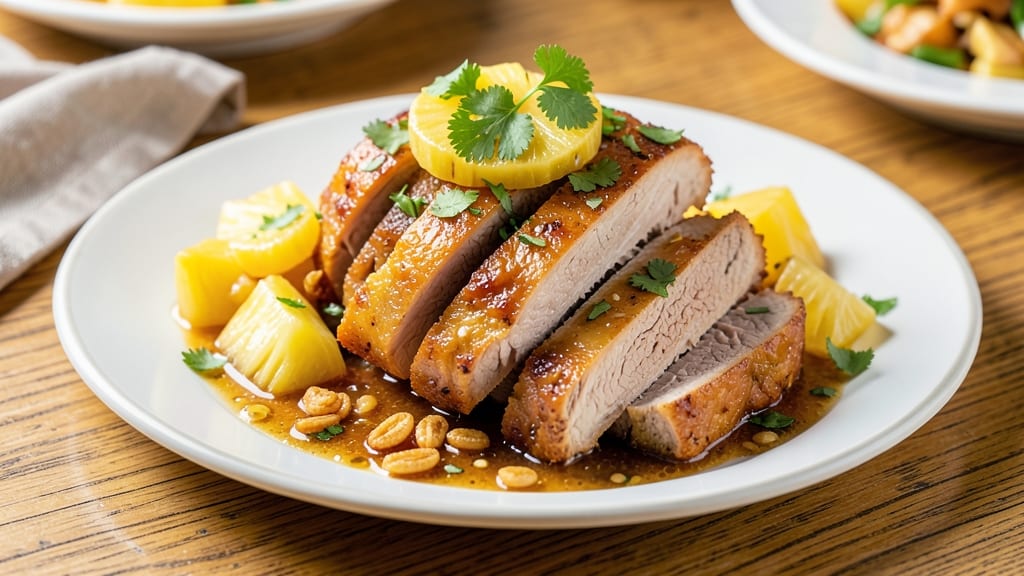
Chef James Beard’s sweet and sour pork pineapple recipe delivers the perfect balance of crispy wok-fried pork and bright, tangy sauce in just 30 minutes. I first learned this classic American-Chinese fusion technique from a vintage cookbook, and it’s become a crowd-pleaser at every dinner table.
The secret lies in the sauce—sweet, sour, and perfectly sticky—while the pork stays tender yet crispy on the outside.
This recipe stays true to Beard’s 1950s–60s style while adapting for modern home kitchens. You’ll start with thinly sliced pork that cooks quickly in a hot wok or skillet, then toss it in a sauce made from pineapple juice, vinegar, and a touch of brown sugar.
The pineapple adds natural sweetness and keeps the sauce from becoming too heavy. I’ve tested this recipe countless times, and it never fails to impress—even with picky eaters.
By the time you’re done, you’ll have golden-brown pork with a satisfying crunch, all coated in a glossy sauce that’s sweet, tangy, and just a little spicy. The pineapple chunks add freshness, while the sauce clings to every bite.
Serve it over steamed rice or with a side of steamed broccoli for a complete meal that feels restaurant-quality without the fuss.
What makes this recipe special is its versatility—it works for weeknight dinners, potlucks, or even a quick lunch. The sauce can be made ahead, so you’re not stuck chopping last minute.
And if you love leftovers, this dish tastes even better the next day as the flavors meld together. Let’s get cooking!
Ingredients for sweet and sour pork pineapple recipe chef james beard
Pantry staples and a few fresh ingredients for that classic tangy crunch.
| Ingredient | Amount | Notes |
|---|---|---|
| Pork Shoulder 🥓 | 1 ½ lb | Thinly sliced, 1/4-inch thick |
| All-Purpose Flour 🌾 | ½ cup | For dredging pork slices |
| Cornstarch 🌽 | ¼ cup | For crispy coating |
| Fresh Pineapple 🍍 | 1 ½ cups | Diced, fresh or canned |
| Pineapple Juice 🍍 | ½ cup | Freshly squeezed |
| Rice Vinegar 🍶 | ¼ cup | White or seasoned |
| Brown Sugar 🍚 | ¼ cup | Packed, light or dark |
| Soy Sauce 🍶 | ¼ cup | Light or regular |
| Garlic Cloves 🧄 | 4 cloves | Minced for sauce |
| Fresh Ginger 🌿 | 1 tbsp | Grated, fresh preferred |
| Red Bell Pepper 🧅 | 1 whole | Diced, any color |
| Green Onion 🧅 | ¼ cup | Sliced, for garnish |
| Vegetable Oil 🫒 | ½ cup | High smoke point |
| Salt 🧂 | 1 tsp | Kosher or sea salt |
| Ground Black Pepper 🌶️ | ½ tsp | Freshly ground |
The pork is everything here—shoulder gives the best texture when sliced thin. Costco or local butchers usually have pre-sliced pork for stir-fry, but if you're cutting it yourself, freeze it for 30 minutes first so it's easier to slice. Look for slices about 1/4-inch thick—too thick and they won't cook through in time. Fresh pineapple is ideal, but canned crushed pineapple (drained) works in a pinch—just add an extra tablespoon of cornstarch to the sauce to thicken it up.
No rice vinegar? Apple cider vinegar works, but it'll taste slightly different. Brown sugar substitutes? White sugar plus a pinch of molasses mimics the depth. The cornstarch is non-negotiable for that crispy coating—it's what makes this dish sing. If you're feeling fancy, add a dash of sesame oil to the sauce at the end. And if you're using canned pineapple, drain it well—extra juice makes the sauce watery. The bell pepper can be swapped for any veggie you've got (broccoli, snap peas) but keep it colorful for that classic look.
This sauce keeps for 3 days in the fridge—make extra for stir-fry or even grilled chicken. The pork reheats best in a skillet over medium heat, just until warmed through. Store leftovers in an airtight container with a layer of parchment between slices to keep them crispy. Freezes for 2 months if you're planning ahead. The sauce gets even better the next day as the flavors meld, so don't hesitate to make a double batch.
Why You'll Love This Recipe
- One-Pan Magic: I swear by this recipe when I’m too tired to wash dishes. The pork shoulder gets tenderized in the same skillet where the pineapple caramelizes—no extra pots, no extra cleanup. Just toss everything in, let it bubble, and walk away.
- Taste That Sticks: That crispy cornstarch crust on the pork? Chef’s kiss. The fresh pineapple juice brightens the sauce so it doesn’t feel heavy, and the flour coating keeps it from falling apart. It’s the kind of dish where every bite makes you reach for another.
- Lunchbox Hero: Between us, this is my go-to for meal prep. The pork stays juicy when reheated, and the pineapple adds a sweetness that kids (and picky eaters) actually finish. Pack it in containers, and you’ve got a week’s worth of easy lunches—no sad leftovers here.
- Budget-Friendly Feast: Pork shoulder is cheaper than tenderloin, and pineapple in juice form stretches further than fresh chunks. I’ll be real: it’s the kind of recipe where you double the batch, freeze half, and still feel like you’re eating restaurant-quality food. Win-win.
Step-by-step instructions for sweet and sour pork pineapple
Here's how to nail this classic dish with perfectly crisp pork and a tangy-sweet sauce.
Prepare the Pork for Crispy Perfection
Slice the 1.5 lb pork shoulder into ¼-inch thick pieces against the grain. I like to work in batches—lay each slice between two sheets of plastic wrap and pound gently with a meat mallet until even thickness. This ensures consistent cooking and maximum crispiness.
In a shallow bowl, whisk together the ½ cup all-purpose flour and ¼ cup cornstarch. Season lightly with 1 tsp salt and ½ tsp ground black pepper. Dredge each pork slice in this mixture, pressing gently to adhere. Let them rest for 5 minutes while you prep the wok—this helps the coating stick better.
Wok-Fry the Pork Until Golden
Heat ½ cup vegetable oil in a wok or large skillet over medium-high heat until shimmering. Add the dredged pork slices in a single layer, being careful not to overcrowd. Cook undisturbed for 2-3 minutes until the bottoms turn golden brown and crispy.
Flip carefully and cook another 2-3 minutes until the second side is also golden and the pork reaches an internal temperature of 145°F. Transfer to a plate and tent loosely with foil to keep warm. The pork should be tender but still slightly firm—it'll finish cooking in the sauce.
Build the Tangy-Sweet Sauce
In the same wok, reduce heat to medium and add 1 tbsp grated fresh ginger and 4 minced garlic cloves. Sauté for 30 seconds until fragrant—don't let the garlic burn, or it'll turn bitter. Add 1 diced red bell pepper and cook for 2 minutes until slightly softened.
Pour in ½ cup pineapple juice, ¼ cup rice vinegar, ¼ cup brown sugar, and ¼ cup soy sauce. Stir well and bring to a gentle simmer. Let it reduce for 3-4 minutes until slightly thickened—you want a glossy, syrupy consistency that'll coat the pork beautifully.
Combine and Finish
Return the pork to the wok and toss gently to coat in the sauce. Add 1½ cups diced fresh pineapple and stir to combine. Simmer for 2-3 minutes until the pineapple softens slightly and the flavors meld together. The sauce should be thick enough to cling to the pork without being gluey.
Taste and adjust seasoning—add a pinch more sugar if it's too tangy, or a splash of rice vinegar if it needs more acidity. Remove from heat and let it sit for 1 minute to thicken slightly before serving. Garnish with ¼ cup sliced green onion for freshness and color.
Pro Tips For Making Sweet And Sour Pork Pineapple Recipe Chef James Beard
- CUT PORK SMALL: Tiny, even cubes fry faster and soak up sauce better than lumpy hunks—aim for 1-inch pieces max. I used to eyeball it and end up with uneven cooking; now I measure with a ruler for consistency.
- BREAD TWICE: Coat the pork in flour first, shake off excess, then dip again in a thin egg wash before final flouring. The double barrier keeps the crust crispy without turning greasy—trust me, I’ve tried skipping it.
- SAVE THE JUICE: Strain pineapple juice through a fine-mesh sieve after blending to remove pulp—this prevents gummy sauce. I learned this after serving a batch where the sauce looked like glue.
- LOW AND SLOW: Simmer the sauce at a gentle bubble (180°F/82°C) to thicken evenly—boiling burns sugar and makes it bitter. Walk away, stir occasionally, and resist the urge to crank the heat.
Best sauces and condiments for sweet and sour pork pineapple recipe chef james beard
Classic Sweet-Sour Sauce
This is the heart of the dish—a perfect balance of sweet, sour, and umami that clings beautifully to the pork.
The sauce starts with ½ cup pineapple juice and ¼ cup rice vinegar for that signature tang, then ¼ cup brown sugar and ¼ cup soy sauce for depth. I like to reduce it just until it thickens slightly—about 3-4 minutes—so it coats the pork without being gluey. 🍍
For extra authenticity, I add 1 tbsp freshly grated ginger and 4 minced garlic cloves right at the start—they infuse the sauce with warmth. If you're short on time, a ½ tsp ground ginger works, but fresh is always better.
The red bell pepper adds a subtle crunch and color, but you could swap it for snap peas or broccoli if you prefer.
Spicy Kick Option
Want a little heat? Add ½ tsp red pepper flakes or 1 tsp sambal oelek to the sauce for a fiery twist. I’ve tested this with both, and the sambal gives a smoother heat that blends well with the sweetness.
For a milder kick, ½ tsp cayenne pepper works too. Just remember—pineapple juice is acidic, so the heat will mellow out slightly as it cooks. 🌶️
Thickening Tricks
If your sauce turns out too thin, don’t panic. A 1 tsp cornstarch mixed with 1 tbsp water and stirred in will thicken it up instantly. I’ve also used ½ tsp arrowroot powder for a clearer finish.
For a richer texture, add 1 tsp sesame oil at the end—it adds a nutty depth that pairs perfectly with the pineapple. The sauce should coat the back of a spoon but still be pourable.
Make-Ahead Sauce
This sauce is one of my favorite make-ahead components. Store it in an airtight container in the fridge for up to 3 days, or freeze it for 2 months. When reheating, warm it gently on the stove—never microwave it, or the texture will break down.
I often make a double batch because it’s so versatile—it works great over rice, noodles, or even grilled chicken. 💡
Garnish Like a Pro
A final touch makes all the difference. I always finish with ¼ cup sliced green onions for a fresh, bright contrast. For extra flair, add toasted sesame seeds or crushed peanuts—they add texture and a nutty crunch.
If you’re feeling fancy, a drizzle of chili oil or a sprinkle of fresh cilantro elevates the dish to restaurant-quality. The key is to garnish just before serving so everything stays crisp.
Nutrition facts
Frequently asked questions
Can I use chicken or shrimp instead of pork?
This recipe works beautifully with chicken thighs (boneless, skinless) or large shrimp. For chicken, cut into 1-inch pieces and cook for 5-6 minutes until golden. Shrimp only needs 2-3 minutes per side—just remove them when opaque. The sauce ratio stays the same, but adjust cooking times based on your protein.
What's the best way to get extra crispy pork?
For maximum crunch, freeze the sliced pork for 30 minutes before dredging—this prevents excess moisture. Use a mix of ½ cup cornstarch + ¼ cup flour (no salt in the coating) and cook in small batches in very hot oil. Keep the pork moving in the pan for the first 2 minutes to build that golden crust.
How do I make this recipe gluten-free?
Replace the flour with ½ cup gluten-free all-purpose flour or ¼ cup cornstarch + ¼ cup tapioca starch. For the sauce, ensure your soy sauce is tamari-based. The cornstarch in the coating will still give you that satisfying crunch—just press it firmly onto the pork slices.
Can I make this in a slow cooker?
Not ideal for the pork's texture, but you can adapt the sauce! Cook the pork separately in a skillet, then transfer everything (pork + sauce) to a slow cooker on low for 2 hours. The sauce will thicken, but the pork may get softer. For best results, stick to the stovetop method for crispy results.
What's the secret to balancing the sweet and sour flavors?
The magic is in the 1:1 ratio of sugar to vinegar (¼ cup each) plus the pineapple juice for natural sweetness. Taste as you go—if it's too sweet, add 1 tsp more vinegar; if too tangy, stir in ½ tsp sugar. The soy sauce adds umami depth that ties everything together.