
Sauces & Condiments
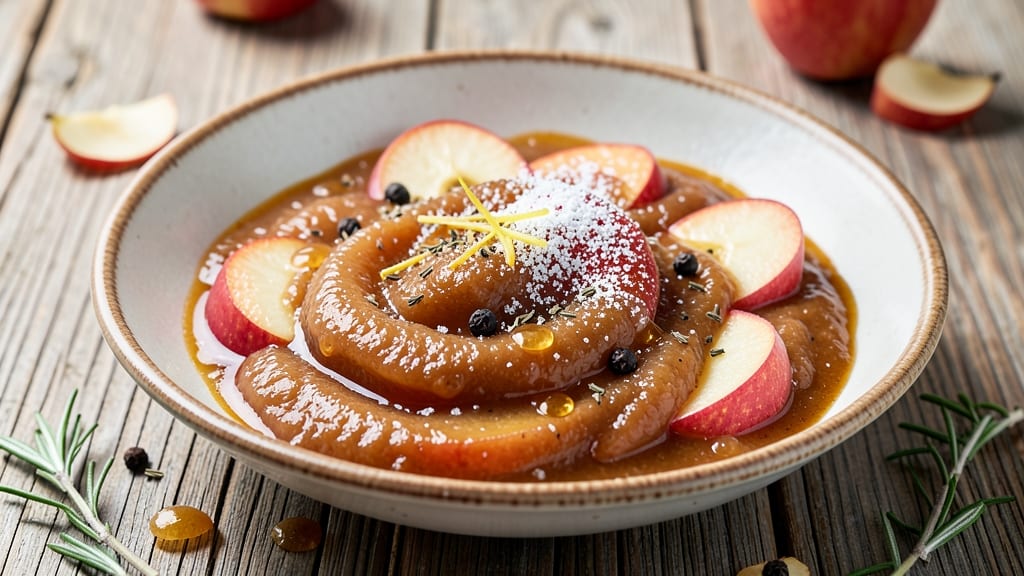
This quince apple sauce recipe transforms tart winter fruits into a velvety, spiced spread that bridges tradition and modern creativity. 🌟 The perfect balance of quince's natural sweetness and apple's crispness creates a sauce that's rich enough for cheese boards but versatile enough for cocktails or modern desserts.
The secret lies in slow simmering with celery seed and black pepper—just enough warmth to elevate the fruit's flavors without overpowering them. Quince's unique texture gives the sauce a luxurious mouthfeel, while apples keep it bright and approachable.
This isn't your grandmother's jam; it's a sophisticated condiment that works as beautifully on a charcuterie board as it does drizzled over vanilla ice cream.
What makes this sauce truly special is its dual personality: it's both nostalgic and innovative.
Traditionalists will love its classic spiced profile, while modern cooks will appreciate its unexpected versatility—think pairing it with sharp cheddar, using it as a glaze for roasted meats, or even incorporating it into cocktails for a sophisticated twist. The process is straightforward, but the results are anything but ordinary.
Once you taste this sauce, you'll understand why it's become a staple in both traditional and contemporary kitchens. The best part? It keeps beautifully in the refrigerator for up to two weeks, so you can enjoy this winter specialty long after the season ends. Here's how to make it.
Ingredients for quince apple sauce
Eight ingredients transform humble winter fruits into a luxurious, spiced spread perfect for charcuterie or cocktails.
| Ingredient | Amount | Notes |
|---|---|---|
| Quince Fruits 🍎 | 2 lbs | Peeled, cored, chopped into chunks |
| Apples 🍎 | 2 lbs | Mixed variety, peeled, cored, chopped |
| Granulated Sugar 🍚 | 1 ½ cups | Adjust to taste for sweetness |
| Fresh Lemon Juice 🍋 | ¼ cup | Brightens fruit flavors |
| Celery Seed 🌿 | 1 tsp | Ground for aromatic warmth |
| Ground Black Pepper 🌶️ | ½ tsp | Freshly cracked for depth |
| Cinnamon Sticks 🌿 | 2 whole | Removed after simmering |
| Extra-Virgin Olive Oil 🫒 | 1 tbsp | For glossy finish and richness |
Quince and apples are the heart of this sauce—look for firm, unblemished quince at specialty markets or Latin grocery stores (they're seasonal, so plan ahead). Honeycrisp or Fuji apples work best for their balance of sweetness and acidity. If you can't find quince, substitute with pears, but the texture will be less luxurious. The sugar amount is flexible; quince naturally sweetens as it cooks, so taste as you go. For the spices, Penzeys or bulk bins offer the freshest celery seed—it's what gives this sauce its signature warmth without overpowering the fruit.
No quince? Pears or Asian pears can work in a pinch, though the texture will be less velvety. Short on apples? Substitute with pear or even tart cherries for a different but equally delicious twist. The lemon juice is key—freshly squeezed brightens the flavors, but bottled works if you're in a hurry. For the spices, if you don't have celery seed, fennel seeds at half the amount add a similar earthy note. The cinnamon sticks infuse subtle warmth but can be omitted if you prefer a cleaner profile. And yes, the olive oil at the end is non-negotiable—it adds that silky finish that makes this sauce restaurant-worthy.
This sauce tastes even better the next day as the flavors meld. Store it in an airtight jar in the fridge for up to 2 weeks. It's perfect for drizzling over vanilla ice cream, pairing with sharp cheddar, or even using as a glaze for roasted meats. For a modern twist, stir a spoonful into cocktails like a whiskey sour or gin fizz. The sauce also freezes beautifully for up to 6 months—just thaw overnight in the fridge before using.
Why You'll Love This Recipe
- Few Ingredients, Big Payoff: I swear by this recipe because it’s that simple—just peel, slice, and simmer. No fancy techniques, no last-minute grocery runs. Quince and apples do all the heavy lifting while you sip your coffee.
- Taste Like Autumn: That bright citrus kick from the lemon juice cuts through the quince’s natural tartness, and the celery seed? It’s the secret—earthy but not overpowering. Honestly, it’s the kind of flavor that makes you pause mid-bite.
- Pantry Staple Upgrade: Between us, quince is underrated. But this sauce turns it into something everyone loves—spread it on toast, stir it into yogurt, or drizzle it over cheese boards. (Yes, even on a Tuesday night.)
- Lasts All Week: Make a big batch, and you’ll have a sweet-tart topping for weeks. The sugar balances the quince’s jammy texture, so it doesn’t turn rubbery. My freezer’s full of jars, and I’m not complaining.
Step-by-step instructions for quince apple sauce
Here's how to transform tart quince and apples into a velvety, spiced sauce with perfect balance.
🍳 Step 1: Sauté Aromatics and Fruits
In a large, heavy-bottomed pot, combine the 2 lbs quince fruits and 2 lbs apples with the 2 whole cinnamon sticks. Add the 1 tbsp extra-virgin olive oil and stir gently to coat the fruit. Place the pot over medium heat and let it cook undisturbed for 5 minutes until the fruit begins to soften slightly and release its juices.
Here's the thing—quince can be stubborn, so don't rush this step. You'll know it's ready when the fruit releases its aroma and the oil starts to shimmer around the edges. This initial cooking breaks down the quince's natural pectin, making the sauce smoother later. Stir occasionally to prevent sticking, but let the fruit develop color and flavor first.
👨🍳 Step 2: Simmer with Spices and Sweetener
Add the 1.5 cups granulated sugar, 1 tsp celery seed, and 0.5 tsp ground black pepper to the pot. Stir well to distribute the spices evenly through the fruit. Pour in the 0.25 cup fresh lemon juice and increase the heat to medium-high until the mixture reaches a gentle boil.
Once boiling, reduce the heat to low and let it simmer uncovered for 30-40 minutes, stirring occasionally. You're looking for the fruit to break down completely and the mixture to thicken into a sauce-like consistency. The quince will release its natural gums, creating that signature glossy texture. If it starts to stick, add 2-3 tablespoons of water to keep it moving.
⏰ Step 3: Blend and Refine the Texture
Remove the cinnamon sticks and transfer the mixture to a blender or food processor. Blend until completely smooth, scraping down the sides as needed. For an extra-silky texture, I like to press the mixture through a fine-mesh sieve to remove any remaining skin or seeds. This step ensures a velvety finish that coats the back of a spoon.
Taste and adjust the sweetness if needed—some quince varieties can be more tart. If it needs more balance, add a bit more sugar or lemon juice. The sauce should be sweet but still have that bright, spiced complexity from the celery seed and pepper. Real talk: this is where the magic happens, so don't skip the blending or tasting step.
🥘 Step 4: Finish and Store Properly
Return the sauce to the pot and simmer gently for another 5-10 minutes to let the flavors meld. The sauce should coat a spoon and hold its shape when drizzled. For a glossy finish, stir in an extra ½ teaspoon of olive oil—this enhances the richness and gives it that professional restaurant sheen.
Let the sauce cool to room temperature, then transfer it to airtight jars. It keeps in the refrigerator for up to 2 weeks or can be frozen for 6 months. The flavors actually deepen over time, making this a perfect make-ahead spread for holiday gatherings or cozy winter breakfasts.
Pro Tips For Making Quince Apple Sauce
- PEEL AND CORE QUINCES FIRST: Quince skins are tough and bitter—peel them before cutting, even if it feels like extra work. I learned this the hard way when I skipped it and ended up with a gritty, unpleasant texture in the sauce. Use a sharp knife and cut from stem to blossom end to avoid slipping.
- COOK LOW AND SLOW: Quince turns to mush if you rush it—simmer on medium-low heat for at least 30 minutes, stirring occasionally. I used to crank the heat, and the sauce would either burn or turn gluey. Keep it steady, and you’ll get that perfect jammy consistency.
- USE TART APPLES ONLY: Granny Smiths or Braeburns add brightness and prevent the sauce from tasting cloyingly sweet. My first batch with Honeycrisp apples was way too mild. Stick to tart varieties, and the lemon juice won’t need to overpower.
- STRAIN THE SEEDS OUT: Quince seeds can leave a bitter aftertaste, and celery seeds sink fast—strain the sauce through a fine-mesh sieve after cooking. I used a cheesecloth once, and it made all the difference. No one wants a mouthful of grit or unexpected spice.
Troubleshooting this dish
Sauce Too Thin?
If your sauce ends up too watery after simmering, don't panic—this happens more often than you'd think with quince. The key is to simmer uncovered on low heat for an extra 15-20 minutes to let the natural pectin thicken it.
For an immediate fix, mix 1 tablespoon of cornstarch with 2 tablespoons of cold water, stir into the sauce, and simmer for 5 more minutes until it reaches your desired consistency.
I've found that adding a pinch of lemon zest along with the juice can also help stabilize the texture while brightening the flavor. 🌟
Fruit Not Soft Enough
Quince can be stubborn, so if your fruit isn't breaking down after 40 minutes, you're not alone—it happens! The trick is to increase the heat slightly to medium-low and add ¼ cup of water to help the fruit release its natural sugars.
Cover the pot with a lid and let it steam for 10-15 minutes, then uncover and continue simmering. If the sauce still feels undercooked, blend it thoroughly and return it to the pot for another 5-10 minutes to cook off any excess liquid.
Patience is key here—rushing will leave you with a grainy texture.
Sauce Too Tart?
If your sauce tastes overly acidic, it's likely because the quince wasn't fully ripe or the lemon juice overpowered the sweetness. Balance it by adding 1-2 tablespoons of honey or maple syrup and simmering for another 5 minutes to let the flavors meld.
For a more sophisticated fix, stir in ½ teaspoon of vanilla extract—it rounds out the acidity beautifully while adding depth. Trust me, this is a game-changer for tart batches. The goal is a harmonious balance where the spices and fruit shine without the tartness dominating. 💫
Skin or Seeds in Blended Sauce
Even with careful blending, you might end up with small bits of skin or seeds. The easiest solution is to press the sauce through a fine-mesh sieve into a clean bowl, using a spoon to push everything through.
For a smoother texture without extra effort, use an immersion blender right in the pot—it's more efficient and reduces mess. If you're short on time, a quick pass through a food mill works wonders too.
Just remember, a few tiny specks won't ruin the sauce, but that silky finish is what makes it special.
Sauce Separates When Stored
This is a common issue with homemade fruit sauces, but it's easily fixed. Before storing, stir in ½ teaspoon of xanthan gum or 1 teaspoon of unflavored gelatin (dissolved in 1 tablespoon of water) to help bind the mixture.
For a natural alternative, blend in 1 tablespoon of unsweetened applesauce—it adds body without altering the flavor. Always store the sauce in an airtight container and let it cool completely before sealing to prevent condensation, which can cause separation.
The sauce will keep beautifully in the fridge for up to 2 weeks with this trick. ✨
Spices Overpowering?
If the celery seed or black pepper tastes too strong, it's likely because the fruit didn't fully absorb the flavors during simmering. To fix this, blend in 1-2 tablespoons of unsweetened applesauce or plain yogurt to dilute the intensity while adding creaminess.
For a more elegant solution, stir in ½ teaspoon of ground cardamom—it complements the spices beautifully and adds a fresh, aromatic note. Remember, the spices should enhance, not dominate, the natural sweetness of the quince and apples. Taste as you go and adjust gradually. 🍋
Nutrition facts
Frequently asked questions
Why does quince need to be peeled before cooking?
Quince has a tough, fibrous skin that doesn't soften during cooking, even when fully ripe. The skin also contains natural tannins that can make the sauce bitter. Peeling ensures a silky texture and lets the fruit's sweet, floral flavors shine through without any unpleasant aftertaste.
Can I substitute pears for quince if I can't find any?
Yes, but the texture will be slightly different. Use 2 lbs of firm pears (like Bosc or Anjou) and add 1 extra tablespoon of lemon juice to compensate for quince's natural tartness. The sauce will still be delicious, though less luxurious—quince's unique pectin gives it that signature velvety consistency.
How do I know when the sauce is thick enough?
The sauce is ready when it coats the back of a spoon and holds its shape when drizzled. Test by chilling a small spoonful in the freezer for 1 minute—if it forms a gel-like consistency, it's perfect. If it's too runny, simmer uncovered for another 10-15 minutes to reduce the liquid.
What are the best ways to use this sauce beyond desserts?
This versatile sauce shines on charcuterie boards with aged cheddar or goat cheese, as a glaze for roasted pork or duck, or even in savory dishes like braised short ribs. For cocktails, stir 1 tablespoon into a whiskey sour or gin fizz—the spiced fruit adds a sophisticated twist to classic drinks.
Can I make this sauce without a blender?
Use a potato masher or fork to crush the cooked fruit until smooth. For an even smoother texture, press the mixture through a fine-mesh sieve to remove any remaining skin or seeds. The sauce will be slightly chunkier but still delicious—just stir in an extra ½ teaspoon of olive oil for richness.