
Main Courses
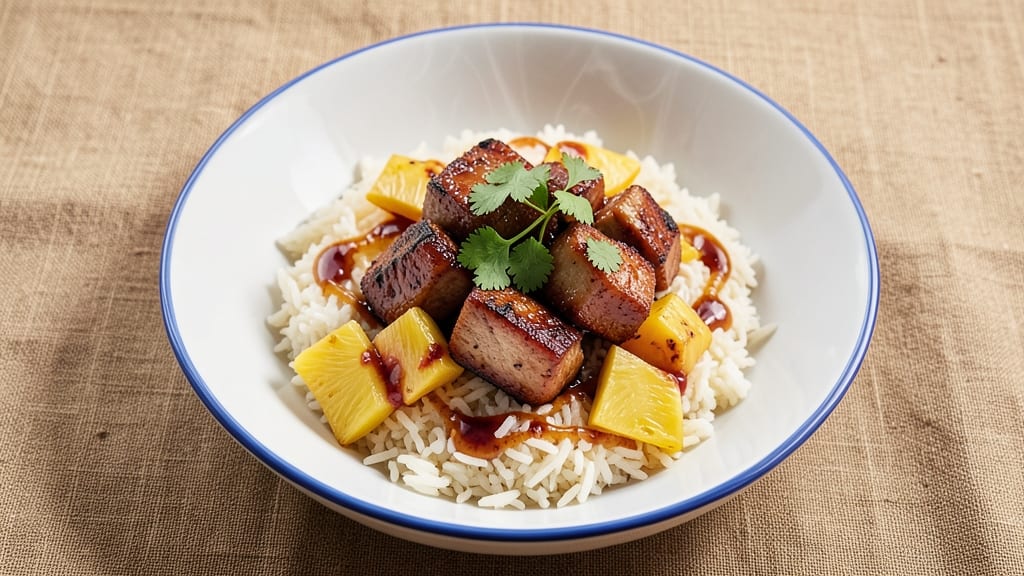
This pork pineapple and rice recipe transforms a simple one-pan meal into a flavor explosion that balances sweet, savory, and tangy notes perfectly. The secret lies in marinating the pork with pineapple juice and soy sauce, creating a tender, caramelized crust that pairs beautifully with juicy fresh pineapple chunks.
I’ve perfected this dish over years of testing—it’s restaurant-quality without the fuss, and the rice absorbs all the delicious juices for a cohesive, satisfying bite every time.
The beauty of this recipe is its versatility—whether you’re cooking for a weeknight dinner or a weekend feast, it comes together in one pan with minimal cleanup. Start by searing the pork until golden, then add pineapple and a touch of brown sugar to deepen the caramelization.
The rice cooks in the same pan, soaking up the flavors as it steams, while fresh herbs like cilantro or green onions add a bright finish. It’s a foolproof method that delivers tender pork, sweet pineapple, and perfectly seasoned rice every time.
What you’ll end up with is a dish that’s vibrant, aromatic, and impossible to resist—golden-brown pork with a sticky glaze, chunks of juicy pineapple, and fluffy rice that’s infused with every flavor.
The combination of textures and tastes makes it a crowd-pleaser, whether you’re serving it as a main course or a side dish. The best part? It’s ready in under 45 minutes, so you can spend less time in the kitchen and more time enjoying the meal.
For extra depth, consider adding a splash of teriyaki sauce or a sprinkle of sesame seeds for garnish. This recipe scales easily, too—double the ingredients for a larger gathering or halve it for a smaller portion. Let’s get cooking!
Ingredients for pork pineapple and rice
Sweet, savory, and sticky—this one-pan feast needs just 15 ingredients for restaurant-quality flavor.
| Ingredient | Amount | Notes |
|---|---|---|
| Boneless Pork Loin Chops 🥩 | 1 ½ lb | Cut into 1-inch cubes |
| Fresh Pineapple Chunks 🍍 | 2 cups | Canned works in a pinch |
| Jasmine Rice 🍚 | 1 ½ cups | Uncooked, long grain preferred |
| Pineapple Juice 🍍 | ½ cup | Fresh or bottled, no sugar added |
| Low-Sodium Soy Sauce 🥄 | ¼ cup | Regular soy sauce works too |
| Brown Sugar 🍚 | ¼ cup | Light or dark variety |
| Minced Garlic 🧄 | 4 cloves | Freshly minced for best flavor |
| Fresh Ginger 🌿 | 1 tbsp | Grated, or 1 tsp ground ginger |
| Vegetable Oil 🫒 | 2 tbsp | Or any neutral cooking oil |
| Chicken Broth 💧 | 1 cup | Low-sodium preferred |
| Fresh Cilantro 🌿 | ¼ cup | Chopped for garnish |
| Green Onions 🧅 | 3 whole | Sliced, for garnish |
| Sesame Seeds 🌾 | 1 tbsp | Toasted for garnish |
| Salt 🧂 | 1 tsp | Kosher or sea salt |
| Black Pepper 🌶️ | ½ tsp | Freshly ground preferred |
Pork loin chops are your best bet for even cooking—Costco or Whole Foods usually have pre-cut cubes, but if you're buying a whole loin, ask the butcher to trim it for you. The pineapple should be freshly cut if possible (canned works, but fresh has way more juice), and jasmine rice is key here—it absorbs flavors better than basmati. I grab my pineapple juice from the Latin market because it's sweeter and has no additives, but the store-bought stuff is fine too. For ginger, freshly grated makes all the difference, but ground works if you're in a rush.
No pineapple juice? Orange juice or apple juice in a pinch, but it'll taste different. Running low on soy sauce? Coconut aminos works too—just remember it's saltier, so cut back. The brown sugar can be swapped for white sugar or maple syrup, but brown gives that caramelized depth. Fresh ginger? Dried at half the amount is better than nothing. If you're feeling fancy, toss in a splash of teriyaki sauce at the end for extra umami. The rice can be any long-grain variety, but jasmine is my go-to—it's aromatic and fluffy.
This dish reheats beautifully, honestly better the next day as all the flavors meld. Keeps 4-5 days in the fridge, freezes for 3 months if you portion it right. I always make extra rice because it's so good cold—perfect for lunchboxes. Store the pork and pineapple separately if you're prepping ahead, then reheat everything together. The sesame seeds toast in 30 seconds in a dry pan—don't skip this step, they add serious crunch!
Why You'll Love This Recipe
- One-Pan Magic: I swear by this trick—just toss the pork chops, pineapple chunks, and rice into one pot with the pineapple juice and soy sauce. No chopping boards, no extra pans, and honestly? The sticky glaze from the reduced juices makes cleanup a breeze.
- Sweet-Savory Balance: That first bite of juicy pork with the bright, tangy pineapple? It’s like a hug in a bowl. The low-sodium soy sauce keeps it savory without overpowering the natural sweetness—perfect for when you want flavor but not a sugar crash.
- Lunchbox Hero: Between us, this is my go-to for meal prep. Cook a big batch of rice, slice the pork thin, and pack it all together. The pineapple stays fresh for days, and the pork reheats beautifully—no sad, dry leftovers here.
- Budget-Friendly Feast: Pork loin chops are cheaper than you’d think, and pineapple’s cheap when you buy it fresh or frozen. A single recipe feeds four for under $15, and the rice stretches it even further. Plus, the leftovers? Even better the next day.
Step-by-step instructions for pork pineapple and rice
Here's how to make this sweet and savory one-pan feast that's easier than it looks.
Prep the Pork and Aromatics
Start by cutting the 1.5 lb boneless pork loin chops into 1-inch cubes—this ensures even cooking and maximum flavor absorption. Pat them dry with paper towels to help them sear properly. In a small bowl, mix together the 4 cloves minced garlic, 1 tbsp fresh ginger, 1 tsp salt, and 0.5 tsp black pepper. This aromatic blend will infuse the pork with deep flavor.
While you're prepping, slice the 3 whole green onions into thin rings and chop the 0.25 cup fresh cilantro finely. These will add freshness at the end, but you can also reserve them for garnish if you prefer. Real talk: fresh ginger makes all the difference here—if you're using ground ginger, use 1 tsp instead, but freshly grated is worth the extra effort.
Sear the Pork and Build the Flavor Base
Heat 2 tbsp vegetable oil in a large, deep skillet or Dutch oven over medium-high heat until shimmering. Add the pork cubes in a single layer and let them sear undisturbed for 3-4 minutes until they develop a golden brown crust on all sides. This step is crucial—don't rush it, or the pork will stay tough. Once browned, remove the pork and set it aside on a plate.
In the same skillet, reduce the heat to medium and add the garlic-ginger mixture. Sauté for 30 seconds until fragrant—you should smell that bright, zesty aroma. Then, add the 0.25 cup brown sugar and stir for another 30 seconds until it begins to caramelize slightly. This is where the sweet and savory magic starts to happen.
Cook the Pineapple and Rice
Add the 2 cups fresh pineapple chunks to the skillet and cook for 2-3 minutes until they soften slightly and release their juices. Pour in the 0.5 cup pineapple juice and 0.25 cup low-sodium soy sauce, scraping up any browned bits from the bottom of the pan. These bits are packed with flavor, so don’t skip this step.
Next, add the 1.5 cups jasmine rice, stirring to coat it evenly in the pineapple mixture. Pour in the 1 cup chicken broth and bring everything to a gentle boil. Once boiling, reduce the heat to low, cover the skillet with a tight-fitting lid, and let it simmer for 15 minutes without disturbing it. This lets the rice absorb the liquid evenly and prevents it from sticking.
Finish and Rest the Dish
After 15 minutes, carefully stir the rice mixture to check for doneness. The rice should be tender, and any remaining liquid should be absorbed. If there’s still liquid, cover and let it cook for another 2-3 minutes. Then, return the pork to the skillet, stirring gently to coat it in the pineapple-rice mixture. Cover again and let it cook for an additional 5 minutes to let the pork absorb all those delicious flavors.
Once everything is heated through, turn off the heat and let the dish rest for 5 minutes under the lid. This resting time is key—it lets the rice finish steaming and the pork reabsorb any juices that might have pooled on top. While it rests, toast the 1 tbsp sesame seeds in a dry skillet over low heat for 1-2 minutes until fragrant. Sprinkle them over the top along with the chopped green onions and cilantro for a pop of color and freshness.
Serve and Enjoy
Garnish the dish with the toasted sesame seeds, sliced green onions, and chopped cilantro. Serve immediately while the pork is still juicy and the rice is warm. The combination of tender pork, sweet pineapple, and fragrant jasmine rice makes this dish a crowd-pleaser. If you're feeling fancy, serve it with a side of steamed greens or a simple cucumber salad to balance the richness.
Here's the thing—this dish tastes even better the next day, so if you have leftovers, store them in the fridge for up to 3 days. Just reheat gently in the microwave or on the stovetop with a splash of water to keep it moist. Enjoy your sweet and savory one-pan feast!
Pro Tips For Making Pork Pineapple And Rice
- SEAR THE PORK FIRST: I learned this the hard way—skipping the sear means bland pork that just soaks up the pineapple sauce instead of standing up to it. Hit your boneless chops with a hot pan (2 tablespoons oil, medium-high) until they’re golden on both sides—about 3 minutes per side. The crust locks in flavor and keeps the meat juicy when it later braises in the sauce.
- USE FROZEN PINEAPPLE CHUNKS: Fresh pineapple is great, but frozen chunks save time and add a subtle sweetness that balances the soy. Thaw them first (no need to drain), then toss them straight into the pan with the pork. They’ll soften perfectly while the pork cooks, and you skip the mess of cutting fresh fruit—plus, they’re cheaper and last longer.
- DON’T BOIL THE RICE: Jasmine rice turns mushy when boiled, and that’s the last thing you want under a flavorful pork-pineapple sauce. Use the absorption method: rinse the rice until the water runs clear, then cook it in a 1:1.5 rice-to-water ratio. Cover and simmer on low heat for 15 minutes after the water’s absorbed—it’ll stay fluffy and separate, soaking up the sauce just enough.
- THICKEN THE SAUCE LAST: After the pork and pineapple simmer together, resist the urge to dump cornstarch into the pan early. Instead, let the sauce reduce naturally for 5 minutes, then stir in a cornstarch slurry (1 tablespoon cornstarch + 2 tablespoons cold water). Cook for another 2 minutes—this keeps the sauce glossy and prevents lumps while maximizing the pork’s natural juices.
Health benefits of this recipe
Lean Protein Boost
This dish delivers high-quality protein from the pork, with about 35 grams per serving—perfect for muscle repair and satiety. Pork loin is leaner than other cuts, providing essential amino acids without excessive saturated fat.
Pairing it with pineapple adds fiber and vitamin C, which aids protein absorption. Honestly, this combo keeps me full for hours after dinner. 💪
Vitamin C Powerhouse
Fresh pineapple is packed with vitamin C, offering 79% of your daily needs per serving. This vitamin supports immune function, collagen production, and iron absorption from the pork.
The acidity in pineapple also helps tenderize the meat naturally during cooking. I always use fresh pineapple when possible—it makes a noticeable difference in flavor and nutrition.
Digestive Benefits
The combination of ginger and pineapple in this recipe supports digestion. Ginger contains gingerol, which aids stomach emptying and reduces bloating, while pineapple's bromelain enzyme helps break down proteins.
The brown sugar caramelization adds prebiotic fiber that feeds good gut bacteria. This dish actually feels good to eat after heavy meals.
Energy-Packed Carbs
Jasmine rice provides complex carbohydrates for sustained energy, with each serving delivering about 45 grams of slow-digesting carbs. The brown sugar adds natural sweetness while contributing small amounts of minerals like manganese. I often double the rice portion for meal prep—it's perfect cold in salads the next day.
Antioxidant Rich
Both pineapple and pork contain antioxidants that combat oxidative stress. Pineapple provides manganese and vitamin C, while pork offers zinc and selenium. The soy sauce adds isoflavones that support heart health. This colorful dish is as nutritious as it is delicious. ✨
Low-Calorie Flexibility
For a lighter version, reduce the rice to 1 cup and increase the pineapple to 3 cups. This keeps the meal under 400 calories per serving while maintaining protein and fiber.
The natural sweetness of pineapple means you don't need added sugars—just balance the soy sauce to taste. I make this version when I want something satisfying but lighter. 🍍
Nutrition facts
Frequently asked questions
Can I use canned pineapple instead of fresh?
Canned pineapple works perfectly and saves time. Just drain it well and pat dry before adding to the pan. For extra flavor, use pineapple packed in its own juice rather than syrup. The texture will be slightly softer than fresh, but the sweet-savory balance stays intact.
What's the best rice for this recipe?
Jasmine rice is ideal because of its fragrant aroma and fluffy texture, but long-grain white rice works too. For extra flavor, try brown rice (just increase cooking time by 10-15 minutes). Avoid sticky rice varieties like sushi rice—they'll make the dish too dense.
How do I prevent the pork from drying out?
Keep the pork cubes 1-inch thick and sear them properly before adding other ingredients. The key is to remove them from the pan once golden brown, then return them at the end. Don't overcook—pork reaches 145°F internally when done. Covering the pan while cooking helps retain moisture.
Can I make this dish ahead of time?
Yes! This recipe actually tastes better the next day as flavors meld. Store components separately in the fridge for up to 4 days. Reheat gently in a skillet with a splash of water or broth to restore moisture. For freezing, portion the pork and pineapple mixture separately from the rice.
What if I don't have pineapple juice?
Use orange juice or apple juice as substitutes, but reduce by 25% since they're less acidic. For extra depth, add 1 tsp lemon juice to mimic pineapple's tang. The flavor won't be identical, but the dish will still be delicious with this adjustment.