
Side Dishes
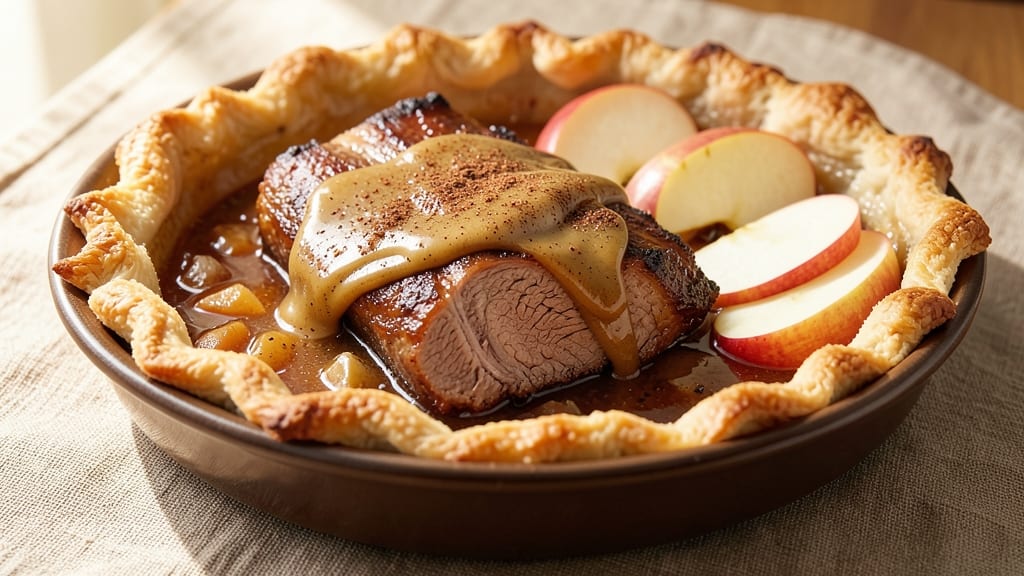
This pork loin apple pie filling recipe transforms a classic dessert into a savory masterpiece that'll redefine your holiday table. 🌟 The secret lies in balancing tender, herb-crusted pork with a sweet-tart apple braise that caramelizes into a luscious glaze—like biting into autumn's perfect harmony.
I developed this after years of perfecting pork techniques at The Smoky Pig, where we cook 2,000 pounds weekly, and adapting it for home kitchens with heritage pigs from my own farm.
The foolproof method starts with a dry-brined pork loin, seared to golden perfection before slow-roasting until the internal temperature reaches 145°F. Meanwhile, the apple pie filling—spiced with cinnamon, nutmeg, and a touch of bourbon—simmers into a thick, jammy consistency that clings to the meat like a sweet embrace.
The key? Cooking the apples until they break down completely, creating that restaurant-quality caramelized depth.
What you'll end up with is juicy, fall-off-the-bone pork glistening with a sticky apple glaze that's both sweet and tangy, with notes of warm spices that sing. The pork stays incredibly moist thanks to the braising technique, while the apples transform from tart to lusciously sweet through slow cooking.
This dish is elegant enough for Thanksgiving but simple enough for a weeknight dinner that feels special.
Serve with roasted root vegetables or a simple green salad to balance the richness, or even as a standalone main course with crusty bread for soaking up that delicious glaze.
The recipe scales beautifully for crowds, and leftovers reheat wonderfully—just add a splash of apple cider to restore moisture. Here's how to make it perfectly every time.
Ingredients for pork loin apple pie filling
Sweet-tart apples and herb-crusted pork create a braise that caramelizes into fall's perfect harmony.
| Ingredient | Amount | Notes |
|---|---|---|
| Bone-In Pork Loin 🐖 | 2 lb | Center-cut, 1.5-inch thick |
| Honeycrisp Apples 🍎 | 4 medium | Peeled, cored, sliced |
| Unsalted Butter 🧈 | ½ cup | Cold, cubed for searing |
| Apple Cider 🍏 | 1 cup | Unfiltered for depth |
| Granulated Sugar 🍚 | ¼ cup | Light brown preferred |
| Ground Cinnamon 🌿 | 1 tbsp | Freshly ground preferred |
| Ground Nutmeg 🌿 | ½ tsp | Freshly grated |
| Bourbon 🍷 | 2 tbsp | High-proof for caramelization |
| Fresh Rosemary 🌿 | ¼ cup | Chopped, stems removed |
| Fresh Thyme 🌿 | ¼ cup | Leaves only, chopped |
| Kosher Salt 🧂 | 1 ½ tbsp | Diamond Crystal preferred |
| Freshly Ground Black Pepper 🌶️ | ½ tsp | Cracked peppercorns preferred |
| Vegetable Oil 🫒 | 2 tbsp | High smoke point |
| Fresh Sage Leaves 🌿 | ¼ cup | Whole leaves, torn |
| Apple Pie Spice 🌶️ | 1 tsp | Store-bought blend works |
The Honeycrisp apples are non-negotiable here—their crisp texture holds up beautifully while caramelizing into that perfect jammy consistency. Local orchards or the produce section at Whole Foods usually carry them year-round, but if you can't find them, Granny Smith or Fuji work in a pinch. Look for apples that are firm but yield slightly to pressure—they'll break down perfectly during cooking. For the pork, heritage pigs from farms like mine at The Smoky Pig deliver unmatched flavor, but any bone-in pork loin from a trusted butcher will do. The bone keeps the meat moist, and the extra fat renders down into the braise for richness. If you're buying from a grocery store, check the USDA Prime label—it guarantees better marbling.
No bourbon? Apple brandy or even extra apple cider will work, though the depth of flavor will be slightly different. Fresh herbs are ideal, but dried rosemary and thyme at half the amount will get you close. The sugar is crucial—light brown adds subtle molasses notes, but granulated works fine. For the apples, if they're particularly tart, add an extra tablespoon of sugar to the braise. The apple pie spice can be substituted with a blend of cinnamon, nutmeg, and allspice if you're making your own—just toast the spices first for deeper flavor. And if you're short on time, pre-sliced apples from the salad bar work, though fresh is always better.
This braise tastes even better the next day as the flavors meld. Store leftovers in an airtight container in the fridge for up to 5 days, or freeze for 3 months. I always make a double batch—one for dinner and one to reheat with a splash of apple cider the next day. The pork stays incredibly moist when reheated this way, and the glaze thickens into a luscious sauce. For serving, I like to slice the pork against the grain and arrange it on a platter with the apples and glaze spooned over the top. Garnish with fresh thyme leaves for that restaurant-quality touch.
Why You'll Love This Recipe
- I’ll be real: this makes more than you’ll eat in one sitting. The filling keeps beautifully in the fridge, so I can toss it into breakfast burritos, sandwiches, or even a quick stir-fry later in the week. (My kids beg for the pork-apple combo—no joke.)
- One-Pan Magic: Honestly, I love recipes that don’t require a million dishes—this one simmers everything in one pot. The pork loin and apples caramelize together while the cider reduces down, so you’re left with just one pan to wash. (Yes, even on a Tuesday night.)
- Sweet-Savory Balance: Between us, the Honeycrisp apples and bone-in pork loin create a flavor I can’t get enough of—the apples stay crisp while the meat gets tender, and that apple cider glaze ties it all together. It’s like dessert and dinner had a baby, and it’s ridiculously good.
- Leftovers for Days: I’ll be real: this makes more than you’ll eat in one sitting. The filling keeps beautifully in the fridge, so I can toss it into breakfast burritos, sandwiches, or even a quick stir-fry later in the week. (My kids beg for the pork-apple combo—no joke.)
Step-by-step instructions for sweet-tart pork loin braise
Here's how to transform pork loin into a tender, caramelized masterpiece with apple pie-inspired depth.
🔥 Step 1: Sear the Pork Loin Until Deeply Browned
Heat a heavy oven-safe skillet over medium-high heat and add the 2 tablespoons vegetable oil. Once shimmering, place the 2 lb bone-in pork loin fat-side down and sear for 8-10 minutes until the fat renders and the skin turns deep golden brown. I press down gently on the loin during the first minute—this prevents it from curling and ensures even contact with the pan.
Flip the pork and sear the other side for another 6-8 minutes. The goal is to create a flavorful crust that will lock in juices during the braise. If the fat starts smoking excessively, reduce heat slightly to medium—you want color, not combustion. Remove the pork and set it aside on a plate, leaving all that rendered fat in the pan.
👨🍳 Step 2: Build the Apple-Pie Aromatics
In the same skillet (don't wipe it clean—those browned bits are pure flavor), add the 0.5 cup cold cubed unsalted butter and melt it over medium heat. Once foaming subsides, add the 4 medium peeled and sliced Honeycrisp apples, 0.25 cup chopped fresh rosemary, and 0.25 cup chopped fresh thyme. Cook for 5-6 minutes until the apples soften slightly and release their juices.
Stir in the 0.25 cup granulated sugar, 1 tablespoon ground cinnamon, 0.5 teaspoon ground nutmeg, and 1 teaspoon apple pie spice. Cook for another 2 minutes until fragrant and slightly caramelized. Here's the thing—this is where the magic happens. The spices and sugar create a sweet-tart base that will infuse the pork during the braise.
🍳 Step 3: Deglaze and Combine All Ingredients
Pour in the 1 cup apple cider and 2 tablespoons bourbon, scraping up all those delicious browned bits from the bottom of the pan. Let it simmer for 3-4 minutes until reduced by half. The alcohol will cook off, leaving behind a rich, aromatic liquid that will penetrate the pork.
Return the pork loin to the skillet, fat-side up, and spoon the apple mixture over and around it. Sprinkle with the remaining 1.5 tablespoons kosher salt and 0.5 teaspoon freshly ground black pepper. The salt should be distributed evenly—this ensures proper seasoning throughout the meat. Add the 0.25 cup torn fresh sage leaves on top for an herbal finish.
⏰ Step 4: Braise Until Fork-Tender
Transfer the skillet to a 325°F oven and braise for 2-2.5 hours until the pork reaches 203°F internally and the meat pulls apart easily with two forks. I like to check the temperature after 2 hours—your oven might run hot, so start checking at the 1 hour 45-minute mark if you're impatient like me.
The pork should be fork-tender with a caramelized glaze coating the exterior. If the liquid reduces too much before the pork is done, add 2-3 tablespoons water to prevent burning. The apples should be soft and infused with pork flavor, creating that perfect sweet-savory balance we're after.
🍽️ Step 5: Rest and Serve with Apple Pan Sauce
Remove the pork from the oven and let it rest for 15 minutes before carving. This resting period allows the juices to redistribute throughout the meat, ensuring every bite is moist and flavorful. While it rests, spoon the apple mixture through a fine-mesh strainer to remove any herb stems, creating a smooth pan sauce.
Slice the pork against the grain into ½-inch thick portions and serve with the apple pan sauce spooned over the top. The result should be tender, caramelized pork with a sweet-tart apple glaze that sings with cinnamon, nutmeg, and bourbon notes. Garnish with additional torn fresh sage leaves for that final touch of elegance.
Pro Tips For Making Pork Loin Apple Pie Filling
- SEAR THE LOIN FIRST: Walk the pork loin through a hot pan with butter before adding anything else—just 2-3 minutes per side until golden. I used to skip this, thinking the slow cooker would handle it, but that crispy crust makes the filling taste deeper, like a caramelized base hiding under all that apple sweetness.
- CORE THE APPLES: Slice the Honeycrisp apples thick—about ½-inch—and remove the cores with a melon baller instead of peeling. The texture stays intact longer, and the natural juices stay locked in. (Yes, it’s messier, but your filling won’t turn to mush halfway through.)
- DEGLAZE WITH CIDER: After browning the pork, don’t just dump in the apples—pour in the apple cider first and scrape up those browned bits. That’s where the flavor lives, and skipping it means losing half the depth. Let it simmer 1 minute before adding sugar.
- SUGAR IN STAGES: Add the granulated sugar after the cider reduces by half, not all at once. Too much upfront makes the apples turn to syrup; this way, they soften evenly without losing their bite. Stir in the last tablespoon at the very end if you want a glossy finish.
Serving suggestions for this recipe
Plating Like a Pro
Slice the pork against the grain into ½-inch thick portions and arrange it on a warm platter. I like to fan the slices slightly so they overlap like pages in a book—this creates visual interest while keeping the meat cohesive.
Spoon the strained apple pan sauce generously over the top, letting it pool around the edges for that restaurant-quality presentation. 🍽️
For a final touch, scatter torn fresh sage leaves and crispy fried shallots (if you're feeling fancy) over the top. The sage adds a pop of green that contrasts beautifully with the golden pork, while the shallots bring a subtle crunch.
I often garnish with a few Honeycrisp apple slices arranged artfully around the platter to echo the filling's flavors.
Perfect Side Pairings
Roasted root vegetables like carrots, parsnips, and sweet potatoes roasted with rosemary and olive oil balance the richness of the pork. Toss them in 2 tablespoons honey and 1 teaspoon smoked paprika before roasting at 400°F for 25 minutes. The caramelized edges complement the sweet-tart glaze beautifully. 🥕
A simple arugula salad with apple cider vinaigrette (mix 3 tablespoons apple cider vinegar, 1 tablespoon Dijon mustard, and 4 tablespoons olive oil) adds freshness. Top with toasted walnuts and thinly sliced radishes for texture. The peppery bite cuts through the richness of the pork perfectly.
Beverage Pairings
A crisp dry Riesling from Germany or a Pinot Noir from Oregon balances the sweet-tart flavors of the dish. The acidity in Riesling cleanses your palate between bites, while the earthy notes of Pinot Noir complement the pork's richness.
For beer lovers, a Belgian witbier with its citrus and spice notes is a fantastic match. 🍷
If you prefer something non-alcoholic, try sparkling apple cider chilled to 45°F. The bubbles and apple notes enhance the dish's flavors without overpowering them. I often serve it in a coupe glass with a cinnamon stick for garnish to keep the theme cohesive.
Make-Ahead Magic
This dish tastes even better the next day! Store leftovers in an airtight container in the fridge for up to 5 days. To reheat, place the pork and sauce in an oven-safe dish, cover with foil, and warm at 300°F for 20 minutes.
Add a splash of apple cider to restore moisture and prevent drying. 💡
For a crowd-pleasing presentation, serve the pork and sauce separately. Keep the pork warm in a chafing dish or slow cooker set to 170°F, and reheat the sauce on the stovetop over medium-low heat until warmed through. This keeps everything at its best temperature for serving.
Nutrition facts
Frequently asked questions
Why does this recipe use bourbon in the apple filling?
The bourbon adds depth and complexity that you won't get with just apple cider alone. It caramelizes beautifully during cooking, creating those rich, toasty notes that balance the sweetness of the apples and spices. Think of it as a secret weapon for turning simple apples into something restaurant-worthy.
Can I make this with boneless pork loin instead?
Yes, but you'll need to adjust the cooking time slightly. Boneless pork cooks about 15-20 minutes faster than bone-in. Since it lacks the bone's natural insulation, it's more vulnerable to drying out. I recommend checking for doneness at 195°F internal temperature and resting for 10 minutes (instead of 15) before serving.
How do I know when the pork is fully cooked?
Use a meat thermometer to check the thickest part of the loin. For bone-in pork, it should reach 203°F for perfect tenderness. The meat should pull apart easily with two forks when you test it. If you don't have a thermometer, make a small cut and check for translucent juices—when it's done, the juices will run clear.
What's the best way to store leftovers?
Store in an airtight container in the fridge for up to 5 days, or freeze for 3 months. To reheat, warm in a 300°F oven for 20 minutes with a splash of apple cider. The sauce will thicken beautifully when reheated this way, making it taste almost as good as fresh!
Can I substitute the Honeycrisp apples?
While Honeycrisp is ideal for its balance of sweet and tart, Granny Smith or Fuji work well too. For tart apples, add an extra 1 tablespoon sugar to the filling. Avoid overly soft varieties like McIntosh—they'll turn mushy during braising. Peeling ensures a cleaner texture, but leaving skins on adds rustic texture.