
Sauces & Condiments
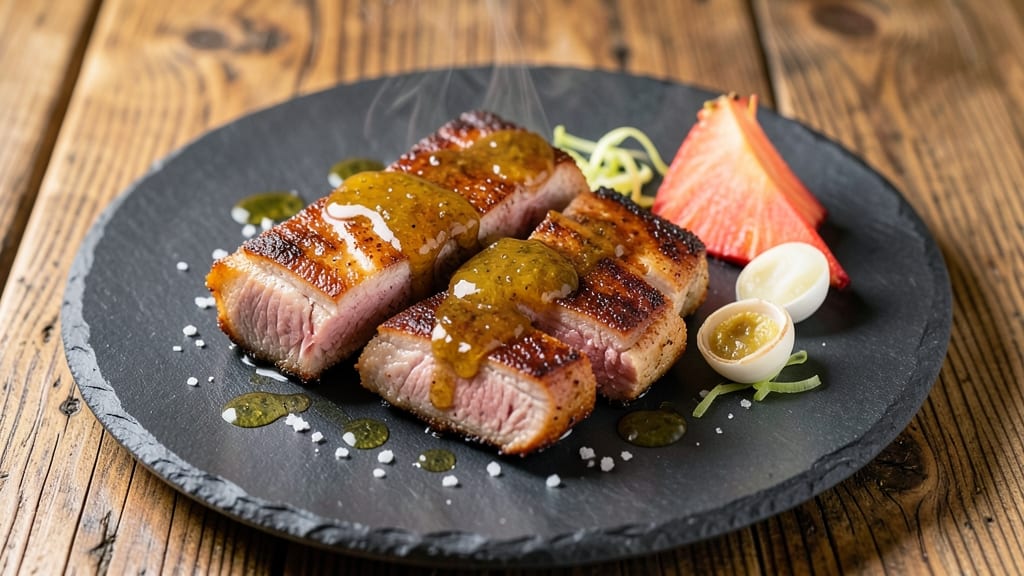
This pineapple pork chops sauce recipe transforms ordinary grilled pork into a restaurant-worthy masterpiece with just five simple ingredients. The caramelized glaze balances sweet and tangy flavors perfectly, cutting through the richness of perfectly seared pork.
I developed this sauce after years of perfecting pork dishes at my restaurant, where it became a customer favorite within weeks.
The secret lies in the reduction technique—simmering pineapple juice, honey, and soy sauce until thick and glossy creates that signature stick-to-your-ribs texture. Fresh ginger and garlic add depth without overpowering the natural sweetness of the pineapple.
Unlike store-bought sauces, this version delivers a complex flavor profile that pairs beautifully with both grilled and pan-seared pork.
What you'll end up with is a glossy, caramelized drizzle that clings to every bite of tender pork, offering a perfect balance of sweet, tangy, and umami notes.
The sauce's versatility makes it ideal for weeknight dinners or special occasions—simply brush it on pork chops during the last two minutes of cooking for maximum flavor absorption. This isn't just a sauce; it's the finishing touch that elevates simple pork into something extraordinary.
Perfect for grilled pork chops, roasted pork tenderloin, or even as a marinade when reduced further. The sauce keeps well in the refrigerator for up to five days, making it a go-to for quick weeknight meals. Let's create this tangy-sweet masterpiece that will have everyone asking for seconds.
Ingredients for pineapple sauce recipe for pork chops
Five ingredients transform simple pork into restaurant-worthy masterpiece sauce—sweet, tangy, and irresistibly glossy.
| Ingredient | Amount | Notes |
|---|---|---|
| Fresh Pineapple Juice 🍍 | 1 cup | Freshly squeezed for brightness |
| Raw Honey 🍯 | ½ cup | Wildflower preferred for depth |
| Light Soy Sauce 🥢 | ¼ cup | Kikkoman or similar brand |
| Fresh Ginger 🌿 | 2 tbsp | Finely grated, aromatic |
| Garlic Cloves 🧄 | 3 cloves | Minced, aromatic base |
| Extra-Virgin Olive Oil 🫒 | 1 tbsp | For glossy finish |
| Red Wine Vinegar 🍷 | 1 tbsp | Balances sweetness |
| Diamond Crystal Kosher Salt 🧂 | ½ tsp | Fine grain preferred |
| Ground Black Pepper 🌶️ | ¼ tsp | Freshly cracked |
The pineapple juice is non-negotiable—freshly squeezed delivers that bright, tropical punch that store-bought can't match. I always grab Dole brand pineapple juice when I'm in a hurry, but fresh is worth the extra minute. The honey? Raw wildflower has subtle floral notes that elevate the sauce—regular grocery store honey works too, but you'll taste the difference. Ginger and garlic are your flavor anchors here, so buy fresh ginger root and mince it yourself rather than using powdered substitutes. The olive oil isn't just for cooking; it's what gives that signature glossy finish—California avocado oil works beautifully if you want something neutral.
No fresh pineapple juice? Canned crushed pineapple (drained) works in a pinch, but you'll need to reduce it longer to concentrate the flavor. Swap light soy sauce for tamari for gluten-free, though the color will be slightly different. Running short on honey? Maple syrup is a 1:1 substitute, though it has a distinct earthy note. The vinegar can be swapped for rice vinegar, but red wine vinegar gives that classic tang. For extra depth, add a pinch of smoked paprika—it's my restaurant secret. And if you're feeling adventurous, a dash of sriracha at the end adds subtle heat without overpowering the sweetness.
This sauce is best made fresh but keeps beautifully in the fridge for up to 5 days. For longer storage, portion into ice cube trays and freeze—perfect for quick glaze touches later. The sauce thickens as it cools, so you can thin it with a splash of water if needed. I always make extra because it disappears fast—pork tenderloin, grilled shrimp, even roasted chicken all benefit from this glossy drizzle. Just remember: the longer you reduce, the more concentrated (and delicious) the flavor becomes—don't rush it.
Why You'll Love This Recipe
- Five-Ingredient Magic: I swear, this sauce comes together faster than I can say "dinner’s ready." Just blend pineapple juice, honey, and a splash of soy sauce—no peeling, dicing, or fancy techniques. The ginger and garlic get minced in seconds, and boom: you’ve got a sauce that tastes like it simmered for hours.
- Sweet-Savory Balance: That first bite? Pure harmony. The honey and pineapple give it a bright sweetness, but the soy sauce and ginger cut through it like a whisper—just enough to make your pork chops taste like they’ve been slow-cooked in a tropical glaze. It’s the kind of flavor that makes you reach for a second chop without thinking.
- Weeknight or Dinner Party: Honestly, this sauce works everywhere. Slather it on grilled pork chops for a weeknight win, drizzle it over rice for a quick lunch, or use it as a marinade for chicken thighs when you’re feeling fancy. My daughter even slathers it on toast—no judgment here.
- Leftovers That Don’t Suck: Between us, most sauces turn sad after day two. Not this one. The acidity from the pineapple keeps it fresh, and the honey prevents it from turning bitter. I’ve reheated this sauce for five days and it still tastes like it was made yesterday—perfect for batch cooking or meal prep Sundays.
Step-by-step instructions for pineapple pork chops sauce
Here's how to craft a perfectly balanced, caramelized sauce that transforms simple pork chops into a restaurant-worthy dish.
Bloom the Aromatics in Olive Oil
In a medium saucepan, combine the 1 tablespoon extra-virgin olive oil over medium-low heat. Add the 2 tablespoons finely grated fresh ginger and 3 minced garlic cloves, stirring constantly for 1-2 minutes until the ginger becomes fragrant and the garlic just begins to turn golden.
This step is where the foundation of flavor develops. The ginger should smell bright and zesty, while the garlic should be aromatic but not browned. If you smell burning, reduce the heat immediately—burnt aromatics will make the sauce bitter. Keep the mixture moving with a wooden spoon to ensure even cooking.
Deglaze with Vinegar and Soy Sauce
Pour in the 1 tablespoon red wine vinegar and 0.25 cup light soy sauce, scraping up any browned bits from the bottom of the pan with a wooden spoon. Increase heat to medium and let the mixture simmer for 3-4 minutes until it begins to reduce slightly and the raw vinegar smell dissipates.
The vinegar acts as a natural tenderizer for the pork while adding a bright acidity that cuts through the sweetness. You'll see the sauce thicken just slightly as it reduces, and the color will deepen to a rich amber. This is your signal that the flavors are melding together. Don't rush this step—proper reduction is what creates that complex, caramelized depth in the final sauce.
Incorporate Pineapple Juice and Honey
Add the 1 cup fresh pineapple juice and 0.5 cup raw honey, stirring well to combine. Bring the mixture to a gentle simmer over medium heat, then reduce heat to low and let it cook uncovered for 8-10 minutes. You're looking for the sauce to reduce by about one-third, until it coats the back of a spoon and becomes syrupy.
Here's where the magic happens—the pineapple juice adds tropical brightness while the honey creates that signature caramelized sweetness. Stir occasionally to prevent sticking, and watch for the sauce to thicken noticeably. You'll know it's ready when it reaches a consistency similar to light maple syrup. If it reduces too quickly, add 1-2 tablespoons water to maintain the proper balance.
Season and Finish the Sauce
Remove the sauce from heat and stir in the 0.5 teaspoon diamond crystal kosher salt and 0.25 teaspoon ground black pepper. Taste and make any final adjustments—you might need a touch more salt to balance the sweetness, or perhaps a splash more vinegar for acidity. Let the sauce sit off the heat for 5 minutes to allow all the flavors to fully meld together.
This resting period is crucial for developing the sauce's depth. The flavors will continue to integrate even after cooking, resulting in a more harmonious taste. The sauce should now have a beautiful glossy sheen from the olive oil and honey, with a perfect balance of sweet, tangy, and umami notes. If you're serving immediately, you can gently reheat it over low heat just before drizzling over your pork chops.
Pro Tips For Making Pineapple Sauce Recipe For Pork Chops
- Simmer Slow and Low: This sauce needs time to marry flavors—don’t rush it. After adding garlic and ginger, reduce heat to a gentle simmer (barely bubbling) and let it cook uncovered for 8-10 minutes. I used to crank the heat and end up with a bitter, alcohol-heavy sauce. Trust me, patience pays off here.
- Strain the Ginger: Fresh ginger adds depth, but those fibers turn the sauce gritty if left in. Grate it fine, then strain the mixture through a fine-mesh sieve after simmering. Sounds tedious, but it makes the sauce silky—no one wants to bite into a chunk while eating.
- Balance the Honey: Raw honey is liquid gold, but too much will cloy the sauce. Start with 1 tablespoon per ½ cup pineapple juice, then taste as it cooks. Add more soy sauce (a teaspoon at a time) if it’s too sweet. I learned this the hard way—my first batch tasted like dessert, not sauce.
- Toast the Garlic: Crush the garlic cloves first, then sauté them in a dry pan for 30 seconds until fragrant (but not brown). This removes raw bitterness and deepens the flavor. Skip this, and the sauce will taste sharp and underwhelming—trust the process.
Make-ahead tips for pineapple sauce recipe for pork chops
Sauce Prep Ahead
Make this sauce 24 hours in advance—it actually tastes better after resting! Store it in an airtight container in the fridge, where it thickens beautifully. The flavors meld even deeper overnight, creating a more complex balance of sweet and tangy notes.
I always prep a double batch because it disappears fast—perfect for meal prep Sundays. 💫
Pork Chop Prep
Season your pork chops with 1 teaspoon kosher salt and ½ teaspoon black pepper the night before, then refrigerate uncovered on a wire rack. This dry-brining method creates a perfect crust when seared.
Store them in a ziplock bag in the fridge for up to 2 days. Trust me, the texture difference is worth the extra step.
Freezer-Friendly Tricks
For longer storage, freeze the sauce in ice cube trays—each cube makes a perfect single-serving glaze. Thaw overnight in the fridge before using. To reheat, warm in a small saucepan over low heat with 1 tablespoon water to restore its glossy texture.
I keep frozen cubes in a quart-sized freezer bag for easy access.
Make-Ahead Cooking
Cook your pork chops completely ahead of time, then reheat just before serving. Sear them in a cast iron skillet until golden, then finish in the oven at 375°F for 8-10 minutes to reach 145°F internal temperature.
Store in the fridge for up to 3 days, reheating in a skillet with a splash of water to restore moisture.
Sauce Refresh Tips
If your refrigerated sauce looks too thick after storage, thin it with 1 teaspoon water per ¼ cup sauce and warm gently. For extra shine, add ½ teaspoon olive oil before serving.
I like to reheat the sauce in the same skillet used for the pork chops—it picks up those delicious caramelized pork flavors. 🔥
Weeknight Shortcut
Prep everything the night before: sauce in the fridge, seasoned chops ready to go. On busy weeknights, simply sear the chops for 3-4 minutes per side in a hot skillet, then brush with warmed sauce during the last 2 minutes of cooking.
This method cuts prep time in half while keeping the restaurant-quality results.
Nutrition facts
Frequently asked questions
Can I use canned pineapple instead of fresh juice?
Yes, but you'll need to adjust the recipe. Drain 1 cup canned crushed pineapple (with juice) and use the juice only, reducing the sauce 5-7 extra minutes since canned juice is thinner. For thicker texture, simmer uncovered until it reaches your desired consistency. The flavor will be slightly different but still delicious!
How do I prevent the sauce from crystallizing when refrigerated?
Store the sauce in an airtight container and let it cool completely before refrigerating. If it thickens too much, thin with 1 teaspoon warm water per ¼ cup sauce before reheating. For extra insurance, stir in ½ teaspoon olive oil before storing—this helps maintain the glossy texture. The sauce will thicken naturally as it cools!
What's the best way to apply the sauce to pork chops?
Brush the sauce on during the last 2-3 minutes of cooking for maximum flavor absorption. For grilled pork, apply after searing but before the final grill marks. For pan-seared chops, add sauce right before removing from heat—this creates a beautiful caramelized crust. Avoid over-brushing, as too much sauce can make the chops soggy.
Can I make this sauce without honey?
Substitute honey with ½ cup maple syrup for a similar sweetness level, or use ¼ cup brown sugar dissolved in 2 tbsp water for a deeper caramel flavor. The sauce will have slightly different texture but maintain that perfect sweet-tangy balance. Adjust reduction time as needed—maple syrup reduces faster than honey.
How can I make this sauce spicier?
Add ½ teaspoon sriracha or ¼ teaspoon cayenne pepper to the finished sauce for subtle heat. For more pronounced spice, blend in 1 tablespoon red pepper flakes with the garlic and ginger at the start.