
Sauces & Condiments
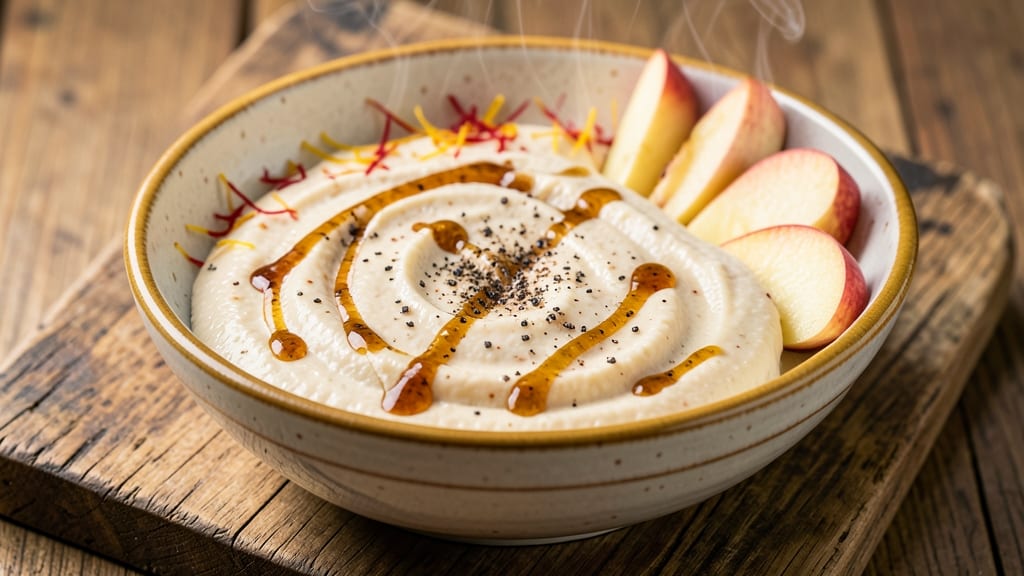
This natural apple sauce recipe transforms simple apples into a versatile, no-sugar-added spread that enhances everything from oatmeal to desserts. The process is straightforward: simmer peeled apples with cinnamon and a touch of lemon juice until tender, then blend for a smooth texture or leave slightly chunky for added appeal.
What makes this recipe stand out is its simplicity—just four core ingredients—and the ability to customize sweetness to taste using natural alternatives like honey or maple syrup.
Perfect for those seeking a healthier alternative to store-bought versions, this apple sauce maintains the fruit's natural flavors without artificial additives.
The cinnamon adds warmth, while the lemon juice brightens the sweetness, creating a balanced profile that works as a topping, filling, or even a sauce for savory dishes like pork tenderloin. The recipe yields about 3 cups of sauce, making it ideal for meal prep or gifting.
Storage is effortless: refrigerate in an airtight container for up to 10 days or freeze for up to 6 months, preserving both texture and flavor.
Whether you're spreading it on toast, using it in baking, or serving it alongside holiday meals, this apple sauce delivers a fresh, wholesome touch that elevates any dish. Ready in just 30 minutes, it’s a foolproof way to enjoy the natural sweetness of apples.
For added versatility, experiment with different apple varieties—tart Granny Smiths for brightness or sweet Honeycrisp for richness. You can also blend in a handful of fresh herbs like thyme or rosemary for a savory twist.
This recipe is your go-to for a restaurant-quality apple sauce that’s as nutritious as it is delicious.
Ingredients for natural apple sauce
Four core ingredients transform apples into a versatile, no-sugar-added sauce perfect for savory and sweet dishes.
| Ingredient | Amount | Notes |
|---|---|---|
| Organic Honeycrisp Apples 🍎 | 4 medium | Peeled and cored |
| Pure Filtered Water 💧 | ½ cup | For simmering apples |
| Ground Cinnamon 🌿 | 1 ½ tsp | Ceylon preferred for purity |
| Fresh Lemon Juice 🍋 | 1 tbsp | Brightens flavor naturally |
| Raw Organic Honey 🍯 | 2 tbsp | Optional sweetener (omit for vegan) |
| Maple Syrup 🍁 | 1 tbsp | Vegan alternative to honey |
| Fresh Rosemary 🌿 | ¼ tsp | Chopped, optional savory twist |
Apple choice matters—Honeycrisp or Granny Smith deliver the best balance of sweetness and tartness. Local farmers markets often have organic varieties at peak ripeness, or check the produce section at Whole Foods for pre-washed organic apples. If using Granny Smiths, you may need to add an extra tablespoon of sweetener to balance the tartness. For maximum freshness, store apples in the fridge until ready to use—they'll keep for up to 2 weeks. The cinnamon should be freshly ground for optimal flavor, though pre-ground works in a pinch.
No honey? Maple syrup or agave nectar are excellent vegan alternatives—both add subtle depth without overpowering. Want to skip sweetener entirely? The natural sweetness of ripe apples often carries the dish. The rosemary is entirely optional but adds an elegant herbal note that pairs beautifully with pork or roasted vegetables. For a smoother texture, blend the sauce until completely smooth; for rustic appeal, leave it slightly chunky. Trader Joe's carries organic rosemary sprigs at a reasonable price if you don't have fresh on hand.
This sauce keeps beautifully—10 days refrigerated in an airtight glass jar or 6 months frozen. For freezing, leave a small gap at the top to prevent expansion cracks. Reheat gently on the stove or microwave until warm through. The sauce thickens as it cools, so add a splash of water if needed. Portion into ice cube trays for single-serving use in baking or oatmeal. The natural pectin in apples ensures it holds its shape perfectly for spreading or drizzling.
Why You'll Love This Recipe
- Five-Ingredient Magic: I swear by this—just apples, water, cinnamon, lemon, and honey. No fancy gadgets, no stress, just peel, slice, and simmer. The Honeycrisp apples practically melt into sweet, velvety perfection all by themselves.
- Cinnamon-Honey Kiss: That first spoonful? Chef’s kiss. The cinnamon warms it up while the honey deepens the sweetness, and a squeeze of lemon keeps it bright. It’s like autumn in a jar—rich, cozy, but not cloying.
- Weeknight & Holiday Star: Slather it on toast for a lazy morning or drizzle it over roasted pork for Thanksgiving. Honestly, I’ve even used it as a natural sweetener in oatmeal or yogurt—works every single time.
- Zero-Waste Pantry Hero: The leftovers? Last me all week in lunches or as a quick dessert. And since you’re using whole apples and basic spices, it’s cheaper than store-bought and way healthier. My wallet and taste buds thank me.
Step-by-step instructions for simmering natural apple sauce
Here's the precise method to create a naturally sweetened, velvety apple spread with balanced flavors.
Prepare the Apples for Even Cooking
Begin by peeling and coring the 4 medium Organic Honeycrisp Apples using a sharp vegetable peeler and corer. I prefer to cut them into even ½-inch thick slices rather than chunks—this ensures consistent cooking and smoother texture. Remove any seeds or hard core remnants that might make the sauce gritty.
For the best results, I recommend using a mandoline slicer for uniform thickness, but a sharp chef's knife works perfectly. The goal is to maximize surface area for even caramelization while maintaining structural integrity during the simmer. Place the sliced apples in a large mixing bowl as you work to prevent browning.
Simmer Apples Until Tender
In a medium saucepan with a tight-fitting lid, combine the apple slices with the 0.5 cup Pure Filtered Water. Bring to a gentle boil over medium-high heat, then immediately reduce to medium-low heat. Cover the pan and simmer for 15-20 minutes, stirring occasionally, until the apples are fork-tender but not mushy.
You'll know they're ready when the knife slides in easily but still offers slight resistance. The apples should release their juices freely while maintaining some shape. If you notice the water evaporating too quickly, add 1-2 tablespoons of water to maintain moisture—this prevents burning and ensures even cooking throughout.
Season and Sweeten the Sauce
Once the apples are tender, remove the pan from heat and stir in the 1.5 tsp Ground Cinnamon, 1 tbsp Fresh Lemon Juice, 2 tbsp Raw Organic Honey, and 1 tbsp Maple Syrup. The lemon juice brightens the natural sweetness while balancing the richness of the honey and maple. I find Ceylon cinnamon adds a more delicate, slightly sweeter flavor than cassia.
For the optional rosemary twist, add the 0.25 tsp Fresh Rosemary (finely chopped) now. The herb pairs beautifully with the warm apple flavors, adding an aromatic depth. If using, let the mixture steep for 5 minutes off heat to allow the rosemary's essential oils to infuse before proceeding.
Process Until Smooth
Transfer the apple mixture to a food processor or high-powered blender. Pulse initially to break down the larger pieces, then process continuously for 1-2 minutes until completely smooth. For a slightly textured version, pulse just until combined—this works well for serving over yogurt or oatmeal. The sauce should be velvety with no visible chunks.
Taste and adjust sweetness if needed. I typically find the natural sweetness of Honeycrisp apples balances perfectly with the 3 tablespoons of sweetener, but you can add more honey or maple syrup if desired. The lemon juice should be noticeable but not overpowering—it's what prevents the sauce from tasting flat.
Finish and Store Properly
Return the processed sauce to the saucepan and simmer gently for 5-7 minutes to kill any bacteria and develop deeper flavors. This final step also helps thicken the sauce slightly as moisture evaporates. For a glossy finish, stir in 1 teaspoon of cold water to loosen the texture if needed.
Let the sauce cool completely before transferring to airtight containers. It will thicken further as it cools—this is normal. Store in the refrigerator for up to 1 week or freeze for 3 months. For best texture, reheat gently in a saucepan over low heat, stirring frequently to prevent scorching.
Pro Tips For Making Natural Apple Sauce
- PEEL AND CORE LIKE A PRO: Honeycrisp apples are thick-skinned but still bruise easily—don’t waste time peeling them. Instead, scrub the skins clean with a damp cloth, then slice them with the skin on for better texture. (Yes, even organic apples need a quick wipe-down—dirt hides in those dimples.)
- SIMMER LOW AND SLOW: After the initial boil, drop the heat to a gentle simmer—think tiny bubbles, not rolling. I learned this the hard way: rushing it turns the sauce into glue. Cover the pot and let it cook uncovered for 20-25 minutes, stirring occasionally, until the apples break down completely.
- LEMON JUICE FIRST: Add the fresh lemon juice before the honey—it brightens the flavor and prevents the sauce from tasting overly sweet. Skip the bottled stuff; the acidity in fresh lemon juice actually helps the apples soften faster. (And yes, 1 tablespoon is enough—no need to drown it.)
- CINNAMON LAST, STIRRED GENTLY: Sprinkle the cinnamon in at the very end, then whisk it in just until combined. Adding it early burns the flavor, and over-stirring makes it clump. A light dusting on top after serving? That’s the move. (Trust me, your taste buds will notice.)
Perfect pairings for this dish
Breakfast Pairings
This apple sauce elevates classic morning dishes beautifully. Spread it warm over steamed oatmeal with a sprinkle of chopped walnuts and a pinch of flaky sea salt for a cozy, naturally sweetened bowl.
I love adding it to Greek yogurt with granola and blueberries—the tartness balances the creamy yogurt perfectly. 🥣 For a savory twist, drizzle it over scrambled eggs with crispy bacon and sautéed spinach for unexpected depth.
Baking Applications
Use this sauce as a filling for apple turnovers or pumpkin muffins—it adds moisture without needing extra sugar.
I substitute it for sugar in spiced cake recipes (like carrot cake) by replacing ½ cup of sugar with ½ cup of sauce, then adding 1 extra tbsp of cinnamon.
It also works as a glaze for baked apples or scones, brushed on just before baking for a glossy finish.
Savory Dishes
Don’t limit this sauce to sweet dishes—it pairs surprisingly well with roasted pork tenderloin or braised sausages. I drizzle it over grilled chicken with caramelized onions and fresh rosemary for a sweet-savory contrast.
For vegetarian options, spread it on toasted sourdough with sharp cheddar and crispy prosciutto (a nod to Italian panini style). The cinnamon and rosemary notes bridge the gap between sweet and savory beautifully. 🍗
Dessert Enhancements
Whip this sauce into whipped cream or mascarpone cheese for a lighter alternative to whipped topping. I also use it as a base for panna cotta or cheesecake fillings, blending it with vanilla bean paste and cream cheese for a fruity twist.
For a no-bake dessert, layer it with graham crackers and vanilla pudding in a trifle—it adds a refreshing apple flavor without overpowering.
Drink Pairings
Serve this apple sauce alongside hot spiced apple cider or mulled wine for a cozy autumn pairing. I also blend it into smoothies with bananas, Greek yogurt, and almond milk for a creamy, naturally sweet drink.
For coffee lovers, drizzle it over vanilla ice cream with a sprinkle of cinnamon—it’s like apple pie in a bowl. The rosemary-infused version pairs especially well with black tea or espresso for a sophisticated touch. ☕
Nutrition facts
Frequently asked questions
Can I make this apple sauce without a food processor?
If you don't have a food processor, simply mash the cooked apples with a potato masher or fork until smooth. For a chunkier texture, leave some small pieces—this works perfectly for serving with pork or over pancakes. The sauce will be slightly thicker but still delicious!
What's the best way to store leftover apple sauce?
Transfer cooled apple sauce to an airtight glass jar and refrigerate for up to 10 days. For longer storage, freeze in ice cube trays or small containers for 6 months. Thaw overnight in the fridge—never microwave directly from frozen to preserve texture. The sauce thickens as it cools, so add a splash of water if needed when reheating.
Can I substitute other fruits for apples in this recipe?
While apples work best for their natural pectin (which thickens the sauce), you can experiment with peaches or plums for a similar texture. Just reduce simmering time by 5-10 minutes since stone fruits cook faster. The flavor will differ, but the method remains the same. For a savory twist, try cooked tomatoes with basil instead of apples!
Why did my apple sauce turn out too thick?
This usually happens if too much moisture evaporated during simmering. To fix it, stir in 1-2 tablespoons of water or apple juice while reheating. For prevention, add ¼ cup extra water during initial simmering. The sauce will thicken further as it cools—this is normal! If it's still too thick after reheating, blend in 1 teaspoon of cornstarch mixed with cold water.
Is this apple sauce safe for babies?
Yes, this recipe is baby-friendly once cooled completely. For infants starting solids (6+ months), serve small amounts of smooth, unsweetened apple sauce (skip honey until after 12 months). The cinnamon and lemon juice are safe in moderate amounts. Always introduce new foods one at a time and watch for reactions. For storage, freeze portions in 1-ounce servings for easy thawing.