
Sauces & Condiments
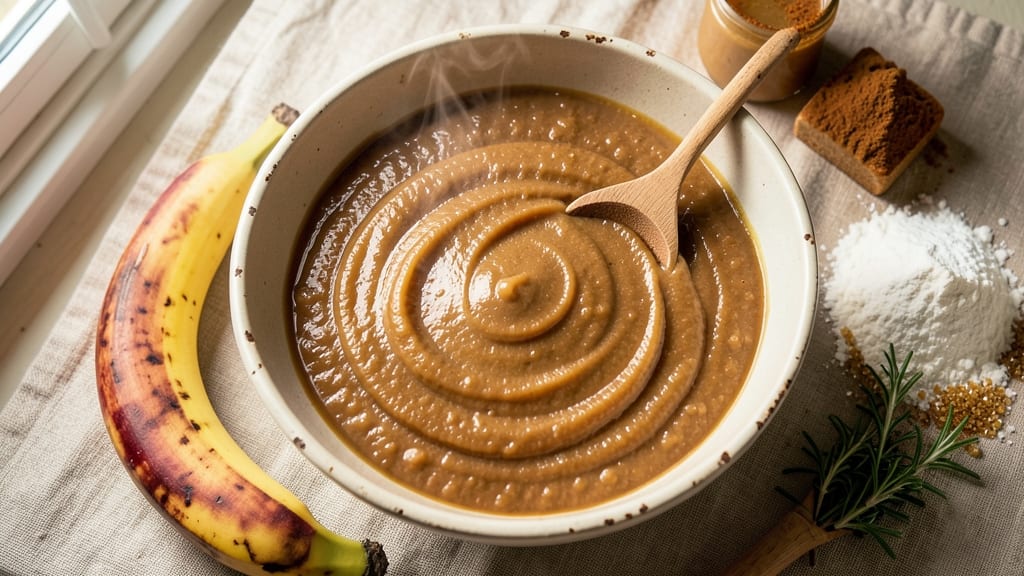
This banana bread recipe using applesauce delivers moist, dense loaves without needing extra eggs—perfect for those watching cholesterol or looking for a naturally tender texture. The applesauce replaces both eggs and oil, creating a lighter crumb while keeping every slice rich and flavorful.
I developed this version after struggling to find a recipe that matched the classic banana bread experience without compromising health benefits.
The secret lies in the applesauce, which adds natural sweetness while binding the ingredients together. Unlike traditional recipes, this version skips the oil entirely, making it lighter yet still incredibly moist—the applesauce keeps the bread tender without making it gummy.
The baking process is straightforward: mix, pour, and bake at 350°F for 50-60 minutes, resulting in a loaf that's perfect for breakfast or dessert.
What makes this recipe stand out is how it balances texture and flavor—no dry edges or dense centers here. The applesauce creates a subtle apple note that complements the bananas beautifully, while the spices (cinnamon and nutmeg) add warmth without overpowering.
This is the kind of banana bread that disappears quickly, whether you're serving it with tea or enjoying a slice straight from the oven.
For extra richness, consider adding a swirl of peanut butter or a sprinkle of chopped walnuts before baking. The recipe scales easily, so you can make a single loaf or double the batch for gifts. Let's get started!
Ingredients for banana bread recipe using apple sauce
Applesauce replaces eggs and oil, delivering moist, dense loaves without compromising classic banana bread texture.
| Ingredient | Amount | Notes |
|---|---|---|
| Ripe Bananas 🍌 | 3 cups | Mashed, overripe preferred |
| Unsweetened Applesauce 🍎 | 1 cup | Unsweetened, smooth texture |
| All-Purpose Flour 🌾 | 2 ½ cups | Sifted for light texture |
| Granulated Sugar 🍚 | 1 cup | Light brown preferred |
| Packed Brown Sugar 🍚 | ½ cup | For caramel depth |
| Ground Cinnamon 🌿 | 2 tsp | Ceylon preferred |
| Ground Nutmeg 🌿 | ½ tsp | Freshly grated preferred |
| Baking Soda 🧂 | 1 tsp | Aluminum-free preferred |
| Salt 🧂 | ½ tsp | Diamond Crystal preferred |
| Vanilla Extract 🌸 | 1 tbsp | Pure Madagascar preferred |
| Plain Greek Yogurt 🥛 | ½ cup | Full-fat for richness |
| Extra-Virgin Olive Oil 🫒 | ¼ cup | For moisture balance |
The applesauce is the star here—unsweetened and smooth is non-negotiable. Muir Glen or Motts work well, but avoid chunky varieties. Ripe bananas should be spotted with brown—those are the sweetest. For the flour, King Arthur is ideal, but any all-purpose works. The Greek yogurt adds protein and tenderness; full-fat Fage gives the best texture. Measure your spices carefully—too much nutmeg can taste bitter, but you want that warm, earthy note. The olive oil might seem counterintuitive, but it balances the applesauce's moisture while keeping the crumb tender.
No applesauce? Pumpkin puree at 1:1 ratio works, though flavor will shift. Substitute yogurt with sour cream or mashed avocado for richness. Running low on brown sugar? White sugar plus 1 tsp molasses mimics the caramel depth. For nutmeg, mace works in a pinch though it's milder. The baking soda must be fresh—old baking soda loses potency, leading to dense bread. If you're watching sugar, reduce the granulated sugar by 2 tbsp and add 2 tbsp mashed banana instead. The vanilla extract should be pure—imitation extracts lack depth of flavor.
This loaf keeps beautifully for 3-4 days at room temperature wrapped in foil, or 1 week in the fridge. For longer storage, freeze individual slices wrapped in plastic. Reheat in the oven at 300°F for 5-10 minutes to restore freshness. The bread freezes exceptionally well—up to 3 months without texture loss. I always bake two loaves: one for the week and one to freeze. The flavor actually improves after a day or two as the spices meld.
Why You'll Love This Recipe
- No-Fuss Mixing: I swear by this—just mash bananas, stir in applesauce, and fold dry ingredients. No eggs, no butter, no fuss. The applesauce keeps it moist without extra effort.
- Moist Magic: That applesauce swap? It’s the secret. No dry crumb here—every slice stays tender, like a hug for your taste buds. Honestly, it’s the kind of bread that disappears in hours.
- Breakfast to Snack: Serve it warm with peanut butter for breakfast, slice it cold for lunch, or pack it for after-school snacks. My kids beg for it at all hours—no guilt, just good food.
- Budget-Friendly Staples: Ripe bananas and applesauce? Pantry gold. No weird ingredients, no pricey shortcuts. This bread costs next to nothing but tastes like a treat every time.
Step-by-step instructions for banana bread using applesauce
This method delivers a rich, moist crumb without eggs—applesauce and olive oil create perfect texture.
Mash Bananas and Combine Wet Ingredients
In a large mixing bowl, mash the 3 cups ripe bananas until completely smooth with no visible lumps. The bananas should be nearly liquid at this stage—the riper they are, the easier this becomes. Stir in the 1 cup unsweetened applesauce, 0.5 cup plain Greek yogurt, and 0.25 cup extra-virgin olive oil until fully incorporated. This wet mixture forms the bread's moisture base and replaces eggs entirely.
In a separate small bowl, whisk together the 1 cup granulated sugar, 0.5 cup packed brown sugar, 1 tbsp vanilla extract, and 0.5 tsp salt. The sugar mixture should be completely dissolved before adding it to the banana mixture. This ensures even distribution of sweetness and prevents grainy pockets in the final loaf. The olive oil here helps create a tender crumb while the applesauce adds subtle depth without altering the banana flavor.
Mix Dry Ingredients and Combine
In a medium bowl, sift together the 2.5 cups all-purpose flour, 2 tsp ground cinnamon, 0.5 tsp ground nutmeg, and 1 tsp baking soda. Sifting prevents lumps and ensures even distribution of leavening agents. The cinnamon and nutmeg should be thoroughly mixed—you'll notice their warm aroma intensify as you combine them.
With the mixer on low speed, gradually add the dry ingredients to the wet mixture. Mix just until combined—about 30 seconds—being careful not to overmix. Overmixing develops gluten, which makes the bread dense rather than tender. The batter should be thick but pourable, similar to cake batter. If it appears too thick, add 1-2 tablespoons of water to achieve proper consistency for even baking.
Prepare and Bake the Loaf
Preheat your oven to 350°F and grease a 9x5-inch loaf pan thoroughly with butter or nonstick spray. The pan should be well-coated to prevent sticking—this bread is moist and dense, so proper greasing is critical. Line the bottom with parchment paper for easy removal after baking. Pour the batter into the prepared pan and smooth the top with a spatula.
Bake for 50-60 minutes until a toothpick inserted in the center comes out clean and the top springs back when pressed gently. The bread should have a golden-brown crust but remain moist underneath. If the top browns too quickly, tent loosely with aluminum foil after 30 minutes to prevent over-browning while maintaining even cooking. The internal temperature should reach 205-210°F for perfect doneness.
Cool and Serve for Maximum Moisture
Remove the loaf from the oven and let it cool in the pan for 10 minutes before transferring to a wire rack. This brief cooling period prevents the bread from collapsing as it sets. Allow the bread to cool completely for at least 1 hour before slicing—this ensures clean cuts and prevents the moist interior from sticking to your knife.
The resulting loaf should have a dense, fudgy texture with a rich banana flavor enhanced by the applesauce. The olive oil contributes to the moistness while the Greek yogurt adds subtle tanginess. Slice thickly for the best texture experience—each bite should be tender with just the right amount of chewiness. Store leftovers wrapped tightly at room temperature for up to 3 days or refrigerate for up to 5 days. For longer storage, freeze slices individually for up to 3 months.
Pro Tips For Making Banana Bread Recipe Using Apple Sauce
- Mash Bananas Thoroughly: I learned this the hard way—lumpy banana puree means uneven texture. Use a fork to press every speck of brown through a fine-mesh sieve or push it through with the back of a spoon. No chunks means no dry pockets in your loaf.
- Measure Applesauce Cold: Warm applesauce expands when mixed with wet ingredients, throwing off your batter’s balance. Scoop it straight from the fridge and let it sit in the measuring cup for 5 minutes—this guarantees the right consistency without over-moistening.
- Bake Until Internal Temp: Banana bread with applesauce is deceptively dense. Don’t rely on the toothpick test—use an instant-read thermometer for 205°F (96°C) at the center. Underbaked loaves taste gummy; overbaked ones dry out fast.
- Swap Brown Sugar for Honey: If you’re short on brown sugar, replace half the amount with honey (same volume). It keeps the bread moist longer and cuts the graininess that can happen when applesauce competes with too much sugar. Works especially well with overripe bananas.
Regional styles of these flavors
Southern Comfort Style
In the American South, banana bread often gets a rich, buttery twist. For this regional adaptation, replace the 0.25 cup olive oil with 0.5 cup melted butter and add ½ cup chopped pecans to the batter. The butter enhances the bread's classic Southern sweetness, while pecans add a satisfying crunch.
Bake at 325°F instead of 350°F for 60-70 minutes to develop deeper caramelization. Serve warm with a drizzle of honey butter for the ultimate Southern breakfast. 🍯
Scandinavian Spiced Twist
Nordic bakers often incorporate warm spices like cardamom and allspice into banana bread. For this version, reduce the nutmeg to ¼ tsp and add ½ tsp ground cardamom and ¼ tsp ground allspice. The cardamom adds a floral note that pairs beautifully with the applesauce.
Use 1 tsp baking powder instead of baking soda for a lighter crumb. Bake in a 9x5-inch loaf pan at 350°F for 50 minutes, then brush the warm loaf with 2 tbsp apricot jam while still in the pan. This Nordic-inspired technique adds natural sweetness without extra sugar. ❄️
German Apfelbananenbrot
Germany's answer to banana bread, Apfelbananenbrot, combines applesauce and grated apple for extra moisture and texture. For this adaptation, add ½ cup finely grated tart apple (like Granny Smith) to the batter along with the applesauce.
Fold in ¼ cup chopped walnuts and reduce the cinnamon to 1.5 tsp. Bake at 350°F for 55-60 minutes in a greased 9x5-inch pan. The grated apple creates pockets of tenderness, while the walnuts add a satisfying crunch.
Serve with a dusting of powdered sugar for a European café-style finish. 🍏
Caribbean Rum Banana Bread
In Caribbean kitchens, banana bread often gets a boozy upgrade. Replace the vanilla extract with 1 tbsp dark rum (like Appleton Estate) and add ½ tsp ground ginger to the spice mix. The rum infuses the bread with warm, caramelized notes as it bakes.
For extra richness, fold in ¼ cup shredded coconut before baking. Bake at 350°F for 50-55 minutes in a 9x5-inch pan. The rum flavor intensifies as the bread cools, making it perfect for pairing with spiced coffee or a rum cocktail. 🌴
Japanese Matcha Banana Bread
For a uniquely Japanese twist, replace 1 tsp of the flour with 1 tsp high-quality matcha powder (like Ippodo Tea) and reduce the cinnamon to 1.5 tsp. The matcha adds a subtle earthy note that complements the applesauce beautifully.
For extra texture, fold in ¼ cup white sesame seeds before baking. Bake at 325°F for 55-60 minutes in a 9x5-inch pan to prevent over-browning. The result is a fragrant, moist loaf with a delicate green hue that pairs wonderfully with green tea. 🍵
Nutrition facts
Frequently asked questions
Why does this recipe use applesauce instead of eggs?
The applesauce serves as a natural egg substitute that adds moisture and tenderness while keeping the bread dense and flavorful. It also reduces fat content compared to traditional recipes, making this version lighter yet equally rich. The applesauce's natural sweetness balances the bananas beautifully while maintaining a classic texture.
Can I make this banana bread without olive oil?
Yes! If you prefer to omit olive oil, replace the 0.25 cup with 0.25 cup plain yogurt or 0.25 cup melted coconut oil for similar moisture. The Greek yogurt already in the recipe provides enough richness, so extra fat isn't necessary. Just ensure your applesauce is unsweetened to maintain balance.
How do I know when the bread is fully baked?
Your bread is done when a toothpick inserted in the center comes out clean (or with a few moist crumbs) and the internal temperature reaches 205-210°F. The top should also spring back slightly when pressed gently. For even baking, tent with foil after 30 minutes if the crust browns too quickly.
Will this recipe work with regular applesauce from a can?
Yes, but use only unsweetened applesauce with no added sugar or spices. Brands like Mott's or Muir Glen work perfectly. Avoid chunky varieties—they can create uneven texture. If your applesauce is sweetened, reduce the granulated sugar by 1-2 tablespoons to balance flavors.
Can I add nuts or chocolate chips to this recipe?
Fold in ½ cup chopped walnuts, pecans, or chocolate chips after mixing the wet and dry ingredients. For best results, use mini chocolate chips (they distribute better) and reduce the flour by 1-2 tablespoons to maintain proper texture. Add nuts/chips in the last 10 seconds of mixing to keep them whole.