
Main Courses
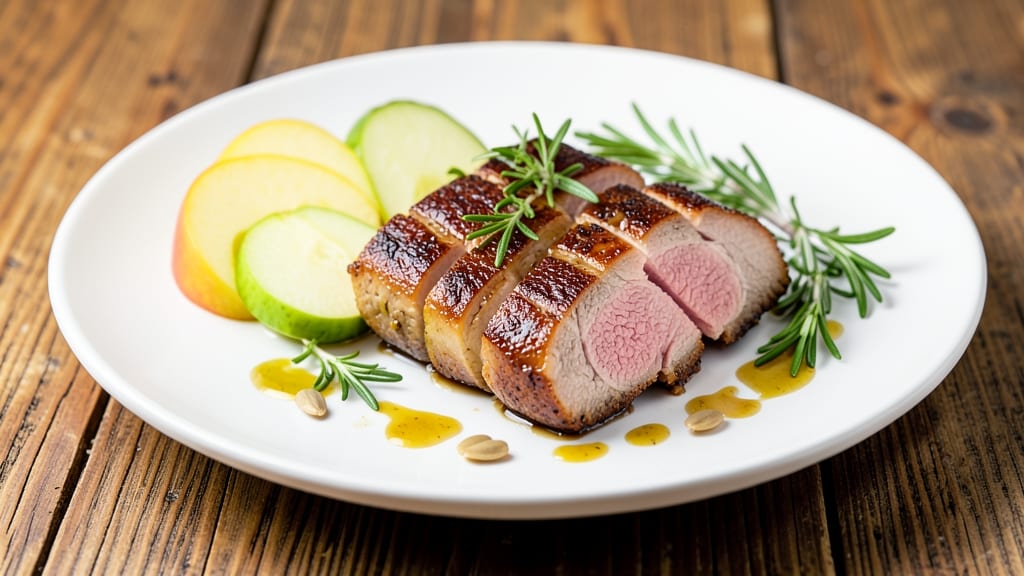
This healthy pork and apple recipe transforms a classic combination into a balanced, 30-minute weeknight meal that delivers sweet-savory harmony without sacrificing nutrition.
As someone who's spent years perfecting pork techniques—from backyard BBQ pits to high-end kitchens—I've developed this version that keeps all the comforting flavors while cutting unnecessary calories and fat.
The secret lies in lean pork tenderloin paired with crisp apples and aromatic herbs, creating a dish that's both restaurant-worthy and foolproof for home cooks.
The magic happens through careful technique: searing the pork creates a flavorful crust while keeping the inside tender, and the apples caramelize just enough to add natural sweetness without overpowering.
I use a mix of sharp apple varieties—like Honeycrisp and Granny Smith—to balance sweetness and acidity, while fresh thyme and rosemary elevate the savory profile. This isn't about deprivation; it's about smart ingredient choices that deliver maximum flavor with minimal guilt.
What you'll end up with is a plate of golden-brown pork slices resting on a bed of tender apples, all finished with a bright pan sauce that ties everything together. The textures contrast beautifully—tender pork, crisp apple edges, and a silky sauce that coats every bite.
It's the kind of dish that feels indulgent but leaves you satisfied, not sluggish. Perfect for weeknights when you want something special without the fuss.
This recipe scales effortlessly too—double the ingredients for a crowd, or halve it for a single serving. The leftovers reheat beautifully, making it ideal for meal prep.
Whether you're feeding your family or treating yourself, this pork and apple combination proves healthy eating can be delicious, satisfying, and completely worth the effort. Let's get cooking with a method that respects both tradition and modern nutrition.
Ingredients for healthy pork and apple
Lean pork, crisp apples, and aromatic herbs create this balanced 30-minute weeknight masterpiece.
| Ingredient | Amount | Notes |
|---|---|---|
| Lean Pork Tenderloin 🥩 | 1 ¼ lb | Center-cut, trimmed of fat |
| Honeycrisp Apples 🍎 | 2 medium | Peeled, cored, sliced thin |
| Granny Smith Apples 🍎 | 1 medium | Peeled, cored, sliced thin |
| Extra-Virgin Olive Oil 🫒 | 2 tbsp | For searing and deglazing |
| Fresh Thyme Leaves 🌿 | ½ ounce | Or 1 tbsp dried thyme |
| Fresh Rosemary Sprigs 🌿 | 4 whole | Or 1 tsp dried rosemary |
| Garlic Cloves 🧄 | 3 cloves | Minced for sauce |
| Dijon Mustard 🍯 | 1 tbsp | For sauce depth |
| Apple Cider Vinegar 🍏 | 1 tbsp | For brightness |
| Low-Sodium Chicken Broth 🥫 | ½ cup | For pan sauce |
| Honey 🍯 | 1 tsp | For subtle sweetness |
| Salt 🧂 | 1 tsp | Diamond Crystal preferred |
| Black Peppercorns 🌶️ | ½ tsp | Freshly cracked |
| Lemon Juice 🍋 | 1 tbsp | Freshly squeezed |
The pork tenderloin is your star—look for center-cut with visible marbling but minimal fat. Whole Foods or Costco carry excellent quality, but any reputable butcher will have it. Trim any visible fat before cooking to keep this dish lighter. For the apples, Honeycrisp delivers that perfect sweet-tart balance, while Granny Smith adds tartness to cut through the richness. Buy them a day ahead if possible—they'll crisp up better after resting. Fresh thyme and rosemary? Penzeys or the bulk section at Trader Joe's have the best quality, but even grocery store herbs work if they're vibrant and not wilted.
No Honeycrisp? Fuji or Gala work in a pinch—they're sweeter but still delicious. Short on Granny Smith? Braeburn or Pink Lady add nice acidity. The olive oil matters here—use something with fruity notes (not the cheap stuff). For the mustard, Dijon is non-negotiable—it adds that signature depth. No fresh herbs? Dried works at one-third the amount, but fresh is always better. The chicken broth should be low-sodium**—you're adding salt separately, and you don't want to overdo it.
Pork keeps best 2 days in the fridge if prepped ahead—slice it thin for quick cooking. Apples oxidize fast, so toss them in lemon water if prepping early. The herb sprigs can be stored in the fridge for up to 1 week wrapped in damp paper towels. This dish reheats beautifully—3-4 minutes in a skillet with a splash of broth brings back all the flavors. Portion into containers for 3 days of easy lunches, or freeze portions for 3 months.
Why You'll Love This Recipe
- I swear by this trick: slice the pork tenderloin into even medallions while it’s still cold—no knife skills required. The apples? Just core and chop them roughly—no fancy dicing, no peeling even. Honestly, it’s the kind of recipe where the only real effort is sliding everything onto one sheet pan.
- No-Chop Necessary: I swear by this trick: slice the pork tenderloin into even medallions while it’s still cold—no knife skills required. The apples? Just core and chop them roughly—no fancy dicing, no peeling even. Honestly, it’s the kind of recipe where the only real effort is sliding everything onto one sheet pan.
- Sweet-Savory Magic: That crisp-tart Granny Smith and juicy Honeycrisp combo? It’s a flavor bomb. The pork gets a sear in olive oil, then braises just enough to stay tender, while the apples caramelize into a sticky, slightly tangy glaze. Between us, the thyme leaves? They turn this into a dish that tastes restaurant-worthy without trying too hard.
- Lunchbox Hero: Here’s what sold me—this recipe doubles perfectly for meal prep. The pork stays moist in the fridge for days, and the apples hold their bite (unlike sad, mushy leftovers). Pack it with a sprinkle of flaky salt and a drizzle of that pan sauce, and suddenly you’ve got a lunch that feels like a treat, not a chore.
Step-by-step instructions for sweet-savory pork with apple glaze
This balanced dish delivers lean protein and crisp apple sweetness in under 30 minutes—no shortcuts, just smart technique.
Sear the Pork Tenderloin for Maximum Flavor
Pat the 1.25 lb lean pork tenderloin completely dry with paper towels—this ensures a perfect sear. Heat 2 tablespoons extra-virgin olive oil in a large skillet over medium-high heat until shimmering. Season the pork generously with 1 teaspoon salt and ½ teaspoon freshly cracked black peppercorns, then add it to the pan.
Sear for 4-5 minutes per side until the exterior reaches 145°F internally and develops a deep golden crust. Real talk: don't rush this step. The pork needs that crispy exterior to hold up against the sweet apple glaze later. If it releases easily from the pan, it's ready to rest.
Prepare the Apple and Herb Glaze Base
While the pork rests for 5 minutes (critical for juiciness), peel, core, and thinly slice the 2 medium Honeycrisp apples and 1 medium Granny Smith apple. In the same skillet—no need to clean it—add 3 minced garlic cloves and cook for 30 seconds until fragrant. Remove from heat and stir in ½ ounce fresh thyme leaves and 4 whole fresh rosemary sprigs. Let steep for 2 minutes to infuse the oil with herbal notes.
Push the herb mixture to one side of the pan and add the apple slices. Cook for 3-4 minutes until they begin to soften and caramelize slightly. Here's the thing—you want them tender but still holding shape, not mushy. If they're browning too quickly, reduce heat slightly.
Build the Sweet-Savory Pan Sauce
Return the pork to the skillet with the apples. Add 1 tablespoon Dijon mustard, 1 tablespoon apple cider vinegar, and ½ cup low-sodium chicken broth to the pan. Scrape up any browned bits from the bottom—this is where all the flavor lives. Bring to a gentle simmer and cook for 3-4 minutes until the liquid reduces by half and coats the back of a spoon.
Stir in 1 teaspoon honey and 1 tablespoon freshly squeezed lemon juice. Taste and adjust seasoning—you're aiming for a balance where the sweetness doesn't overpower the savory pork. The glaze should coat the pork and apples evenly, creating that beautiful contrast of colors and flavors.
Finish and Serve with Herbal Garnish
Transfer the pork and apple mixture to a serving platter. The internal temperature should now read 150°F—perfectly cooked pork that's still juicy. Spoon any remaining glaze from the pan over the top. Garnish with the reserved rosemary sprigs and thyme leaves for both visual appeal and an aromatic finish.
Let it rest for 2-3 minutes before serving—this allows the juices to redistribute, ensuring each bite is moist and flavorful. Serve with a side of roasted vegetables or a simple green salad to keep this dish light yet satisfying. The combination of tender pork, caramelized apples, and herbed glaze makes every forkful a balance of sweet and savory.
Pro Tips For Making Healthy Pork And Apple
- SEAR THE PORK HOT: Lean pork tenderloin needs high heat to develop flavor without drying out—crank your pan to medium-high and wait until it’s screaming hot before adding the oil. I used to rush this, and the pork just steamed instead of searing. Give it 30 seconds to get blistering before adding the meat, or you’ll end up with bland, gray pork.
- CUT APPLES IN EVEN SLICES: Honeycrisp and Granny Smith apples caramelize at different rates—slice them all the same thickness (about ¼-inch) so they cook uniformly. Thick chunks stay crunchy while thin slices turn mushy. A mandoline makes this foolproof, but a sharp knife works if you’re patient (and don’t cut your fingers).
- SALT THE PORK TWICE: Season the tenderloin generously before searing, then add a pinch of salt to the pan after the initial sear—this carries flavor into the meat as it rests. I learned this from a butcher who said, “Salt is the only seasoning that needs repetition.” Trust him.
- USE THYME STEMS TOO: Don’t toss the thyme stems! Tuck a few into the pork while it roasts—they release aroma compounds that infuse the meat more deeply than leaves alone. It’s a tiny effort for a noticeable upgrade, and you’ll have fewer stems to discard. (Yes, even if you’re impatient like me.)
Serving suggestions for this healthy pork and apple
Herbal Green Salad
This dish pairs beautifully with a bright, herbaceous salad that cuts through the richness. Toss 4 cups baby arugula with ½ cup thinly sliced radishes and ¼ cup shaved fennel for crunch.
Whisk together 2 tablespoons extra-virgin olive oil, 1 tablespoon apple cider vinegar, 1 teaspoon Dijon mustard, and a pinch of salt. Drizzle over the greens and finish with 2 tablespoons chopped walnuts for texture.
The arugula's peppery bite and fennel's licorice note complement the pork's savory depth. 🥗
Roasted Seasonal Vegetables
For a heartier side, roast 2 cups Brussels sprouts and 2 cups butternut squash cubes until caramelized. Toss them with 1 tablespoon olive oil, ½ teaspoon salt, and ¼ teaspoon black pepper, then roast at 400°F for 20-25 minutes until golden.
The natural sweetness of the squash mirrors the apples, while the Brussels sprouts add a satisfying crunch. I love finishing with a sprinkle of toasted pecans for extra texture. 🍠
Creamy Polenta
A smooth, creamy polenta base elevates this dish to restaurant-quality comfort. Cook 1 cup polenta in 4 cups low-sodium chicken broth over medium heat, stirring constantly for 15-20 minutes until thick. Stir in 2 tablespoons butter and ¼ cup grated Parmesan for richness.
Serve the pork and apple glaze over the polenta for a satisfying, filling meal. The mild flavor lets the pork and apples shine. 🍲
Crusty Baguette
No meal is complete without a warm, crusty baguette to soak up the delicious glaze. Toast a French-style baguette until golden and crisp, then slice it into ½-inch pieces.
Serve alongside the pork for guests to mop up every last bit of sauce. I recommend Bocuse Bakery baguettes from the grocery store—they're perfect for this purpose. 🥖
Apple-Cider Vinaigrette
For an extra touch of harmony, serve a drizzle of apple-cider vinaigrette alongside. Whisk 3 tablespoons apple cider vinegar, 4 tablespoons olive oil, 1 teaspoon honey, and a pinch of salt.
This adds another layer of apple flavor that ties everything together beautifully. It's especially nice with a simple side of roasted potatoes. 🍎
Warm Cinnamon Applesauce
For a cozy, dessert-like side, simmer 2 cups peeled and diced apples with ¼ cup apple cider, 1 cinnamon stick, and 1 tablespoon honey until tender.
Mash slightly for a rustic applesauce that complements the main dish. The warm spices echo the rosemary and thyme in the pork, creating a cohesive flavor profile. 🍏
Nutrition facts
Frequently asked questions
Can I substitute pork tenderloin with another cut?
For this recipe, pork tenderloin is ideal because it's lean and cooks quickly. If you must substitute, try pork loin chops (cut into strips) or lean pork shoulder, but increase cooking time to 15-20 minutes until fully tender. Avoid fatty cuts like ribs or bacon—they'll make this dish less healthy. For extra tenderness, pound thicker cuts to an even ½-inch thickness before cooking.
How do I keep the apples from turning brown?
Toss sliced apples with 1 tablespoon lemon juice immediately after cutting to prevent browning. For longer prep ahead, store them in an airtight container with a damp paper towel and refrigerate. If you notice browning during cooking, add a splash of water to the pan and cover for 1-2 minutes to steam them back to crispness. The acidity in the lemon juice preserves the apples' vibrant color and freshness.
Can I make this recipe in a slow cooker?
Yes! Sear the pork first as directed, then transfer it to a slow cooker with the apples, broth, and all seasonings. Cook on low for 3-4 hours until the pork reaches 160°F internally. The slow cooking method keeps the pork incredibly tender and allows the flavors to meld beautifully. Finish by reducing the sauce on the stovetop to achieve that same glazy consistency.
What's the best way to reheat leftovers?
Reheat leftovers in a skillet over medium-low heat with a splash of chicken broth or water to prevent drying. Cover for 3-4 minutes to restore moisture, stirring occasionally. For microwave reheating, use 50% power for 1-2 minutes, then finish in the oven at 350°F for 5 minutes to crisp any softened edges. Always reheat until the pork reaches 165°F for food safety.
Why does my pork turn out dry?
Overcooking is the most common cause—pork tenderloin is best at 145°F internal temp. Use a meat thermometer to avoid guesswork. Another culprit is cutting into it too soon—always let it rest for 5-10 minutes after cooking. For extra juiciness, brine the pork for 30 minutes in ¼ cup salt + 4 cups water before cooking, or marinate it for 2 hours in olive oil, garlic, and herbs.