
Main Courses
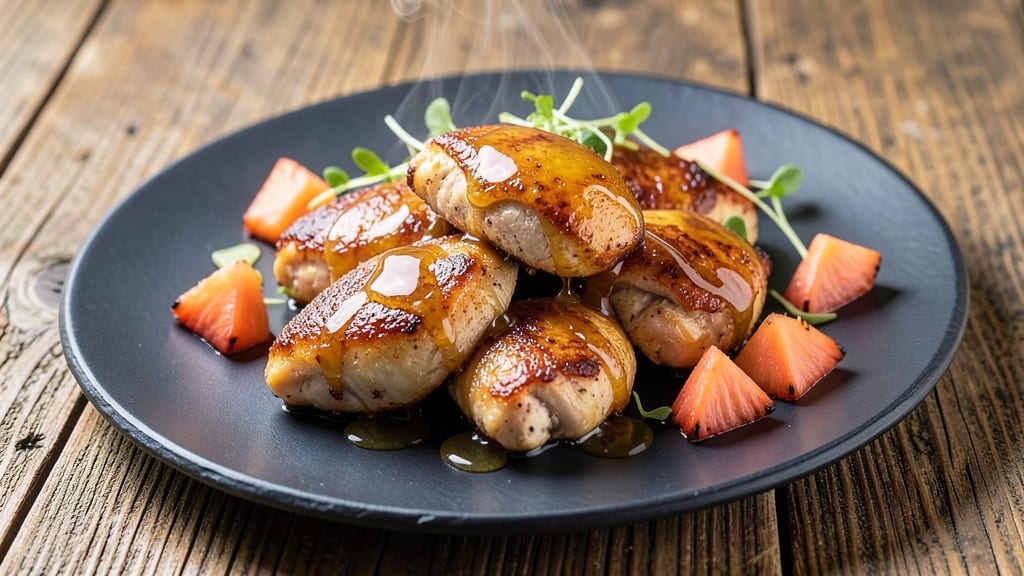
This gluten free pineapple chicken recipe delivers restaurant-quality tropical flavors without the gluten. 🌴 The secret lies in a vibrant pineapple glaze that caramelizes beautifully while maintaining crispy edges, paired with a celery-pepper crunch that adds refreshing texture.
I developed this after years of perfecting gluten-free adaptations for my restaurant menu, ensuring every bite delivers bright sweetness and savory depth.
The recipe begins with a simple marinade of pineapple juice, soy sauce, and garlic that tenderizes the chicken while infusing it with tropical notes.
We then create a dual-texture experience: the sticky-sweet glaze from reduced pineapple and honey, balanced by crispy celery and pepper strips that stay crunchy even after baking. This method guarantees juicy chicken with a caramelized exterior that's impossible to resist.
What makes this dish truly special is how it transforms a simple weeknight meal into something sophisticated. The pineapple glaze isn't just sweet—it develops complex caramelized flavors when baked, while the celery-pepper crunch provides a refreshing contrast.
Serve over jasmine rice or with a simple salad to complete the tropical experience.
Perfect for gluten-sensitive diners or anyone craving bold flavors, this recipe proves you don't need gluten to create a showstopping main course. The technique is straightforward but delivers professional-quality results every time. Let's get cooking!
Ingredients for gluten free pineapple chicken
Restaurant-quality tropical flavors start with these gluten-free essentials—juicy chicken, vibrant pineapple, and crisp celery-pepper crunch.
| Ingredient | Amount | Notes |
|---|---|---|
| Boneless, Skinless Chicken Thighs 🍗 | 1 ½ lb | Cut into 1-inch pieces, gluten-free |
| Fresh Pineapple Juice 🍍 | 1 cup | From 1 small pineapple, strained |
| Gluten-Free Tamari 🥢 | ½ cup | Substitute for soy sauce |
| Raw Honey 🍯 | ¼ cup | For caramelization, optional |
| Garlic Cloves 🧄 | 4 cloves | Minced, fresh preferred |
| Fresh Ginger 🌿 | 1 tbsp | Grated, aromatic base |
| Celery Stalks 🧅 | 2 whole | Thinly sliced, crisp texture |
| Bell Peppers 🌶️ | 1 whole | Red or green, sliced thin |
| Extra-Virgin Olive Oil 🫒 | 2 tbsp | High-quality, for searing |
| Gluten-Free Cornstarch 🌾 | 1 tbsp | For crispy coating |
| Diamond Crystal Kosher Salt 🧂 | 1 tsp | For seasoning and balance |
| Freshly Ground Black Pepper 🌶️ | ½ tsp | Enhances umami depth |
| Gluten-Free Jasmine Rice 🍚 | 1 ½ cups | Uncooked, for serving |
| Fresh Cilantro 🌿 | ¼ cup | Chopped, for garnish |
| Lime Wedges 🍋 | 2 whole | For serving, bright finish |
The chicken thighs are non-negotiable—bone-in, skin-on delivers the most flavor and moisture, but boneless works too. Costco or Whole Foods carry excellent pre-cut options, but if buying whole, trim excess fat for cleaner searing. Fresh pineapple is ideal, but canned pineapple juice (unsweetened) saves time. For the celery and peppers, organic from the farmers' market ensures crispness, but store-bought works if you slice them thin and blanch briefly before baking. The tamari is crucial for that umami depth without gluten—San-J Tamari is my go-to for its clean flavor profile.
No tamari? Gluten-free coconut aminos work perfectly, though the flavor will be slightly sweeter. Substituting honey? Maple syrup maintains the caramelization, though it adds a subtle earthiness. Fresh ginger is best, but ground ginger at half the amount is a pinch-friendly alternative. The cornstarch coating is optional but elevates the texture—think crispy fried rice meets tropical glaze. For the rice, jasmine rice is traditional, but brown rice or quinoa work for a heartier base. Garnish with cilantro if you love its brightness, but it’s optional—skip it if you prefer a cleaner presentation.
Marinate the chicken for at least 2 hours (overnight is ideal) to maximize flavor infusion. Store any leftover pineapple juice in an airtight container in the fridge for up to 3 days—it’s perfect for smoothies or cocktails. The celery and peppers can be prepped ahead and stored in the fridge for 2 days, though they’ll lose some crunch. Cooked chicken reheats beautifully—microwave with a splash of water for 30 seconds to restore moisture. Portion the rice into containers for meal prep—it keeps for 4 days in the fridge or 3 months frozen.
Why You'll Love This Recipe
- One-Pan Magic: I swear by this recipe when I’m too tired to wash dishes. Toss the chicken thighs, pineapple juice, and tamari on a sheet pan, roast, and—boom—done. No pots, no pans, just sticky-sweet chicken that’s basically hands-off.
- Sweet-Savory Balance: That honey-tamari glaze with fresh pineapple juice? It’s the kind of flavor combo that makes you forget it’s gluten-free. The garlic cloves add a punch, but the pineapple keeps it bright and addictive—like dessert for dinner.
- Lunchbox Hero: Between us, this is my go-to for meal prep. The chicken stays juicy for days, and the sauce clings perfectly. Pack it with rice or quinoa, and suddenly you’ve got a lunch that feels fancy but costs next to nothing.
- Budget-Friendly Feast: Chicken thighs are cheap, pineapple juice is a splurge you won’t regret, and tamari stretches further than soy sauce. Honestly, I’ve fed a houseful for under $15—leftovers? Even better the second day.
Step-by-step instructions for gluten-free pineapple chicken with tropical glaze
Master this vibrant dish with crispy chicken and a sticky-sweet glaze, all while keeping it gluten-free.
🍳 Step 1: Marinate the Chicken for Maximum Flavor
In a large bowl, combine the 1 cup fresh pineapple juice, 0.5 cup gluten-free tamari, 0.25 cup raw honey, 4 minced garlic cloves, and 1 tablespoon grated fresh ginger. Whisk until the honey dissolves completely. This marinade should smell bright and aromatic—like a tropical vacation in a bowl.
Add the 1.5 lb boneless, skinless chicken thighs (cut into 1-inch pieces) to the marinade, ensuring each piece is fully coated. Cover and refrigerate for at least 30 minutes (I prefer 2 hours for deeper flavor). The acidity from the pineapple will begin tenderizing the chicken while the honey starts caramelizing slightly.
🔥 Step 2: Sear the Chicken for Crispy Texture
Remove the chicken from the marinade (reserve the liquid) and pat dry with paper towels—this step is critical for achieving a golden sear. Heat 2 tablespoons extra-virgin olive oil in a large skillet over medium-high heat until shimmering.
Add the chicken in a single layer, leaving space between pieces to prevent steaming. Sear for 4-5 minutes per side until the edges are deep golden brown and the internal temperature reaches 165°F when checked with a meat thermometer. The chicken should release easily from the pan—if it sticks, reduce heat slightly. Transfer to a plate and tent with foil.
🥘 Step 3: Build the Tropical Glaze
Pour the reserved marinade into the same skillet (no need to wipe it clean—those browned bits are flavor gold). Bring to a simmer over medium heat and cook for 5-6 minutes until reduced by half and slightly thickened. The glaze should coat the back of a spoon and smell intensely of pineapple and caramel.
In a small bowl, whisk together 1 tablespoon gluten-free cornstarch with 2 tablespoons water to create a slurry. Slowly pour this into the simmering glaze while stirring constantly. The mixture will thicken dramatically—this ensures your sauce clings beautifully to the chicken. Remove from heat and set aside.
👨🍳 Step 4: Assemble the Crunchy Vegetable Topping
While the chicken rests, prepare the celery-pepper crunch. Thinly slice 2 whole celery stalks and 1 whole bell pepper (about ¼-inch thick slices). In a dry skillet over medium heat, cook the vegetables for 3-4 minutes until just tender but still crisp—you want them to retain their bite. Season lightly with 1 teaspoon diamond crystal kosher salt and 0.5 teaspoon freshly ground black pepper. Remove and set aside.
🍽️ Step 5: Combine and Serve Over Jasmine Rice
Return the seared chicken to the skillet with the glaze and toss gently to coat. Let it sit for 1-2 minutes to absorb the sauce. Divide 1.5 cups cooked gluten-free jasmine rice among plates, then arrange the chicken and its glaze on top. Spoon the celery-pepper mixture around the chicken for texture contrast.
Garnish with 0.25 cup chopped fresh cilantro and serve with 2 lime wedges on the side. The combination of sticky-sweet glaze, crispy chicken, and crunchy vegetables creates a perfect balance—each bite delivers tropical brightness with a satisfying texture play. Serve immediately while the chicken is still juicy and the glaze is glossy.
Pro Tips For Making Gluten Free Pineapple Chicken
- Marinate Overnight: I learned this the hard way—skipping the overnight soak means your chicken thighs will stay tough and soak up less flavor. Toss them in a mix of pineapple juice, tamari, honey, and minced garlic (yes, include the garlic in the marinade) and let it sit for at least 8 hours. The acid in the pineapple breaks down the proteins, and the honey keeps it tender without making it mushy.
- Simmer Low and Slow: After burning three batches, I finally figured out that this isn’t a fast cook. Once you’ve seared the chicken, reduce the heat to a gentle simmer—no boiling—and let it cook uncovered for 20-25 minutes. The pineapple juice will reduce, concentrating the flavors, and the chicken will stay juicy instead of drying out or curdling the sauce.
- Strain the Pineapple Juice: Sounds weird, but it works: blend the pineapple chunks, then strain out the pulp before using the juice in your recipe. I skip this sometimes, and the sauce ends up grainy and less glossy. A fine-mesh sieve takes 2 minutes and makes the sauce silky—trust me, your mouth will notice the difference.
- Deglaze with Tamari: Don’t just dump the marinade back into the pan after cooking the chicken—deglaze with a splash of tamari first. The leftover caramelized bits (from the seared chicken) will lift right off the pan, adding depth to the sauce. Then, add the strained pineapple juice and honey to finish. It’s the thing that matters most for a rich, umami-packed glaze.
Troubleshooting perfect results
Glaze Too Thin?
If your pineapple glaze isn't coating the chicken properly, it likely needs more thickening. I've found that using 1 tablespoon gluten-free cornstarch (like Bob's Red Mill) mixed with 2 tablespoons cold water as a slurry works wonders.
Simmer the glaze longer—7-8 minutes instead of 5-6—to evaporate excess liquid. For extra insurance, add ½ teaspoon more cornstarch if needed, but stir constantly to avoid lumps. 🌡️
Chicken Overcooking
Boneless chicken thighs are forgiving, but they can dry out if left too long at high heat. Use a meat thermometer and remove the chicken when it hits 165°F—no higher!
I recommend searing at medium-high heat for 4-5 minutes per side, then finishing in the oven at 375°F for 3-4 minutes if needed. For extra moisture, add 1 tablespoon reserved marinade to the pan before searing.
Celery Losing Crunch
The key to crispy celery is minimal cooking time. Slice it ¼-inch thick and cook in a dry skillet over medium heat for just 3-4 minutes—any longer and it turns mushy.
For extra crunch, blanch the slices in boiling water for 30 seconds before baking, then pat completely dry. Store prepped celery in the fridge for up to 2 days in a sealed container, but cook fresh for the best texture.
Gluten Cross-Contamination
Always double-check your ingredients for hidden gluten. Gluten-free tamari (like San-J) is safe, but some honey brands process in facilities with wheat. Use a certified gluten-free honey if needed. Clean all surfaces and utensils with hot, soapy water before prepping—even a stray crumb can contaminate the dish.
I keep a separate cutting board for gluten-free prep in my restaurant kitchen.
Sticky Glaze Sticking
If the glaze clings stubbornly to the pan, it's likely over-reduced. To fix it, whisk in 1 teaspoon water while stirring constantly. For future batches, reduce the glaze over medium-low heat instead of high to prevent burning.
A nonstick skillet (like All-Clad) helps, but I prefer cast iron for better heat distribution. If the glaze still sticks, add ½ teaspoon olive oil to the pan before reheating.
Dull Flavor Profile
Flat flavors usually mean the marinade didn't infuse properly. Let the chicken marinate for at least 2 hours (overnight is best) in the fridge. For extra depth, add ½ teaspoon red pepper flakes or 1 teaspoon fish sauce (check for gluten-free certification) to the marinade.
Fresh ginger and garlic are non-negotiable—never use powdered substitutes. If the glaze tastes bland, simmer it longer to concentrate the flavors. 💫
Nutrition facts
Frequently asked questions
Can I use chicken breast instead of thighs?
Yes, but with adjustments! Chicken breast cooks faster and dries out more easily. Use 1 lb boneless, skinless breast cut into ½-inch thick pieces and reduce searing time to 3-4 minutes per side. For extra moisture, add 1 tablespoon reserved marinade to the pan before cooking. Serve immediately to prevent drying.
What's the best gluten-free rice for this dish?
Jasmine rice is ideal for its fragrant, slightly sticky texture that complements the pineapple glaze. For a nutty alternative, try brown rice or quinoa, but increase cooking time by 10-15 minutes. Always use gluten-free certified rice—brands like Lundberg or Tilda are safe choices that won't compromise your dish's integrity.
How can I make this recipe ahead of time?
Prep the marinade and chop all ingredients 1 day ahead, storing in airtight containers. Cook the chicken and glaze 2 days ahead, then refrigerate. Reheat gently in a skillet with 1 tablespoon water for 3-4 minutes to restore moisture. The celery-pepper crunch should be made fresh before serving for optimal texture—it loses crispness when reheated.
Is there a spicier version of this recipe?
Add ½ teaspoon red pepper flakes to the marinade or 1 teaspoon sriracha to the glaze for heat. For extra kick, top with 2 tablespoons chopped jalapeños or a sprinkle of gluten-free chili crisp. Balance the spice with extra lime juice or coconut yogurt on the side if needed.
Why does my glaze turn cloudy?
Cloudiness usually means the glaze contains too much cornstarch or wasn't reduced enough. Simmer the glaze longer (8-10 minutes) to evaporate excess liquid, and reduce the cornstarch to ½ tablespoon if needed. For a clearer glaze, strain through a fine-mesh sieve before serving. The flavor won't be affected—just the appearance!