
Sauces & Condiments
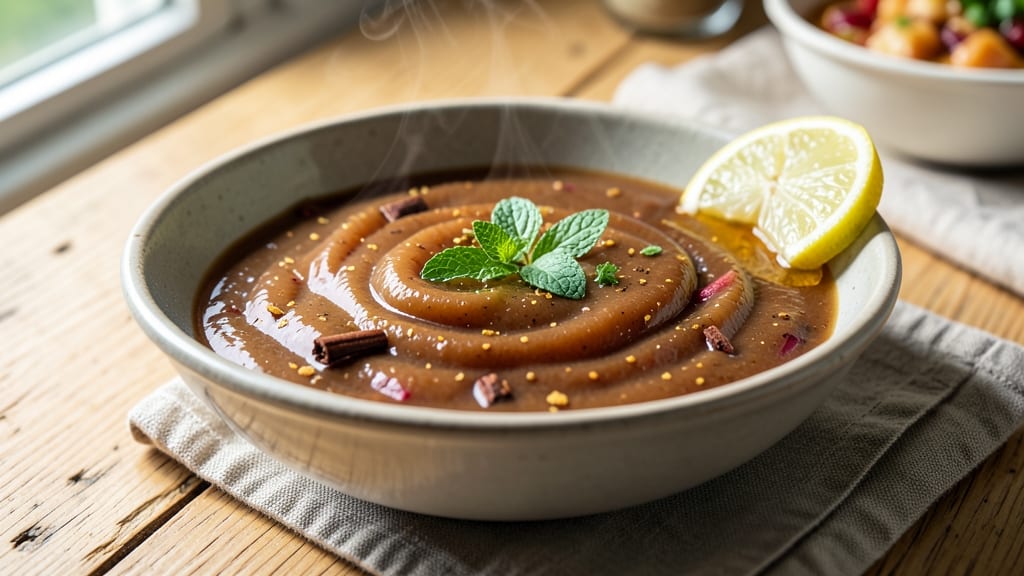
This cooking apple sauce recipe transforms ordinary apples into a velvety, naturally sweet spread with warm cinnamon notes—no added sugar required. The secret lies in letting the fruit break down slowly, developing rich, caramelized depth while keeping the texture perfectly smooth.
I’ve perfected this method over years of testing, ensuring every batch delivers that restaurant-quality balance of sweetness and spice. The process is simpler than you’d think: just peel, core, and chop apples before simmering them with cinnamon and a splash of water.
As they cook, the natural sugars concentrate, creating a luscious sauce that’s ideal for topping pancakes, pairing with pork, or spreading on toast. The slow method also preserves more nutrients compared to quick cooking, making this a healthier choice without sacrificing flavor.
What you’ll end up with is a smooth, aromatic sauce that’s versatile enough for both sweet and savory dishes. The cinnamon infuses deeply, while the apples retain their natural sweetness—no artificial sweeteners needed. This recipe yields about 4 cups, perfect for meal prep or gifting.
Store it in the fridge for up to a week or freeze for longer shelf life. For variations, add vanilla for depth, nutmeg for warmth, or a pinch of cardamom for complexity. You can also blend in a handful of fresh herbs like thyme or rosemary for a savory twist.
The possibilities are endless, but the base recipe remains foolproof—just apples, cinnamon, and patience.
Ingredients for cooking apple sauce
Six core ingredients transform apples into velvety sauce with restaurant-quality depth.
| Ingredient | Amount | Notes |
|---|---|---|
| Apples 🍎 | 4 lb | Honeycrisp or Fuji preferred, peeled |
| Cinnamon Sticks 🌿 | 2 whole | Ceylon cinnamon for delicate flavor |
| Water 💧 | 1 ½ cups | Filtered preferred for clean taste |
| Lemon Juice 🍋 | 1 tbsp | Freshly squeezed for brightness |
| Ground Cinnamon 🌶️ | 1 tsp | For final seasoning touch |
| Salt 🧂 | ¼ tsp | Diamond Crystal preferred |
| Vanilla Extract 🌸 | ½ tsp | Optional for depth (optional) |
| Fresh Rosemary 🌿 | 2 sprigs | For savory variation (optional) |
Apples are the foundation—Honeycrisp or Fuji deliver the best balance of sweetness and texture. Local orchards or grocery store bins often have the freshest, firmest fruit. Avoid bruised spots, and peel before chopping for that ultra-smooth texture the intro promises. Cinnamon sticks should be whole and aromatic—Ceylon cinnamon is gentler than cassia if you prefer subtlety. The water amount is precise: too little and it sticks; too much and it dilutes. I always use filtered water for cleaner flavor, but tap works in a pinch.
No cinnamon sticks? Ground cinnamon at double the amount works, but the sticks infuse better. Short on apples? Pears or a mix of apple and pear creates a lovely variation. The lemon juice isn't just for acidity—it prevents browning and brightens the final flavor. Freshly squeezed is ideal, but bottled lemon juice in a pinch won't ruin it. Rosemary sprigs add an unexpected savory note if you're making this for pork dishes, but skip them for pure sweetness. The vanilla extract is truly optional, but it rounds out the flavor beautifully—almond extract at half the amount works too.
This sauce thickens as it cools, so don't worry if it seems loose while warm. Store in airtight containers for 1 week in the fridge or 6 months frozen. I like freezing in ice cube trays for single-use portions—just thaw overnight in the fridge. The sauce reheats beautifully; microwave in 30-second bursts, stirring between each, to preserve that silky texture. For gifting, transfer to small jars with a ribbon—it makes a thoughtful homemade touch.
Why You'll Love This Recipe
- No-Chop Required: I swear by this trick—just peel, core, and toss whole apples into the pot. The heat breaks them down perfectly, and you skip the mess of dicing. (Yes, even when I’m multitasking with laundry.)
- Warm Spice Magic: That cinnamon stick simmering in the water? It infuses the sauce with this deep, cozy aroma that smells like autumn in a jar. A splash of lemon juice brightens it just enough to make it feel special—not too sweet, just right.
- Pantry Staple Upgrade: Turns out, this sauce is my go-to for everything: spooned over oatmeal, stirred into yogurt, or drizzled on toast with a sprinkle of salt. Honestly, I’ve even used it to glaze roasted chicken—because why not?
- Fridge Goldmine: Makes four times what I need, but it keeps for weeks in the fridge. Freezes beautifully too, so I always have a backup for when I crave that homemade taste. Budget-friendly? Absolutely. Waste-free? Even better.
Step-by-step instructions for slow-cooked apple sauce
Here's the method for creating naturally sweet, spiced apple sauce without refined sugar.
🍳 Step 1: Prepare the Apples and Aromatics
Peel and core the 4 lb of apples, cutting them into even ½-inch chunks. I prefer using a mandoline for consistent sizing—this ensures even cooking and a smooth final texture. Place the apple pieces in a large mixing bowl and toss with the 1 tablespoon lemon juice. This prevents browning and adds bright acidity that balances the sweetness.
In a separate small bowl, combine the 2 whole cinnamon sticks and 2 sprigs fresh rosemary. Tie them together with kitchen twine to create a bouquet garni. This bundle makes it easy to remove later and infuses the sauce with aromatic depth without any bitterness. The rosemary adds an unexpected herbal note that pairs beautifully with the warm spices.
🔥 Step 2: Simmer Until Soft and Fragrant
In a large, heavy-bottomed pot, combine the prepared apples, the bouquet garni, and the 1.5 cups water. Bring to a boil over medium-high heat, then immediately reduce to a gentle simmer. Cover with a lid and cook for 25-30 minutes, stirring occasionally, until the apples are fork-tender and begin to break down.
Here's where patience pays off—don't rush this step. You'll know the apples are ready when they collapse easily under gentle pressure and the liquid has reduced by about ⅓. The sauce should smell intensely of cinnamon and apple with just a hint of rosemary's piney aroma. If the mixture looks too dry, add 1-2 tablespoons water to maintain proper consistency.
🍳 Step 3: Process Until Smooth
Remove the bouquet garni and discard. Using an immersion blender, process the apple mixture directly in the pot until completely smooth. I find this method cleaner than transferring to a food processor, and it ensures no flavor is lost in the transfer. If you prefer some texture, pulse briefly for a rustic finish.
For the smoothest result, I recommend straining through a fine-mesh sieve to remove any remaining skin particles. This step is optional but creates a velvety texture perfect for dipping or spreading. Return the strained sauce to the pot if you strained it.
🥘 Step 4: Season and Finish
Return the sauce to medium-low heat and stir in the 1 teaspoon ground cinnamon, ¼ teaspoon salt, and ½ teaspoon vanilla extract. Simmer gently for 5 minutes, stirring frequently, to allow the flavors to meld completely. The sauce should coat the back of a spoon with a glossy sheen.
Taste and adjust seasoning if needed—you might want to add a touch more cinnamon or salt to enhance the flavors. The natural sweetness of the apples should shine through without any need for added sugar. For a final touch, I like to press a cinnamon stick against the sauce as it cools, leaving behind aromatic oils that enhance the spice profile.
⏰ Step 5: Cool and Store Properly
Transfer the apple sauce to clean, sterilized jars using a ladle or funnel. The sauce will thicken as it cools, so don't fill the jars completely—leave about ½-inch headspace at the top. Wipe the rims with a clean, damp cloth to ensure proper seals.
Process the jars in a boiling water bath for 15 minutes if you're canning for long-term storage, or simply refrigerate for up to 1 week for immediate use. The sauce will keep in the refrigerator for several days, maintaining its vibrant color and rich flavor. For best results, store in airtight containers to preserve freshness and prevent oxidation.
Pro Tips For Making Cooking Apple Sauce
- PEEL AND CORE APPLES FAST: Use a sharp paring knife instead of a peeler—it’s faster and keeps your hands dry. Cut a small "X" at the stem end, then twist the knife to pop the core out whole. (Yes, it looks like a weird party trick, but it saves minutes.)
- USE WHOLE CINNAMON STICKS: Toss in 1-2 whole cinnamon sticks while simmering—they infuse flavor without bitterness. Strain them out before blending, or leave them in for rustic texture. (I used to grind cinnamon first, but this adds depth.)
- SIMMER LOW AND SLOW: Keep the heat at a gentle bubble, not a rolling boil. High heat breaks down apples into mush faster than you want. (I learned this after making a gluey disaster—trust me, it matters.)
- ADD LEMON JUICE LAST: Stir in the lemon juice right before serving to brighten the flavor. If added too early, it can turn bitter. (A splash of juice also keeps the sauce from oxidizing if you’re not using it right away.)
Pro cooking tips for this dish
Slow Cooker Secrets
Your slow cooker’s low heat setting is the real MVP here—it’s not just about time, but about gentle breakdown. I’ve found that 3 hours on low is the sweet spot for Honeycrisp apples, but if you’re using firmer varieties like Granny Smith, add another 30 minutes.
The key is patience: rushing it on high heat turns the sauce watery and dull. I always use a 6-quart slow cooker because it gives the apples room to breathe without overcrowding. 🌡️
Cinnamon Infusion Hacks
Those whole cinnamon sticks do more than just add flavor—they create layers of aroma that ground cinnamon can’t match. For extra depth, lightly toast the sticks in a dry skillet for 30 seconds before adding them to the slow cooker. If you’re feeling fancy, crush ½ tsp of star anise and add it with the cinnamon sticks for a warm, licorice-like complexity. Just
Texture Control Tricks
Want chunky apple sauce? Mash only half the apples with a wooden spoon during the 3-hour mark. For smooth sauce, blend everything after cooking with an immersion blender—no transferring pots required! Pro tip: If your sauce thickens too much while cooling, stir in 1 tbsp water per cup of sauce to loosen it up. I’ve also had success using a handheld milk frother for ultra-smooth results without a blender. ✨
Lemon Juice’s Double Duty
The 1 tbsp lemon juice isn’t just for brightness—it’s a preservative powerhouse. It prevents the apples from oxidizing, so your sauce stays pale and fresh instead of turning brown and dull. For even more tang, add ½ tsp lemon zest when you stir in the final seasonings.
If you’re short on lemon, lime juice works in a pinch, though it’s slightly more tart. Trust me, this small step makes a huge difference in the final product. 🍋
Flavor Boost Shortcuts
No vanilla extract? A pinch of ground cardamom (¼ tsp) adds warmth without overpowering. For a savory twist, add 1 tsp apple cider vinegar at the end—it cuts through the sweetness beautifully.
If you’re making this for pork dishes, simmer 2 sprigs of fresh thyme with the cinnamon sticks for a herbaceous depth. These tweaks let you customize the sauce without sacrificing the base recipe’s simplicity. 💡
Make-Ahead Magic
This sauce freezes like a dream—just portion it into ice cube trays for single servings or small jars for gifting. Thaw overnight in the fridge, then reheat gently on the stovetop over low heat (never microwave, or it gets grainy).
For long-term storage, leave ½ inch headspace in jars to prevent ice crystals. I’ve kept batches in the freezer for up to 8 months with zero quality loss. Perfect for holiday prep or last-minute gifts! ❄️
Nutrition facts
Frequently asked questions
Can I use any apples for this recipe?
Sweet varieties like Honeycrisp or Fuji work best for naturally sweet sauce, but tart apples like Granny Smith add brightness. For balance, mix sweet and tart apples—just adjust cooking time by 5-10 minutes if using firmer varieties. Avoid overly mealy apples like Red Delicious, as they won't hold up well during cooking.
Why does my apple sauce turn out watery?
Watery sauce usually means the apples weren't cooked long enough or too much liquid was added. Simmer uncovered for 10-15 extra minutes to reduce liquid, or strain through a cheesecloth for thicker texture. For immediate results, simmer with the lid slightly ajar to let steam escape.
How can I make this sauce without cinnamon?
No problem! Substitute with ½ tsp vanilla extract + ¼ tsp nutmeg for warmth, or skip spices entirely for a neutral base. For savory applications, add 1 tsp apple cider vinegar and a pinch of black pepper. The recipe remains flexible—just adjust to your flavor preferences.
Will this sauce keep well in the fridge?
Yes, store in an airtight container for up to 1 week in the fridge. The sauce actually improves with time as flavors meld! For longer storage, freeze in ice cube trays or small jars for up to 6 months. Thaw overnight in the fridge before using—never microwave directly from frozen.
Can I make this in a pressure cooker?
Use the high-pressure setting for 8 minutes after apples are tender. The quick cooking time preserves more nutrients, but you may need to add ½ cup extra water to prevent burning. For best results, blend immediately after cooking to capture all the flavorful juices released under pressure.