
Sauces & Condiments
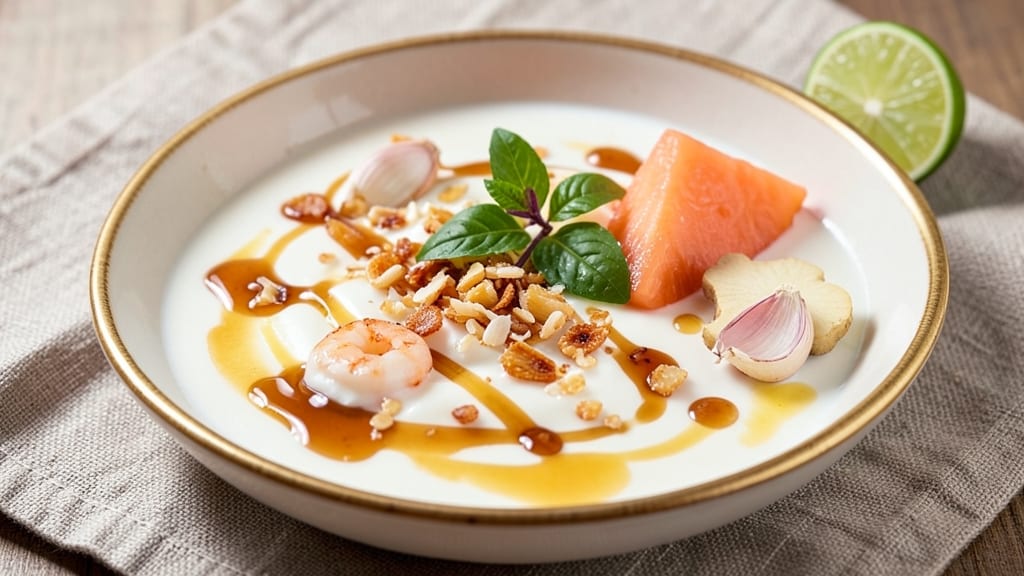
This coconut shrimp pineapple dipping sauce recipe transforms simple ingredients into a velvety, tropical masterpiece that elevates any appetizer. 🌴 The secret lies in balancing creamy coconut milk with bright pineapple and zesty lime, creating a sauce that's rich yet refreshing.
Perfect for dipping coconut shrimp, this recipe delivers restaurant-quality flavor with minimal effort—just blend, simmer, and taste as you go.
The foundation of this sauce is a smooth blend of coconut milk, pineapple juice, and lime, which forms a creamy base with natural sweetness and acidity.
A touch of honey or maple syrup enhances the tropical notes, while optional garlic, ginger, or chili adds depth for those who crave a little heat. The sauce thickens beautifully as it simmers, creating the ideal consistency for dipping without being overly heavy.
What sets this sauce apart is its versatility—it works as a dip for shrimp, a glaze for grilled fish, or even a marinade for chicken. The lime keeps it bright, the coconut adds richness, and the pineapple ensures a sweet-tart balance that complements seafood perfectly.
Ready in under 15 minutes, it’s a game-changer for weeknight entertaining or special occasions.
Store leftovers in the fridge for up to 5 days, or freeze for longer shelf life. The flavors only deepen over time, making this a sauce you’ll reach for again and again. Let’s make it!
Ingredients for coconut shrimp pineapple dipping sauce
Tropical flavors meet restaurant-quality simplicity in this velvety dipping sauce.
| Ingredient | Amount | Notes |
|---|---|---|
| Full-Fat Coconut Milk 🥥 | 1 ½ cups | Canned, unsweetened for richness |
| Fresh Pineapple Juice 🍍 | ½ cup | Or bottled, no added sugar |
| Fresh Lime Juice 🍋 | ¼ cup | Zest included for extra brightness |
| Pure Maple Syrup 🍯 | 2 tbsp | Or honey for floral notes |
| Garlic Cloves 🧄 | 2 cloves | Minced for subtle depth |
| Fresh Ginger 🌿 | 1 tbsp | Grated, for aromatic warmth |
| Red Chili Flakes 🔥 | ½ tsp | Adjust for heat preference |
| Extra-Virgin Olive Oil 🫒 | 1 tbsp | For silky texture |
| Salt 🧂 | ½ tsp | Diamond Crystal preferred |
| Fresh Cilantro 🌿 | ¼ cup | Chopped, for fresh finish |
The coconut milk is non-negotiable here—full-fat canned gives that luxurious creaminess. Thai Kitchen or Goya brands are reliable and affordable. Fresh pineapple juice is ideal, but bottled works in a pinch (just skip the sugar). For lime, Mexican Key limes add extra tang, but regular limes are fine. The garlic and ginger should be freshly grated or minced—pre-minced garlic loses flavor fast. Chili flakes can be swapped for a dash of Sriracha if you prefer smooth heat.
No maple syrup? Agave nectar or date syrup work beautifully. Fresh cilantro is a must for that bright finish, but dried cilantro at half the amount gets you close. Olive oil might seem odd, but it helps emulsify the sauce for that silky texture. If you're making this ahead, reduce the lime juice slightly—it intensifies as it sits. For extra richness, stir in 1 tbsp toasted coconut flakes at the end. The sauce thickens as it simmers, so start with slightly less coconut milk if you prefer it thinner.
This sauce keeps beautifully—5 days in the fridge in an airtight container, or 3 months frozen. For freezing, portion into ice cube trays first, then transfer to a bag. Thaw overnight in the fridge before using. The flavors actually deepen over time, so it's perfect for meal prep. Double the batch—it disappears fast at parties. Serve chilled for shrimp dipping or slightly warm as a glaze for grilled fish. Trust me, you'll want to make this again.
Why You'll Love This Recipe
- Five-Ingredient Magic: The pantry staples you already own—coconut milk, pineapple juice, lime—come together in minutes. No fancy techniques, just a quick simmer and a whisk. (Between us, I’ve made this blindfolded while talking on the phone.)
- Sweet-Savory Balance: That first bite? Rich coconut meets bright pineapple, with garlic and maple syrup cutting through like a secret handshake. It’s the kind of sauce that makes you pause mid-dip and think, “Wait, is this even healthy?”
- Party or Pantry: Slather it on shrimp skewers for a crowd, drizzle it over grilled chicken, or serve it cold with chips. Honestly, I’ve even used it as a marinade—works every time. (My daughter’s friends keep asking for the recipe after game night.)
- No Waste, All Flavor: Use up leftover pineapple rinds by juicing them fresh—no store-bought syrup needed. The sauce thickens beautifully over time, so it’s even better the next day. (I keep a jar in the fridge “just in case.”)
Step-by-step instructions for coconut shrimp pineapple dipping sauce
Here's how to create a velvety tropical sauce with perfect balance—creamy, tangy, and subtly spicy.
🍳 Step 1: Bloom the Aromatics in Olive Oil
Heat the 1 tablespoon extra-virgin olive oil in a small saucepan over medium-low heat. Add the 2 cloves minced garlic and 1 tablespoon grated fresh ginger, stirring constantly for 1-2 minutes until fragrant but not browned. This step unlocks their aromatic oils—don't walk away, or they'll burn in seconds.
The ginger should smell warm and citrusy, while the garlic releases its sweet, pungent aroma. You're building the flavor foundation here, so take your time. If the pan starts to smoke, reduce the heat immediately—we want gentle cooking, not charring.
🥘 Step 2: Combine Liquids and Simmer
Pour in the 1.5 cups full-fat coconut milk, 0.5 cup fresh pineapple juice, and 0.25 cup fresh lime juice. Stir well to combine, then sprinkle in the 0.5 teaspoon salt and 0.5 teaspoon red chili flakes. Bring the mixture to a gentle simmer over medium heat, then reduce to low heat and let it cook uncovered for 8-10 minutes.
Watch for small bubbles forming at the edges—this indicates a gentle simmer. The sauce should thicken slightly as it reduces, but don't let it boil vigorously or the coconut milk will curdle. Stir occasionally to prevent sticking, especially since the lime juice contains natural acids that can react with the heat.
🍳 Step 3: Sweeten and Finish with Maple Syrup
Remove the saucepan from heat and stir in the 2 tablespoons pure maple syrup. This sweetens the sauce while balancing the acidity from the lime and pineapple. Taste and adjust—you want a harmonious blend where the sweetness complements the tropical flavors without overpowering them.
If you prefer more heat, add a pinch more chili flakes. For extra brightness, you could add a splash more lime juice, but be cautious—too much acidity can curdle the coconut milk. Here's the thing—this sauce should taste vibrant and complex, not one-dimensional.
👨🍳 Step 4: Finish with Fresh Cilantro
Let the sauce cool slightly for 2-3 minutes, then stir in the 0.25 cup chopped fresh cilantro. The cilantro adds a fresh, herbal note that cuts through the richness of the coconut milk. Use a fine-mesh strainer if you prefer a smoother texture, but I like the slight texture contrast from the chopped herbs.
For best results, let the sauce sit at room temperature for 10-15 minutes before serving. This allows the flavors to meld completely, creating that perfect tropical harmony. The sauce should be thick enough to coat the back of a spoon but still pourable—if it's too thick, whisk in 1-2 teaspoons of warm water to reach your desired consistency.
⏰ Step 5: Chill and Serve
Transfer the sauce to a serving bowl and refrigerate for at least 1 hour before serving. Chilling enhances the flavors and creates that perfect balance between creamy and tangy. The sauce will thicken further as it cools, so you may need to whisk in a splash of water or pineapple juice when ready to serve.
This sauce pairs beautifully with grilled shrimp, tropical fruit platters, or as a dipping sauce for spring rolls. The contrast of creamy coconut with the zesty lime and subtle heat creates a truly tropical experience. Serve it well-chilled for that refreshing, restaurant-quality touch.
Pro Tips For Making Coconut Shrimp Pineapple Dipping Sauce
- SIMMER LOW AND SLOW: After burning the first batch trying to rush it, I learned this sauce needs gentle heat—just a low simmer for 10-12 minutes. High heat turns coconut milk grainy and kills the garlic’s sweetness. Use a wide pot so it doesn’t boil over, and stir occasionally to prevent sticking.
- STRAIN THE PINEAPPLE: Fresh pineapple juice is fantastic, but chunks in your sauce mean uneven texture. Run the juice through a fine-mesh strainer before adding—yes, it’s extra work, but it keeps the sauce silky smooth. If you’re lazy (like me), blend the juice first, then strain again to catch any lingering fiber.
- GARLIC TO GOLDEN: Don’t just chop the garlic—toast it first. Sauté 2-3 minuted in a dry pan until fragrant and just turning golden. This deepens the flavor without bitterness. Skip this, and your sauce will taste flat, even if all other ingredients are perfect.
- BALANCE THE SWEET: Maple syrup is your friend, but add it gradually—start with half the recipe’s amount, taste, then adjust. The lime and pineapple juice can make the sauce taste sharper than expected, and you’ll need less sweetness than you think. Trust your palate, not the recipe.
Storing and reheating your leftovers
Fridge Storage Tips
Store your coconut pineapple dipping sauce in an airtight glass container—I prefer Pyrex with a snap-on lid—and keep it refrigerated for up to 5 days.
The flavors actually deepen over time, so it's perfect for meal prep. Let it cool completely before sealing to prevent condensation, which can dilute the sauce. 🥥
Freezer Prep
For longer storage, portion the sauce into ice cube trays first, then transfer to a freezer bag. This makes it easy to thaw just what you need.
Freeze for up to 3 months, but I recommend using it within 2 months for peak freshness. Thaw overnight in the fridge to preserve texture.
Reheating Methods
For best results, reheat gently on the stovetop over low heat with a splash of pineapple juice to restore moisture. Avoid microwaving—it can break the sauce's silky texture. If you must microwave, use 30-second intervals on low power, stirring between each. The sauce should reach 165°F internally for safety. ✨
Consistency Fixes
If your sauce thickens too much after reheating, whisk in 1-2 teaspoons of warm water or pineapple juice to loosen it. For extra richness, stir in 1 teaspoon of coconut cream before serving. The key is balancing the coconut's natural thickening with acidity from lime—adjust as needed.
Serving After Storage
Let refrigerated sauce sit at room temperature for 10 minutes before serving to restore its velvety texture. If it separates slightly, whisk vigorously to re-emulsify. The sauce works beautifully as a dip for coconut shrimp, a glaze for grilled fish, or a marinade for chicken.
Keep a small bowl on hand—it disappears fast! 🍤
Nutrition facts
Frequently asked questions
Can I make this sauce without coconut milk?
You can substitute with 1 cup Greek yogurt or coconut cream for a lighter texture, but the flavor won't be as rich. For a dairy-free alternative, blend 1 cup silken tofu with 2 tbsp coconut cream—it mimics the creaminess better. The sauce will still taste tropical, but the coconut depth will be reduced.
How do I adjust the heat level?
Start with ½ teaspoon red chili flakes for mild heat, then add more to taste. For a smoother kick, replace chili flakes with 1 teaspoon Sriracha or ½ teaspoon cayenne pepper. If you prefer no heat, simply omit the chili entirely—the lime and pineapple will still provide bright acidity.
What if my sauce separates or curdles?
This usually happens if the sauce boils too vigorously or has too much acid. Fix it by whisking in 1 tablespoon warm coconut milk or pineapple juice to re-emulsify. For prevention, simmer gently and avoid adding extra lime juice. If it's already separated, blend briefly with an immersion blender for a smoother texture.
Can I use this sauce as a marinade?
This sauce works beautifully as a marinade for shrimp, chicken, or fish. Let it sit for 30-60 minutes before cooking to tenderize proteins. For extra flavor, add 1 tbsp soy sauce or fish sauce to the marinade. Just reduce the maple syrup slightly since the sugar in the sauce will caramelize during cooking.
What's the best way to serve it with coconut shrimp?
Serve the sauce chilled in a small bowl alongside the shrimp for dipping. For presentation, drizzle a thin layer over the shrimp just before serving or arrange shrimp on a platter with sauce in the center. Pair with toasted coconut flakes or lime wedges for a complete tropical experience. The contrast of creamy sauce and crispy shrimp is irresistible!