
Sauces & Condiments
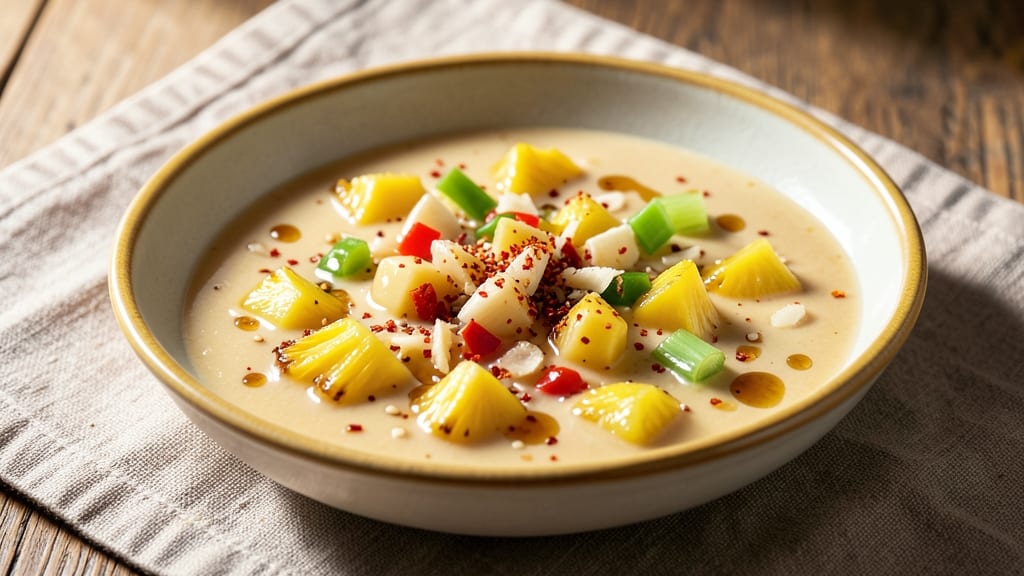
This Asian pineapple sauce recipe transforms sweet tropical fruit into a vibrant, tangy glaze that elevates everything from grilled meats to roasted vegetables. The secret lies in balancing pineapple’s natural sweetness with garlic, ginger, and chili, creating a sauce that’s both bold and versatile.
Perfect for marinades, dipping, or glazing, this recipe delivers restaurant-quality flavor in just 20 minutes—no fancy equipment required.
The magic happens when you simmer the sauce until it thickens slightly, allowing the flavors to meld into a cohesive, aromatic blend. Fresh pineapple adds brightness, while a touch of vinegar and sugar deepens the complexity.
The result? A sauce that’s sticky, slightly spicy, and irresistibly tangy, with just the right amount of heat to keep things interesting.
What makes this sauce truly special is its adaptability—use it as a marinade for chicken or pork, a dipping sauce for spring rolls, or a glaze for grilled pineapple slices. The flavors intensify as it sits, so making a double batch ensures you’ll always have a flavorful backup on hand.
Storage is a breeze: simply refrigerate for up to one week or freeze for longer shelf life.
For an extra layer of depth, add a splash of soy sauce or a pinch of fish sauce to the simmering mixture. This subtle adjustment enhances the umami profile, making the sauce even more dynamic.
Whether you’re prepping for a meal or craving a quick flavor boost, this pineapple sauce is your new go-to condiment. Let’s get cooking!
Ingredients for asian pineapple sauce
Ten ingredients transform fresh pineapple into a bold, aromatic sauce with celery-pepper zing.
| Ingredient | Amount | Notes |
|---|---|---|
| Fresh Pineapple Chunks 🍍 | 2 cups | Freshly cut, no core |
| Extra-Virgin Olive Oil 🫒 | ¼ cup | For richness and balance |
| Fresh Garlic Cloves 🧄 | 4 cloves | Minced for aromatic depth |
| Fresh Ginger Root 🌿 | 1 ½ tbsp | Grated, not powdered |
| Red Chili Flakes 🌶️ | 1 tsp | Adjust for heat preference |
| Rice Vinegar 🍶 | 2 tbsp | For tangy brightness |
| Granulated Sugar 🍚 | 2 tbsp | Balances acidity |
| Celery Stalk 🧅 | ½ cup | Finely chopped for zing |
| Green Bell Pepper 🌶️ | ¼ cup | Diced for crunch |
| Soy Sauce 🥢 | 1 tbsp | For umami depth |
The pineapple is the star—look for ripe, vibrant fruit with a sweet aroma at the grocery store. Trader Joe's and Whole Foods carry the best quality, or grab a fresh pineapple from your local Latin market for extra sweetness. Fresh ginger and garlic are non-negotiable here; powdered versions won’t deliver the same depth. The celery and bell pepper add that signature zing—use the green parts of celery for maximum flavor, and don’t skip the seeds from the bell pepper, as they pack extra punch. For the chili flakes, Penzeys or local spice shops carry the best quality, but any brand works if it’s fresh and aromatic.
No fresh pineapple? Canned crushed pineapple in juice (not syrup) works in a pinch—just drain it well. Swap the rice vinegar for apple cider vinegar if needed, though rice vinegar’s mild sweetness is ideal. Short on celery or bell pepper? A splash of celery seed oil or a pinch of ground coriander can mimic the flavor, but fresh is always better. For extra umami, add a dash of fish sauce (if not avoiding it) or a pinch of miso paste for depth. The soy sauce can be reduced to 1 teaspoon if you prefer less saltiness, but don’t skip it entirely—it’s the glue that ties everything together.
This sauce thickens as it cools, so let it sit for 10 minutes before serving. Store in an airtight container in the fridge for up to one week, or freeze for 3 months in ice cube trays for single-serving portions. The flavors actually improve overnight, so making a double batch is worth it—use it on grilled chicken, drizzle over spring rolls, or toss with rice. For extra stickiness, simmer uncovered for an extra 2-3 minutes to reduce slightly. Trust me, the wait is worth it.
Why You'll Love This Recipe
- Five-Ingredient Magic: I swear, this sauce comes together with what’s already in my fridge half the time—pineapple, garlic, ginger, olive oil, and chili. No fancy techniques, no measuring cups that make me second-guess myself. Just chop, simmer, and let the flavors do the work.
- Sweet Heat Balance: That first bite of caramelized pineapple with a whisper of chili? It’s the kind of contrast that makes you pause mid-spoonful. The ginger rounds out the sharpness while the olive oil keeps it silky—no cloying sweetness, just bright, layered depth that sticks with you.
- Dinner Party Shortcut: Serve it over grilled fish, drizzle it on rice bowls, or toss it with noodles—it’s my go-to when guests show up unannounced. Honestly, I’ve even used it as a glaze for roasted chicken because why not? It elevates everything without screaming “I slaved over this.”
- Fridge Hero: Make a double batch and store it for up to a week. The flavors actually improve as the pineapple softens and the spices meld—perfect for lazy mornings when you want something quick but still feels special. Plus, it’s cheaper than takeout and way healthier.
Step-by-step instructions for Asian pineapple sauce
This vibrant sauce brings together tropical sweetness and bold Asian flavors in minutes.
Prep the Vegetables and Aromatics
Start by finely chopping the 0.5 cup celery stalk and 0.25 cup green bell pepper into small, even dice. The celery adds a crisp freshness while the bell pepper contributes a subtle sweetness that balances the sauce. Next, mince the 4 cloves fresh garlic cloves and grate the 1.5 tbsp fresh ginger root using a fine grater or microplane. The ginger should be finely textured—no need for a paste, as fresh ginger adds depth the powder can't match.
Set these components aside in separate bowls. You'll want everything prepped before you start cooking, so the sauce comes together quickly. The fresh ginger and garlic will release their aromatic oils as they cook, infusing the sauce with complex flavor layers. If you're using pre-minced garlic or ginger, give it a quick sniff—fresh is always better, but if you're in a pinch, pre-minced works in a bind.
Sauté the Aromatics in Olive Oil
Heat the 0.25 cup extra-virgin olive oil in a medium saucepan over medium heat. Once the oil shimmers—about 2-3 minutes—add the minced garlic and grated ginger. Cook for 1-2 minutes until the garlic turns a pale golden color and the ginger becomes fragrant. This step is crucial—overcooking will turn the garlic bitter, so keep a close eye on it.
Next, add the chopped celery and bell pepper to the pan. Stir frequently for 3-4 minutes until the vegetables soften slightly but still retain a bit of crunch. You're not trying to cook them through; just enough to meld their flavors with the aromatics. If the oil starts to smoke, reduce the heat slightly—you want to build flavor, not char the ingredients.
Add Spices and Sweetener
Stir in the 1 tsp red chili flakes and 2 tbsp granulated sugar, mixing well to distribute evenly. The chili flakes will add a subtle heat that brightens the sauce, while the sugar balances the acidity from the pineapple and vinegar. Let the mixture cook for 30 seconds to toast the chili flakes slightly—this deepens their flavor without making the sauce spicy.
Here's the thing—don't rush this step. The spices need time to bloom and infuse the oil. If you're sensitive to heat, reduce the chili flakes to ½ tsp and adjust to taste later. The sugar will start to dissolve, creating a light caramelization that adds complexity to the sauce. You'll notice the pan smells richer and more aromatic—this is your cue that the spices are working their magic.
Incorporate the Pineapple and Vinegar
Add the 2 cups fresh pineapple chunks and 2 tbsp rice vinegar to the pan. Stir everything together and bring the mixture to a gentle simmer over medium-low heat. Let it cook for 5-6 minutes, stirring occasionally, until the pineapple softens slightly and releases its juices. The sauce should thicken just enough to coat the back of a spoon—this is where the magic happens.
The rice vinegar adds a bright, tangy note that cuts through the sweetness of the pineapple and sugar. If the sauce starts to look too thin, let it simmer a bit longer—it will reduce naturally. You're aiming for a consistency that's thick enough to cling to proteins or noodles but still pourable. The pineapple should break down just enough to release its juices, but you'll still want some texture in the final sauce.
Finish with Soy Sauce and Adjust Seasoning
Remove the pan from heat and stir in the 1 tbsp soy sauce. The soy sauce adds umami depth and ties all the flavors together. Taste the sauce and adjust the seasoning if needed—you might want to add a pinch more sugar to balance the acidity or a splash more vinegar for brightness. The sauce should be sweet, tangy, and slightly spicy with a hint of umami.
Let the sauce cool slightly before serving—this allows the flavors to meld even more. If you're using it immediately, give it a final taste and adjust as needed. This sauce pairs beautifully with grilled meats, noodles, or even as a dipping sauce for spring rolls. The fresh pineapple and bright vinegar make it a refreshing contrast to richer dishes, while the celery and bell pepper add a subtle crunch that keeps it interesting.
Pro Tips For Making Asian Pineapple Sauce
- CHAR THE GINGER FIRST: I learned this the hard way—ginger burns faster than garlic and pineapple. Slice it paper-thin and toss it into the hot oil before anything else. Let it sizzle until the edges just turn golden—about 30 seconds—then add garlic. This stops the sauce from tasting bitter and gives it that deep, caramelized warmth.
- USE Ripe Pineapple Only: That overly sweet, mushy supermarket pineapple? Skip it. Look for fruit that yields slightly when pressed but isn’t mushy—it should smell sweet but not fermented. Cut it into ½-inch chunks, then toss them in the pan after the aromatics are fragrant. Undercooked pineapple stays bland; overcooked turns to mush. Aim for 3-4 minutes max until just tender.
- Control the Chili Heat: Red chili flakes are finicky—too much too soon and your sauce turns bitter. Start with ½ teaspoon, let it bloom in the oil for 10 seconds, then taste. If you’re using fresh chilies, remove seeds and finely mince them first. Add the rest after the pineapple is cooked, so the heat mellows into the sauce rather than dominating it.
- Finish with Olive Oil: The sauce will thicken as it cools, so drizzle in 1 tablespoon of extra-virgin olive oil at the end. It cuts the acidity, adds silkiness, and prevents the pineapple from curdling if you’re using it with dairy (like in a curry). Stir it in off the heat—this is the move that makes the sauce actually coat things instead of clinging in sticky globs.
Essential equipment for perfect results
Medium Saucepan
A medium saucepan with a lid is your best friend for this recipe. I prefer a stainless steel pan like the All-Clad Stainless because it heats evenly and prevents scorching.
If you're on a budget, a heavy-bottomed aluminum pan from Cuisinart works just as well—it distributes heat consistently, which is crucial for balancing the sweet and tangy flavors without burning the pineapple. Avoid nonstick pans for this sauce; you want the aromatics to caramelize slightly for maximum depth. 🌡️
Fine Grater or Microplane
Fresh ginger is non-negotiable for this sauce, and a fine grater or microplane makes all the difference. I use a Microplane for its precision—it creates a fine, even texture that dissolves beautifully into the sauce.
If you don’t have one, a box grater with the smallest holes works, but you’ll need to scrape off any large chunks. The goal is a smooth, paste-like consistency that infuses the sauce with bright, zesty flavor.
Avoid pre-minced ginger; it lacks the freshness and aromatic oils that elevate this recipe. 🌿
Wooden Spoon
A wooden spoon is essential for stirring the sauce without scratching the pan or altering the flavors. I reach for a long-handled, sturdy wooden spoon from OXO—it’s heat-resistant and won’t warp under high heat.
Wood also helps prevent the sauce from sticking to the bottom of the pan while you simmer, making it easier to achieve that perfect thick, glossy consistency. Avoid metal spoons, which can react with the acidic vinegar and create an off-flavor.
Stir gently but frequently to ensure even cooking and prevent burning. 🍲
Immersion Blender (Optional)
If you love a smooth, velvety texture, an immersion blender like the Ninja Foodi is a game-changer. After simmering, blend the sauce directly in the pan for 10-15 seconds to break down the pineapple and vegetables into a silky finish.
This step isn’t required—you can also transfer the sauce to a blender or food processor—but it adds a restaurant-quality touch. Just be cautious with hot liquids; let the sauce cool slightly before blending to avoid steam burns. ✨
Fine-Mesh Strainer (For Fresh Pineapple)
When using fresh pineapple, a fine-mesh strainer helps remove any fibrous bits or seeds that can make the sauce grainy.
I place the cooked pineapple mixture in the strainer and press gently with a spoon to extract all the juices and purée. This step is optional if you prefer a slightly textured sauce, but it’s worth it for a smooth, professional finish.
If you’re short on time, skip it—the sauce will still taste amazing, just with a bit more texture. 🍍
Air-Tight Container (For Storage)
Once your sauce is ready, store it in an airtight container to preserve its freshness. I love glass jars with silicone seals from Mason Jar Supply—they’re reusable, microwave-safe, and keep the sauce tasting vibrant for up to one week in the fridge or three months in the freezer.
For freezer storage, leave about ½ inch of headspace to prevent expansion cracks. Label the container with the date so you can track freshness—trust me, you’ll want to make this sauce often! ❄️
Nutrition facts
Frequently asked questions
Can I substitute canned pineapple for fresh in this sauce?
Yes, but choose crushed pineapple in juice (not syrup) for the best results. Drain it well first to avoid a watery sauce. For extra depth, add 1 teaspoon of lemon juice to mimic the fresh pineapple's brightness. The texture will be slightly softer than fresh, but the flavor remains vibrant!
How can I make this sauce spicier or milder?
For more heat, add ½ to 1 teaspoon extra chili flakes or a pinch of cayenne. To mellow the spice, reduce the chili flakes to ½ teaspoon and stir in ½ teaspoon of honey to balance. Taste as you go—this sauce is highly customizable!
What are the best ways to use this pineapple sauce?
This versatile sauce works as a marinade for grilled chicken or pork, a dipping sauce for spring rolls or dumplings, or a glaze for roasted veggies. Try drizzling it over rice noodles or using it as a sweet-spicy element in stir-fries. The tangy-sweet combo pairs perfectly with savory dishes!
Will this sauce thicken more as it cools?
Yes! The sauce naturally thickens as it sits, especially when refrigerated. For immediate use, simmer it uncovered for 2-3 extra minutes to achieve a glossy consistency. If it's too thick later, thin it with 1 teaspoon of warm water or pineapple juice.
Can I make this sauce ahead of time?
This sauce tastes even better the next day as flavors meld. Store it in an airtight container in the fridge for up to one week**. For longer storage, freeze in ice cube trays for single-serving portions. Reheat gently on the stove or microwave until warmed through.