
Sauces & Condiments
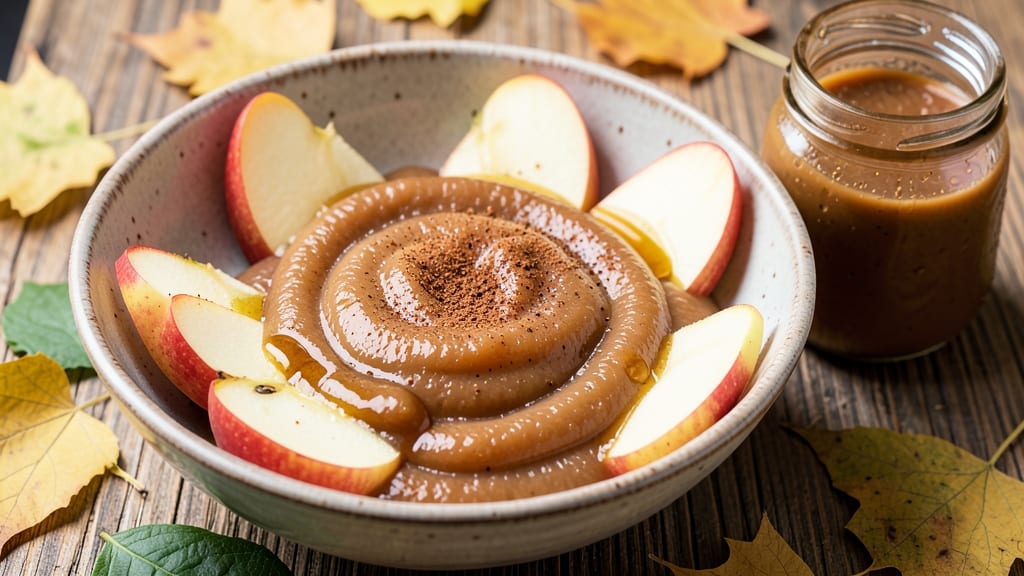
This vegan apple sauce recipe with food mill transforms simple apples into velvety-smooth condiment without chunks or cooking hassles. The food mill creates that signature restaurant-quality texture while preserving natural sweetness—no blender required.
I developed this method after struggling with lumpy homemade sauces, and it now makes my pantry staples shine.
What sets this recipe apart is the two-step process: simmering apples until tender, then milling them while still warm for perfect consistency. You'll need just 5 ingredients—apples, cinnamon, lemon juice, and a touch of sweetener—plus the food mill to achieve that silky finish.
The result is a versatile sauce that works equally well with toast, savory roasts, or sweet desserts.
By the time you're done, you'll have smooth, naturally sweetened apple sauce that stays fresh for weeks in the fridge or freezer. The cinnamon adds warmth, while lemon brightens the flavor profile. This isn't just another apple sauce—it's a pantry essential that elevates everything from oatmeal to pork chops.
Use it as a topping, baking ingredient, or even a pie filling substitute. The food mill technique ensures no lumps, making this the most professional-quality homemade apple sauce you'll ever make. Let's get started!
Ingredients for apple sauce recipe with food mill
Five simple ingredients transform into silky-smooth apple sauce with restaurant-quality texture.
| Ingredient | Amount | Notes |
|---|---|---|
| Medium Apples (e.g., Honeycrisp or Fuji) 🍎 | 4 whole | Peeled, cored, roughly chopped |
| Ground Cinnamon 🌿 | 1 ½ tsp | Freshly ground for warmth |
| Fresh Lemon Juice 🍋 | 2 tbsp | Brightens flavor profile |
| Maple Syrup 🍯 | 2 tbsp | Natural sweetener alternative |
| Water 💧 | ½ cup | For simmering consistency |
The apples make all the difference—Honeycrisp or Fuji have perfect balance of sweetness and firmness. Local farmers markets often have these varieties at peak season, but any crisp apple works. I always peel them (the skin can get bitter when cooked) and chop into even-sized pieces for consistent cooking. If you're using organic apples, skip the rinse—just scrub with a brush. The cinnamon should be freshly ground (pre-ground loses flavor fast), and Penzeys or bulk bins at natural grocery stores are great sources. For the lemon juice, fresh is non-negotiable—bottled juice lacks brightness.
No maple syrup? Agave nectar or coconut sugar works just as well—just reduce the amount slightly since they're sweeter. Running out of apples? Cooked apple sauce from cans (unsweetened) works in a pinch, but you'll lose that fresh texture. The water amount is flexible—add more if the apples release less liquid during cooking. For extra depth, a pinch of sea salt (about ¼ teaspoon) brings out all the flavors. The food mill is non-negotiable here—it creates that signature silky texture that blenders can't match.
Fresh apple sauce keeps beautifully in the fridge for 2 weeks in an airtight container. For longer storage, portion into ice cube trays and freeze—perfect for single servings. Thaw overnight in the fridge. The sauce thickens as it cools, so you can add a splash of water if it gets too stiff. I always double the batch—one for immediate use, one to freeze for future baking or oatmeal. The food mill parts should be washed immediately after use to prevent staining.
Why You'll Love This Recipe
- No-Peel Hassle: I’ll be real—peeling apples is my least favorite part of cooking. But with this recipe, you skip it entirely. Just core, quarter, and toss those Honeycrisp or Fuji apples straight into the pot. The food mill does the rest, leaving you with silky-smooth sauce without the mess.
- Cinnamon-Kissed Magic: That first spoonful of warm apple sauce, dusted with cinnamon and just a hint of lemon? It’s the kind of flavor that makes you pause mid-bite. The maple syrup ties everything together—sweet but never cloying—while the lemon keeps it bright. Honestly, it’s the perfect balance.
- Pantry Staple Flex: This sauce isn’t just for applesauce season. Spread it on toast, stir it into oatmeal, or drizzle it over roasted chicken. It’s my go-to for quick weeknight dinners or even a cozy dessert topping. Between us, I’ve used it in everything from savory pork dishes to vanilla ice cream.
- Zero-Waste Leftovers: Make a big batch—it keeps for weeks in the fridge. The food mill makes this so effortless that I often double the recipe. Freeze extras in ice cube trays for single-serving portions later. Not the prettiest, but the taste makes up for it every time.
Step-by-step instructions for perfectly smooth apple sauce
Here's how to make velvety apple sauce with no chunks—just pure, silky texture every time.
🍳 Step 1: Simmer the Apples Until Tender
In a medium saucepan, combine the 4 whole medium apples (peeled, cored, and roughly chopped), the 0.5 cup water, and the 2 tablespoons maple syrup. Bring to a gentle boil over medium-high heat, then immediately reduce to medium-low. Let it simmer uncovered for 15-20 minutes, stirring occasionally, until the apples break down completely and the mixture becomes soft and mashable.
You'll know it's ready when a fork slides in easily and the sauce thickens noticeably. The apples should be completely tender with no resistance—this is crucial for getting that smooth texture later. If you rush this step, you'll end up with gummy apple sauce that won't purée properly.
🍳 Step 2: Season and Prepare for Milling
Remove the pan from heat and stir in the 1.5 teaspoons ground cinnamon and 2 tablespoons fresh lemon juice. Let the mixture cool slightly for 5-7 minutes—this prevents splattering when you run it through the food mill. The lemon juice will brighten the flavor while the cinnamon adds warmth, but don't add it too early or it'll lose its potency.
While waiting, give the apples a quick mash with a potato masher or wooden spoon. This breaks up any large pieces and makes the milling process smoother. You want a coarse mash with some small chunks remaining—this ensures the food mill works efficiently without clogging.
🥘 Step 3: Process Through the Food Mill
Set up your food mill over a clean bowl. Pour the warm apple mixture into the mill's top hopper, working in batches if needed. Use a wooden spoon to press the apples through gently but firmly—this ensures maximum yield without forcing the motor. The mill will separate the skins and seeds automatically, leaving behind perfectly smooth sauce.
Work quickly but steadily—don't rush the process or you'll miss some of the purée. If the mill starts clogging, stop and mash any remaining large pieces before continuing. The result should be a velvety, lump-free sauce with a beautiful golden color and no visible apple fibers.
⏰ Step 4: Adjust Consistency and Store
Taste the sauce and adjust sweetness if needed—you can add a touch more maple syrup if desired. For a thicker consistency, simmer the sauce for an additional 3-5 minutes over low heat, stirring constantly. If you prefer it thinner, simply stir in a splash of water or apple juice. The sauce should coat the back of a spoon but still be spreadable.
Transfer to clean jars while still warm. The sauce will thicken slightly as it cools, but it won't separate. Store in the refrigerator for up to 1 week or freeze for up to 6 months. This method preserves all the natural sweetness and vibrant flavor of the apples without any added sugars or preservatives.
Pro Tips For Making Apple Sauce Recipe With Food Mill
- PEEL AND CORE FAST: Peel the apples before slicing—it’s faster and keeps your cutting board clean. I used to slice first, and half the time I’d end up with uneven pieces or a knife slip because of the core.
- USE JUST ENOUGH WATER: Add water gradually while cooking—start with ½ cup, then taste as you go. Too much turns your sauce into soup; too little means scraping the bottom. I learned this after making a batch so thick it stuck to the pot like glue.
- SIMMER LOW AND SLOW: Keep the heat at a gentle bubble—not a rolling boil. High heat breaks down the apples too fast, making the sauce mushy and dull. My first batch was a disaster until I remembered my grandma’s “low and steady” rule.
- STRAIN TWICE FOR SMOOTHNESS: Run the cooked apples through the food mill twice if needed—first pass catches the big chunks, second pass makes it silky. I skipped this once and ended up with texture issues, so now I double-check.
Flavor customization for this recipe
Sweet & Tangy Twist
Swap the maple syrup for 1.5 tbsp honey and add 1 tbsp orange zest for a bright, citrusy flavor. The honey enhances the apples' natural sweetness while the orange zest adds zing.
I love this variation with pancakes or waffles—it feels like a spa day for your taste buds. 🍊
Spiced Winter Warmth
Boost the cinnamon to 2 tsp and add ½ tsp ground nutmeg and a pinch of clove. This version tastes like apple pie in a jar and pairs perfectly with roast pork or turkey.
For extra depth, simmer the apples with 1 star anise pod (remove before milling). The nutmeg adds warmth that makes it feel cozy.
Herbal Freshness
Infuse the sauce with 1 tbsp fresh thyme leaves or 1 tsp dried thyme while simmering. The herbal notes create a sophisticated flavor that works surprisingly well with grilled chicken or fish.
Remove the thyme stems before milling for a clean finish. This variation is my secret weapon for elevating simple weeknight dinners.
Caramelized Depth
Before milling, spread the cooked apples on a baking sheet and broil for 2-3 minutes to caramelize slightly. This adds a rich, almost buttery depth to the sauce.
The caramelized apples create a beautiful color contrast and complex flavor. I use this version as a pie filling substitute—it's restaurant-quality without the fuss. 🍯
Chunky Rustic Style
Skip the food mill and use a potato masher for a rustic texture with small apple pieces. Add 1 tbsp chopped walnuts or pecans for crunch. This version tastes like homemade apple butter and pairs well with cheese boards or oatmeal. The texture contrast makes every bite more interesting.
Savory Apple Sauce
Reduce the sweetener to 1 tbsp maple syrup and add 1 tsp apple cider vinegar and ½ tsp smoked paprika. This tangy, slightly smoky version works beautifully as a glaze for roasted vegetables or a dipping sauce for pretzels.
The vinegar brightens the apples while the paprika adds depth that balances the sweetness perfectly. 🌶️
Nutrition facts
Frequently asked questions
Can I use any apples for this food mill apple sauce?
For the smoothest texture, choose firm, crisp varieties like Honeycrisp or Fuji. Tart apples like Granny Smith work well but may need extra sweetener. Avoid mealy varieties like Red Delicious—they break down too much during cooking and can make the sauce gummy. When in doubt, pick apples that hold their shape when baked.
What if I don't have a food mill?
You can achieve similar results with a fine-mesh sieve or food processor. For the sieve method, press the cooked apples through while hot for maximum smoothness. A food processor works too—just pulse until completely smooth, then strain through a cheesecloth if needed. The texture won't be quite as refined, but it'll still be delicious.
How do I store leftover apple sauce?
Transfer to an airtight container and refrigerate for up to 1 week. For longer storage, freeze in ice cube trays or small jars for 6 months. Thaw overnight in the fridge—never microwave directly from frozen. The sauce thickens as it cools, so you can add a splash of water if needed. Label containers with dates to track freshness.
Can I make this apple sauce without sweetener?
Yes! Use naturally sweet apples like Gala or Braeburn and reduce the sweetener to 1 tablespoon or omit entirely. For extra depth, add 1 teaspoon vanilla extract or ½ teaspoon cardamom. The sauce will be tart but balanced—perfect for savory pairings like pork tenderloin. Taste as you go and adjust to preference.
Why does my apple sauce turn out too thick?
This usually happens from overcooking or insufficient liquid. For immediate fixes, stir in 1-2 tablespoons water or apple juice while warm. To prevent it next time, reduce simmering time to 12-15 minutes and add ¼ cup extra water at the start. The sauce will thicken as it cools, so don't overcorrect while hot.