
Sauces & Condiments
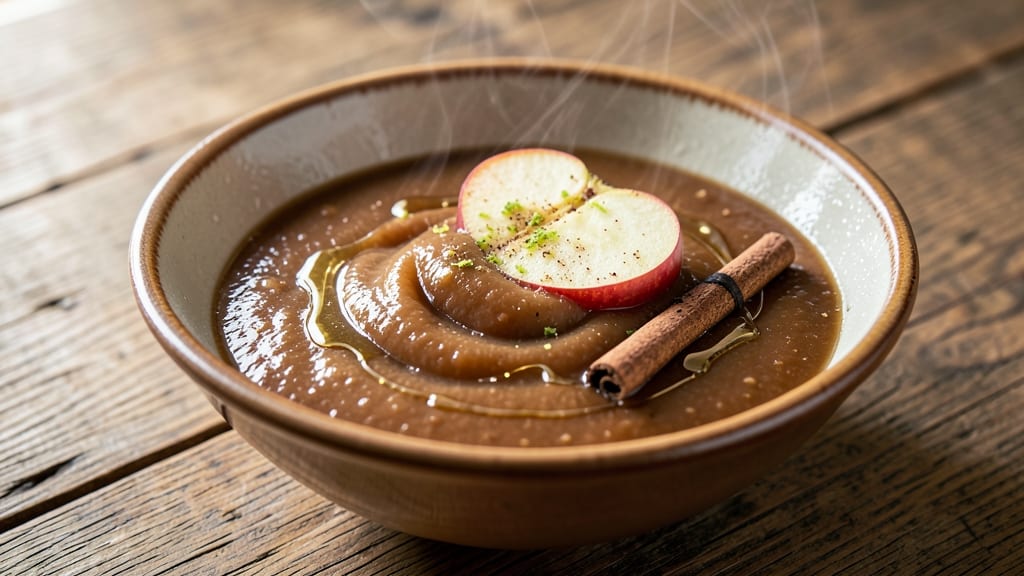
This slow-cooked apple sauce recipe for the UK transforms humble cooking apples into a fragrant, versatile spread that’s perfect for topping porridge, filling pies, or pairing with roast meats.
The secret lies in a warm spice blend—cinnamon, nutmeg, and a touch of vanilla—that infuses the sauce with comforting depth while keeping the process simple and foolproof. Unlike store-bought versions, this homemade version delivers a richer texture and a fresher taste, with no added preservatives.
The method is designed for effortless execution: apples simmered until tender, then blended or mashed to your preferred consistency. Whether you prefer a smooth, velvety sauce or a chunky, rustic spread, this recipe adapts seamlessly.
The slow cooking also caramelizes the natural sugars, creating a subtle sweetness that balances the spices beautifully. It’s the kind of sauce that elevates everyday meals into something special without requiring advanced techniques.
What sets this recipe apart is its versatility—use it as a breakfast companion, a dessert topping, or even a glaze for roasted vegetables. The spiced blend can be adjusted to suit your taste, from classic cinnamon warmth to a hint of ginger for a zesty twist.
Best of all, it keeps well in the fridge for up to a week, making it a pantry staple that’s always within reach. For UK audiences, the recipe uses familiar ingredients and metric measurements, ensuring it’s accessible whether you’re cooking for a family gathering or prepping for the week ahead.
Let’s get started on creating a sauce that’s as comforting as it is delicious.
Ingredients for apple sauce recipe uk
Nine ingredients transform humble cooking apples into a fragrant, versatile sauce perfect for UK pantries.
| Ingredient | Amount | Notes |
|---|---|---|
| Cooking Apples 🍎 | 2 ½ lb | Firm variety like Braeburn or Cox |
| Granulated Sugar 🍚 | ½ cup | Adjust to taste for sweetness |
| Ground Cinnamon 🌿 | 1 ½ tbsp | Freshly ground preferred |
| Ground Nutmeg 🌶️ | ½ tsp | Freshly grated for best flavor |
| Pure Vanilla Extract 🌸 | 1 tsp | High-quality vanilla preferred |
| Fresh Lemon Juice 🍋 | 1 tbsp | Brightens the flavor profile |
| Unsalted Butter 🧈 | 2 tbsp | Full-fat for richness |
| Water 💧 | ¼ cup | For simmering consistency |
| Diamond Crystal Kosher Salt 🧂 | ½ tsp | Adjusts seasoning balance |
The apples are the foundation—Braeburn or Cox varieties hold their shape beautifully during slow cooking, but any firm cooking apple works. Local markets often carry these, or look for them in the fruit section of larger supermarkets like Tesco or Sainsbury's. Avoid apples with soft spots or bruising, as they'll break down too quickly. The cinnamon and nutmeg should be freshly ground for maximum aroma, though pre-ground works in a pinch. For vanilla, Lindor's or Boots offer reliable quality at accessible prices. The butter adds richness, so use full-fat—none of that reduced-fat nonsense here.
No vanilla extract? Vanilla sugar or a scraped vanilla pod works, though the flavor won't be as concentrated. Short on cinnamon? Allspice at half the amount adds warmth without overpowering. The lemon juice can be swapped for orange zest if you prefer citrus notes. For a smoother sauce, blend after cooking; for rustic texture, mash by hand. The sugar amount is flexible—reduce to 0.25 cup if your apples are naturally sweet, or increase to 0.75 cup for extra caramelization. The water helps prevent sticking, but if you prefer a thicker sauce, omit it entirely.
This sauce keeps beautifully in the fridge for up to 7 days, though it tastes best within the first 3. For longer storage, transfer to an airtight container and freeze for up to 3 months. The butter may solidify when chilled—simply reheat gently to restore its creaminess. Portion into small jars for easy use on porridge, pies, or roasted meats. The spices intensify over time, so if you're not using it all at once, store the extra in a sealed container away from light.
Why You'll Love This Recipe
- Five-Ingredient Magic: Honestly, I swear by this recipe because it’s that simple—just peel, core, and toss those cooking apples into a pot. No fancy gadgets, no stress, and no peeling for hours like some store-bought versions force you to do.
- Warm Spice Hug: That cinnamon and nutmeg combo? It’s like autumn in a jar—cozy, familiar, and just sweet enough. The vanilla extract ties it all together with this little whisper of depth that makes it taste homemade, not basic.
- Pantry to Party: Between us, this sauce is my go-to for everything: dolloped on porridge, stirred into yogurt, or even slathered on toast when I’m craving something sweet. It’s the kind of thing that turns a boring Tuesday into a “well, maybe I’ll bake something” moment.
- No-Waste Winner: I always end up with leftovers—because who can resist seconds?—and they keep beautifully in the fridge for days. Plus, cooking apples are cheaper than fancy dessert apples, so you’re not breaking the bank for something this versatile.
Step-by-step instructions for slow-cooked apple sauce
A perfectly balanced blend of sweetness and spice—this method delivers silky texture and rich flavor.
Prepare and Peel the Cooking Apples
Start by washing the 2.5 lb cooking apples thoroughly under cold water. Using a sharp paring knife, carefully peel the skin off each apple, working from the stem downward. I find a firm variety like Braeburn or Cox holds its shape best during cooking. Remove the cores and chop the peeled apples into ½-inch chunks—this size ensures even cooking without turning to mush.
For the best texture, I recommend keeping the apple pieces uniform. If using a food processor later, slightly smaller chunks will prevent clogging. Place the chopped apples in a large mixing bowl as you work to avoid cross-contamination with the knife.
Combine Apples with Sugar and Spices
In the same bowl, add the 0.5 cup granulated sugar, 1.5 tbsp ground cinnamon, 0.5 tsp ground nutmeg, and 0.5 tsp Diamond Crystal kosher salt to the chopped apples. Use your hands or a wooden spoon to thoroughly mix everything until the sugar and spices evenly coat each apple piece. This step ensures balanced flavor in every spoonful of the finished sauce.
Freshly ground spices make a noticeable difference—if possible, grind your own cinnamon and nutmeg just before using. The sugar will begin to draw out moisture from the apples, so don't be tempted to add extra at this stage. We'll adjust sweetness at the end if needed.
Cook the Apple Mixture
Transfer the apple mixture to a large, heavy-bottomed saucepan and add the 2 tbsp unsalted butter and 0.25 cup water. Place the pan over medium-high heat and bring the mixture to a gentle boil, stirring occasionally to prevent sticking. Once boiling, reduce the heat to medium-low and let it simmer uncovered for 25-30 minutes. You'll know it's ready when the apples have softened completely and the mixture thickens noticeably.
Here's the thing—don't rush this step. The apples need time to break down while retaining their natural sweetness. If the mixture looks too dry before the apples are fully tender, add 1-2 tablespoons of water at a time until you reach a loose, saucy consistency. Stir frequently to prevent scorching at the bottom of the pan.
Finish with Vanilla and Lemon
Once the apples are tender, remove the pan from heat and stir in the 1 tsp pure vanilla extract and 1 tbsp fresh lemon juice. The vanilla adds depth while the lemon brightens the overall flavor profile. Let the mixture sit off the heat for 5 minutes—this resting period allows the flavors to meld together without further cooking.
Taste the sauce at this stage. The balance of sweetness and acidity should be harmonious, with warm cinnamon and nutmeg notes. If you prefer it sweeter, add up to 1 additional tablespoon of sugar now. For a smoother texture, use an immersion blender to purée the mixture until completely smooth. If you prefer some texture, simply mash with a potato masher.
Store and Serve
Transfer the finished apple sauce to a clean, airtight container and let it cool to room temperature. For best results, store in the refrigerator where it will keep for up to 1 week. This sauce works beautifully as a spread for toast, a topping for pancakes, or a filling for pastries. The flavors deepen slightly as it sits, making it even more versatile the next day.
For a restaurant-quality presentation, I recommend serving it warm with a dusting of ground cinnamon and a dollop of whipped cream. The slow cooking method ensures a perfectly balanced texture—neither too thick nor too runny—making this apple sauce a reliable pantry staple for any occasion.
Pro Tips For Making Apple Sauce Recipe Uk
- PEEL AND CORE FAST: Use a sharp paring knife instead of an apple corer—it’s quicker and gives you more control. I learned this the hard way after struggling with a clunky corer that left jagged edges (and a lot of frustration).
- SIMMER LOW AND SLOW: Don’t rush the cooking—keep the heat at a gentle simmer (around 160°C/325°F) to break down the apples properly. After burning three batches, I finally figured out that patience here means smoother, less grainy sauce.
- WEIGH THE APPLES: Chopped apples shrink dramatically—weigh them first (about 750g for 4-5 medium apples) to avoid under- or over-saucing. I skip this when I’m lazy, but the dish is noticeably better when I don’t.
- SWEETEN GRADUALLY: Add the sugar in two batches: half at the start, half after 10 minutes. This balances sweetness without making the sauce cloying—my grandmother swore by this, and she was right.
Common mistakes when making this dish
Overcooking Apples
I’ve ruined apple sauce more times than I’d like to admit by letting the apples turn to mush. The key is stopping when they’re tender but still hold their shape—about 25-30 minutes on medium-low heat.
Overcooking releases too much liquid, thinning the sauce and making it watery. If your apples are soft but still firm, they’re perfect. 🍎
Skipping the Butter
Don’t skip the 2 tbsp unsalted butter—it’s what gives this sauce its rich, velvety texture. The butter coats the apples during cooking, preventing a dry or grainy finish.
If you’re watching fat intake, use a light butter or olive oil, but the flavor won’t be the same. Trust me, the extra richness is worth it.
Uneven Spice Distribution
Mixing the spices into the chopped apples before cooking ensures they’re evenly distributed, but I’ve seen people forget this step. If the spices aren’t coated on the apples, you’ll end up with pockets of blandness.
Use your hands or a wooden spoon to thoroughly mix everything—this is non-negotiable for balanced flavor. 🌿
Adding Lemon Too Early
The lemon juice should be added at the very end, not during cooking. Adding it too soon can make the apples turn grayish and lose their vibrant color. Save it for the final step to preserve the apples’ natural hue and brighten the finished sauce.
This is a rookie mistake I made early on—now I always add it last.
Ignoring the Resting Time
Letting the sauce sit off the heat for 5 minutes after adding vanilla and lemon is crucial. This resting period allows the flavors to meld together, making the spices and sweetness harmonize perfectly. Skipping it means the sauce will taste disjointed. Patience here pays off in flavor.
Using the Wrong Apples
Not all apples are created equal. Sweet or eating apples like Gala or Fuji will turn to mush and make a thin, watery sauce. Stick to firm cooking apples like Braeburn or Cox—they hold their shape and release just the right amount of juice.
This is a game-changer for texture. 🍏
Nutrition facts
Frequently asked questions
Can I make this apple sauce without butter?
The butter adds richness and prevents a grainy texture, but you can substitute 2 tablespoons olive oil or light butter if preferred. The sauce will be slightly lighter, but still delicious. For a dairy-free version, use coconut oil instead—just note the flavor will be subtly different.
How do I adjust the sweetness for tart apples?
If your apples are particularly tart, increase the sugar to 0.75 cup or add 1-2 tablespoons honey at the end. For naturally sweet apples like Cox, reduce sugar to 0.25 cup or omit entirely. Taste before blending—you can always add more sweetness later, but you can't remove it.
Can I use this sauce in savory dishes?
This apple sauce pairs beautifully with roasted pork, chicken, or even as a glaze for sausages. Reduce the sugar to 0.25 cup and add ½ teaspoon thyme or rosemary for a savory twist. The warm spices complement meat dishes wonderfully.
Why did my apple sauce turn out watery?
Watery sauce usually means overcooking or using too much liquid. Simmer uncovered for 25-30 minutes max, and reduce heat if needed. If it's still too thin, transfer to a saucepan and simmer uncovered for 10-15 minutes to evaporate excess liquid. For chunky sauce, skip blending entirely.
Can I make this in a slow cooker?
Yes! Combine all ingredients in your slow cooker and cook on low for 4-5 hours or high for 2-3 hours. Stir occasionally and add water in 1-tbsp increments if needed. The slow cooker method deepens the flavors even more. Perfect for hands-off cooking!