
Sauces & Condiments
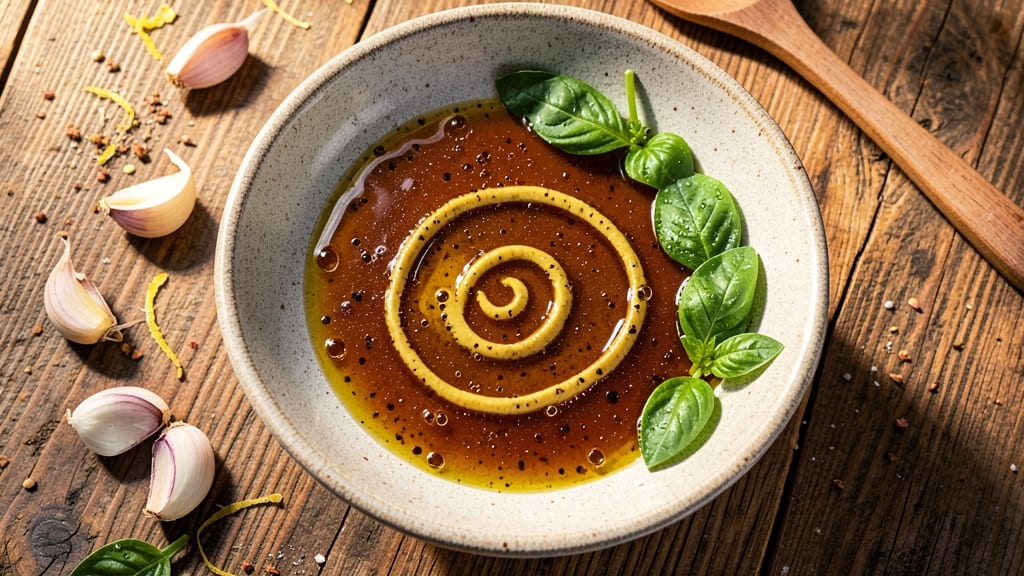
This apple cider vinegar and olive oil dressing recipe transforms simple pantry staples into a tangy, versatile sauce that elevates salads, roasted vegetables, and even grilled meats. The balance of sharp vinegar and rich olive oil creates a bright, zesty dressing that brightens any dish without overpowering flavors.
I developed this recipe after realizing how often I reached for store-bought versions—until I realized homemade tastes infinitely better and lasts longer.
The beauty of this dressing lies in its simplicity: just three core ingredients—apple cider vinegar, extra-virgin olive oil, and a pinch of salt—come together in 5 minutes with no cooking required. Optional additions like garlic, Dijon mustard, or fresh herbs allow for endless customization.
The dressing keeps for up to 10 days in the refrigerator, making it perfect for meal prep and batch cooking.
What sets this recipe apart is its adaptability. Use it as a quick salad dressing, a marinade for chicken or fish, or even a finishing drizzle for roasted potatoes.
The acidity cuts through richness, while the olive oil adds smooth, velvety texture. It’s the kind of dressing that turns a simple meal into something restaurant-worthy.
For best results, whisk the ingredients thoroughly before storing and give it a quick shake before each use. The flavors deepen over time, so it tastes even better the next day. Here’s everything you need to make it—simple, fast, and foolproof.
Ingredients for apple cider vinegar and olive oil dressing
Three core ingredients plus optional enhancers transform into a restaurant-quality dressing in minutes.
| Ingredient | Amount | Notes |
|---|---|---|
| Apple Cider Vinegar 🍏 | ½ cup | Raw, unfiltered preferred for robust flavor |
| Extra-Virgin Olive Oil 🫒 | ¾ cup | High-quality, fruity variety for optimal texture |
| Diamond Crystal Kosher Salt 🧂 | ½ tsp | Adjust to taste for perfect balance |
| Garlic Cloves 🧄 | 2 cloves | Minced finely for subtle depth (optional) |
| Dijon Mustard 🌶️ | 1 tsp | For added complexity (optional) |
| Fresh Basil Leaves 🌿 | ¼ cup | Chopped finely for herbal brightness (optional) |
| Honey 🍯 | 1 tsp | For subtle sweetness (optional) |
The quality of your apple cider vinegar and olive oil makes all the difference. Bragg or Texas Pete apple cider vinegars provide the most robust flavor, while California Olive Ranch or Colavita extra-virgin olive oils deliver the richest texture. For the garlic, freshly minced cloves release more flavor than pre-minced, but jarred minced garlic works in a pinch. The kosher salt should be Diamond Crystal—it dissolves more easily than table salt and enhances flavor without overpowering. If you're using optional ingredients, fresh basil is ideal, but dried oregano at one-third the amount works too.
No Dijon mustard? Yellow mustard thinned with water mimics the tanginess, though it lacks depth. Short on honey? Maple syrup adds sweetness without altering the dressing's balance. The garlic can be omitted entirely if you prefer a cleaner profile, but it adds a subtle richness that pairs beautifully with roasted vegetables. For a more intense flavor, increase the apple cider vinegar by 1 tablespoon. If you're using this as a marinade, reduce the olive oil slightly to half a cup to prevent sogginess in delicate proteins like fish.
This dressing maintains its freshness for up to 10 days when stored in a sealed jar in the refrigerator. For best results, whisk thoroughly before each use to redistribute the oil and vinegar. If the oil separates, simply shake the jar vigorously—it will re-emulsify instantly. For long-term storage, transfer to a sterilized glass jar and keep it in the fridge. The flavors actually deepen over time, making it even more vibrant the next day. Freezing isn't recommended, as the texture may separate upon thawing.
Why You'll Love This Recipe
- Five-Ingredient Magic: I swear by this combo—just vinegar, olive oil, salt, garlic, and mustard. No fancy tools, no stress, and no second-guessing what to toss in.
- Tangy Crunch: That first bite of sharp apple cider vinegar cutting through rich olive oil? It’s like a wake-up call for your taste buds, especially when the minced garlic and Dijon mustard kick in.
- Salad to Steak: Drizzle it over greens, toss it with roasted potatoes, or use it as a marinade for chicken—it’s my secret weapon for anything needing a little zing without overpowering the dish.
- Lasts for Days: Make a big batch and store it in the fridge—it keeps for weeks, so you’re never scrambling for a quick dressing again. Plus, the flavors actually get better as it sits.
Step-by-step instructions for apple cider vinegar dressing
This dressing comes together faster than you can say "zesty" - precise technique ensures perfect balance every time.
Combine the Base Ingredients
In a medium bowl, pour the 0.5 cup apple cider vinegar and 0.75 cup extra-virgin olive oil. Use a whisk to emulsify them together for 1 minute - you'll see the mixture transform from separate layers to a smooth, slightly thickened consistency. The vinegar's acidity helps break down the oil molecules, creating that signature silky texture we want.
Here's the thing - don't rush this step. The emulsification process is what gives your dressing that professional, restaurant-quality mouthfeel. If you're using unfiltered apple cider vinegar, you might notice some sediment at the bottom - this is completely normal and adds depth of flavor. Give it a taste at this stage - the balance should be pleasantly sharp with just a hint of sweetness from the vinegar's natural sugars.
Incorporate the Garlic and Mustard
Add the 2 minced garlic cloves and 1 teaspoon Dijon mustard to the bowl. Whisk vigorously for another 30 seconds until the garlic is fully dispersed and the mustard has blended smoothly. The mustard acts as an emulsifier here, helping to stabilize the oil and vinegar mixture while adding subtle complexity.
I've found that using freshly minced garlic makes a noticeable difference - the flavor is more vibrant than pre-minced. If you're concerned about overpowering the dressing, don't be - the acidity in the vinegar will mellow the garlic's intensity. The mixture should now have a slightly thicker consistency, almost like a loose vinaigrette. This is where the dressing starts developing its signature tangy brightness.
Add Salt and Sweetener for Balance
Sprinkle in the 0.5 teaspoon Diamond Crystal kosher salt and 1 teaspoon honey, then whisk for another 20-30 seconds until completely dissolved. The salt enhances all the flavors while the honey adds a subtle sweetness that rounds out the dressing's acidity. This is where you can adjust to taste - if it's too sharp, add a touch more honey; if it needs more punch, add a pinch more salt.
The honey should dissolve completely into the mixture. If you're using raw honey, it might take a few extra seconds to fully incorporate. At this stage, the dressing should have a glossy appearance with a medium-thickness consistency - similar to what you'd find in high-end salad bars. Taste again and make any final adjustments before moving to the next step.
Fold in the Fresh Basil
Chop the 0.25 cup fresh basil leaves into fine pieces using a sharp knife. Fold them gently into the dressing using a silicone spatula, being careful not to overmix. The basil adds herbal brightness that cuts through the richness of the olive oil. I like to press the basil leaves against the side of the bowl first to release their essential oils before folding them in - this intensifies their flavor.
The basil should be evenly distributed throughout the dressing. If you're using particularly large leaves, you might want to chop them even smaller to ensure they're fully incorporated. Give it one final taste - the basil should add a fresh, slightly peppery note that complements the dressing's tangy profile. The texture should remain smooth with just a hint of herbaceous flecks.
Rest and Adjust
Cover the bowl and let the dressing rest at room temperature for 10 minutes. This resting period allows all the flavors to meld together and any slight separation to re-emulsify. The dressing will develop more complexity as the flavors integrate during this time. After resting, give it one final whisk to ensure everything is well combined.
If you notice any separation after resting, simply whisk vigorously for another 30 seconds - the mustard and vinegar will help re-emulsify the dressing. The final product should be smooth, glossy, and perfectly balanced with bright acidity, herbal notes, and just a touch of sweetness. This dressing keeps well in the refrigerator for up to 1 week, making it perfect for meal prep.
Pro Tips For Making Apple Cider Vinegar And Olive Oil Dressing
- STIR AFTER EACH ADDITION: The dressing won’t emulsify if you dump everything in at once and stir once. Add the vinegar first, then the mustard, then the oil—stirring vigorously between each step. I learned this after making a batch that separated like oil and water, no matter how much I shook it later.
- USE RAW GARLIC (PEEL FIRST): Cooked or roasted garlic adds sweetness but throws off the sharp, bright balance of this dressing. Keep it raw—peel the cloves right before mincing or crushing. If you’re impatient, at least let them sit at room temp for 10 minutes first; cold cloves make the dressing taste dull.
- SALT THE OIL BEFORE MIXING: Diamond Crystal kosher salt dissolves unevenly if you add it last. Sprinkle a pinch directly into the olive oil before emulsifying—it’ll disperse better and season the oil evenly. Skipping this step means you’ll end up tasting salt crystals instead of a smooth, balanced flavor.
- WHISK, DON’T SHAKE: A mason jar isn’t your friend here. Whisking with a fork or small whisk incorporates air and helps the oil and vinegar cling together. Shaking just creates bubbles that pop and make the dressing separate faster. If you’re in a rush, a quick blast in a blender works—but whisking is foolproof.
Storing and reheating this recipe
Refrigerator Storage
Transfer your freshly made dressing to a sterilized glass jar with an airtight lid—I love using Le Parfait 16-ounce jars for their seal. Store it in the refrigerator where it'll keep for up to 10 days while flavors deepen beautifully. The vinegar's acidity actually preserves the dressing better than you'd expect, so there's no need for preservatives. Just
Freezing Considerations
While this dressing isn't ideal for freezing, you can extend its shelf life to about 3 months if needed. Use freezer-safe glass jars with at least 1 inch of headspace to prevent cracking. The texture may separate slightly upon thawing, but a quick whisk will restore it. For best results, freeze in small portions (like ½ cup servings) so you only thaw what you need. I've found that the flavor remains vibrant, though slightly less glossy than fresh. ❄️
Reheating for Serving
There's no need to reheat this dressing—simply remove it from the fridge and let it sit at room temperature for 5-10 minutes before using.
If you prefer it slightly warmed (great for drizzling over warm dishes), gently heat it in a small saucepan over low heat for 1-2 minutes, stirring constantly. Never microwave it directly, as the heat can break down the delicate emulsification and make the dressing separate.
A quick shake after warming will restore its silky texture. 🔥
Reviving Separated Dressing
If you notice separation after storage, don't toss it! Simply shake the jar vigorously for 20-30 seconds—the vinegar and mustard will naturally re-emulsify the oil. For stubborn separation, add 1 teaspoon water and whisk vigorously.
The dressing should return to its smooth, glossy consistency. I've revived dressings that sat separated for days this way, so don't let a little separation ruin your meal. The flavors remain just as vibrant! ✨
Portioning for Meal Prep
For easy meal prep, divide the dressing into small glass containers (like 4-ounce mason jars) before storing. This way, you can grab just what you need without transferring the whole jar. I like to label them with the date and contents—it helps track freshness.
These smaller portions also thaw faster if you ever decide to freeze individual servings. Plus, they're perfect for packing in lunchboxes or taking to potlucks. 📅
Long-Term Flavor Preservation
To maximize flavor retention, always use high-quality ingredients—the better the vinegar and olive oil, the longer the dressing will taste fresh. Add a pinch of salt before storing if you notice the acidity mellowing over time.
For extra preservation, you can add ½ teaspoon of xanthan gum (just a tiny amount!) to stabilize the emulsion, but it's completely optional. The dressing will keep its bright, tangy character for the full 10 days with proper storage. 💫
Nutrition facts
Frequently asked questions
Can I make this dressing without honey?
The honey adds subtle sweetness, but you can omit it entirely or replace it with 1 teaspoon maple syrup or ½ teaspoon agave nectar for a different flavor profile. If you prefer a sharper taste, skip the sweetener—just adjust the salt slightly (¼ teaspoon more) to balance the acidity. The dressing will still taste bright and tangy without it!
How do I adjust the dressing for a milder or stronger flavor?
For a milder version, reduce the apple cider vinegar to ¼ cup and add 1 extra tablespoon olive oil to soften the acidity. For a stronger flavor, increase the vinegar to ⅔ cup and add ½ teaspoon more salt. The mustard and garlic can also be adjusted—reduce to ½ teaspoon mustard for subtlety or double the garlic for intensity. Taste as you go!
Can I use this dressing as a marinade?
Yes, but reduce the olive oil to ½ cup to prevent sogginess in delicate proteins like fish or chicken. The acidity in the vinegar helps tenderize meat, so it works beautifully for 15-30 minutes marinades. For tougher cuts like pork chops, you can marinate for up to 2 hours. Always discard used marinade to avoid cross-contamination.
Why does my dressing separate after storing?
Separation is normal—vinegar and oil naturally separate without emulsifiers. Simply shake the jar vigorously before using, or whisk in 1 teaspoon water to restore the emulsion. The mustard in the recipe helps stabilize it, but even without it, the dressing will re-emulsify instantly. Store in a fully sealed jar to prevent future separation.
What are the best herbs to use besides basil?
Fresh herbs like parsley, cilantro, or dill work beautifully. For a Mediterranean twist, try oregano or thyme (use ½ teaspoon dried). If you love heat, add ½ teaspoon red pepper flakes. Each herb changes the dressing's character—parsley keeps it clean, while dill adds a zesty brightness. Experiment to find your favorite!