
Sauces & Condiments
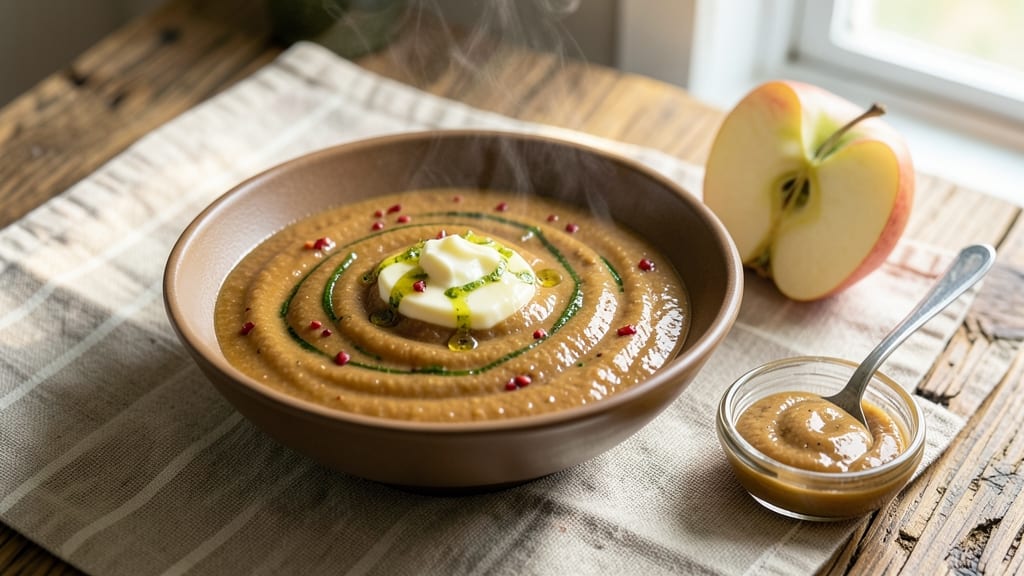
This apple horseradish sauce recipe transforms ordinary dishes into restaurant-worthy masterpieces with its perfect balance of sharp, sweet, and tangy flavors. The secret lies in blending creamy horseradish with caramelized apples and a touch of vinegar, creating a sauce that’s bold yet refined.
Unlike store-bought versions, this homemade recipe delivers layers of complexity—no artificial aftertaste, just vibrant, well-rounded depth that elevates everything from roasted meats to crispy appetizers.
The magic happens in the caramelization step, where apples soften into a velvety texture while developing natural sweetness. A splash of apple cider vinegar brightens the sauce, cutting through the horseradish’s heat without overpowering it.
The result is a versatile condiment that works as a sandwich spread, a glaze for roasted pork, or a zesty dip for fries—proof that simple ingredients can deliver extraordinary flavor when combined thoughtfully.
What makes this sauce truly special is its long-lasting freshness—it keeps beautifully in the fridge for up to a week, making it ideal for meal prep. The horseradish adds a subtle kick, while the apples provide a smooth, almost buttery contrast.
Whether you’re hosting a dinner party or simply craving a flavor upgrade, this sauce delivers restaurant-quality results with minimal effort.
Pair it with grilled chicken, slather it on pretzels, or use it as a tangy glaze for roasted vegetables. The possibilities are endless, but the execution is straightforward—just blend, taste, and adjust. Here’s how to make it perfectly every time.
Ingredients for apple horseradish sauce
Eight ingredients blend sharp horseradish with caramelized apples for a sauce that transforms ordinary dishes into refined masterpieces.
| Ingredient | Amount | Notes |
|---|---|---|
| Honeycrisp Apples 🍎 | 2 medium | Peeled, cored, diced small |
| Prepared Horseradish 🌶️ | ½ cup | Creamy, not coarse |
| Apple Cider Vinegar 🍋 | 2 tbsp | Unfiltered preferred |
| Granulated Sugar 🍚 | 2 tbsp | Light brown sugar for depth |
| Unsalted Butter 🧈 | 2 tbsp | Cold, cubed for caramelization |
| Fresh Lemon Juice 🍋 | 1 tbsp | From 1 small lemon |
| Diamond Crystal Kosher Salt 🧂 | ¼ tsp | Adjust to taste |
| Freshly Ground Black Pepper 🌶️ | ⅛ tsp | Freshly cracked preferred |
| Heavy Cream 🥛 | ¼ cup | Cold for blending |
The apples are the foundation—Honeycrisp delivers the perfect balance of sweetness and texture, but Fuji or Granny Smith work equally well. Avoid pre-sliced apples; peeling and dicing them fresh ensures even caramelization. For the horseradish, Bragg or local craft brands provide the creamiest texture, but any prepared horseradish will do. The butter matters here: use European-style unsalted for richer flavor, or Plugrá if you prefer a higher fat content. If you can't find Honeycrisp, Pink Lady or Gala are excellent substitutes—they caramelize beautifully without turning mushy.
No apple cider vinegar? White vinegar or lemon juice will work, though the flavor profile shifts slightly. Substituting brown sugar for white reduces depth, but it's a fine swap if that's what you have on hand. The heavy cream can be swapped for half-and-half or coconut cream, though the texture will be slightly lighter. For a vegan version, replace the butter with vegan butter or coconut oil and use full-fat coconut milk instead of heavy cream. The lemon juice is non-negotiable for brightness—fresh is best, but bottled works in a pinch. If you're sensitive to horseradish's heat, reduce the amount by half and add extra apples to balance.
This sauce keeps beautifully in an airtight container in the fridge for up to 1 week, though the flavors deepen after 24 hours, making it ideal for meal prep. For longer storage, freeze in ice cube trays—thaw and blend as needed. The sauce thickens as it chills, so add a splash of water or vinegar if it becomes too stiff. Store the horseradish separately if you prefer milder flavor over time; mix it in just before serving. Portion into small jars for sandwiches or roasted meats—it's the perfect condiment to have on hand for last-minute flavor upgrades.
Why You'll Love This Recipe
- No Chopping Needed: Honestly, I just dice apples into tiny cubes—no peeling, no fuss—because Honeycrisp’s crisp sweetness shines even raw. The horseradish’s kick cuts right through, so you don’t even miss the extra prep.
- Sweet Heat Balance: That tangy vinegar and creamy butter soften the horseradish’s bite, but the apples keep it bright and juicy. It’s the kind of sauce where every bite makes you go, “Wait, why isn’t this on everything?”—and then you’ll want it on everything.
- Game for Any Plate: Slather it on roast pork, drizzle it over mashed potatoes, or toss it with greens—it’s my secret weapon for holiday dinners and lazy weeknights. (Yes, even on a Tuesday night.)
- Lasts All Week: The vinegar and sugar act like preservatives, so it stays fresh for days in the fridge. I make a big batch, portion it out, and still have leftovers when the apples are long gone. Budget win.
Step-by-step instructions for apple horseradish sauce
Here's how to balance sweet and sharp for a sauce that transforms ordinary dishes into extraordinary ones.
Cook the Apples Until Tender
In a medium saucepan, combine the 2 medium Honeycrisp Apples (previously peeled, cored, and diced small) with the 2 tbsp Granulated Sugar and 2 tbsp Apple Cider Vinegar. Bring to a simmer over medium heat and cook for 8-10 minutes, stirring occasionally, until the apples break down into a thick, jammy consistency. You're aiming for a texture that's still slightly chunky but easily mashable with a fork.
The sugar helps caramelize the apples slightly, deepening their flavor while the vinegar prevents the mixture from becoming too sweet. If the mixture starts to stick, add 1-2 tablespoons of water—just enough to keep it loose. Once the apples are tender, remove the pan from heat and let it cool for 2 minutes to prevent sudden temperature shocks when adding cold ingredients later.
Incorporate Butter and Horseradish
While the apple mixture cools slightly, reduce the heat to low and add the 2 tbsp Unsalted Butter (cold and cubed) to the pan. Stir until the butter melts completely and the sauce becomes glossy and emulsified. This step is crucial for creating a velvety texture—don't rush it. The butter should coat the back of a spoon smoothly.
Next, whisk in the 0.5 cup Prepared Horseradish and 1 tbsp Fresh Lemon Juice. The horseradish adds that signature sharpness, while the lemon juice brightens the entire sauce. Taste at this stage—you'll notice a balance between sweet and spicy, but it might still need refinement. The sauce should be thick enough to coat the back of a spoon but still pourable.
Finish with Cream and Seasonings
Gradually whisk in the 0.25 cup Heavy Cream (cold) until fully incorporated. The cream lightens the sauce and adds a luxurious mouthfeel. At this point, season with the 0.25 tsp Diamond Crystal Kosher Salt and 0.125 tsp Freshly Ground Black Pepper. Taste again and adjust the salt if needed—this sauce should be bold but not overpowering. The pepper enhances the horseradish's heat without dominating.
For a smoother texture, strain the sauce through a fine-mesh sieve if you prefer no apple pieces. If you like texture, skip this step. The sauce is now ready to use immediately or can be refrigerated for up to 5 days in an airtight container. It thickens as it cools, so you can thin it with a splash of warm water or apple cider vinegar if needed.
Rest and Adjust for Perfect Balance
Let the sauce rest at room temperature for 10 minutes before serving. This allows the flavors to meld and the texture to set slightly. The resting period is especially important if you plan to reheat the sauce later—it prevents curdling and ensures a consistent texture.
Before serving, give it one final taste. If the horseradish heat feels too intense, add a touch more sugar or a splash of lemon juice to balance it. Conversely, if it tastes too sweet, stir in a pinch more horseradish or a drop of vinegar. The goal is a harmonious blend where the sharpness of the horseradish complements the apples' natural sweetness without overpowering them.
Pro Tips For Making Apple Horseradish Sauce
- PEEL AND GRATE APPLES FRESH: Honeycrisp apples lose texture fast when prepped ahead—peel and grate them right before mixing with the other ingredients. If you must prep early, toss the grated apple in a splash of lemon juice and refrigerate, but know the sauce’s brightness fades after 15 minutes.
- TEMPER THE HORSERADISH FIRST: Mix the prepared horseradish with a teaspoon of sugar and a splash of vinegar before adding the apples. This mellows out the sharpness and keeps the sauce from turning into a mouth-searing disaster.
- SIMMER TOO LONG? FIX IT: If the sauce thickens into glue, don’t panic—just whisk in 1-2 teaspoons of cold water or extra vinegar while it’s off the heat. The acidity cuts through the cloying sweetness and restores balance.
- USE BROWN SUGAR FOR DEPTH: Swap half the granulated sugar for light brown sugar if you want a richer, caramel-like note. The molasses in brown sugar adds complexity that cuts through the horseradish’s bite without extra effort.
Flavor customization for this apple horseradish sauce
Sweet Heat Balance
Adjust the horseradish-to-apple ratio to control spice levels. For a milder sauce, reduce the horseradish to ¼ cup and add 1 extra tbsp of apple cider vinegar to enhance brightness. If you love heat, increase horseradish to ⅔ cup and balance with 1 extra tbsp sugar.
I find Honeycrisp apples work best—their natural sweetness prevents the horseradish from overpowering. 🌶️
Creamy vs. Chunky
For a velvety texture, blend the sauce until completely smooth after adding heavy cream. For rustic appeal, leave 1-2 tbsp of diced apples visible. I often reserve ¼ cup of the sauce before blending to stir back in later for texture contrast.
A fine-mesh sieve helps remove any unwanted apple bits while keeping the sauce thick.
Sweet Variations
Swap the granulated sugar for maple syrup (2 tbsp) to deepen caramel notes, or add 1 tsp vanilla extract for warmth. For a fruitier twist, blend in 2 tbsp of apple butter after cooking the apples. These adjustments work especially well for glazing roasted pork or drizzling over pancakes.
Spicy Kick Options
Add ½ tsp of cayenne pepper or 1 tsp of hot honey for extra heat. For a smoky depth, stir in ½ tsp of smoked paprika with the horseradish. I recommend testing small amounts first—the sauce’s heat builds as it rests. 🔥
Dairy-Free Adaptations
Replace butter with 2 tbsp coconut oil and heavy cream with ½ cup full-fat coconut milk. For a tangier profile, add 1 tbsp of nutritional yeast to mimic the creaminess.
The texture will be slightly lighter but still rich. This version works beautifully as a vegan dip for roasted vegetables.
Storage & Flavor Boost
Let the sauce sit overnight before using—flavors meld beautifully. If it thickens too much, thin with 1 tsp of warm water or vinegar. For a quick flavor upgrade, stir in 1 tsp of Dijon mustard or ½ tsp of ground ginger just before serving.
The sauce keeps for 1 week refrigerated or 3 months frozen in airtight containers. ✨
Nutrition facts
Frequently asked questions
Can I use cooked apples instead of fresh?
Yes! Use 2 cups of cooked applesauce (unsweetened) instead of fresh apples to save time. Just reduce the sugar to 1 tbsp and add 1 extra tbsp of apple cider vinegar to compensate for the lack of natural sweetness. The texture will be smoother but still delicious.
How do I make this sauce milder for kids?
Cut the horseradish to ¼ cup and replace 1 tbsp of apple cider vinegar with extra lemon juice for brightness. Add 1 extra tbsp of sugar to balance the flavors. Serve it as a dip with mild crackers or as a glaze for baked chicken—it’ll still taste sweet and tangy without the heat.
Can I make this sauce without dairy?
Swap the butter for 2 tbsp coconut oil and replace the heavy cream with ½ cup full-fat coconut milk. For extra richness, add 1 tbsp of nutritional yeast to mimic the creaminess. The texture will be slightly lighter but still velvety—perfect for vegan appetizers or sandwich spreads.
How long does it keep, and can I freeze it?
This sauce stays fresh in an airtight container for up to 1 week in the fridge. For longer storage, freeze in ice cube trays or small jars for 3 months. Thaw overnight in the fridge and stir in 1 tsp of water if it thickens too much. The flavors actually improve after 24 hours of resting!
What’s the best way to use up extra sauce?
Try it as a glaze for roasted pork tenderloin, a tangy dip for pretzel bites, or a sandwich spread with sharp cheddar. For leftovers, blend it into mashed potatoes for a creamy twist or drizzle it over grilled vegetables. The sharp-sweet combo works surprisingly well in deviled eggs too!