
Main Courses
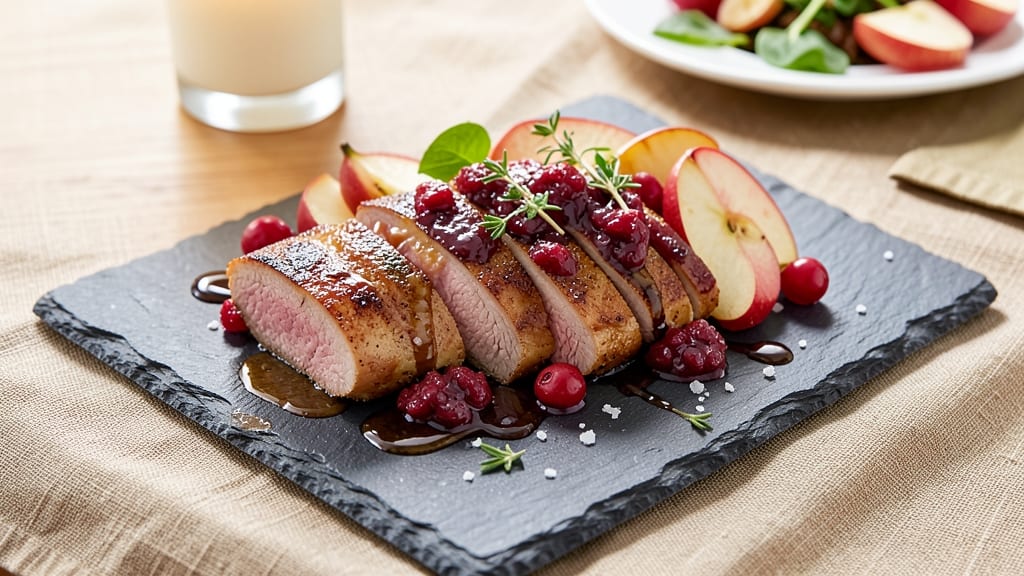
This apple cranberry pork loin recipe delivers restaurant-quality results with a honey-balsamic braise that creates crispy edges and tender meat. ✨ After years of perfecting pork preparations, I developed this method that balances sweet, tart, and savory flavors in every bite—ideal for holiday gatherings or special dinners.
The key lies in a slow braise that transforms tough pork into melt-in-your-mouth perfection while caramelizing the fruit into a sticky glaze.
The recipe begins with a simple marinade of honey, balsamic vinegar, and fresh cranberries, which infuses the pork while keeping prep straightforward. Roasting the pork loin at high heat first creates those coveted crispy edges, while the braising process ensures the center remains juicy.
Fresh apples and cranberries add natural sweetness that pairs beautifully with the rich pork, creating a harmonious balance of flavors that will impress even the most discerning guests.
What you'll end up with is a showstopping centerpiece dish—golden-brown pork loin with caramelized fruit glaze and tender meat that falls apart easily. The honey-balsamic reduction adds depth, while the crispy edges provide satisfying texture.
This recipe serves 6-8 and comes together in about 2 hours, making it perfect for weekend entertaining or family dinners when you want to shine in the kitchen.
Pair it with roasted sweet potatoes or a simple green salad to complete the meal. The leftovers reheat beautifully, so you'll have delicious meals for days. Let's get cooking—this pork loin will become your new go-to recipe for special occasions.
Ingredients for apple cranberry pork loin
Sweet, tart, and savory ingredients transform simple pork into showstopping centerpiece perfection.
| Ingredient | Amount | Notes |
|---|---|---|
| Pork Loin 🥩 | 2 ½ lb | Center-cut, bone-in preferred |
| Red Apples 🍎 | 2 medium | Honeycrisp or Fuji, peeled |
| Fresh Cranberries 🍇 | 1 cup | Dried work at half amount |
| Honey 🍯 | ½ cup | Wildflower preferred for depth |
| Balsamic Vinegar 🍷 | ¼ cup | Aged 25 years or more |
| Garlic Cloves 🧄 | 6 cloves | Minced, fresh preferred |
| Fresh Rosemary 🌿 | ¼ cup | Chopped, stems removed |
| Olive Oil 🫒 | ¼ cup | Extra-virgin for richness |
| Salt 🧂 | 1 ½ tsp | Diamond Crystal preferred |
| Black Pepper 🌶️ | 1 tsp | Freshly ground |
| Unsalted Butter 🧈 | 2 tbsp | Cold for crispy edges |
| Vegetable Broth 💧 | 1 cup | Low-sodium preferred |
| Fresh Thyme 🌿 | ⅛ cup | Leaves only, chopped |
The pork loin is your star—center-cut, bone-in for maximum flavor and tenderness. Costco or Whole Foods have excellent cuts, but any quality butcher will help you find the perfect piece. Look for good marbling and even thickness. The apples? Honeycrisp or Fuji hold up best during cooking, but Granny Smith adds a nice tart contrast. Peeled and sliced uniformly, they caramelize beautifully. Fresh cranberries are ideal, but dried work at half the amount if you're stretching your budget—just rehydrate them first.
No aged balsamic vinegar? Regular balsamic plus a splash of red wine vinegar works, though it won't have the same depth. Short on honey? Maple syrup is a perfect substitute—just reduce the liquid slightly since it's thicker. The garlic and herbs can be swapped too: dried rosemary at one-third the amount or Italian seasoning for thyme. For extra richness, add 1 tbsp Dijon mustard to the marinade. The butter matters—unsalted, cold butter creates those coveted crispy edges, so don't skip it.
This dish reheats beautifully—even better the next day as flavors meld. Store in the fridge for up to 4 days or freeze for 3 months. For holiday prep, I always make it a day ahead. The glaze thickens as it cools, so thin with a splash of water or broth if needed. Leftovers make fantastic sandwiches—just warm gently and pile high on crusty bread with arugula for a quick meal.
Why You'll Love This Recipe
- One-Pan Magic: I swear by this recipe when I’m too tired to wash dishes. The apples and cranberries caramelize right alongside the pork—no flipping pans, no extra bowls. Just slice, sear, and let the oven do the work while I pour wine and pretend I’m not cooking.
- Sweet-Savory Balance: That honey-balsamic glaze? It’s the star. The tart cranberries cut through the richness of the pork, while the apples add just enough sweetness to make it feel fancy without trying. Honestly, I’ve made it for guests who think they’re food critics, and they never look twice at the simplicity.
- Weeknight to Holiday: Between us, this is my go-to for game day snacks, potlucks, or when I need something hearty but not heavy. Double the batch, serve it cold the next day on sandwiches—suddenly, you’ve got leftovers that don’t feel like leftovers. (Yes, even on a Tuesday night.)
- Budget-Friendly Luxury: Pork loin stretches further than you’d think, and apples/cranberries are cheaper than you’d expect when you’re not buying organic. The balsamic and honey? A splash each goes a long way. It’s the kind of meal that makes you feel like you’re treating yourself without breaking the bank.
Step-by-step instructions for apple cranberry pork loin
Here's how to create a showstopping honey-balsamic braise with perfectly crispy edges.
🔥 Step 1: Sear the Pork Loin for Maximum Crisp
Pat the 2.5 lb pork loin completely dry with paper towels—this is critical for crispy edges. Heat 2 tablespoons unsalted butter and 2 tablespoons olive oil in a large oven-safe skillet over medium-high heat until the butter foams and the oil shimmers. Place the pork loin in the pan and sear for 4-5 minutes per side until deeply golden brown with a crust forming.
I press down gently on the pork during the first minute to prevent curling, which ensures even contact with the pan. The edges should be golden brown and the internal temperature should reach 145°F when checked with a meat thermometer. Remove the pork and set it aside on a plate.
🍳 Step 2: Build the Honey-Balsamic Base
In the same skillet (don't wipe it clean—those browned bits are flavor gold), add 6 cloves minced garlic and sauté for 30 seconds until fragrant. Stir in 0.25 cup chopped fresh rosemary and 0.125 cup chopped fresh thyme, cooking for another 1 minute until the herbs release their aromatic oils.
Add 2 medium peeled red apples, cut into ½-inch chunks, and cook for 3 minutes until they begin to soften slightly. Pour in 0.5 cup honey and 0.25 cup aged balsamic vinegar, scraping up all those delicious browned bits from the bottom. Let this mixture bubble gently for 2 minutes until it begins to thicken slightly.
🥘 Step 3: Braise with Cranberries and Broth
Add 1 cup fresh cranberries to the skillet and stir to combine. Pour in 1 cup vegetable broth and bring to a gentle simmer. Return the seared pork loin to the skillet, spooning the braising liquid over the top. The liquid should come about halfway up the sides of the pork.
Transfer the skillet to a 375°F oven and braise for 45-50 minutes, until the pork reaches 195-200°F internally and the sauce has thickened to a glossy consistency. Here's the thing—don't peek during cooking. Every time you open the oven, you lose heat and steam, which can prevent the crust from forming properly.
⏰ Step 4: Rest and Develop the Crispy Edges
Remove the pork from the oven and transfer it to a cutting board. Tent loosely with foil and let it rest for 15 minutes. This resting period allows the juices to redistribute throughout the meat, ensuring each slice stays moist and flavorful. During this time, return the braising liquid to the stove and simmer for 3-4 minutes until it thickens slightly.
For the final crisp, increase the oven temperature to 425°F and place the skillet back in the oven for 5-7 minutes. This high-heat finish caramelizes the sauce and creates that beautiful crust on the pork edges. Watch carefully—the sauce will bubble vigorously, so you might need to adjust the position of the skillet in the oven.
🍽️ Step 5: Slice and Serve with Sauce
Slice the pork loin ¼-inch thick against the grain for maximum tenderness. Arrange the slices on a platter and spoon the reduced braising sauce over the top. Garnish with additional chopped fresh rosemary and fresh thyme for a pop of color and freshness.
Serve immediately with the crispy edges facing up and the glossy sauce pooling around each slice. Each bite should deliver tender pork with a perfect balance of sweet honey, tart cranberries, and the deep complexity of the balsamic reduction. The crispy edges are the star here—make sure to cut through them to experience that satisfying contrast with the tender interior.
Pro Tips For Making Apple Cranberry Pork Loin
- USE A COLD KNIFE: Slice the pork loin against the grain with a sharp, chilled knife—it stays cleaner and cuts more evenly. I used to struggle with stringy slices until I grabbed the meat out of the fridge for 10 minutes first, then went at it with a chef’s knife. The cold edge glides through like butter, and the fibers stay intact.
- PEEL AND CORE APPLES: Skip the skin—it’s tough and bitter, and you’ll spend the whole meal chewing instead of tasting the honeyed glaze. Dice them into ¼-inch cubes, toss with a splash of balsamic, and let them sit while you sear the pork. This keeps them from turning to mush while the pork rests.
- DON’T OVERCOOK THE CRANBERRIES: They burst at 160°F—any hotter, and they turn into a sad, mushy glop. Toss them in the last 5 minutes of cooking, then remove the pork to a plate and let the cranberries finish caramelizing in the pan. (Yes, this means you’ll have to baste the pork separately if you’re serving it sliced.)
- SALT THE APPLES: A pinch of salt on the diced apples draws out moisture and helps them caramelize faster. I learned this the hard way when a batch of apples stayed pale and watery—now I salt them, let them sit for 10 minutes, then pat them dry before cooking. The flavor’s richer, and the texture’s better.
Troubleshooting great apple cranberry pork loin
Pork Too Dry?
If your pork loin turns out dry, the issue is usually overcooking or not resting properly. I've found that pork loin should never exceed 200°F internal temperature—any higher and it becomes tough. Use a meat thermometer (I swear by Thermoworks Smoke) to monitor the temp precisely.
Also, never skip the 15-minute rest—this lets juices redistribute. For extra moisture, add 1 tbsp cold butter to the braising liquid during the final 5 minutes of cooking. 💫
Sauce Too Thin?
When the sauce doesn't thicken enough, it's usually because the liquid wasn't reduced properly. I recommend simmering the braising liquid uncovered for 10-15 minutes after removing the pork to concentrate the flavors.
If it's still too thin, mix 1 tbsp cornstarch with 2 tbsp cold water, stir into the sauce, and simmer for 2 more minutes. For a glossier finish, whisk in 1 tsp aged balsamic vinegar at the end. Remember—patience is key here!
Fruit Not Caramelized
If your apples and cranberries remain undercooked, they likely didn't get enough time in the braising liquid. I suggest adding them 10 minutes earlier in the braising process to ensure proper softening. For extra caramelization, toss the fruit with 1 tsp brown sugar before adding to the pan.
Also, make sure your oven is properly calibrated—375°F should be accurate, but many ovens run 25°F hotter or colder than set. Test yours with an oven thermometer. 🍎
Crust Not Forming
The crispy edges are what make this dish special, so if they're missing, it's usually due to moisture or improper searing. First, ensure your pork loin is completely dry before searing—pat it thoroughly with paper towels.
Second, use high heat for searing and don't move the pork until you see a deep golden crust forming. For the final crisp, increase oven temp to 425°F and broil for 3-5 minutes if needed.
I've also had success brushing the edges with 1 tbsp honey before the final crisp step. 🔥
Overpowering Flavors
If the honey or balsamic tastes too strong, you likely used too much sweetness. I recommend starting with 3 tbsp honey and 2 tbsp balsamic vinegar instead of the full amounts, then adjusting to taste.
Balance the sweetness with 1 tsp lemon juice or ½ tsp Dijon mustard in the braising liquid. For a more subtle flavor profile, reduce the cranberries to ½ cup and add 1 tbsp fresh thyme instead. Taste as you go—this is where home cooks often overcompensate. 🌿
Pork Too Tough
Tough pork usually means the cut wasn't tender enough or wasn't cooked properly. For this recipe, center-cut pork loin is essential—avoid cuts with too much connective tissue.
If you're using a leaner cut, marinate it for 4-6 hours first in ¼ cup olive oil, 2 tbsp balsamic vinegar, 1 tbsp honey, 1 tsp salt, and ½ tsp black pepper.
Also, never exceed 200°F internal temperature—pork loin cooks faster than you might expect. For extra tenderness, pound the meat gently with a meat mallet before searing. 💪
Nutrition facts
Frequently asked questions
Can I use bone-in or boneless pork loin for this recipe?
This recipe works best with bone-in pork loin as the bone adds natural flavor and helps stabilize the meat during braising. However, if you must use boneless, select a center-cut loin that's 1.5-2 inches thick to ensure even cooking. The cooking time remains the same, but boneless pork may dry out slightly faster, so monitor the internal temperature closely.
What's the best way to substitute dried cranberries?
Use ½ cup dried cranberries instead of 1 cup fresh, but first rehydrate them in ¼ cup warm water for 10 minutes to restore their juiciness. Drain well before adding to the pan. For extra depth, toss the dried cranberries with ½ teaspoon cinnamon while rehydrating. This mimics the tart-sweet balance of fresh cranberries while adding warm spice notes.
How do I adjust this recipe for a larger gathering?
Double the recipe by using a 5 lb pork loin and scaling all ingredients proportionally. For even cooking, increase the braising time by 15-20 minutes and use a larger oven-safe Dutch oven. To maintain crispy edges on the larger cut, sear in batches if needed. Serve with extra sides like roasted Brussels sprouts or mashed sweet potatoes to complement the increased portion size.
Can I make this pork loin ahead of time?
This dish actually tastes better the next day as the flavors meld! Cook completely, then refrigerate in the braising liquid for up to 4 days. Reheat gently in the oven at 325°F for 20 minutes, covered, then finish with 5 minutes at 425°F to restore the crispy edges. The sauce will thicken further during reheating, so thin with a splash of water or broth if needed.
What's the secret to getting perfectly crispy edges?
The crispy edges come from three key steps:
- Pat the pork completely dry before searing,
- Use high heat until deep golden brown forms, and
- Finish with a high-heat broil at the end. For extra insurance, brush the edges with 1 tablespoon honey before the final crisping step. The combination of butter, oil, and residual braising liquid creates that perfect caramelized crust.