
Sauces & Condiments
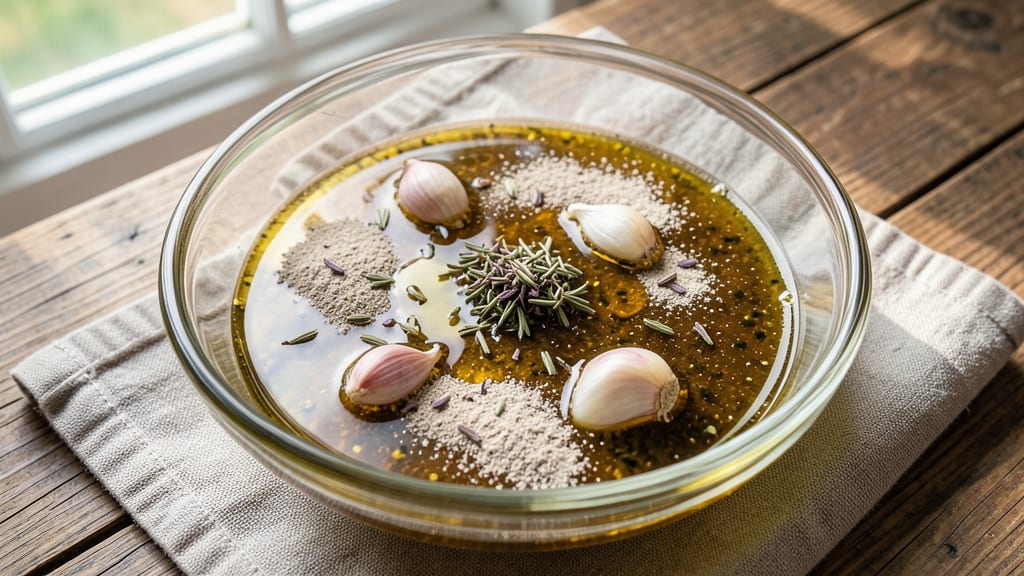
Apple cider vinegar marinade transforms tough cuts into fork-tender perfection—this simple yet powerful blend breaks down meat fibers while infusing bold, tangy flavor. The acidity tenderizes proteins like chicken, pork, or tofu in minutes, while olive oil and herbs create a balanced, restaurant-worthy profile. I developed this marinade after years of testing—it’s the one that finally delivers consistent results without overpowering the natural taste of the meat.
The magic lies in the ratio: apple cider vinegar’s acidity tenderizes while olive oil carries flavor deep into the fibers. Garlic, onion powder, and a touch of honey balance the tang, creating a marinade that works as well for grilled chicken as it does for roasted vegetables.
The best part? It only takes 10 minutes to mix and can be made ahead, so you’re always ready for a flavor-packed meal.
What sets this marinade apart is its versatility—use it for 30 minutes to 24 hours, depending on your protein. For delicate fish, stick to 30 minutes; for tougher cuts like pork shoulder, let it work its magic overnight.
The result? Juicy, flavorful meat with a subtle tang that enhances every bite, not overpowers it. This is the marinade I reach for when I want restaurant-quality flavor without the fuss.
Store leftovers in the fridge for up to 5 days or freeze for 3 months—perfect for meal prep. Whether you’re grilling, roasting, or pan-searing, this marinade elevates simple proteins into standout dishes. Ready to try it? Let’s get started.
Ingredients for apple cider vinegar marinade
Nine simple ingredients transform tough proteins into restaurant-quality tenderness.
| Ingredient | Amount | Notes |
|---|---|---|
| Apple Cider Vinegar 🍏 | ½ cup | Raw, unfiltered preferred |
| Extra-Virgin Olive Oil 🫒 | ½ cup | High-quality, fruity variety |
| Honey 🍯 | 2 tbsp | Raw preferred for depth |
| Garlic Cloves 🧄 | 4 cloves | Freshly minced for potency |
| Onion Powder 🧅 | 1 tbsp | Diamond Crystal preferred |
| Dried Oregano 🍃 | 1 tsp | Mexican oregano for authenticity |
| Dried Thyme 🌿 | 1 tsp | Fresh works too |
| Salt 🧂 | 1 tsp | Kosher or sea salt |
| Black Pepper 🌶️ | ½ tsp | Freshly cracked preferred |
| Worcestershire Sauce 🍶 | 1 tbsp | Vegan if needed |
The apple cider vinegar is the star—look for raw, unfiltered brands like Bragg or Texas Pete for that deep, tangy flavor. Olive oil quality matters too; California Avocado or Bertolli are my go-tos for that fruity punch. Honey should be raw for depth, but any kind works in a pinch. The garlic and onion powder combo is non-negotiable—it balances the acidity perfectly. I always double-check the oregano label for 'Mexican' if I can find it; it's got a different, more complex flavor profile. Fresh herbs if you've got them, dried if you don't—no judgment.
No apple cider vinegar? White vinegar or lemon juice in a 1:1 ratio works, though flavor will differ. Running low on honey? Maple syrup or agave at the same amount keeps things balanced. Fresh garlic but no time to mince? Garlic powder at half the amount gets you close. The Worcestershire sauce adds depth—skip it if you're avoiding soy, but coconut aminos make a decent substitute. For a sweeter marinade, bump the honey to 3 tbsp. For extra heat, add a pinch of cayenne. This marinade is so versatile it works for everything from tofu to steak—just adjust the time based on your protein.
Marinade keeps for 5 days in the fridge, so make a big batch. Store in a sealed jar with a tight lid to preserve the flavors. Freezes beautifully for 3 months—perfect for meal prep. I like to portion it into small containers so I can grab just what I need. The acidity tenderizes proteins best when used within 24 hours, but it's still great after that. For extra flavor, let it sit at room temperature for 10 minutes before using—it wakes up all the aromas.
Why You'll Love This Recipe
- Five-Ingredient Magic: I swear, this marinade is the kind of shortcut that makes me feel like a chef. Just dump apple cider vinegar, olive oil, honey, and a couple of smashed garlic cloves into a bowl—no fancy tools, no stress. The onion powder ties it all together while I’m still scrolling through my phone.
- Tangy-Sweet Balance: Between us, that honey and vinegar combo is chef’s kiss—bright enough to cut through rich meats but sweet enough to make your taste buds dance. Honestly, I’ve tried store-bought marinades, but this one actually tastes like it was made with love (and zero preservatives).
- Works Every Time: Grill night? Weeknight stir-fry? Even a last-minute salad dressing. This marinade doesn’t judge. I’ve used it on chicken, tofu, and even roasted veggies—each time, the flavor pops without overpowering. (Yes, even on a Tuesday night.)
- Stretches Your Budget: A little goes a long way, and the ingredients cost less than half of what fancy marinades do. Plus, whatever’s left? Drizzle it on eggs, mix it into mayo for sandwiches, or toss it with roasted potatoes. Zero waste, all flavor.
Step-by-step instructions for apple cider vinegar marinade
Here's how to create a marinade that tenderizes meat while adding vibrant, tangy flavor.
Whisk Together the Wet Ingredients
In a medium bowl, combine the 0.5 cup apple cider vinegar and 0.5 cup extra-virgin olive oil. I like to use a whisk for this step because it creates a smooth emulsion that coats the meat evenly. The vinegar will start to break down the oil slightly, creating a silky texture that penetrates the meat fibers beautifully.
Next, add the 2 tbsp honey and 1 tbsp Worcestershire sauce. Stir well until everything is fully incorporated. The honey helps balance the acidity of the vinegar while adding natural sweetness that caramelizes during cooking. The Worcestershire sauce brings umami depth that elevates the entire marinade. Let this mixture sit for 5 minutes while you prepare the remaining ingredients - this gives the flavors a chance to meld slightly before adding the dry components.
Incorporate Aromatics and Seasonings
Add the 4 minced garlic cloves, 1 tbsp onion powder, 1 tsp dried oregano, 1 tsp dried thyme, 1 tsp salt, and 0.5 tsp black pepper to the bowl. Stir vigorously with a fork or small whisk until everything is completely combined. You should see the garlic and spices dispersed evenly throughout the marinade.
The key here is thorough mixing - every bite of your meat should get this flavorful punch. I like to press the garlic into the mixture with the back of my spoon to release its oils. This step creates a complex flavor profile where the acidity of the vinegar works with the savory Worcestershire, the sweet honey, and the aromatic herbs to create a marinade that's greater than the sum of its parts.
Test for Balance and Adjust as Needed
Taste the marinade and adjust the seasoning if needed. You might want to add a pinch more salt or a splash of vinegar to intensify the tang. Remember, this marinade works best when the flavors are balanced - you want the acidity to be noticeable but not overpowering, and the sweetness to complement rather than dominate.
This is also a good time to check the consistency. If it's too thick, add 1-2 tablespoons of water to help it cling better to the meat. If it's too thin, you can let it sit uncovered for 10-15 minutes to allow some of the liquid to evaporate. The perfect marinade should coat the back of a spoon with a glossy sheen - this indicates it will adhere well to your protein.
Marinate Your Protein
Place your meat in a resealable plastic bag or shallow dish and pour the marinade over it. For best results, I recommend using this marinade on chicken, pork, or beef - it works particularly well with tougher cuts that need tenderizing. Seal the bag or cover the dish and refrigerate for at least 4 hours, but no longer than 24 hours for optimal results.
The acid in the vinegar begins working immediately to break down muscle fibers, making your meat incredibly tender. However, marinating for too long can actually make the meat mushy. The 4-24 hour window gives you the perfect balance between maximum tenderness and ideal texture. For extra flavor, you can turn the bag occasionally during marinating, but this isn't strictly necessary.
Pro Tips For Making Apple Cider Vinegar Marinade
- STRAIN THE GARLIC: I learned this the hard way—minced garlic in marinades turns bitter fast. Use a garlic press instead of chopping, then strain out the pulp with a fine-mesh sieve. The juice carries more flavor without the harshness, and your protein won’t taste like you’re eating a vinegar-soaked garlic clove.
- WHISK THE OIL FIRST: Pour the olive oil into the bowl before adding vinegar, then whisk like you’re trying to win a bet. The oil creates a protective layer that prevents the vinegar from breaking down the honey’s texture, keeping your marinade silky instead of grainy. (Yes, even if you’re impatient like me.)
- MARINATE COLD, NOT ROOM TEMP: I used to leave this in a warm kitchen, thinking it would work faster—wrong. Vinegar’s acidity works best when the protein’s cold, so refrigerate the mix and the meat together. If you’re short on time, at least keep the bowl in an ice bath while stirring. Your chicken won’t turn to mush.
- SWEETEN THE VINEGAR: The honey-to-vinegar ratio matters more than you’d think. Start with 1:2 (vinegar to honey) and adjust to taste—vinegar’s sharpness can overpower if you’re not careful. For extra depth, add a pinch of smoked paprika or a splash of Dijon. (Your future self will notice the difference.)
Perfect pairings for this apple cider vinegar marinade
Protein Pairings
This marinade shines with chicken thighs—their natural fat content soaks up the tangy flavors beautifully. For a pork shoulder, let it marinate overnight to transform tough cuts into melt-in-your-mouth perfection.
Even tofu benefits from the acidity, gaining texture and depth when marinated for 30-60 minutes. Avoid delicate fish like sole or flounder; the acidity can overpower their subtle flavors. 🍗
Vegetable Enhancers
Use this marinade on portobello mushrooms for a meaty, umami-rich side—grill them for 8-10 minutes per side. Bell peppers and zucchini also absorb the flavors well, especially when roasted at 400°F for 20 minutes.
For extra richness, toss baked sweet potatoes in the leftover marinade before roasting. The honey balances the acidity perfectly on vegetables. 🌶️
Cooking Methods
For grilled meats, pat dry before cooking to ensure a good sear. I recommend medium-high heat for 4-6 minutes per side for chicken, until internal temp hits 165°F. For pan-seared pork chops, use medium heat and cook for 3-4 minutes per side to render fat without burning.
The marinade’s oil creates a natural crust that locks in juices. 🔥
Sauce Adaptations
Simmer leftover marinade in a saucepan for 5-7 minutes to reduce it by half, creating a glossy glaze. Brush this onto grilled meats or drizzle over roasted vegetables. For a dipping sauce, whisk in 2 tbsp Greek yogurt and a pinch of smoked paprika.
The reduced version works perfectly as a taco sauce when mixed with 1 tbsp lime juice. 💫
Unexpected Uses
Mix 2 tbsp of this marinade into homemade salad dressings for a tangy kick. Toss pasta with a spoonful before cooking for bold flavor. Even corn on the cob benefits—brush it on before grilling for 10 minutes.
The Worcestershire sauce adds depth that elevates simple dishes. Store leftovers in the fridge for up to 5 days for quick flavor boosts. ✨
Nutrition facts
Frequently asked questions
Can I use this marinade on fish?
Delicate fish like sole or flounder won't work well—the acidity can overpower their subtle flavors. For heartier fish like salmon or mahi-mahi, marinate for just 15-30 minutes to avoid breaking down the texture. The honey helps balance the acidity, making it safer for fish than pure vinegar-based marinades.
How do I adjust the marinade for spicier flavors?
Add ½ to 1 teaspoon of cayenne pepper or 1 teaspoon of smoked paprika to the dry ingredients. For extra heat, include 1 diced jalapeño or 1 tbsp of hot sauce when mixing. Always taste before marinating—you can reduce heat by omitting the cayenne if needed.
What's the best way to store leftover marinade?
Transfer to an airtight container and refrigerate for up to 5 days. For longer storage, freeze in ice cube trays—thaw overnight in the fridge. The flavors intensify when reduced, so simmer unused portions to make a tangy glaze. Never reuse leftover marinade that touched raw meat without boiling first.
Can I make this marinade without Worcestershire sauce?
Replace it with 1 tbsp soy sauce (or coconut aminos for vegan) plus ½ tsp fish sauce for umami depth. The Worcestershire adds complexity, but these alternatives work well. For a vegetarian option, use 1 tbsp tamari and ½ tsp nutritional yeast instead.
Why did my meat turn out mushy?
Over-marinating (beyond 24 hours) breaks down proteins too much. Also, thin cuts like chicken breasts are more prone to this. For delicate proteins, stick to 30-60 minutes max. Always pat meat dry before cooking to create a better sear and prevent excess moisture.