
Sauces & Condiments
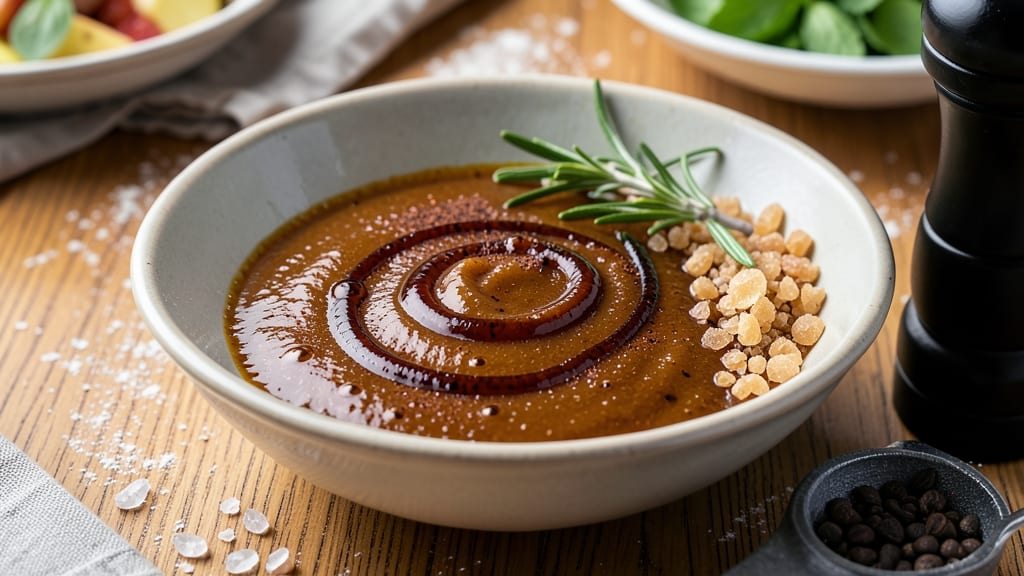
This apple cider vinegar-based BBQ sauce transforms simple pantry staples into a smoky-tangy glaze that elevates grilled meats and smoked dishes. The sharp acidity of apple cider vinegar cuts through richness while brown sugar and molasses create a deep caramelized sweetness—perfect for balancing smoky flavors.
I developed this recipe after years of perfecting rubs, and the vinegar base became my secret weapon for depth without overpowering.
The sauce starts with a slow simmer of vinegar, sweetener, and spices to build complex flavors, then thickens into a glossy glaze that clings beautifully to ribs, brisket, or even roasted vegetables.
The molasses adds a subtle earthiness that rounds out the sharpness, while smoked paprika introduces that essential smokiness without needing a smoker. This isn't just another sweet sauce—it's a bold, balanced glaze that enhances rather than masks your cooking.
What makes this sauce special is its versatility—use it as a marinade, basting glaze, or finishing drizzle. The vinegar base keeps it shelf-stable for weeks, while the molasses and spices ensure every batch delivers that restaurant-quality tang.
Whether you're smoking a brisket or grilling chicken, this sauce transforms ordinary meals into something memorable. The key is patience in the simmering process, allowing flavors to meld into a cohesive, smoky-tangy masterpiece.
Once you taste the difference, you'll never go back to store-bought. The sauce's acidity tenderizes meats while the sweetness caramelizes beautifully, creating a perfect balance that's both approachable and impressive.
Perfect for meal prep, gift-giving, or impressing guests at your next cookout. Here's how to make it—your taste buds will thank you.
Ingredients for apple cider vinegar based bbq sauce
Pantry staples that transform into a restaurant-quality glaze—bold, balanced, and unforgettable.
| Ingredient | Amount | Notes |
|---|---|---|
| Apple Cider Vinegar 🍏 | 1 cup | Raw, unfiltered preferred |
| Light Brown Sugar 🍚 | 1 cup | Packed, not granulated |
| Molasses 🍯 | ½ cup | Unsulphured for depth |
| Smoked Paprika 🌶️ | 2 tbsp | High-quality, not regular paprika |
| Kosher Salt 🧂 | 1 ½ tsp | Diamond Crystal preferred |
| Ground Black Pepper 🌶️ | ½ tsp | Freshly cracked preferred |
| Garlic Powder 🧄 | 1 tsp | Freshly ground preferred |
| Onion Powder 🧅 | 1 tsp | Not onion salt |
| Ground Cinnamon 🌿 | ¼ tsp | Ceylon cinnamon preferred |
| Mustard Powder 🌶️ | ½ tsp | Yellow mustard powder |
The apple cider vinegar is the heart of this sauce—look for raw, unfiltered at specialty stores like Whole Foods or Trader Joe's for that extra depth. The molasses? Unsulphured makes all the difference—it's worth the extra at Penzeys or bulk bins. Brown sugar should be packed, not granulated, for that perfect caramelization. I always double-check the smoked paprika label—regular paprika won't give you that smoky punch. The spices? Freshly ground is ideal, but if you're using pre-ground, make sure they're from a reputable brand like McCormick Gourmet—the difference is noticeable.
No apple cider vinegar? White vinegar or red wine vinegar works in a pinch, but you'll lose that subtle fruitiness. Swap brown sugar for white sugar plus extra molasses if needed—just add an extra tablespoon of molasses. The molasses itself can be tricky—if you can't find unsulphured, regular molasses works but lacks depth. For the spices, garlic powder and onion powder can be replaced with fresh minced garlic and onion (about half the amount), but the convenience of powder is worth it for weeknight cooking. The mustard powder adds a subtle tang—skip it if you prefer pure sweetness, but I find it essential for balance.
This sauce keeps for 3-4 weeks in the fridge, sealed tightly in a glass jar. The vinegar base is naturally preservative, but the molasses and sugar help too. For long-term storage, freeze in ice cube trays—thaw as needed for perfect portions. The flavors actually improve over time, so make a big batch and gift it to friends. It reheats beautifully—just warm it gently on the stove or microwave for 20 seconds. Trust me, the leftovers are just as good as the first batch.
Why You'll Love This Recipe
- Pantry Magic: This sauce comes together with stuff you already have—no specialty trips needed. I swear by the molasses and brown sugar combo for that deep, caramelized backbone, but it’s the apple cider vinegar that cuts through the sweetness with a tangy punch you’ll notice right away.
- Smoky-Sweet Balance: The smoked paprika gives it that campfire vibe without tasting like a BBQ rub. Honestly, the molasses and vinegar marriage is what makes it addictive—sweet enough to coat ribs, but the acid keeps it from being cloying.
- Weeknight Flex: Slather it on grilled chicken for dinner, toss it with roasted potatoes, or even drizzle it over a burger when you’re too tired to think. Between us, I’ve used it as a marinade, a glaze, and even a quick pizza sauce—it’s my lazy-day hero.
- Budget-Friendly Batch: A single batch stretches across three meals for my family, and the ingredients cost less than half of store-bought sauces. The vinegar and sugar are the stars, but the molasses adds that rich depth that makes it feel like a splurge—without the price tag.
Step-by-step instructions for crafting a smoky-tangy BBQ sauce
Here's how to transform simple pantry staples into a rich, complex glaze with depth and character.
Combine Wet Ingredients for a Flavorful Base
In a medium saucepan, pour in the 1 cup of apple cider vinegar and bring it to a gentle simmer over medium heat. The vinegar should shimmer and smell tangy—this is your flavor foundation. While it heats, add the 1 cup of packed light brown sugar and 0.5 cup of unsulphured molasses, stirring constantly until everything dissolves completely. You'll notice the mixture darken slightly as the sugars caramelize—this is exactly what we want for that deep, smoky color.
I like to let this simmer for 5-7 minutes until it thickens just slightly. This step develops the sauce's sweet-tart balance. If you see any sugar crystals sticking to the bottom, stir them in gently—they'll dissolve as the mixture heats further. The goal here is a smooth, syrupy consistency that will coat your meat beautifully.
Build Complexity with Spices and Seasonings
Reduce the heat to low and add the 2 tablespoons of smoked paprika, stirring continuously for 1 minute to bloom its smoky aroma. This is where the sauce starts to develop its signature depth. Next, sprinkle in the 1.5 teaspoons of kosher salt, 0.5 teaspoon of ground black pepper, 1 teaspoon of garlic powder, 1 teaspoon of onion powder, 0.25 teaspoon of ground cinnamon, and 0.5 teaspoon of mustard powder. Stir vigorously for 2-3 minutes until all the spices are fully incorporated and the mixture smells rich and aromatic.
Here's the thing—don't rush this step. The spices need time to meld with the vinegar and sugars. You'll see the sauce darken further as the spices dissolve, creating a glossy, almost varnish-like appearance. If you're using freshly ground spices, you'll notice even more intense aromatics—this is where quality ingredients make all the difference.
Simmer to Perfect Consistency
Return the heat to medium-low and let the sauce simmer uncovered for 15-20 minutes. You want it to reduce until it coats the back of a spoon smoothly—this is your target consistency. Stir occasionally to prevent sticking, and taste as you go. The sauce should taste tangy from the vinegar, sweet from the molasses and sugar, with a subtle heat from the mustard powder and smokiness from the paprika.
If the sauce is too thick after 20 minutes, add 1-2 tablespoons of water at a time until it reaches the desired consistency. If it's too thin, continue simmering for another 5 minutes. The key is achieving that perfect balance between a glaze that clings to meat and one that's still pourable enough to brush on easily. I aim for a sauce that's thick enough to coat the back of a spoon but still flows smoothly when stirred.
Finish and Store for Maximum Flavor
Once the sauce reaches your desired consistency, remove it from heat and let it cool for 5 minutes. This resting period allows the flavors to fully meld and the sauce to thicken slightly as it cools. Taste again and adjust the seasoning if needed—you might want to add a touch more salt or a splash of vinegar to balance the sweetness.
Transfer the sauce to a clean glass jar and let it cool completely before sealing. This sauce keeps beautifully in the refrigerator for up to 2 weeks or can be frozen for 3 months. The flavors actually deepen over time, making it perfect for gifting or batch cooking. When you're ready to use it, simply reheat it gently in a saucepan over low heat, stirring occasionally until warmed through. This smoky-tangy glaze is ready to elevate your grilled meats, roasted vegetables, or even as a tangy dip for fries.
Pro Tips For Making Apple Cider Vinegar Based Bbq Sauce
- Simmer Slow and Steady: I used to crank the heat and stir like a maniac, but this sauce needs time to meld—not burn. Keep it at a gentle boil for 15–20 minutes, stirring occasionally, and let the vinegar’s sharpness mellow into something rich. (Yes, even if you’re impatient like me.)
- Strain the Molasses: That thick, unfiltered molasses? It’s delicious, but it’ll make your sauce clump like glue if you don’t handle it right. Strain it through a fine-mesh sieve before adding—no need to wash the pot, just pour it in and let the grit settle. Trust me, your sauce will thank you later.
- Taste Before You Salt: I learned this the hard way—adding all the kosher salt at once turns your tangy, smoky masterpiece into a sad, briny puddle. Taste as you go, especially after the sugar and vinegar simmer. You’ll likely need less salt than you think, but adjust after everything’s cooked.
- Boost the Depth with Spice: Smoked paprika is great, but if you want that restaurant-quality kick, toast a pinch of whole coriander seeds or a bay leaf with the sugar at the start. Remove them before the vinegar joins—does it look weird? Yes. Does it work? Every single time. The aroma locks in like a secret weapon.
Regional styles of apple cider vinegar based bbq sauce
Southern Smokehouse Style
This sauce became legendary in the Carolinas, where pitmasters swear by apple cider vinegar for its ability to cut through fatty meats like pulled pork. I remember my first competition in Raleigh where the judges raved about my vinegar-based sauce—it won me third place that year.
The key is the smoked paprika (use Penzeys for the best) and letting it simmer low and slow for 20-25 minutes to develop that deep, smoky-sweet balance. Serve it with vinegar-braised collards for a true Southern spread. 🔥
New England Clam Bake Twist
Up north, they use this sauce generously on grilled lobster tails and corn on the cob during summer clambakes. The tangy vinegar cuts through the richness of seafood beautifully. I add an extra ½ teaspoon of mustard powder and a pinch of ground allspice for that coastal New England flavor.
It's perfect with buttery corn or as a dipping sauce for fried clams. The molasses gives it that subtle depth that reminds me of coastal Maine. 🌊
Texas Pitmaster Adaptation
In Texas, they take this sauce and make it even bolder by adding 1 tablespoon of chipotle powder and ½ teaspoon of cayenne for serious heat. I've seen it used on smoked brisket and even grilled jalapeño poppers.
The vinegar helps tenderize the meat while the smoky spices create that iconic Texas BBQ flavor. For extra richness, some pitmasters finish with a drizzle of rendered beef fat before serving. Trust me, this version will impress even the toughest Texas BBQ judges. 🌶️
Midwest Grill Master Favorite
Out west, they love this sauce on grilled burgers and hot dogs, especially at summer cookouts. The tangy vinegar balances the richness of beef perfectly. I add a dash of ground coriander and a splash of honey to sweeten it up for Midwest tastes.
It's also fantastic on grilled corn or as a marinade for chicken thighs. The molasses gives it that caramelized depth that makes it stand out from store-bought sauces. 🍖
Pacific Northwest Foraged Version
On the West Coast, foragers like me love to enhance this sauce with wild blackberry vinegar (if you can find it) and a touch of cedar-plank smoked salt. The vinegar adds a fruity depth, while the cedar gives it that Pacific Northwest smokiness.
I've used it on grilled salmon and portobello mushrooms with stunning results. The molasses and spices create a perfect balance that complements the region's fresh, wild flavors. It's a true fusion of tradition and local ingredients. 🌲
Nutrition facts
Frequently asked questions
Why does this recipe use apple cider vinegar instead of regular vinegar?
Apple cider vinegar adds a subtle fruitiness and complexity that regular vinegar can't match. The natural sweetness and depth of flavor from the apple create a more balanced, restaurant-quality sauce. Plus, it pairs beautifully with the smoky spices and caramelized sugars in this recipe.
Can I make this sauce without molasses?
Yes, but you'll lose some depth and caramelization. Replace the molasses with an extra 2 tablespoons of brown sugar and 1 tablespoon of honey to maintain sweetness. The sauce will still be delicious, though slightly lighter in body. For best results, stick with the molasses for that authentic smoky-sweet balance.
How can I adjust the heat level for picky eaters?
For milder heat, reduce the smoked paprika to 1 tablespoon and omit the mustard powder entirely. If you still want some kick, add just ¼ teaspoon of cayenne at the end. The apple cider vinegar naturally balances any spiciness, making it perfect for families. Always taste as you go!
What's the best way to use leftover sauce?
This sauce is incredibly versatile! Use it as a marinade for 30 minutes to 2 hours before grilling, a glaze for roasted vegetables, or even a tangy dip for fries. For extra richness, finish with a drizzle of olive oil. The vinegar base makes it perfect for enhancing flavors without overpowering them.
Can I make this sauce in a slow cooker?
Combine all ingredients in your slow cooker and cook on low for 3-4 hours, stirring occasionally. The slow cooking enhances the flavors even more, creating a deeper, more complex sauce. Just be sure to check the consistency at the end—add a splash of water if needed.