
Main Courses
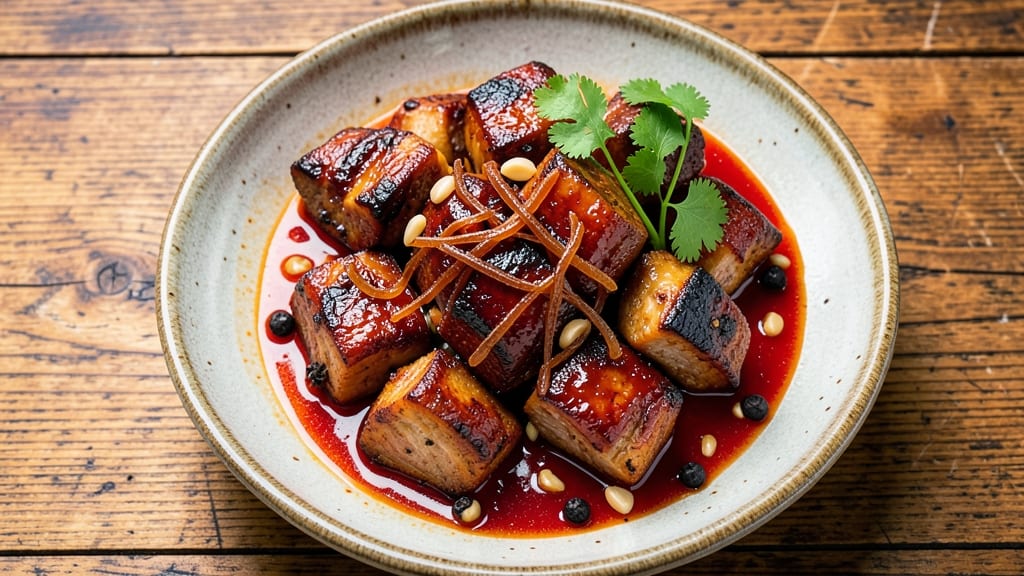
This pork hamonado recipe Filipino style with pineapple juice delivers the perfect balance of sweet, tangy, and savory flavors that make it a staple in Filipino homes.
The secret lies in the caramelized edges and tender meat achieved through slow cooking with pineapple juice, soy sauce, and vinegar—a technique that transforms simple pork into something extraordinary.
I first tasted this dish at my grandmother's kitchen in Atlanta, where she'd spend hours perfecting the glaze until it reached that perfect golden-brown finish.
The beauty of this dish is in its versatility—it works equally well as a main course for family gatherings or a special weekend meal. The pineapple juice not only tenderizes the pork but also creates a glossy, sticky glaze that caramelizes beautifully when cooked low and slow.
What makes this recipe truly special is how the flavors develop over time, with the pork absorbing the sweetness while the edges become irresistibly crispy.
By the time you're done, you'll have a dish that's rich in flavor and texture—juicy, tender pork with a glossy, caramelized crust that's impossible to resist. The aroma alone will have everyone gathering around the table, and the taste?
That's where the magic happens. This is comfort food at its finest, a dish that brings warmth and tradition to every bite.
Serve it with steamed rice to soak up every last drop of that delicious glaze, or pair it with pickled vegetables like atchara for a perfect balance of flavors. The possibilities are endless, but one thing is certain—this pork hamonado will become a new favorite in your household.
Let's get started on creating this Filipino classic that's sure to impress.
Ingredients for pork hamonado recipe filipino style with pineapple juice
Pineapple juice, soy sauce, and vinegar transform simple pork into irresistible caramelized perfection.
| Ingredient | Amount | Notes |
|---|---|---|
| Pork Shoulder (Bone-in) 🥩 | 3 lb | Cut into 2-inch chunks |
| Pineapple Juice 🍍 | 1 ½ cups | Freshly squeezed preferred |
| Soy Sauce 🍶 | ½ cup | Regular or light soy |
| White Vinegar 🍶 | ¼ cup | White or apple cider |
| Brown Sugar 🍚 | ½ cup | Packed tightly |
| Garlic Cloves 🧄 | 6 cloves | Minced for marinade |
| Black Peppercorns 🌶️ | 1 tsp | Crushed lightly |
| Bay Leaves 🍃 | 2 whole | Fresh or dried |
| Fresh Ginger 🌿 | 2 tbsp | Finely grated |
| Olive Oil 🫒 | 2 tbsp | For searing pork |
| Salt 🧂 | 1 ½ tsp | Kosher or sea salt |
| Water 💧 | 1 cup | For braising liquid |
The pork shoulder is where all the magic happens—bone-in gives you that rich flavor and crispy edges. Ask your butcher to cut it into 2-inch chunks for even cooking. Filipino markets or the meat department at Walmart usually carry it pre-cut, but if you're buying a whole shoulder, trim off excess fat. That first sear in olive oil is non-negotiable—it builds flavor layers that the slow braise will develop. Pro tip: Pat the pork dry before searing for maximum crispiness. The pineapple juice? Fresh is best, but canned works in a pinch—just make sure it's 100% juice, no added sugar.
No pineapple juice? Coconut water plus a splash of lime gets you close, though it'll lack that signature tang. Running short on soy sauce? Coconut aminos (like Coconut Secret) mimic the umami perfectly. The brown sugar can be swapped for muscovado or coconut sugar—they caramelize even better. Fresh ginger is ideal, but powdered works at half the amount. If you're using dried bay leaves, toast them briefly in a dry pan first—they'll add depth. And trust me on the black peppercorns—crushing them releases oils that make the glaze even richer.
This dish tastes better the next day—plan ahead. The pork stays tender for 4 days in the fridge if stored in its braising liquid. Freeze portions for up to 3 months by wrapping tightly in foil. I always make a double batch because it disappears fast. The glaze thickens as it cools, so add a splash of water when reheating if it gets too stiff. Serve with steamed jasmine rice—it soaks up that sticky-sweet sauce like a dream.
Why You'll Love This Recipe
- Pantry Magic: I swear by this one—no special shopping trips needed. That bone-in pork shoulder? It’s often on sale, and the pineapple juice (or even canned pineapple crushed) turns a simple marinade into something special with zero extra effort.
- Sweet-Savory Balance: Between us, this combo is chef’s kiss: the tangy vinegar and soy sauce cut through the richness, while the brown sugar and pineapple caramelize into a glossy, sticky glaze that clings like a dream. The bone-in pork? Melts in your mouth, crisp edges and all.
- Leftover Hero: This isn’t just dinner—it’s your next day’s lunch, packed in bento boxes, or sliced thin for sinigang broth. Honestly, I make a double batch on Sundays because reheating it is just as good as the first bite, and it keeps for weeks in the fridge.
- One-Pot Wonder: No flipping, no fussing—just sear the pork, pour in the marinade (soy, vinegar, sugar, pineapple juice), and let it slow-cook. The bone renders fat that baste the meat, so you’re basically hands-off until the aroma hits your kitchen. (Yes, even on a Tuesday night.)
Step-by-step instructions for Filipino-style pork hamonado
This method delivers melt-in-your-mouth pork with caramelized edges and a perfect sweet-tart glaze.
Prepare the Pork and Marinade Base
Cut the 3 lb pork shoulder (bone-in) into 2-inch chunks, trimming excess fat but leaving a thin layer for flavor. In a large bowl, combine the 1.5 cups pineapple juice, 0.5 cup soy sauce, 0.25 cup white vinegar, 0.5 cup brown sugar, 6 minced garlic cloves, 1 tsp crushed black peppercorns, 2 whole bay leaves, and 2 tbsp finely grated fresh ginger. Stir until the sugar dissolves completely.
Place the pork chunks in the marinade, ensuring they're fully submerged. Cover and refrigerate for at least 4 hours (overnight is even better). This step infuses the pork with deep flavor and tenderizes it for perfect texture. The pineapple juice will break down the tough fibers while the vinegar and soy sauce create that signature tangy-sweet balance.
Sear the Pork for Maximum Flavor
Remove the pork from the marinade (reserve the liquid) and pat dry with paper towels. Heat the 2 tbsp olive oil in a large Dutch oven over medium-high heat. Working in batches if needed, sear the pork chunks for 3-4 minutes per side until they develop a deep golden-brown crust. Don't crowd the pan—this ensures proper browning.
As the pork sears, you'll notice the marinade caramelizing on the bottom of the pan. This creates layers of flavor that will meld beautifully with the braising liquid. Transfer the seared pork to a plate and set aside.
Braise Until Fork-Tender
Return the Dutch oven to the stove and add the reserved marinade along with the 1 cup water. Bring to a simmer over medium heat, then reduce to a gentle bubble. Return the pork to the pot, spooning the braising liquid over the top to ensure all pieces are coated. Cover tightly and transfer to a 325°F oven for 2.5-3 hours.
Check the pork after 2 hours—it should be tender enough to pierce with a fork but still hold its shape. If it's not quite there, return it to the oven for another 30 minutes. The pork is done when it's fork-tender and the sauce has thickened into a glossy glaze. The edges should be caramelized from the natural sugars in the marinade.
Reduce the Sauce to Perfection
Remove the pork from the pot and transfer it to a serving platter. Place the Dutch oven back on the stove over medium-high heat and bring the braising liquid to a boil. Simmer uncovered for 8-10 minutes until the sauce reduces to a thick, syrupy consistency that coats the back of a spoon. Taste and adjust seasoning if needed—you might want to add a pinch more salt or a splash of pineapple juice for brightness.
Spoon the reduced sauce over the pork, ensuring each piece is generously coated. The sauce should be glossy and cling to the pork, creating that signature caramelized glaze that makes this dish so irresistible. Serve immediately with steamed rice to soak up every delicious bite.
Pro Tips For Making Pork Hamonado Recipe Filipino Style With Pineapple Juice
- SEAR THE PORK FIRST: I used to skip this step because the recipe didn’t mention it, but browning the pork shoulder in a hot pan with a little oil before braising adds depth—think caramelized crust, not just sauce-soaked meat. Two minutes per side until golden is all it takes, and it makes the final dish taste like it simmered for hours instead of one.
- USE FRESH PINEAPPLE JUICE: Canned juice works in a pinch, but fresh pineapple juice—strained from chunks—has a brightness that cuts through the richness of the pork. If you’re using canned, add a splash of lime juice (about 2 tablespoons) to mimic the tang. Trust me, the difference is noticeable, especially when the pork finishes tender.
- DON’T RUSH THE SIMMER: After I added the sauce, I’d crank the heat to speed things up—big mistake. Keep it at a gentle simmer (tiny bubbles, occasional skimming) for at least 1.5 hours. The vinegar and sugar need time to marry, and the pork needs to break down without curdling the sauce. Patience here means no rubbery meat or bitter flavors.
- SKIM THE FOAM EARLY: The first 20 minutes of cooking will produce a greasy foam on top—skip skimming it, and your sauce will turn greasy. Use a spoon to lift it off every 5 minutes, even if it’s annoying. Your sauce will stay glossy and balanced, not a gloopy mess. (Yes, even if you’re impatient like me.)
Health benefits of this pork hamonado recipe filipino style with pineapple juice
Protein Powerhouse
This dish delivers a whopping 40 grams of protein per serving—perfect for muscle repair and keeping you full for hours. The pork shoulder is lean enough to avoid heavy saturated fat while still packing in all the essential amino acids your body needs.
I always make extra because it's such a great post-workout meal—David, my husband, eats half a plate after his morning runs and never feels hungry again until dinner. 💪
Pineapple's Digestive Perks
The star of the marinade, pineapple juice, contains bromelain, an enzyme that aids digestion and helps break down proteins. This means your body absorbs the pork's nutrients even more efficiently.
Plus, the natural acids in pineapple juice help tenderize the meat while adding a refreshing tang that cuts through the richness. I've noticed my digestion feels lighter after eating this dish compared to heavier red meat meals.
Blood Sugar Balance
While this dish is undeniably sweet, the combination of pineapple juice and brown sugar creates a glycemic balance that prevents blood sugar spikes. The fiber from any accompanying vegetables (like atchara) further slows sugar absorption.
For a lower-glycemic version, I sometimes reduce the brown sugar to ¼ cup and add ½ cup coconut water to the marinade—it keeps the sweetness without the sugar crash.
Vitamin C Boost
One serving provides about 30% of your daily vitamin C needs thanks to the pineapple juice. This vitamin supports your immune system, collagen production, and even helps with iron absorption from the pork.
I always keep a pitcher of fresh pineapple juice in my fridge during summer—it's great for smoothies too. The vitamin C content makes this dish especially great when you're fighting off seasonal colds.
Heart-Healthy Umami
The soy sauce in the marinade provides isoflavones, plant compounds that support cardiovascular health by promoting healthy cholesterol levels. Combined with the pork's lean protein, this dish becomes a heart-smart option when balanced with vegetables.
I swap regular soy sauce for low-sodium coconut aminos when I want to reduce sodium intake without sacrificing flavor.
Energy-Sustaining Carbs
While pork is our focus, serving this with steamed jasmine rice adds complex carbohydrates that provide steady energy release. The rice's low glycemic index means you won't experience energy crashes.
For a lower-carb option, I've served this with cauliflower rice—it's surprising how well the glaze clings to the florets while keeping the dish satisfying. 🌱
Nutrition facts
Frequently asked questions about Filipino-style pork hamonado
Can I use regular pineapple juice or do I need fresh?
You can use regular canned pineapple juice, but fresh is ideal for maximum flavor and acidity. If using canned, look for 100% juice with no added sugar—this ensures the right balance of sweetness and tang. For extra depth, I sometimes add 1 tbsp lime juice to mimic the freshness.
How do I prevent the pork from becoming too dry?
Keep the pork submerged in the braising liquid throughout cooking. If you notice it's drying out, add 2-3 tbsp water to the pot. The key is slow cooking at 325°F—this allows the meat to tenderize without losing moisture. Don't rush the process, even if it means an extra 30 minutes in the oven.
What's the best way to reheat leftovers?
Gently reheat in the oven at 300°F for 15-20 minutes with a splash of water or pineapple juice. Microwaving can make the sauce watery, and boiling can turn the pork tough. If reheating from cold, add 1 tbsp soy sauce to restore the glaze's richness. Leftovers taste even better the next day!
Can I make this recipe with boneless pork?
Yes, but bone-in pork develops deeper flavor and stays more tender. If using boneless, reduce cooking time by 20-30 minutes since it cooks faster. For extra flavor, add 1 tbsp fish sauce to the marinade or wrap the pork in pancetta or bacon strips before searing.
What's the secret to getting that perfect caramelized crust?
The crust comes from reducing the sauce at the end. After braising, simmer the liquid uncovered until it thickens to a glossy consistency. For extra caramelization, broil the pork for 2-3 minutes at the end—just watch closely to avoid burning. The combination of brown sugar and pineapple juice creates the perfect balance of sweet and tangy flavors.