
Sauces & Condiments
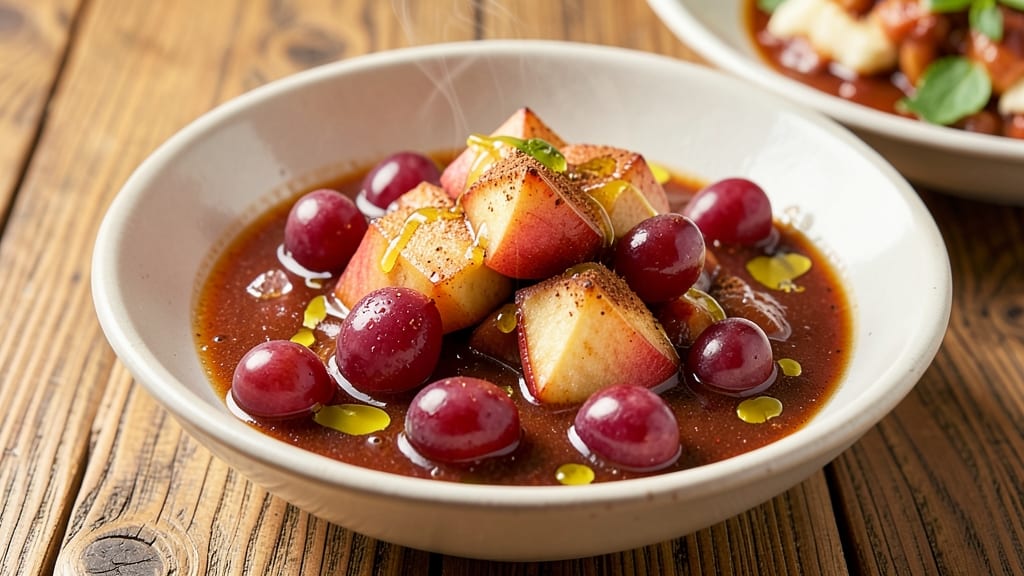
This grape apple sauce recipe transforms simple fruit into a versatile condiment that bridges sweet and savory dishes with effortless elegance.
The secret lies in balancing tart apples and sweet grapes—just simmer them until they break down into a silky, fragrant puree that’s perfect for drizzling over grilled meats, salads, or even yogurt.
I developed this recipe after realizing how often I reached for store-bought sauces that lacked depth, and this homemade version delivers complexity with just five core ingredients.
The process is straightforward: core and chop the apples, pit the grapes, then combine them with a touch of lemon juice and cinnamon for warmth. Simmering gently preserves the fruit’s natural sweetness while extracting rich, jammy flavors.
What makes this sauce special is its adaptability—sweeten it further for desserts or add a pinch of salt and herbs for savory applications. The texture is smooth yet vibrant, with pockets of fruit that add freshness to every bite.
What you’ll end up with is a sauce that’s restaurant-quality but simple enough for weeknight meals. It keeps beautifully in the fridge for up to a week, making it ideal for meal prep.
The subtle tartness cuts through rich dishes, while the natural sweetness makes it a crowd-pleaser for both sweet and savory cravings. Whether you’re elevating a summer salad or pairing it with roasted pork, this sauce adds a touch of sophistication without the fuss.
For extra versatility, try infusing it with vanilla or ginger for desserts, or a splash of balsamic vinegar for a tangy twist on meats. The possibilities are endless, but the foundation remains the same: a harmonious blend of grape and apple that’s as functional as it is delicious.
Let’s get started!
Ingredients for grape apple sauce
Five ingredients transform humble fruit into a versatile sauce perfect for salads and meats.
| Ingredient | Amount | Notes |
|---|---|---|
| Red Apples 🍎 | 4 medium | Honeycrisp or Fuji preferred |
| Red Seedless Grapes 🍇 | 1 ½ lb | Thompson or Flame variety |
| Fresh Lemon Juice 🍋 | 2 tbsp | From 1 small lemon |
| Ground Cinnamon 🌿 | 1 tsp | Freshly ground preferred |
| Granulated Sugar 🍚 | 2 tbsp | Adjust to taste |
| Extra-Virgin Olive Oil 🫒 | 1 tbsp | For glossy finish |
| Sea Salt 🧂 | ½ tsp | Fine grain preferred |
The apples and grapes are the stars here. Honeycrisp or Fuji apples hold their shape while cooking, but any crisp variety works—just avoid mealy ones. For grapes, seedless red grapes are ideal (Thompson or Flame), but green grapes add a different twist. I always buy grapes in season from local farmers markets where they're fresher, but the grocery store bins work too. Look for grapes that are plump and firm, with no wrinkles or soft spots. The lemon juice is key—freshly squeezed brightens the whole sauce, but bottled works in a pinch if you're short on time.
No Honeycrisp apples? Gala or Pink Lady are great substitutes—they're sweeter so you might reduce the sugar slightly. Grapes too expensive? Substitute with 1 cup of apple juice, but you'll lose that lovely fruit texture. The cinnamon adds warmth, but if you're serving this with pork or other spiced dishes, you can skip it entirely. Need more sweetness? Maple syrup or agave work beautifully instead of sugar. For a savory twist, add a pinch of balsamic vinegar or a dash of fresh thyme—both pair wonderfully with meats.
This sauce keeps for about 1 week in the fridge, though it tastes even better the next day as flavors meld. For longer storage, portion into ice cube trays and freeze—perfect for single servings. The olive oil on top creates a protective seal, keeping the sauce vibrant. I always make double batches because it disappears fast—great for meal prep. If it thickens too much, just stir in a splash of water or apple juice. The texture should be silky but still have little pockets of fruit for freshness.
Why You'll Love This Recipe
- No-Fuss Simplicity: I swear by this recipe because it’s basically hands-off after the chopping. Toss those apples and grapes into a pot, add a splash of water, and let them simmer while you handle the rest of dinner—no peeling, no fancy techniques, just pure convenience.
- Sweet-Tart Magic: That balance of juicy grapes and crisp apples, brightened by lemon juice and warmed with cinnamon? It’s like autumn in a bowl. Honestly, the sugar isn’t even needed—it’s naturally addictive.
- Pantry Staple Power: Between us, this sauce is my go-to for lazy days. Use it as a dip for crackers, stir it into oatmeal, or drizzle it over yogurt—it’s the kind of thing that makes you wonder why you didn’t think of it sooner.
- Make-Ahead Miracle: Simmer a big batch on Sunday, and you’ve got a ready-to-use sauce for the week. It keeps well in the fridge, freezes beautifully, and cuts grocery costs by stretching a few ingredients into something everyone loves. (Yes, even on a Tuesday night.)
Step-by-step instructions for grape apple sauce
This sweet-tart sauce comes together in minutes with fresh fruit and simple pantry staples.
Prep and Cook the Apples
Core the 4 medium red apples and cut them into ½-inch chunks, leaving the skins on for texture. Place them in a medium saucepan with 2 tablespoons fresh lemon juice—this prevents browning and adds brightness. Cook over medium-high heat for 5-6 minutes, stirring occasionally, until the apples soften but still hold their shape. You want them tender enough to mash easily but not mushy.
Here's the thing—if you see any liquid forming, reduce the heat slightly to medium and let it simmer gently. The goal is to break down the apples just enough so they'll blend smoothly later. I like to press a chunk between my fingers at this stage to check for doneness. If it squishes easily but still has a little bite, it's perfect.
Add Grapes and Simmer
While the apples cook, remove the stems from the 1.5 lb red seedless grapes and cut them in half. Add them to the saucepan with the apples and stir gently. Increase heat to medium-high again and let the mixture simmer uncovered for 8-10 minutes, stirring every couple of minutes. You'll see the grapes soften and release their juices, creating a fragrant, fruity aroma that fills your kitchen.
Watch for the sauce to thicken slightly—it should coat the back of a spoon but still be loose enough to spoon easily. If it starts to stick or burn, add 1-2 tablespoons water to keep it moving. This step builds the sauce's natural sweetness while balancing the tartness from the lemon juice.
Season and Finish
Reduce heat to low and stir in the 2 tablespoons granulated sugar, 1 teaspoon ground cinnamon, and ½ teaspoon sea salt. Let the mixture simmer for 3-4 minutes, stirring occasionally, until the sugar dissolves completely. Taste and adjust the sweetness—if it needs more, add another ½ teaspoon sugar at a time.
This is where the magic happens. The cinnamon deepens the flavor, while the salt cuts through the sweetness, creating that perfect sweet-tart balance. The sauce should be vibrant and glossy, with a consistency between a chunky compote and a smooth sauce. If it's too thick, thin it with a splash of water or apple juice.
Glaze and Serve
Remove the saucepan from heat and stir in the 1 tablespoon extra-virgin olive oil. This adds a silky finish and helps the sauce cling beautifully to salads, meats, or pancakes. Let it cool for 5 minutes—the flavors will meld even more during this time.
For a glossy finish, transfer the sauce to a blender or food processor and pulse until smooth, or leave it slightly chunky for texture. Serve warm over grilled chicken, drizzled over fresh greens, or spooned alongside roasted pork. The sauce keeps well in the refrigerator for up to 5 days, making it perfect for meal prep.
Pro Tips For Making Grape Apple Sauce
- PEEL AND CORE APPLES FAST: Use a paring knife to slice off the peel in one long spiral strip—no peeler required. For speed, cut the apple in half first, then slice the core out in one clean motion with a sharp knife. (I used to waste minutes with a corer, then realized this works just as well.)
- COOK GRAPES UNTIL THEY BURST: Simmer the grapes for 8–10 minutes until they split open and release their juice—this is when the sauce gets thick and flavorful. If you rush it, you’ll end up with a watery mess. (Yes, even if you’re impatient like me.)
- ZEST LEMON FIRST, JUICE LATER: Grate the lemon zest directly into the pot while the apples cook—it softens into the sauce instead of floating on top. Add the juice at the end to brighten the finished flavor without over-acidifying. (I learned this the hard way after serving a sauce where the zest clumped like confetti.)
- SWEETEN WITH CINNAMON FIRST: Toast the cinnamon in a dry pan for 30 seconds until fragrant, then add it to the simmering fruit. This deepens its warmth before the sugar dissolves. (Sounds weird, but it works—trust the process.)
Best sauces and condiments for this grape apple sauce
Sweet-Savory Balance
This grape apple sauce shines as a glaze for roasted pork—simply brush 2 tablespoons over the meat during the last 10 minutes of cooking. The natural sweetness caramelizes beautifully, while the acidity cuts through the fat.
I love using it on bone-in pork chops or shoulder cuts for extra flavor. For a restaurant-worthy touch, finish with a sprinkle of fresh thyme or crispy prosciutto bits. 🔥
Salad Enhancer
Drizzle 1-2 tablespoons of chilled sauce over mixed greens with nuts and cheese for a refreshing twist. The sweet-tart profile pairs perfectly with arugula, spinach, or butter lettuce.
I often toss it with shaved fennel and pear slices for a seasonal salad. For extra crunch, add toasted pecans or pumpkin seeds—they contrast the sauce's smoothness beautifully.
Yogurt Drizzle
Thin the sauce slightly with 1 teaspoon water and drizzle over Greek yogurt or cottage cheese for a breakfast or snack upgrade. The combination works especially well with vanilla yogurt and a sprinkle of granola.
For a protein boost, add a pinch of cardamom or cinnamon to the yogurt before mixing. This makes a fantastic overnight oats topping too!
Cheese Pairing
Use this sauce as a dipping sauce for soft cheeses like brie, goat cheese, or ricotta. The acidity balances the creaminess, making it perfect for cheese boards or appetizers.
I like to serve it with warm baguette slices for dipping. For a savory twist, add a dash of black pepper or smoked paprika to the sauce before serving.
Dessert Topping
Warm the sauce slightly and spoon it over vanilla ice cream, pancakes, or waffles for a fruity dessert. The cinnamon in the sauce adds warmth that complements cold treats beautifully. For extra flair, top with candied walnuts or fresh berries.
It’s also a fantastic pie filling—simmer the sauce longer until thicker, then bake in a crust with a sprinkle of oats for texture.
Savory Twist
For a savory version, reduce the sugar to 1 tablespoon and add 1 teaspoon balsamic vinegar and ½ teaspoon black pepper. This works wonderfully as a drizzle for grilled vegetables or a marinade for chicken thighs.
The tangy-sweet balance elevates simple dishes instantly. Try it on roasted carrots or grilled asparagus** for a summer side dish. 🌟
Nutrition facts
Frequently asked questions
Can I use green grapes instead of red for this sauce?
Green grapes add a slightly different flavor profile—more herbal and less sweet than red varieties. They work beautifully in this sauce, though you may want to add an extra ½ teaspoon of sugar to balance their tartness. The texture remains the same, but the color will be lighter and more vibrant.
How do I adjust the sweetness for a savory application?
For a savory version (like glazing meats or drizzling on salads), reduce the sugar to 1 tablespoon and add 1 teaspoon balsamic vinegar or ½ teaspoon black pepper. The acidity and spice will enhance the fruit's natural tartness without overpowering it. Taste as you go—you can always add more vinegar or pepper after cooking.
Can I make this sauce ahead of time?
This sauce tastes even better the next day as the flavors meld! Store it in an airtight container in the fridge for up to 5 days. For longer storage, freeze it in ice cube trays—perfect for single servings. Reheat gently in a saucepan over low heat or microwave in 20-second bursts to maintain its texture.
What’s the best way to use up leftover sauce?
Leftover sauce is incredibly versatile! Drizzle it over grilled meats, mix into yogurt or oatmeal, or use as a dipping sauce for cheese. For a quick dessert, warm it slightly and spoon over vanilla ice cream or pancakes. The possibilities are endless—don’t let it go to waste!
Why did my sauce turn out too thick?
If your sauce is too thick, simply stir in 1-2 tablespoons of water or apple juice while warming it gently. The sauce should coat the back of a spoon but still be pourable. For a smoother texture, blend it briefly with an immersion blender. If it’s too thin, simmer uncovered for 3-5 minutes to reduce the liquid naturally.