
Sauces & Condiments
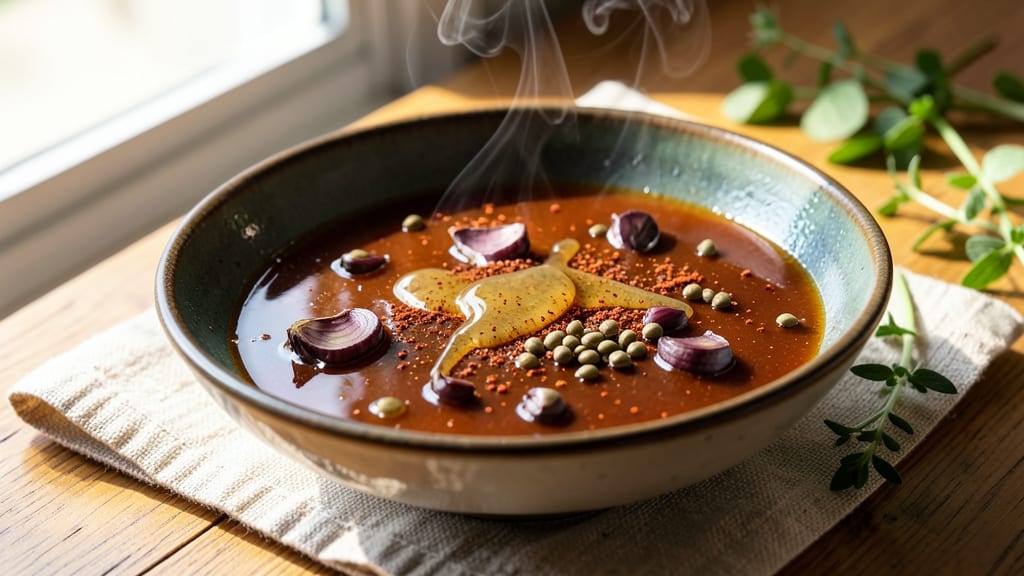
This apple cider vinegar cayenne pepper and honey recipe transforms simple pantry staples into a bold, versatile glaze that elevates grilled meats, roasted vegetables, and salads with just a few ingredients.
The tangy sharpness of apple cider vinegar cuts through richness, while cayenne pepper adds a controlled heat that builds with every drizzle. I developed this recipe after craving a sauce that balanced sweetness and spice without overwhelming the dish—it’s become my go-to for adding depth to weeknight meals.
The beauty of this glaze lies in its simplicity: just three core ingredients—apple cider vinegar, cayenne pepper, and honey—come together to create a sauce that’s both restaurant-worthy and effortless.
For extra complexity, you can enhance it with garlic, Dijon mustard, or a pinch of smoked paprika, but the base recipe delivers restaurant-quality flavor in under 5 minutes.
The key is simmering the mixture until it thickens slightly, ensuring the cayenne’s heat and the honey’s sweetness meld into a cohesive, glossy finish.
What makes this sauce truly special is its versatility—drizzle it over grilled chicken or pork for a sticky, spicy crust, toss it with roasted Brussels sprouts for a tangy bite, or use it as a salad dressing that wakes up greens with every drop.
The balance of flavors ensures it works as a marinade, glaze, or finishing sauce, making it a pantry essential for any home cook. Once you try it, you’ll never reach for store-bought again.
Store the glaze in an airtight container in the refrigerator for up to 2 weeks, or freeze it for longer shelf life. The flavors deepen over time, so it’s perfect for making ahead and using throughout the week.
Whether you’re grilling, roasting, or simply looking to elevate a simple salad, this sauce delivers bold, balanced flavor with minimal effort. Let’s get started!
Ingredients for apple cider vinegar cayenne pepper and honey
Three core ingredients plus a few pantry extras. Game-changer for grilled meats and salads.
| Ingredient | Amount | Notes |
|---|---|---|
| Apple Cider Vinegar 🍏 | ½ cup | Raw, unfiltered preferred |
| Cayenne Pepper 🌶️ | 1 tbsp | Adjust for desired heat |
| Honey 🍯 | ½ cup | Wildflower or clover variety |
| Garlic Cloves 🧄 | 2 cloves | Minced for depth |
| Dijon Mustard 🥬 | 1 tbsp | For tangy complexity |
| Smoked Paprika 🌶️ | ½ tsp | Optional for smoky flavor |
| Salt 🧂 | ½ tsp | Kosher or sea salt |
The apple cider vinegar is non-negotiable—Bragg or Texas Pete are my go-tos, but any raw, unfiltered kind works. Look for labels that say 'with the mother' for extra depth. Honey? Local wildflower adds complexity, but clover works fine. The cayenne is where you control the heat—start with 1 tbsp and adjust. If you're feeling fancy, grab smoked paprika from Penzeys for that extra layer of flavor, but it's totally optional. The garlic and mustard are the secret players—don't skip them, even if the intro says the base is simple.
No apple cider vinegar? White vinegar or balsamic in a pinch, but the flavor won't be identical. Cayenne too spicy? Swap for red pepper flakes at half the amount. Running low on honey? Maple syrup works 1:1, but it'll be less floral. The mustard is the tangy bridge between sweet and spicy—Dijon is best, but yellow mustard in a squeeze bottle is a decent backup. For extra richness, stir in 1 tbsp of olive oil at the end. This sauce is so flexible it'll eat just about any substitution you throw at it.
This glaze keeps for 2 weeks in the fridge, sealed tight. The flavors actually get better over time—trust me, it's worth making a double batch. For longer storage, freeze in ice cube trays, then transfer to a bag. Thaw overnight in the fridge or microwave for 20 seconds. Pro tip: Drizzle it over warm grilled meats or roasted veggies right out of the fridge—the contrast is next-level. If it thickens too much, just add a splash of water or vinegar to loosen it up.
Why You'll Love This Recipe
- Five-Ingredient Magic: I swear by this combo—just stir, taste, adjust. No peeling, no chopping, no fancy tools. The garlic cloves get minced in seconds, the vinegar cuts through everything, and boom, you’re done.
- Sweet Heat Balance: That cayenne gives it a little kick, but the honey smooths it out perfectly. Honestly, the Dijon mustard ties it all together—tangy, rich, and just complex enough to make you go back for more.
- Dress-Up Anything: Drizzle it on roasted veggies, toss it into a grain bowl, or even stir it into yogurt for a spicy-sweet dip. I’ll be real: it’s my go-to for when I’m bored of basic seasoning.
- Lasts All Week: Make a big batch—it keeps in the fridge for days without spoiling. Between us, I’ve used this as a marinade, a salad dressing, and even a glaze for chicken. Budget-friendly? Absolutely. Versatile? Even more so.
Step-by-step instructions for spicy-sweet apple cider glaze
This tangy, fiery-sweet glaze comes together in minutes and transforms grilled meats or salads instantly.
Combine Vinegar and Honey for the Base
In a medium saucepan, pour in the 0.5 cup apple cider vinegar and bring it to a gentle simmer over medium heat. I like to use raw, unfiltered vinegar here—it adds a deeper complexity to the flavor. Let it bubble for 2-3 minutes until it starts steaming, then immediately remove it from the heat.
Next, slowly whisk in the 0.5 cup honey while the vinegar is still hot. This helps the honey dissolve completely and creates a smooth base. If you're using wildflower honey, you'll notice a slightly floral note that pairs beautifully with the vinegar's tang. Stir continuously for 1-2 minutes until the mixture becomes translucent and slightly thickened.
Add Aromatics and Build Depth
Return the pan to low heat and add the 2 minced garlic cloves, 1 tbsp Dijon mustard, and 0.5 tsp smoked paprika. The Dijon mustard adds a subtle tang that cuts through the sweetness, while the smoked paprika introduces a warm, earthy depth. Let the mixture simmer gently for 3-4 minutes, stirring often, until the garlic is fragrant but not browned.
Here's where the magic happens: the smoked paprika will start to bloom, releasing its aroma and giving the glaze that signature smoky undertone. If you're sensitive to heat, taste the mixture now—you can adjust the 1 tbsp cayenne pepper later if needed. Keep the heat low to prevent the honey from burning, which would make the glaze bitter.
Incorporate Cayenne and Salt for Balance
Reduce the heat to lowest setting and sprinkle in the 1 tbsp cayenne pepper and 0.5 tsp salt. Stir immediately to distribute the spices evenly. The cayenne will dissolve into the warm liquid, creating a smooth, fiery kick rather than grainy flecks. Let the mixture simmer for another 2-3 minutes, stirring constantly to prevent sticking.
This is the moment to taste and adjust. The glaze should balance sweet, tangy, and spicy flavors. If it's too sweet, add a splash more vinegar. If it's too sharp, stir in a little more honey. The salt should enhance all the flavors without overpowering them. Once balanced, remove the pan from heat completely—any further cooking will concentrate the flavors too much.
Strain and Use Immediately
For the smoothest glaze, strain the mixture through a fine-mesh sieve into a bowl, pressing gently with a spoon to extract all the liquid. This removes any garlic bits and creates a silky texture. The glaze should coat the back of a spoon with a glossy sheen. If it's too thick, whisk in 1-2 teaspoons of hot water to reach your desired consistency.
Use the glaze immediately for best results. For grilled meats, brush it on during the last 5 minutes of cooking. For salads, drizzle it just before serving to maintain that fresh, vibrant flavor. The glaze keeps well in the refrigerator for up to 1 week, but I find it's always best fresh—especially when paired with smoky grilled chicken or crisp salad greens.
Pro Tips For Making Apple Cider Vinegar Cayenne Pepper And Honey
- STIR THE HONEY FIRST: Mix the honey into the vinegar before adding cayenne—this prevents the pepper from clumping into a gritty paste. I learned this the hard way when my first batch had texture issues, and now I always add honey first, then stir like I’m dissolving sugar.
- USE RAW GARLIC (AND SMASH IT): Peel and smash the garlic cloves with the flat side of your knife—this releases more flavor than mincing. I was skeptical until I tried it; the raw, broken cells give a punchier taste than pre-chopped store-bought garlic.
- DILUTE THE CAYENNE GRADUALLY: Start with half the cayenne, taste, then add the rest—this keeps the heat balanced. I’ve ruined batches by dumping all the pepper in at once, so now I adjust in small increments, especially if I’m serving it to guests who aren’t fans of spice.
- WARM THE VINEGAR FIRST: Heat the apple cider vinegar to just below simmer (about 160°F) before mixing—this helps the honey blend smoothly and mellows the sharpness. Sounds weird, but it works: cold honey and vinegar separate, and the flavor comes together better when they’re both warm.
Pro cooking tips for great apple cider vinegar cayenne pepper and honey
Heat Control Mastery
Simmering this glaze at low heat is absolutely critical—too much heat will burn the honey and turn it bitter. I use a medium-low flame and stir constantly to prevent scorching. If your pan is too hot, the vinegar will evaporate too quickly, leaving you with a thick, syrupy mess.
For even better control, use a stainless steel saucepan—it heats up faster and responds better to temperature adjustments than nonstick. 🌡️
Cayenne Integration
Adding cayenne pepper to hot liquid is key for smooth heat distribution. Sprinkle it over the simmering mixture and stir immediately to dissolve the powder completely. If you add it cold, you’ll end up with grainy flecks that ruin the texture.
Start with 1 tbsp and taste as you go—you can always add more, but you can’t take it out. For a milder version, swap half the cayenne for red pepper flakes or a pinch of cayenne-infused honey.
Straining for Silky Texture
Straining the finished glaze through a fine-mesh sieve removes any garlic bits and creates an ultra-smooth finish. I use a stainless steel mesh strainer because it’s durable and won’t clog easily.
Press gently with a spoon to extract every last drop—don’t rush this step, or you’ll miss out on the full flavor. For extra smoothness, you can even strain it through a cheesecloth-lined sieve, but a fine-mesh works perfectly fine.
Consistency Adjustments
The glaze should coat the back of a spoon with a glossy sheen. If it’s too thick, whisk in 1-2 teaspoons of hot water to loosen it up. If it’s too thin, simmer it uncovered for another 1-2 minutes to reduce.
Pro tip: If you’re using this as a salad dressing, a slightly thinner consistency works better for drizzling. For grilled meats, a thicker glaze will create that perfect sticky crust. 💡
Storage and Shelf Life
Transfer the cooled glaze to an airtight glass container—I love using Le Parfait jars for their tight seals. It’ll keep in the fridge for up to 2 weeks, with flavors deepening over time. For longer storage, freeze in ice cube trays and transfer to a bag.
Thaw overnight in the fridge or microwave for 20 seconds to loosen it up. The glaze thickens when cold, so give it a quick stir before using.
Flavor Boosting Hacks
Want to take this glaze to the next level? Stir in 1 tbsp of olive oil at the end for richness, or add ½ tsp of black pepper for depth. For a smoky twist, swap the smoked paprika for liquid smoke (¼ tsp)**—just a drop goes a long way.
If you’re feeling adventurous, infuse the honey with cinnamon sticks or orange peel before using it in the recipe. These tweaks elevate the glaze without changing its core balance of sweet, tangy, and spicy. ✨
Nutrition facts
Frequently asked questions
Can I make this glaze without honey?
Yes, but the flavor profile will change significantly. Honey provides the sweetness and helps balance the tangy vinegar and spicy cayenne. For a 1:1 substitution, try maple syrup or agave nectar, though the texture may be slightly thinner. If you're avoiding sugar entirely, consider date syrup or a touch of brown sugar dissolved in the vinegar first. The glaze will still work, but it won't have that floral depth.
How spicy will this glaze be?
The cayenne pepper delivers a moderate heat that builds gradually—think of it as a gentle kick rather than overwhelming spice. For reference, 1 tbsp of cayenne is roughly equivalent to 1-2 jalapeños in heat level. If you're sensitive to spice, reduce the cayenne to ½ tbsp or swap half for mild paprika. The honey and vinegar help tame the heat, creating a well-balanced sauce. Always taste as you go!
What are the best ways to use this glaze?
This versatile sauce shines as a grilling glaze (brush on meats in the last 5 minutes of cooking), a salad dressing (drizzle over greens with olive oil), or a dipping sauce (pair with fries or veggies). It also works as a marinade (combine with olive oil for chicken or pork) or a finishing sauce for stir-fries. The tangy-sweet-spicy combo elevates everything from roasted vegetables to tacos!
Why did my glaze turn cloudy or separate?
Cloudiness usually means the honey didn't fully dissolve or the mixture cooled too quickly. To fix it, gently reheat the glaze over low heat while stirring until smooth, then strain it again. Separation can happen if the vinegar and honey weren't properly combined at the start—simmer them together for 1-2 extra minutes next time to ensure a smooth base. If it's too thick after cooling, thin with 1 tsp hot water.
Can I make this glaze ahead of time?
This glaze actually tastes better after 24 hours as the flavors meld. Store it in an airtight glass container in the fridge for up to 2 weeks. For longer storage, freeze in ice cube trays—thaw overnight in the fridge before using. The texture may thicken when cold, so stir well before drizzling. Pro tip: Make a double batch—it disappears fast!