
Main Courses
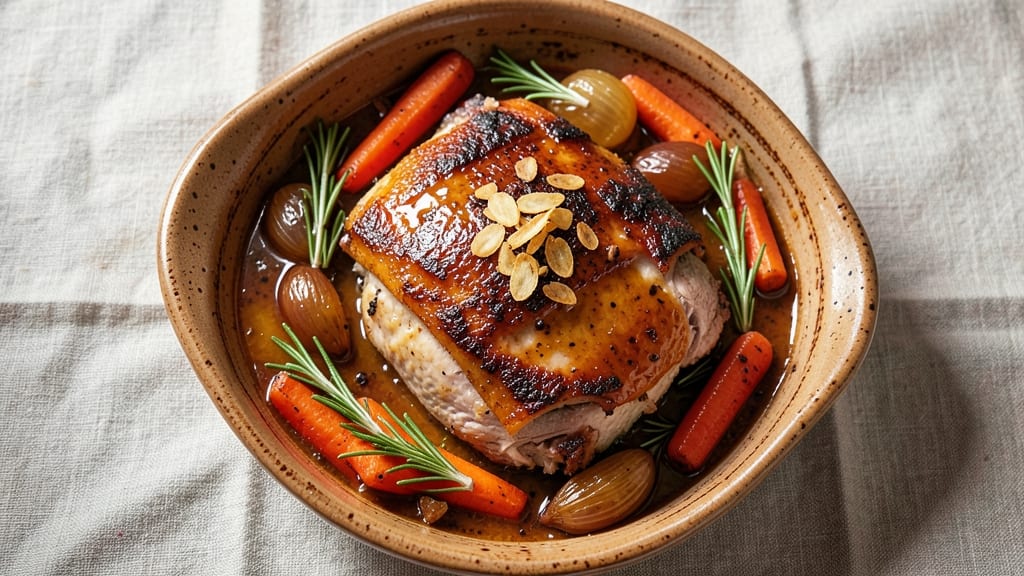
This apple cider pork shoulder recipe transforms tough meat into melt-in-your-mouth perfection through slow braising—just like my granddaddy used to make in Georgia. The apple cider marinade tenderizes while infusing sweet-tart depth, while the low-and-slow cook turns every bite into buttery shreds that practically disappear.
I've perfected this technique over years of pit competitions, where it won me my first championship ribbon.
The secret lies in the balance of time and temperature: we start with a dry-brine overnight to lock in moisture, then braise at 275°F until the internal temp hits 203°F—where collagen dissolves into rich, velvety sauce.
The apple cider reduces into a glossy glaze that caramelizes beautifully, cutting through the pork's richness while adding fruity complexity. This isn't just pork; it's a centerpiece that commands the table.
By the final hour, your pork shoulder will be so tender it falls apart at the touch, coated in a sticky-sweet glaze that glistens under the oven light. The aroma alone—warm apples, smoky spices, and caramelized edges—will have everyone gathering around.
Serve with roasted root vegetables or creamy mashed potatoes to soak up every last drop of that precious braising liquid.
What makes this recipe truly special is its versatility: use it for pulled pork sandwiches, tacos, or elegant family dinners. The technique scales perfectly for crowds, and leftovers reheat beautifully—though with results this good, you'll likely devour the whole batch before they make it to the fridge.
Let's get cooking; your taste buds are about to thank you.
Ingredients for apple cider pork shoulder
Six pounds of pork shoulder meets apple cider magic for a dish that wins every time.
| Ingredient | Amount | Notes |
|---|---|---|
| Boneless Pork Shoulder 🥩 | 4 lb | Bone-in preferred for flavor |
| Unsalted Butter 🧈 | ½ cup | Cold, cubed for dry brine |
| Apple Cider 🍎 | 1 ½ cups | Unfiltered, preferably local |
| Carrots 🥕 | 2 whole | Medium size, peeled and chopped |
| Yellow Onion 🧅 | 1 whole | Yellow or red, chopped |
| Garlic Cloves 🧄 | 6 cloves | Fresh, peeled and smashed |
| Kosher Salt 🧂 | 1 ½ tbsp | Diamond Crystal preferred |
| Black Peppercorns 🌶️ | 1 tsp | Freshly cracked preferred |
| Ground Cinnamon 🌿 | 1 tsp | Freshly ground for warmth |
| Ground Cloves 🌶️ | ½ tsp | Whole cloves ground fresh |
| Fresh Rosemary 🌿 | ½ cup | Chopped, stems removed |
| Fresh Thyme 🌿 | ¼ cup | Leaves only, chopped |
| Brown Sugar 🍯 | 2 tbsp | Light or dark, packed |
The pork shoulder is non-negotiable here—bone-in for extra flavor, but boneless works if you're in a hurry. Costco or local butcher shops usually carry it pre-cut, but if you're buying a whole shoulder, trim off excess fat (leave about 1/4-inch). The apple cider should be unfiltered—the sediment adds depth. I always grab a few extra cups at Trader Joe's; their organic variety has a perfect balance of tart and sweet. For the spices, Penzeys bulk bins are my go-to when I want to splurge, but the regular grocery store stuff works fine if it's fresh. The herbs? Fresh is essential—dried won't give that same aromatic punch.
No fresh rosemary? Dried at half the amount gets you close, but trust me on this one. Short on apple cider? Substitute with a mix of apple juice and a splash of vinegar—the acidity helps tenderize. The brown sugar can be swapped for maple syrup if you're avoiding refined sugar, but it'll taste slightly different. Need to skip the cinnamon or cloves? Extra thyme and a pinch of allspice can mimic that warm spice profile. The butter for the dry brine? Use full-fat—low-fat won't give the same rich flavor. And if you're prepping ahead, make the dry brine the night before—it's a game-changer for moisture.
This pork keeps beautifully—3-4 days in the fridge if stored properly. Wrap it tightly in foil with any leftover braising liquid to keep it moist. For longer storage, freeze portions for up to 3 months. The glaze? Store it separately in a jar and reheat with a splash of water before serving. I always make extra because leftovers make the best sandwiches. The carrots and onions can be prepped ahead too—just store them in a sealed container in the fridge. And if you're serving a crowd, double the recipe—this dish scales perfectly.
Why You'll Love This Recipe
- One-Pot Magic: The pork shoulder, cider, and veggies all go in the same pot—no extra dishes, no stress. Honestly, I just dump everything in and let it do its thing while I sip my coffee.
- Sweet-Savory Balance: That apple cider turns the pork into something rich and tender, with just enough caramelized sweetness to make it feel special. The butter at the end? Pure comfort in every bite.
- Weeknight Hero: Pull it out for a casual dinner or serve it at a gathering—it’s always a crowd-pleaser. Between us, my in-laws now ask for it every holiday, and I don’t even mind cooking it.
- Budget-Friendly Feast: Pork shoulder stretches far, and the simple ingredients won’t break the bank. I’ll be real: the leftovers are so good, I save half for sandwiches the next day without a second thought.
Step-by-step instructions for slow-braised apple cider pork shoulder
Here's the method I've perfected for tender, fall-apart pork shoulder with deep apple cider flavors.
Prepare the Pork with a Dry Brine
Pat the 4 lb boneless pork shoulder completely dry with paper towels—this is crucial for developing that beautiful bark. In a small bowl, combine the 1.5 tbsp kosher salt, 1 tsp freshly cracked black peppercorns, 1 tsp ground cinnamon, 0.5 tsp ground cloves, 0.5 cup chopped fresh rosemary, 0.25 cup chopped fresh thyme, and 2 tbsp brown sugar. Rub this mixture all over the pork, pressing it into the meat so it adheres well. Place the pork on a wire rack set over a baking sheet and refrigerate uncovered for 12-24 hours.
This dry brine process ensures the pork stays moist while developing incredible flavor. The spices penetrate deeply, and the sugar helps caramelize during cooking. Real talk: don't skip this step—it makes all the difference in texture and taste.
Sear the Pork for Maximum Flavor
Remove the pork from the refrigerator and let it sit at room temperature for 1 hour before cooking. Preheat your oven to 325°F. In a large Dutch oven, melt the 0.5 cup unsalted butter over medium-high heat until it foams. Carefully add the pork shoulder and sear on all sides for 5-7 minutes total, turning occasionally, until it develops a deep golden-brown crust. This step locks in juices and builds flavor.
Once seared, remove the pork and set it aside. In the same Dutch oven, add the 1 whole yellow onion and 2 whole carrots, chopped into large chunks, along with the 6 smashed garlic cloves. Sauté for 3-4 minutes until the vegetables begin to soften. Here's the thing—don't crowd the pan or the vegetables will steam instead of caramelize.
Braise with Apple Cider for Tender Perfection
Return the pork to the Dutch oven. Pour in the 1.5 cups apple cider, scraping up any browned bits from the bottom of the pan. Bring the liquid to a simmer, then cover the Dutch oven tightly with a lid. Transfer to the preheated 325°F oven and cook for 3-3.5 hours, or until the pork reaches an internal temperature of 200-203°F on a meat thermometer.
This slow braising time is where the magic happens. The apple cider breaks down the connective tissue, while the spices infuse the meat with warm, aromatic flavors. I check the temperature every 30 minutes after the 2-hour mark—patience is key here. The pork should be fork-tender and nearly falling apart when you test it.
Rest and Shred for Serving
Once the pork reaches the perfect temperature, remove it from the oven and let it rest in the Dutch oven, covered, for 30 minutes. This resting period allows the juices to redistribute throughout the meat. After resting, use two forks to shred the pork directly in the Dutch oven, discarding any large fat chunks or connective tissue.
Spoon some of the braising liquid over the shredded pork and serve immediately. The pork should be incredibly tender, with a beautiful balance of sweet apple cider, warm spices, and rich pork flavor. Each bite should practically melt in your mouth—this is the hallmark of a perfectly braised pork shoulder.
Pro Tips For Making Apple Cider Pork Shoulder
- USE A DUTCH OVEN: The pork shoulder needs a tight seal to trap moisture—use a heavy pot with a tight lid if you don’t have a Dutch oven. I learned this after watching my first batch dry out mid-cook; the lid’s weight makes all the difference when braising with apple cider.
- DEGLAZE WITH CIDER FIRST: After browning the pork, hit the pan with a splash of apple cider before adding onions or carrots. The caramelized bits dissolve faster, giving your braising liquid deeper flavor right from the start—no scraping required.
- SKIP THE PRE-COOKED CARROTS: Raw carrots stay crisp and sweet in the braise, while pre-cooked ones turn mushy. Toss them in whole or chunks after the pork starts browning, so they absorb the cider’s richness without falling apart.
- STIR THE CIDER HALFWAY: When the pork shoulder hits 160°F, lift the lid and give the apple cider a quick stir—especially if it’s reduced unevenly. This redistributes the sweetness and prevents a sticky, one-sided glaze on the bottom. (Yes, even if you’re impatient like me.)
Best sauces and condiments for these flavors
Classic Apple Cider Glaze
Start with the braising liquid you've already made—it's packed with porky richness and apple cider depth. After removing the pork, strain out the vegetables and reduce the liquid over medium-high heat until it thickens to a syrupy consistency (about 10-15 minutes).
For extra shine, whisk in 1 tbsp unsalted butter and 1 tsp apple cider vinegar at the end. This glaze is perfect for drizzling over pulled pork or basting during the final hour of cooking. 🍏
Maple-Bourbon Sauce
For a richer, more complex sauce, combine 1 cup of the pork braising liquid with 2 tbsp pure maple syrup, 1 tbsp bourbon, and 1 tsp Dijon mustard. Simmer until thickened, then finish with a pinch of cayenne pepper for heat.
This sauce pairs beautifully with the pork's natural sweetness and adds a smoky depth that complements the apple cider. I love using Maker's Mark bourbon for its balanced flavor.
Horseradish Cream
Balance the sweetness of the apple cider pork with a tangy kick by making a simple horseradish cream. Mix ½ cup sour cream with 1 tbsp prepared horseradish (I prefer Hudson Valley brand), 1 tsp apple cider vinegar, and a pinch of salt.
Serve this alongside the pork for a refreshing contrast. It's especially good on pulled pork sandwiches or as a dip for roasted vegetables. 🌶️
Brown Butter Onion Jam
Caramelize 2 cups chopped yellow onions in 4 tbsp browned butter until deep golden and jammy (about 20-25 minutes). Add 1 tbsp apple cider and 1 tsp brown sugar, then simmer until thickened.
This jam adds a sweet, buttery contrast to the pork's rich flavors. It's perfect for spooning over the shredded pork or using as a topping for burgers and sandwiches.
Spiced Apple Butter
Simmer 2 cups unsweetened applesauce with 1 tbsp apple cider, 1 tsp cinnamon, ½ tsp ground cloves, and 1 tbsp brown sugar until thick and spreadable (about 30 minutes).
This spiced apple butter is a fantastic accompaniment to the pork, adding a fruity, aromatic note that enhances the dish. It's also great for toast or as a topping for pancakes if you have leftovers. 🍎
Whiskey-Spiced Gravy
Use the pork drippings to make a rich, flavorful gravy. After removing the pork, whisk 2 tbsp all-purpose flour into the braising liquid, then add 1 cup chicken or pork broth, 1 tbsp bourbon, and 1 tsp apple cider.
Simmer until thickened, then season with salt and pepper. This gravy is a game-changer for serving over mashed potatoes or cornbread. The whiskey adds a warm, smoky depth that ties everything together. 🥃
Nutrition facts
Frequently asked questions about apple cider pork shoulder
Can I use bone-in pork shoulder instead of boneless?
Bone-in pork shoulder actually adds more flavor and stays juicier during cooking. Just increase your cooking time by about 30-45 minutes since bones conduct heat differently. The bone will also contribute to the rich braising liquid, enhancing the apple cider flavors.
What's the best way to reheat leftovers?
For maximum tenderness, reheat shredded pork in a skillet with a splash of apple cider or broth over low heat for 5-7 minutes. Avoid microwaving—it makes the meat rubbery. If reheating the whole shoulder, wrap it tightly in foil and bake at 300°F for 20-30 minutes until warmed through.
Can I substitute apple cider vinegar for the apple cider?
Not ideal, but you can use it in a pinch. Mix 1 cup apple cider vinegar with ½ cup water and 1 tbsp brown sugar to mimic the sweet-tart balance. However, you'll miss the complex apple flavors that develop during braising. For best results, stick with real apple cider if possible.
How do I know when the pork is done without a thermometer?
Press the pork gently with tongs—if it shreds easily with minimal resistance, it's done. Another trick: the meat should pull away from the bone effortlessly. The braising liquid should also be reduced and slightly thickened, with a deep caramelized color. For perfect results, a thermometer is best (aim for 203°F).
Can I make this in a slow cooker instead of an oven?
Yes! Brown the pork first, then transfer it to a slow cooker with all ingredients. Cook on low for 8-10 hours or high for 5-6 hours. The texture will be slightly different (more tender but less caramelized), but still delicious. Just add ¼ cup extra apple cider since slow cookers evaporate more liquid.